
Diving at Honolua Bay (United States)
Honolua Bay presents distinct conditions for divers, transitioning dramatically between seasons. During winter, large waves roll in, making it a surfing hotspot and often unsuitable for diving. Conversely, summer months typically bring calmer waters, making it an excellent dive site, particularly on its eastern side, where vibrant coral formations thrive. The bay's status as a Marine Life Conservation District enhances its appeal.
As evening covers Honolua Bay, the local air temperature is measured at 25.5°C. The current wave height at the surface is recorded at 1.2 m. These late-day readings characterize the surface conditions for the night.
Dive Site Location & Key Facts
Dive Site Overview
Honolua Bay carries significant historical and cultural weight, translating to "two harbors" in Hawaiian. For generations, this natural harbor served Honolua Ranch, facilitating shipping products and receiving vital supplies.
Today, the entire area operates as a protected Marine Life Conservation District, actively safeguarding its abundant natural resources. This critical designation prohibits fishing and the removal of any marine life or natural elements, reflecting a long-standing tradition of stewardship akin to ancient Hawaiian practices. While the immediate shoreline can present rocky conditions and limited visibility near the entry point, moving further out reveals substantially clearer waters and thriving ecosystems.
Its sheer size and protected status ensure a rich underwater experience, appealing to both snorkelers and divers exploring beyond the initial access. Divers will find diverse terrain, from a sandy bottom gradually sloping to a vibrant reef system.
Conditions are Poor
High Wind Advisory (46km/h). Unsafe surface.
Current conditions near Honolua Bay show 26° air, 28° sea temperature, 1.4 m waves, and 46 km/h wind. Forecast data is refreshed regularly to ensure accuracy.
Best Time to Dive
Planning a dive at Honolua Bay significantly depends on the season, with summer months generally offering the best experience. From May to October, the average wave heights are typically lower, ranging from 1.1 to 1.2 m (3.6 to 3.9 ft), creating calmer conditions ideal for diving. This period also sees warmer air temperatures, usually between 24.3 and 26°C (75.7 and 79°F), with minimal rain, often less than 2 mm (0.08 inches) per month, contributing to higher dive scores. In contrast, winter (December to April) brings larger waves, averaging 1.3 to 1.6 m (4.3 to 5.2 ft), making the bay a popular surf spot and often challenging for diving. Though dive scores are moderate in winter, careful monitoring of local conditions is essential, as calm days can still occur.
PEAK SEASON SCORE
Scores combine air & water temps, waves, wind & rainfall for overall conditions.
BEST MONTHS TO DIVE
Monthly records compiled from satellite and marine observation nodes over the last 3 years. Data provided by Open-Meteo and MET Norway.
Dive Experience & Conditions
Exploring Honolua Bay presents a varying depth profile, accommodating both casual snorkelers and certified divers. Shallower sections, ideal for snorkeling and initial dives, are reported around 4 m (15 ft). Divers seeking deeper encounters will find the east side of the bay offers a more substantial depth profile, reaching over 20 m (65 ft) on its outer limits. Visibility near the immediate shoreline can be murky, requiring a swim out from the initial entry point for optimal viewing. As divers move away from the shore, conditions often improve greatly, revealing vibrant coral formations along a rocky coastline and a sandy bottom. Water temperatures are not consistently reported but are typically warm, reflecting Hawaii's tropical climate. Accessing the bay occurs via shore, involving an approximately five-minute walk down a dirt path through a rainforest-like setting.
Dive Difficulty & Safety Guidelines
Observing Honolua Bay's Marine Life Conservation District regulations is paramount; this means no fishing or collecting any natural resources. During winter months, large swells transform the bay into a major surf break, making diving unsafe and actively discouraged. Always check local wave forecasts before planning your trip.
A rocky shore entry is common, and initial visibility near the entry point might be reduced, so exercise caution during entry and exit. Divers should prepare to swim out a bit to reach the best visibility and reef areas.
Carrying a dive flag is advisable, particularly given the bay's popularity with snorkelers and boat traffic in calmer conditions.
Recommended Equipment
- Dive Computer
- Hard-soled Dive Boots
This gear list is based on verified equipment signals for Honolua Bay, United States. Always confirm final gear choices with your dive operator, guide, or liveaboard.
Recommended Dive Suit
With water temperatures around 28°C (82°F), many divers find a 2-3mm shorty or light wetsuit provides comfortable protection.
Divers performing multiple dives may appreciate slightly warmer protection later in the day.
Forecast models indicate that diving conditions should remain largely unchanged.
Due to technical issues with our weather providers, live updates are temporarily delayed. The data above reflects the conditions at the time of the last successful fetch.
Emergency & Medical Support
Essential information to help you plan your dive trip to Honolua Bay.

Hyperbaric chambers are a critical part of dive safety infrastructure. Availability varies significantly by region, and not all dive areas have immediate access.
Before diving, it's recommended to:
- confirm nearest medical facilities
- check emergency procedures with local dive operators
- ensure dive insurance covers evacuation if required
Divers Alert Network
Diving emergency assistance available through DAN World.
+1-919-684-9111- 24/7 emergency hotline
- Diving medical assistance
- Evacuation coordination
Emergency contacts are provided for reference. Always verify local emergency services before diving.
Marine Life at Honolua Bay
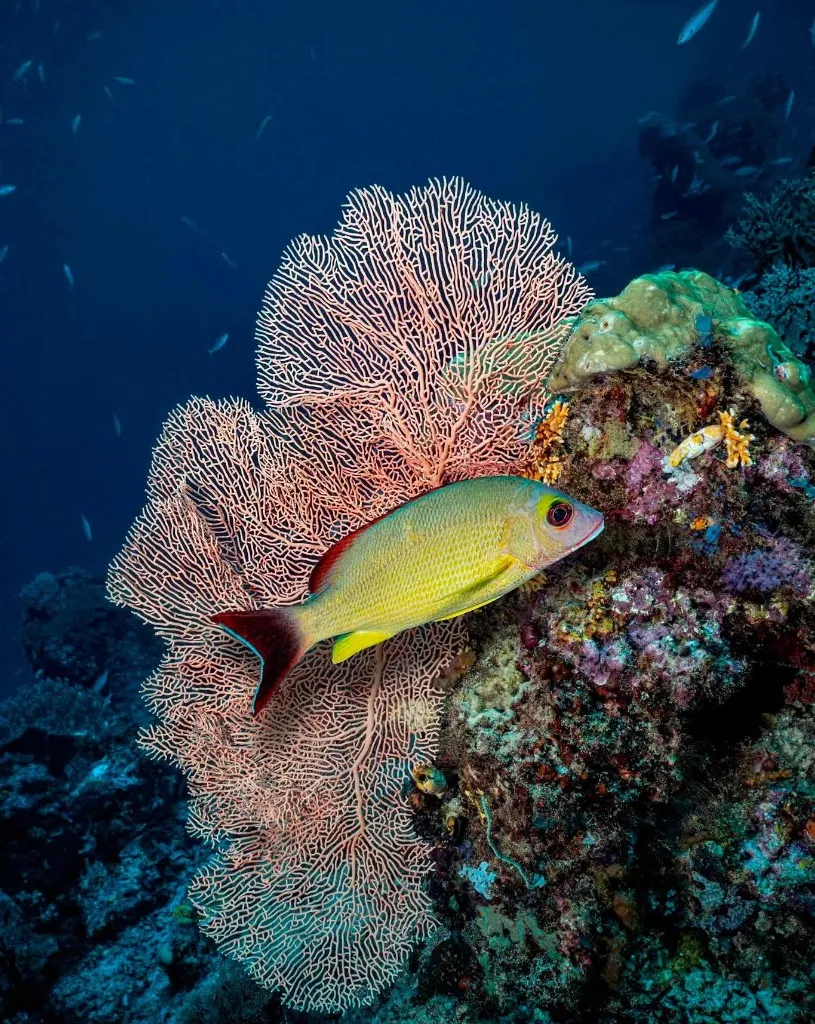
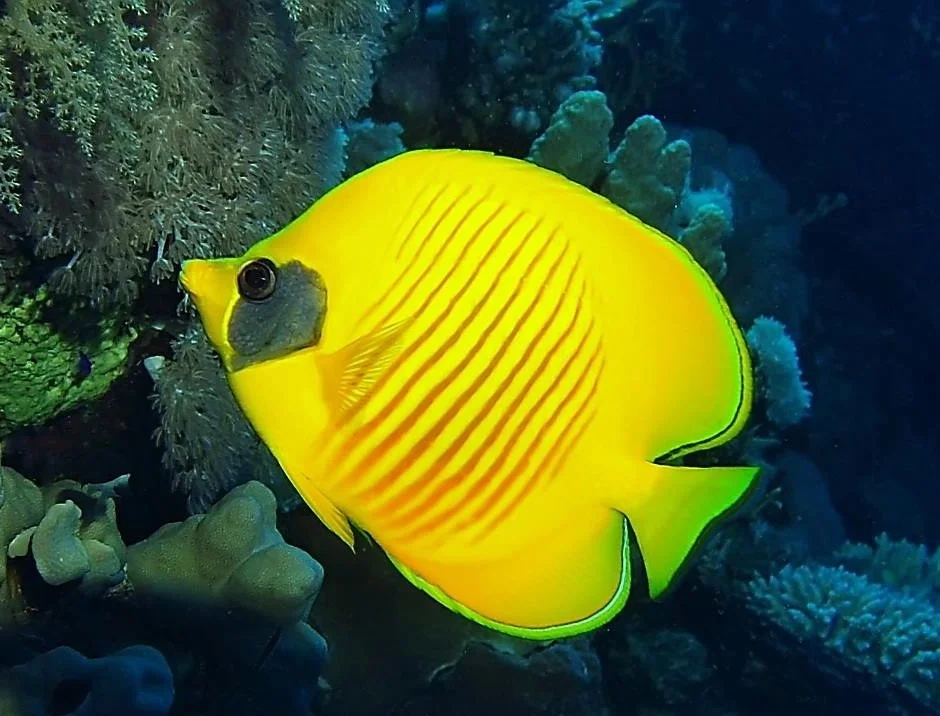
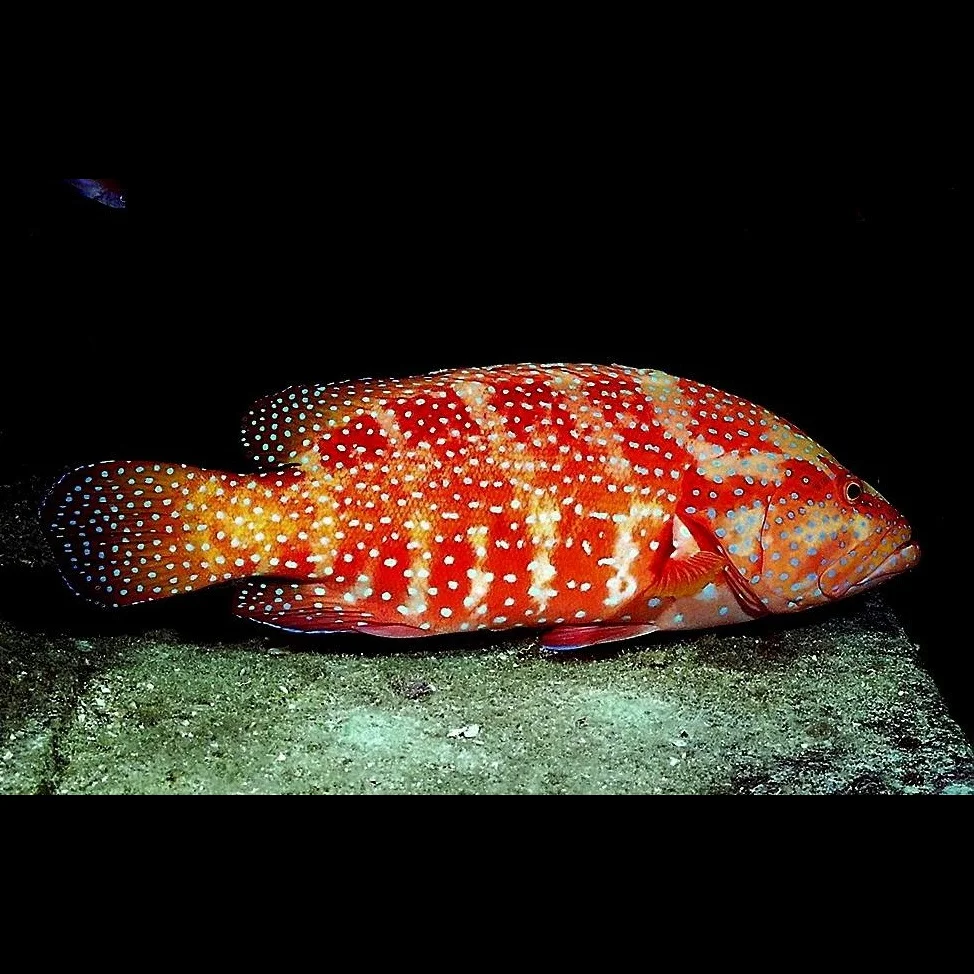
Observing the abundant marine life at Honolua Bay is a primary draw. Divers frequently encounter a variety of reef fish, including snappers, grouper, surgeonfish, trumpetfish, triggerfish, and butterflyfish.
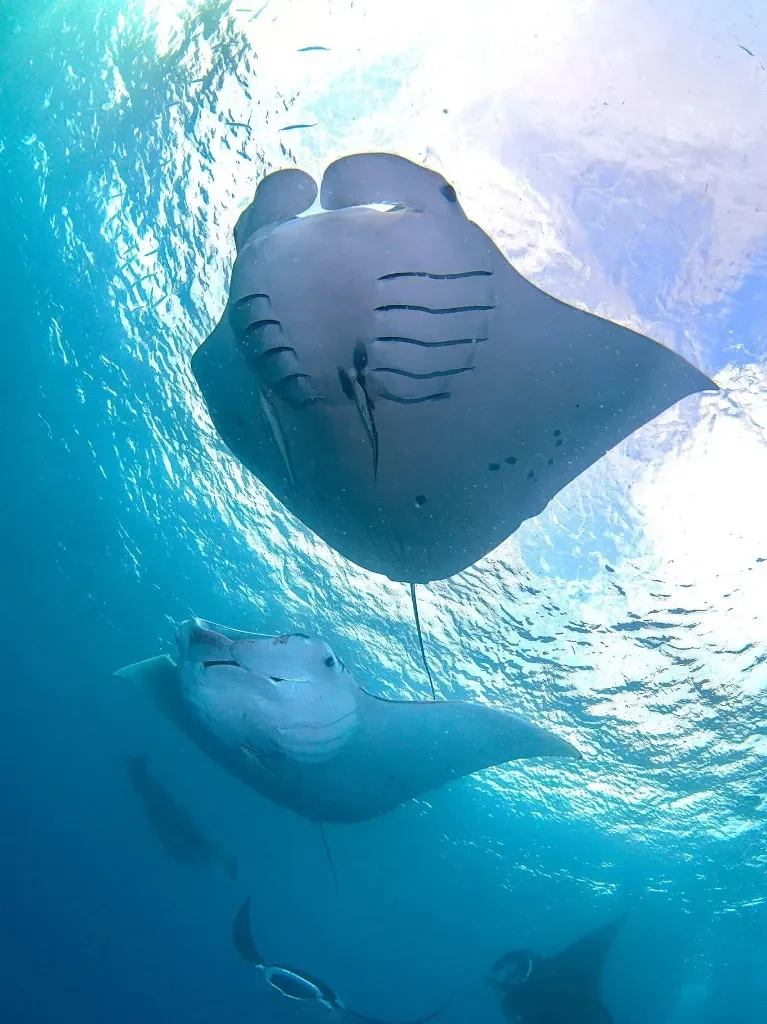
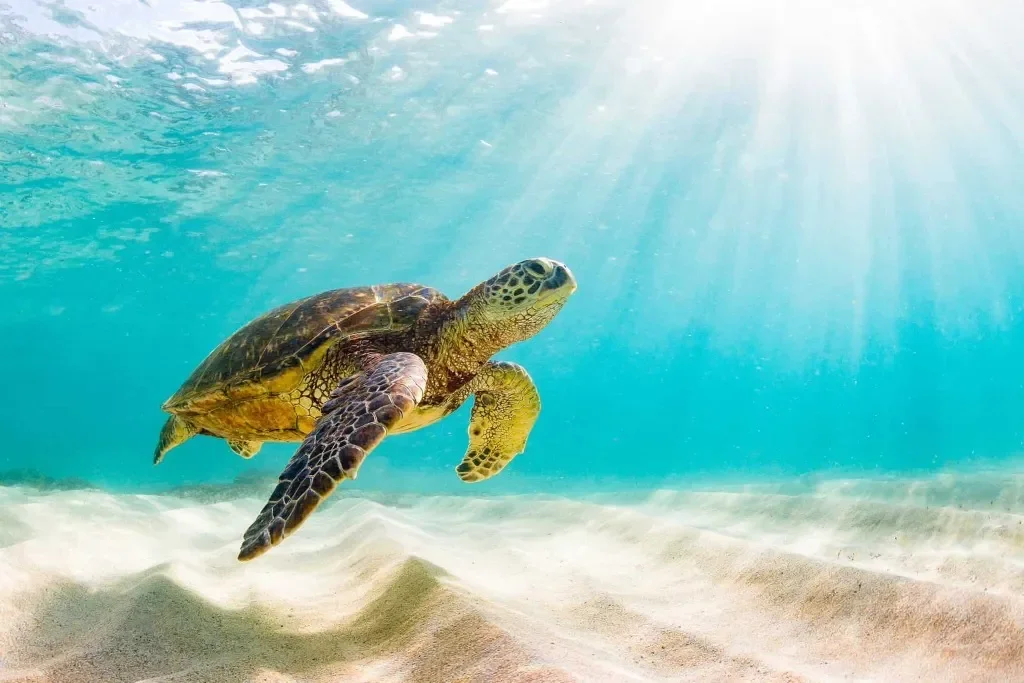
Green sea turtles are common residents, often seen gliding through the coral formations or resting in shallower sections. While not guaranteed, seasonal sightings of manta rays have been reported, adding an element of surprise to the dive.
The bay's protected status contributes to a healthy ecosystem, ensuring a consistently active underwater environment where many species thrive.
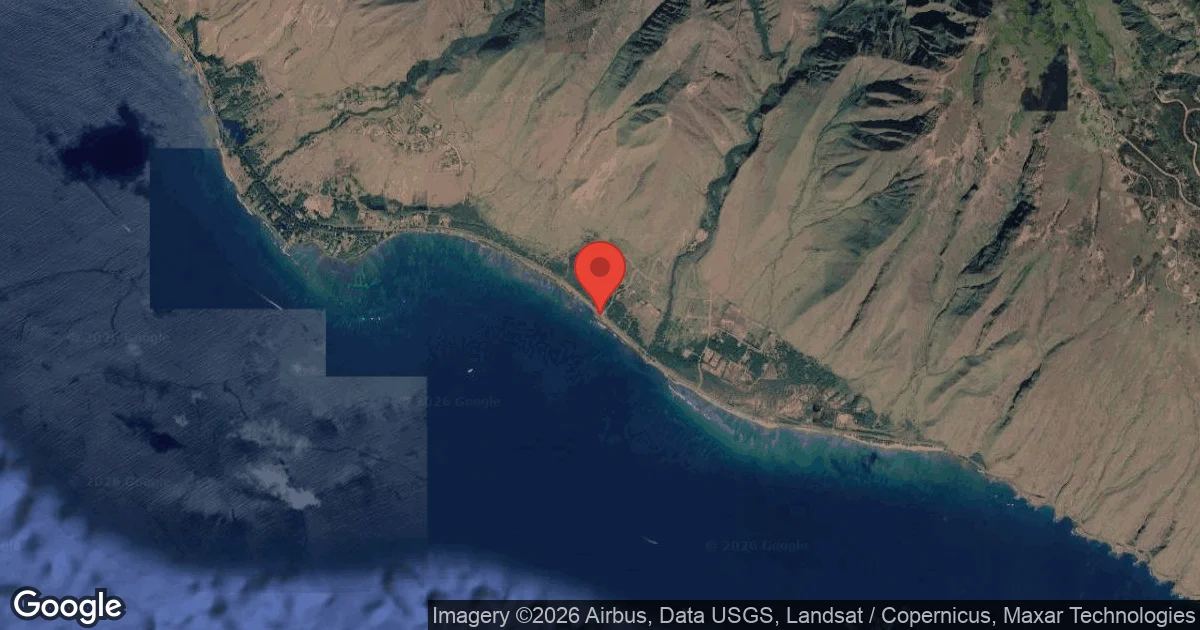
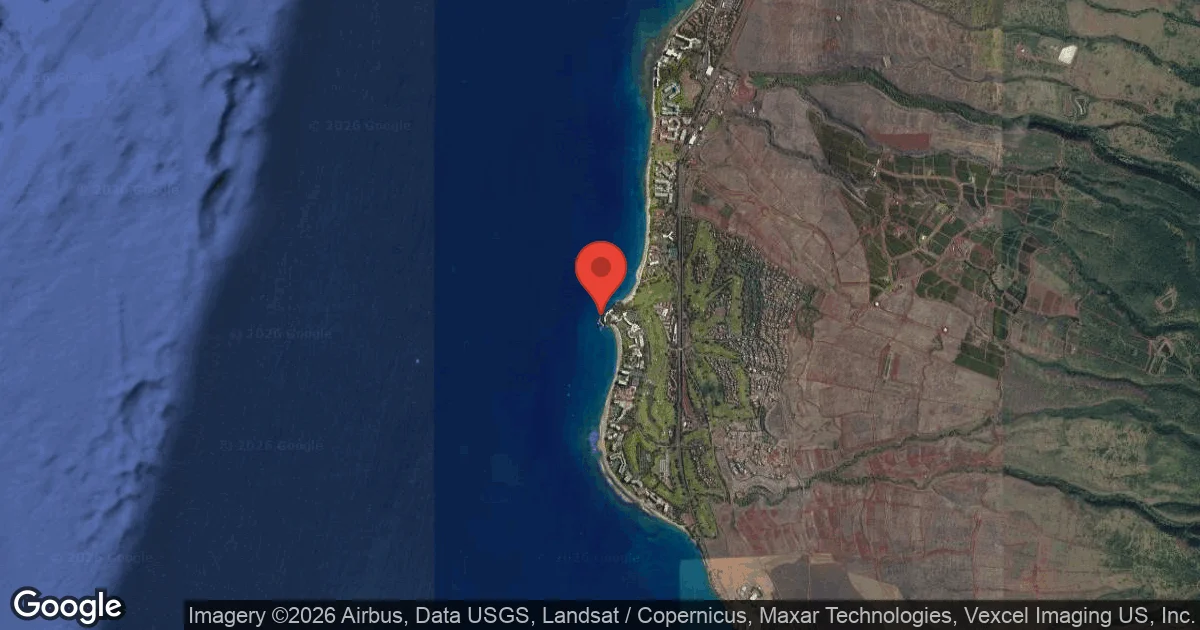
Dive Sites Near Honolua Bay
View all dive sites in United StatesDiscover more underwater gems in this area.
Dive Centers Near Honolua Bay
Today: 07:00 - 17:30

Nearest Airports
Nearest airports to help plan travel to this dive area.
Search Flights
Check available flights and routes on Expedia, using the nearby airports listed in this section.
Search Flights on Expedia
Plan Your Stay
Looking for a place to stay for your dive trip? Explore hotels, stays, and vacation rentals for dive groups near Napili-Honokowai.
Dive Navigator may earn a commission from these links at no extra cost to you.
Frequently Asked Questions
Is Honolua Bay suitable for beginner divers?
Yes, Honolua Bay is considered suitable for beginner to intermediate divers during calm conditions, especially on the shallower west side. The maximum depth of 4 m (15 ft) for snorkeling areas is quite accessible, with deeper sections available for more experienced divers on the east side.
What is the best way to access Honolua Bay?
Access is typically via shore. Parking is available in turnouts along the road, followed by a short walk down a dirt path through a tropical rainforest setting to the water's edge. Boat tours also frequent the bay for snorkeling and diving.
Are there restrooms or facilities at Honolua Bay?
No, Honolua Bay is a natural area with limited facilities. There are no public restrooms or showers directly on site, so divers should plan accordingly.
Can I fish or collect shells at Honolua Bay?
No. Honolua Bay is a Marine Life Conservation District, which strictly prohibits fishing, spear-fishing, and the taking of any marine life, coral, or natural resources, including shells and rocks.
What kind of marine life can I expect to see?
The bay is home to abundant reef fish such as snappers, surgeonfish, and butterflyfish. Green sea turtles are frequently sighted, and occasionally, manta rays are observed in certain seasons.
Why is the shoreline not ideal for sunbathing?
The shoreline at Honolua Bay is quite rocky and not typically used for lounging. There's also a stream inlet that can be stagnant, and agricultural properties nearby may contribute to odors, making it less appealing for extensive shore use.
Planning to dive Honolua Bay?
Send one inquiry and receive offers directly from the best verified local dive operators.
Conditions are Poor
High Wind Advisory (46km/h). Unsafe surface.
Current conditions near Honolua Bay show 26° air, 28° sea temperature, 1.4 m waves, and 46 km/h wind. Forecast data is refreshed regularly to ensure accuracy.