
Diving at Cobbs Sink (United States)
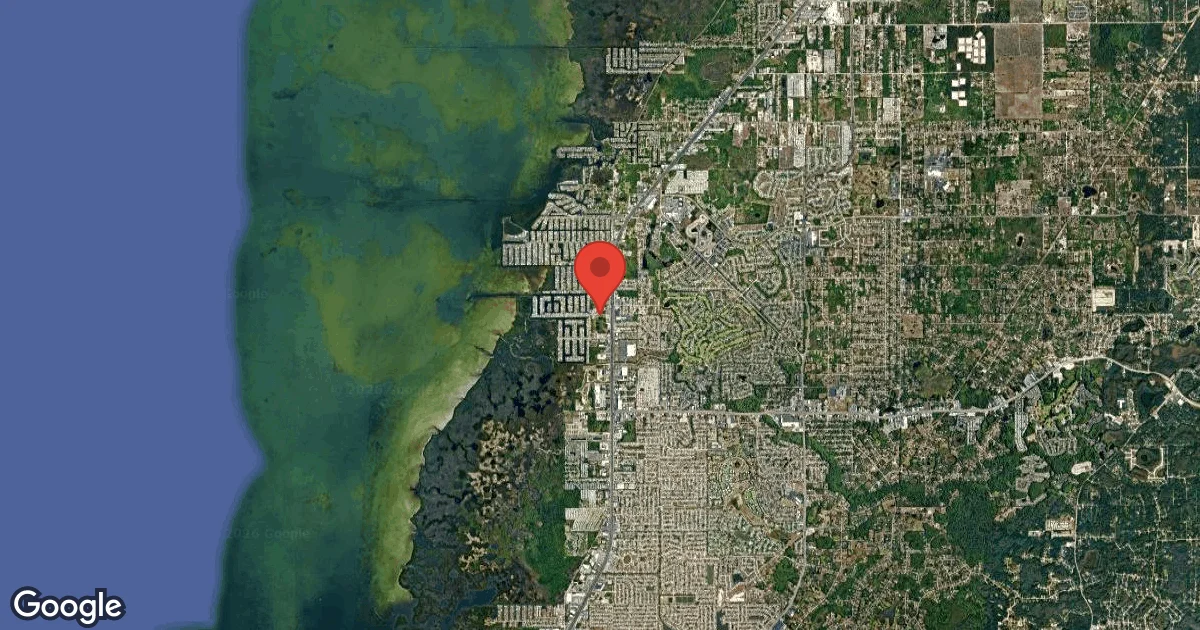
A Florida sinkhole shrouded in local lore and unique environmental characteristics, Cobbs Sink presents a distinctive challenge for exploratory cave divers. This site, on private property in Pasco County, FL, is notable for its floating island, which conceals much of its surface. Its history, intertwined with local rumors, adds a compelling layer to the diving narrative.
Evening condition tracking at Cobbs Sink features an air temperature of 24.5°C. We have recorded wave heights measuring 0.3 m during this period. These figures outline the environmental parameters currently present.
Dive Site Location & Key Facts
Dive Site Overview
The history surrounding Cobbs Sink adds a somber layer to its exploration, with local rumors suggesting it served as a dumping spot for bodies during the 1930s and 1940s. Situated on the site of an old plantation, remnants of former slave quarters are nearby.
Initial explorations, notably by Brett Hemphill in 2004 with access arranged by Michael Barnette, describe a very dark, tannic sink, heavily choked with extensive tree litter and other organic material. A large floating reed island or tussock almost entirely covers the sink's surface, giving it the appearance of a depressed clearing. Entering the water involves navigating through duckweed along the southwestern rim.
Divers have explored to depths of approximately 33.5 m (110 ft), encountering a sulfide layer and observing numerous small vents. Inside, a buried truck and a small wooden boat add to the site's intriguing, if somewhat unsettling, character.
The system exhibits tidal influence and is suspected of hydraulic connection to a nearby spring in the Anclote River, possibly linking to Tarpon Springs Marina Sink.
Conditions are Good
Optimal conditions expected
Current conditions near Cobbs Sink show 25° air, 30° sea temperature, 0.3 m waves, and 21 km/h wind. Forecast data is refreshed regularly to ensure accuracy.
Best Time to Dive
For a more comfortable experience at Cobbs Sink, consider planning your visit during months with milder air temperatures. February through April typically see air temperatures ranging from 16°C (61°F) to 22.5°C (72°F), often accompanied by lower rainfall averages. May to June offers warmer air, between 25.5°C (78°F) and 27°C (81°F), before the peak rainy season of August, which averages 6.58 mm (0.26 in) of rain. Given the private access and complex conditions of the sink, focusing on favorable surface weather enhances the overall logistical ease, even if the sub-surface conditions remain consistently dark and tannic. July offers the highest dive score due to lower wave heights and moderate wind speeds, making surface conditions calmer.
PEAK SEASON SCORE
Scores combine air & water temps, waves, wind & rainfall for overall conditions.
BEST MONTHS TO DIVE
Monthly records compiled from satellite and marine observation nodes over the last 3 years. Data provided by Open-Meteo and MET Norway.
Dive Experience & Conditions
Descending into Cobbs Sink presents an immediate environmental shift from the surface world. The water is consistently reported as very dark and tannic, with visibility heavily impacted by organic matter and silt. An exploration revealed a prominent sulfide layer, which is typical for such organic-choked sinkholes. Divers will navigate through extensive tree litter and other plant material that blankets the underwater landscape. Maximum depth reaches around 33.5 m (110 ft), where numerous small vents can be observed. Conditions here are often challenging due to the limited light penetration and the highly silty bottom, requiring proficient buoyancy control to avoid disturbing the sediment. The sink's overall character is described as not particularly inviting due to these inherent conditions.
Dive Difficulty & Safety Guidelines
Approaching Cobbs Sink requires careful consideration of its unique challenges, primarily regarding access and environmental hazards. The site rests on private property, and unauthorized entry is strictly prohibited. Exploratory dives have only occurred with prior permission, highlighting the necessity of arranging proper access before any visit.
Inherent hazards within the sink include its dark, tannic, and murky waters, which severely limit visibility. A significant sulfide layer is present, and the bottom consists of easily disturbed silt, demanding excellent trim and propulsion techniques from divers.
Extensive organic material and tree litter can also pose entanglement risks. Given these conditions, only highly experienced and appropriately trained cave divers should consider this site, and only after securing explicit permission.
Recommended Equipment
- Dive Computer
This gear list is based on verified equipment signals for Cobbs Sink, United States. Always confirm final gear choices with your dive operator, guide, or liveaboard.
Recommended Dive Suit
Recent conditions suggest the water at Cobbs Sink remains near 30°C (87°F), offering typical conditions for the area. Surface air temperatures are resting at 25°C (76°F).
Environmental conditions appear stable for the near future.
In water temperatures like these, dive skin or rash guard typically offers sufficient warmth for most recreational dives. A hood or vest is suggested for sensitive divers due to surface winds. Some divers naturally tolerate cooler water better than others.
Emergency & Medical Support
Essential information to help you plan your dive trip to Cobbs Sink.

Hyperbaric chambers are a critical part of dive safety infrastructure. Availability varies significantly by region, and not all dive areas have immediate access.
Before diving, it's recommended to:
- confirm nearest medical facilities
- check emergency procedures with local dive operators
- ensure dive insurance covers evacuation if required
Divers Alert Network
Diving emergency assistance available through DAN World.
+1-919-684-9111- 24/7 emergency hotline
- Diving medical assistance
- Evacuation coordination
Emergency contacts are provided for reference. Always verify local emergency services before diving.
Marine Life at Cobbs Sink
Specific reports of marine life within Cobbs Sink are not consistently available, primarily due to its dark, tannic, and organic-choked nature. The environment within the sink, characterized by limited light penetration and a thick sulfide layer, is not typically conducive to a diverse array of larger marine species.
While some specialized aquatic life adapted to low-light, anaerobic conditions might exist, direct observations from exploratory dives have not emphasized abundant or varied marine ecosystems. Divers should anticipate a focus on geological features and the unique characteristics of the sinkhole itself, rather than vibrant aquatic fauna.
Dive Sites Near Cobbs Sink
View all dive sites in United StatesDiscover more underwater gems in this area.
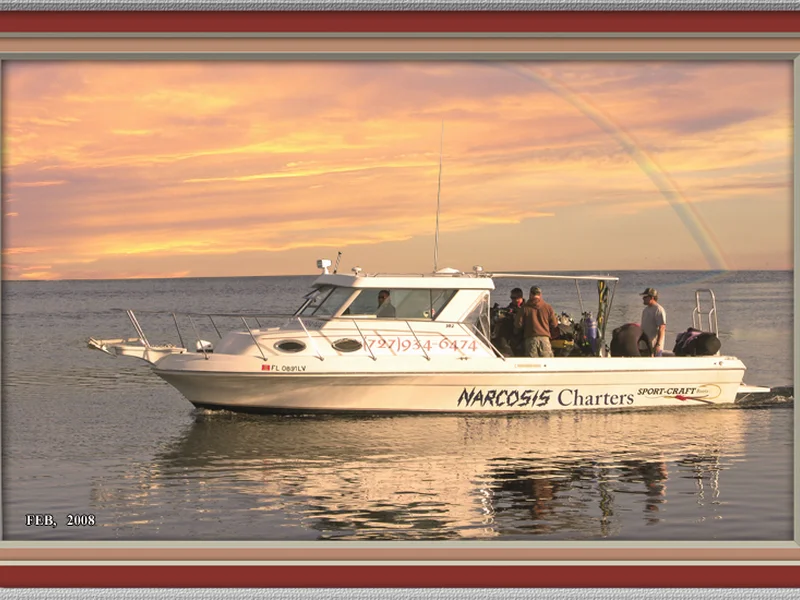
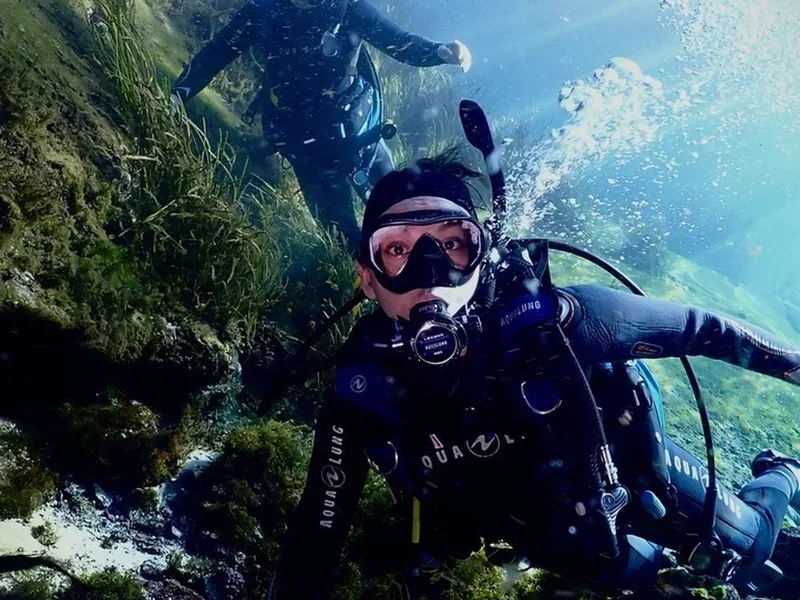
Dive Centers Near Cobbs Sink
Today: 11:00 - 19:00
Nearest Airports
Nearest airports to help plan travel to this dive area.
Search Flights
Check available flights and routes on Expedia, using the nearby airports listed in this section.
Search Flights on Expedia
Plan Your Stay
Looking for a place to stay for your dive trip? Explore hotels, stays, and vacation rentals for dive groups near Key Vista.
Dive Navigator may earn a commission from these links at no extra cost to you.
Frequently Asked Questions
What is the typical visibility like at Cobbs Sink?
Visibility at Cobbs Sink is consistently reported as very dark and tannic, often heavily impacted by organic matter and silt. The low light penetration and disturbed sediment contribute to challenging visual conditions underwater. Divers should anticipate navigating through murky water throughout the dive.
What kind of environmental hazards should divers be aware of?
Primary hazards include extremely low visibility, a prevalent sulfide layer, and an easily disturbed silty bottom. Extensive organic material and tree litter also create potential entanglement risks. These conditions demand advanced dive skills and careful situational awareness.
Is special permission required to dive Cobbs Sink?
Yes, Cobbs Sink is on private property, and unauthorized entry is strictly prohibited. All exploratory dives have occurred only after securing explicit prior permission from the landowner. Divers must arrange access well in advance of any planned visit.
What is the maximum depth reported for Cobbs Sink?
Explorations have reached depths of approximately 33.5 m (110 ft) within Cobbs Sink. Deeper sections of the sinkhole may present additional challenges. Divers should plan their profiles carefully within recreational limits and according to their training.
Are there specific marine life highlights to expect?
Specific reports of diverse marine life are not consistently available, primarily due to the dark, tannic, and organic-choked environment. The conditions within the sink are not typically conducive to abundant or varied aquatic ecosystems. Divers should focus on the geological features and unique characteristics of the sinkhole itself.
What makes Cobbs Sink a challenging dive site?
Its dark, tannic waters and often choked interior of tree litter present significant navigation challenges. The silty bottom requires precise buoyancy, and the site's overall character, combined with limited light, requires advanced training and experience. It's a site for highly skilled cave divers only.
Planning to dive Cobbs Sink?
Send one inquiry and receive offers directly from the best verified local dive operators.
Conditions are Good
Optimal conditions expected
Current conditions near Cobbs Sink show 25° air, 30° sea temperature, 0.3 m waves, and 21 km/h wind. Forecast data is refreshed regularly to ensure accuracy.