
Diving at County Site #2 (United States)
Exploring shore diving opportunities in the United States, such as those potentially found at County Site #2, promises a range of experiences. This type of diving offers accessible entry points and diverse underwater environments, from natural reefs to various artificial structures. Divers can anticipate varied conditions depending on the specific location and season, making each outing a unique encounter with the coastal waters.
As evening covers County Site #2, the local air temperature is measured at 27.5°C. The current wave height at the surface is recorded at 0.4 m. These late-day readings characterize the surface conditions for the night.
Dive Site Location & Key Facts
Dive Site Overview
Shore diving in the US, reflecting the possibilities at County Site #2, typically presents a range of underwater topographies. Many sites, particularly in areas like Florida, feature shallow reef systems often accessible from the beach, with some extending to deeper sections of 20-30 ft (6-9 m) or even 60-90 ft (18-27 m) on subsequent reef lines.
Other regions, such as parts of New York's Thousand Islands or North Carolina's 'Graveyard of the Atlantic,' are known for preserved shipwrecks, with structures starting as shallow as 30 ft (9 m) and reaching depths of 115-130 ft (35-40 m). Divers might also encounter rock walls, outfall structures made of bricks, or muck environments, offering unique macro viewing.
Throughout the year at County Site #2, average wave heights vary, typically ranging from 0.5 m (1.6 ft) in July to around 1.1 m (3.6 ft) in January, influencing entry and exit conditions. Winds can also impact surface conditions, with average speeds from 20.8 km/h (13 mph) in July to over 31 km/h (19 mph) in October, warranting attention to local forecasts.
Conditions are Good
Optimal conditions expected
Current conditions near County Site #2 show 28° air, 30° sea temperature, 0.4 m waves, and 28 km/h wind. Forecast data is refreshed regularly to ensure accuracy.
Best Time to Dive
Maximizing your dive experience at County Site #2 largely depends on understanding seasonal variations, especially for visibility. While specific water temperature data isn't consistently reported, shore diving across the US can see conditions ranging from lows in the 22-24°C (72-75°F) range in cooler months to highs around 31°C (88°F) in summer, influencing thermal protection needs. Dive scores indicate 'Good' conditions for much of the year, particularly from March through July and again in November and December. Air temperatures are comfortable, averaging 25-29°C (77-84°F) during summer months (May-September), though they drop to 14-19°C (57-66°F) in winter. Rainfall is generally low but peaks in August at around 7.7 mm (0.3 inches), which might temporarily affect nearshore visibility. The calmest wave conditions, averaging 0.5 m (1.6 ft), are often observed in July, potentially offering clearer, more stable entries.
PEAK SEASON SCORE
Scores combine air & water temps, waves, wind & rainfall for overall conditions.
BEST MONTHS TO DIVE
Monthly records compiled from satellite and marine observation nodes over the last 3 years. Data provided by Open-Meteo and MET Norway.
Dive Experience & Conditions
Depths encountered in US shore diving, applicable to sites like County Site #2, span a wide recreational range. Shallow muck dives might be as modest as 15-20 ft (4.5-6 m), providing opportunities for macro photography. Reef dives typically begin around 20-30 ft (6-9 m), with some extending to maximum depths of 60-90 ft (18-27 m). Wreck sites, such as those found in the Great Lakes or along the North Carolina coast, can begin in shallower sections around 30 ft (9 m) but descend to over 100 ft (30 m). Managing currents is a critical skill for many shore dives, especially those near inlets or jetties; diving at slack high tide is a common recommendation to mitigate current risk. Visibility can fluctuate significantly, with reports across various US shore sites ranging from a mere 5 ft (1.5 m) to over 50 ft (15 m) depending on local conditions, surge, and recent weather.
Dive Difficulty & Safety Guidelines
Understanding potential hazards is crucial for safe shore diving at locations like County Site #2. Currents represent a primary concern in many coastal areas, particularly near inlets, requiring divers to plan dives around slack tide to ensure safer entry and exit. It's always advisable to dive with a buddy, providing an additional layer of safety and assistance.
For popular dive spots, anecdotal reports from other US sites suggest that overcrowding can detract from the experience and potentially increase surface traffic, requiring heightened situational awareness. As no site-specific hazards are explicitly noted for County Site #2, adherence to general safe diving practices, including monitoring weather, wave forecasts, and tide charts, remains paramount. Always inform someone of your dive plan and expected return time.
Recommended Equipment
- Dive Computer
This gear list is based on verified equipment signals for County Site #2, United States. Always confirm final gear choices with your dive operator, guide, or liveaboard.
Recommended Dive Suit
Divers visiting County Site #2 today can expect water conditions around 30°C (86°F). Surface air temperatures are resting at 28°C (82°F).
Dive skin or rash guard is generally considered suitable for water temperatures like this. A hood or vest is suggested for sensitive divers due to surface winds.
Forecast trends indicate similar diving conditions over the next few days.
Emergency & Medical Support
Essential information to help you plan your dive trip to County Site #2.

Hyperbaric chambers are a critical part of dive safety infrastructure. Availability varies significantly by region, and not all dive areas have immediate access.
Before diving, it's recommended to:
- confirm nearest medical facilities
- check emergency procedures with local dive operators
- ensure dive insurance covers evacuation if required
Divers Alert Network
Diving emergency assistance available through DAN World.
+1-919-684-9111- 24/7 emergency hotline
- Diving medical assistance
- Evacuation coordination
Emergency contacts are provided for reference. Always verify local emergency services before diving.
Marine Life at County Site #2
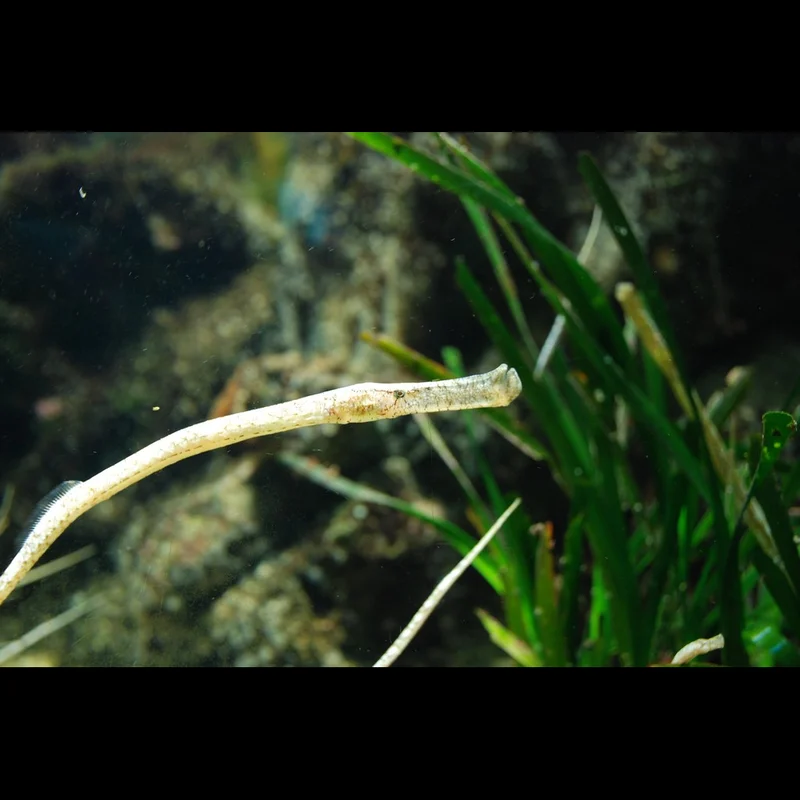
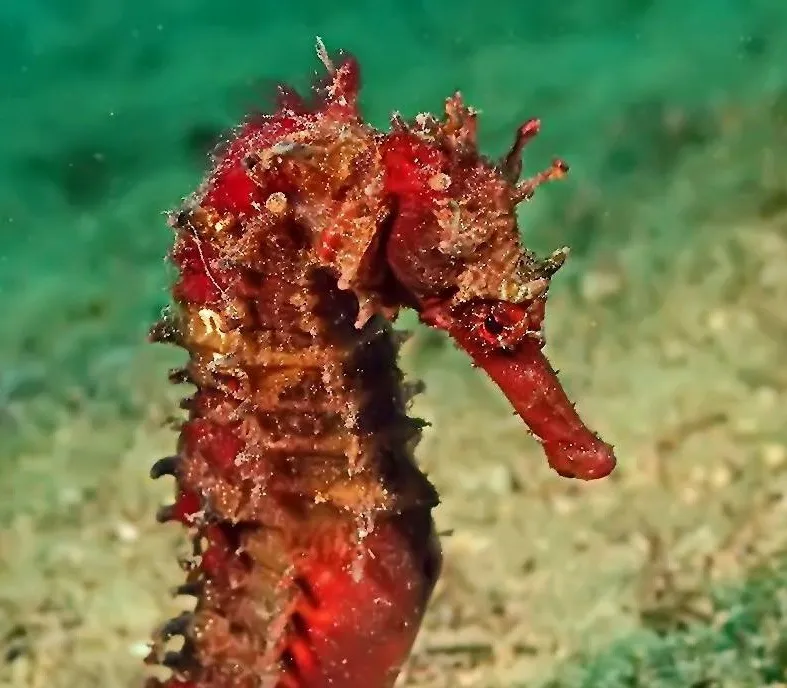
The waters off US shore diving sites, including what might be found at County Site #2, host a variety of marine creatures. Divers commonly encounter a diverse array of macro life, such as squid, octopus, sea horses, pipefish, and blennies, particularly in muck or shallow reef environments.
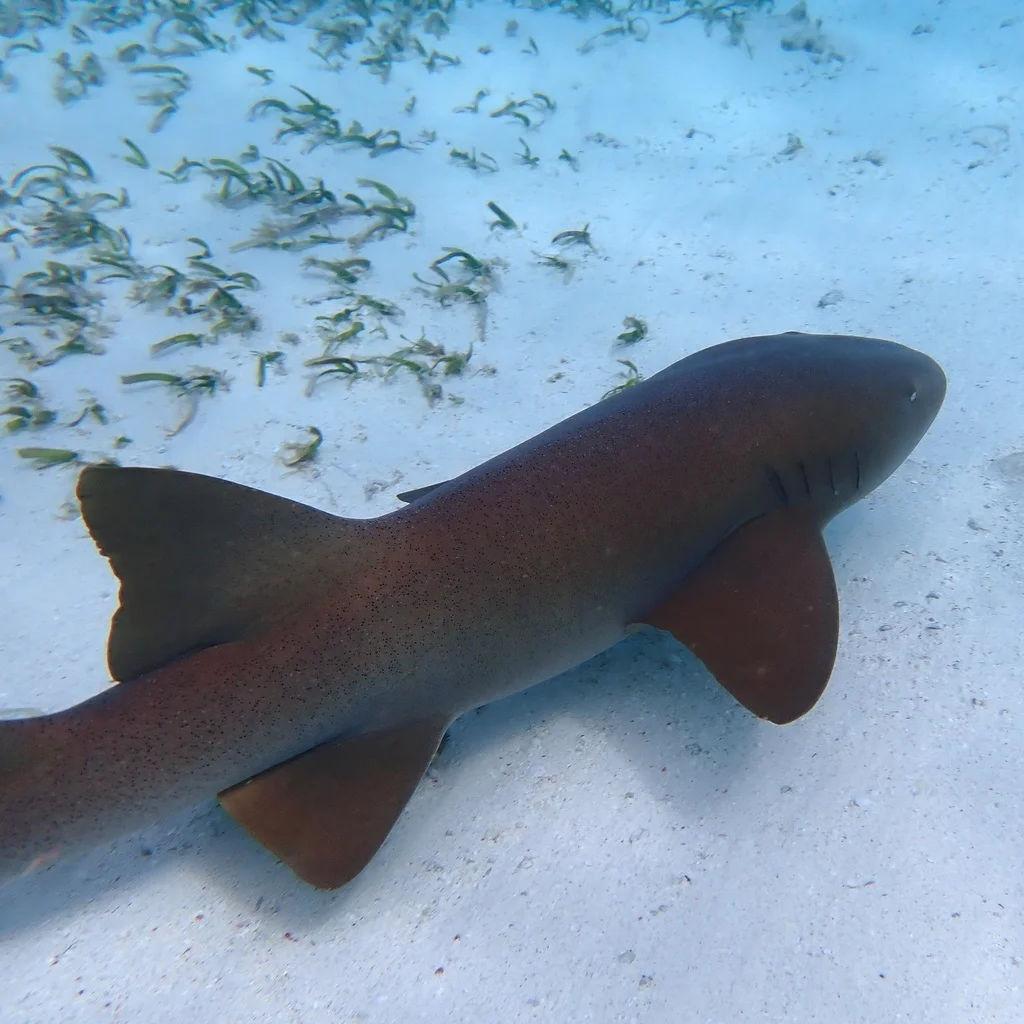
Deeper reef sections might reveal larger inhabitants like nurse sharks, various species of rays, and cornet fish, often navigating through "swiss cheese"-like rock formations. Artificial structures and old outfall pipes can also become focal points for unique macro organisms.
Manatees have been observed in some warmer coastal areas, offering a rare encounter. The specific marine life encountered will vary greatly based on the underwater topography, water temperature, and regional ecosystem.

Dive Centers Near County Site #2
Today: 10:00 - 17:00
Nearest Airports
Nearest airports to help plan travel to this dive area.
Search Flights
Check available flights and routes on Expedia, using the nearby airports listed in this section.
Search Flights on ExpediaFrequently Asked Questions
What is the typical depth range for shore diving at County Site #2?
While specific depths for County Site #2 are not detailed, US shore dives generally range from shallow muck or reef sections around 4.5-9 m (15-30 ft) to deeper areas, including some wrecks, that can reach 35-40 m (115-130 ft).
What kind of marine life can I expect to see?
Drawing from similar US shore diving environments, you could encounter diverse macro life like sea horses, pipefish, and blennies. Larger animals such as nurse sharks, rays, and cornet fish are also possibilities, especially on reef structures.
Are there strong currents at County Site #2?
Current conditions are not consistently reported for County Site #2. However, for many US shore dives, currents can be significant, especially near inlets. Planning dives around slack high tide is generally recommended to minimize current risk.
What are the best months to dive based on climate data?
Based on dive scores, conditions are rated 'Good' for most of the year, with March through July, and November-December showing favorable conditions. July often has the calmest wave heights, contributing to better surface conditions.
What is the average air temperature during peak dive season?
During the warmer months, typically May through September, average air temperatures range from approximately 25-29°C (77-84°F), providing comfortable surface conditions for diving.
Is specific water temperature data available for County Site #2?
Specific water temperature data for County Site #2 is not consistently reported. However, water temperatures in US shore diving locations can widely vary from around 22°C (72°F) in cooler periods to 31°C (88°F) in summer.
What types of underwater topography are generally present?
Based on typical US shore dives, the underwater topography could include natural reef systems, rock walls, and artificial structures like old outfalls. Some US shore-accessible sites also feature historical shipwrecks.
Planning to dive County Site #2?
Send one inquiry and receive offers directly from the best verified local dive operators.
Conditions are Good
Optimal conditions expected
Current conditions near County Site #2 show 28° air, 30° sea temperature, 0.4 m waves, and 28 km/h wind. Forecast data is refreshed regularly to ensure accuracy.