
Diving at Crazy Horse Sink (United States)
Crazy Horse Sink offers a distinct contrast for divers, transitioning from a wooded, terrestrial landscape into a deep, clear water-filled sinkhole. This site provides access to both cavern and cave environments, presenting a different diving experience from typical open-water sites. Its consistent underwater temperatures remain inviting even as surface air conditions fluctuate seasonally.
The latest environmental reading at Crazy Horse Sink indicates an air temperature of 25.5°C. The regional climate in United States is aligning with expected historical averages. Prepare your gear according to these specific local conditions.
Dive Site Location & Key Facts
Dive Site Overview
Crazy Horse Sink invites exploration of a complex submerged system, transitioning from a wooded surface into intricate underwater topography. Measuring approximately 11 m (35 ft) in diameter, the initial pool features steep slopes at its edges; however, newer dock and stair facilities now ease water entry and exit.
Deeper sections of the connected cave system extend significantly, reaching at least 43 m (140 ft), with reports of some divers encountering depths of 44 m (144 ft) further within these passages. This unique sink contains natural debris such as submerged trees, fallen limbs, and various organic matter.
Additionally, notable horse and cow skeletons rest on the bottom, contributing significantly to its distinct and often eerie character. Its waters connect directly to the extensive Lafayette Blue Cave System, indicating a general westward flow beneath the river, which divers occasionally perceive.
Experienced divers are able to explore a notably spacious cavern section, before the environment eventually constricts into a true cave, strictly requiring appropriate certification for any penetration. A recent training platform further enhances the site's utility, providing a stable, submerged base for skill development and dive preparation across various experience levels.
Conditions are Good
Optimal conditions expected
Current conditions near Crazy Horse Sink show 26° air, --° sea temperature, N/A waves, and 11 km/h wind. Forecast data is refreshed regularly to ensure accuracy.
Best Time to Dive
For divers considering a trip, the consistent underwater environment here makes year-round diving a practical option. Stable underwater temperatures, typically ranging from 23-24°C (74-75°F), provide a comfortable experience regardless of the season. Surface air temperatures, however, exhibit considerable variation. Conditions can range from a cooler 10°C (50°F) in January and February to a warmer 27°C (81°F) during July and August, which impacts surface comfort and gear choices. While rainfall is generally low to moderate, averaging between 1.5-5.7 mm (0.06-0.22 inches) monthly, heavier summer rains from June through August can sometimes introduce a milky layer near the surface. This effect is usually temporary but might slightly reduce immediate surface visibility upon entry. To secure the best underwater visibility, planning dives during weekdays or early mornings is often advisable. Such timing helps to avoid potential siltation from other divers, especially within the more confined sections of the sink. Monitoring local weather forecasts for significant rainfall events can also help optimize dive planning.
PEAK SEASON SCORE
Scores combine air & water temps, waves, wind & rainfall for overall conditions.
BEST MONTHS TO DIVE
Monthly records compiled from satellite and marine observation nodes over the last 3 years. Data provided by Open-Meteo and MET Norway.
Dive Experience & Conditions
Divers often find the water entry at Crazy Horse Sink quite manageable, thanks to the newer dock and stair access. However, transporting gear to the sinkhole itself can be challenging due to steep surrounding terrain. Underwater, the cavern is notably spacious, providing ample room for exploration before transitioning into the more confined cave passages. Visibility is frequently excellent, with reports consistently reaching 30 m (100 ft) or more, even after periods of rain. This clarity can degrade swiftly with improper finning or high diver traffic, as the silt layer is easily disturbed. Water temperatures are remarkably stable, staying around 23-24°C (74-75°F) throughout the year, which is comfortably warm. While largely placid, a minor flow has been observed in specific cave sections, typically between 24-27 m (80-90 ft).
Dive Difficulty & Safety Guidelines
The primary safety concern at Crazy Horse Sink revolves around its easily disturbed silt bottom, which can rapidly reduce visibility if divers do not maintain precise buoyancy and finning techniques. Entanglement hazards exist from the natural organic debris and tree limbs within the sink. Penetrating beyond the designated cavern area into the cave system strictly requires appropriate cave diving certification due to overhead environments and potential restrictions.
There is a minor restriction leading into deeper cave sections, which divers should be prepared for. Always carry a reliable primary light source and backup lights, as natural light diminishes quickly at depth.
Site operators sometimes require viewing a safety video, and it's important to respect any 'No Trespassing' signage if present, though dedicated access points exist. Be aware of the grave marker located inside the cave, serving as a solemn reminder of past incidents.
Recommended Equipment
- Dive Computer
This gear list is based on verified equipment signals for Crazy Horse Sink, United States. Always confirm final gear choices with your dive operator, guide, or liveaboard.
Recommended Dive Suit
With water temperatures around 26°C (78°F), many divers find a a 3mm wetsuit provides comfortable protection.
Divers performing multiple dives may appreciate slightly warmer protection later in the day.
Weather patterns are currently shifting, so expect some variability in conditions. Cooler days are ahead; you might want a warmer option for later in the week. A warmer option can provide additional comfort if conditions shift.
Due to technical issues with our weather providers, live updates are temporarily delayed. The data above reflects the conditions at the time of the last successful fetch.
Emergency & Medical Support
Essential information to help you plan your dive trip to Crazy Horse Sink.

Hyperbaric chambers are a critical part of dive safety infrastructure. Availability varies significantly by region, and not all dive areas have immediate access.
Before diving, it's recommended to:
- confirm nearest medical facilities
- check emergency procedures with local dive operators
- ensure dive insurance covers evacuation if required
Divers Alert Network
Diving emergency assistance available through DAN World.
+1-919-684-9111- 24/7 emergency hotline
- Diving medical assistance
- Evacuation coordination
Emergency contacts are provided for reference. Always verify local emergency services before diving.
Marine Life at Crazy Horse Sink
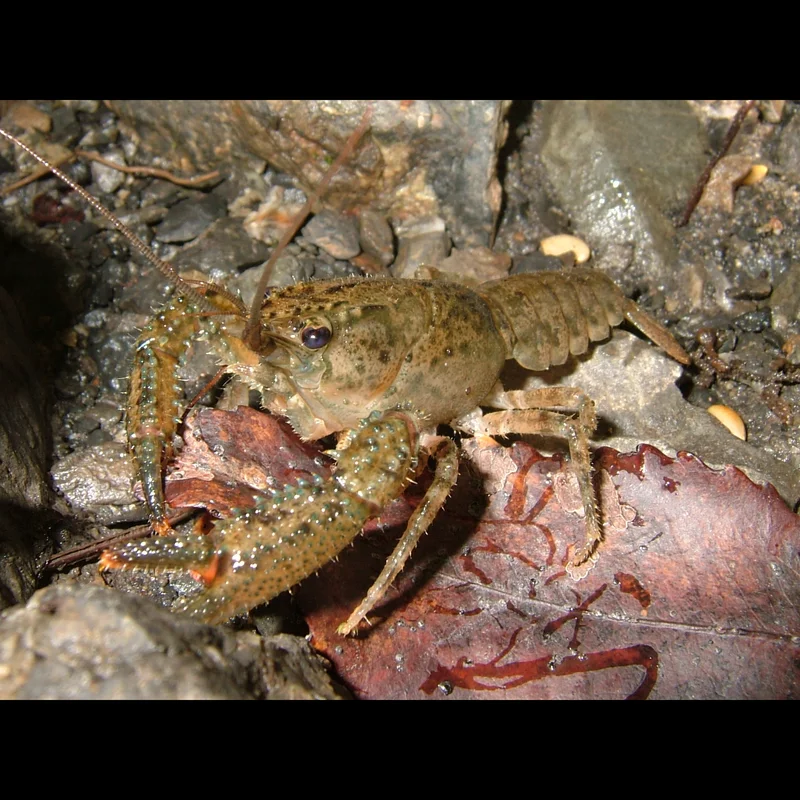
While Crazy Horse Sink is primarily celebrated for its geological formations and cave diving opportunities, it does host some unique inhabitants. Divers have reported sightings of an albino crayfish, offering an interesting glimpse into subterranean aquatic life adapted to low-light conditions. The presence of horse and cow skeletons within the sink itself, while not marine life, contributes significantly to the site's distinct and often eerie underwater landscape.
Dive Centers Near Crazy Horse Sink
No Dive Centers Local To Crazy Horse Sink
Are you a dive center visiting this location? Get listed to reach divers.
Nearest Airports
Nearest airports to help plan travel to this dive area.
Search Flights
Check available flights and routes on Expedia, using the nearby airports listed in this section.
Search Flights on Expedia
Plan Your Stay
Looking for a place to stay for your dive trip? Explore hotels, stays, and vacation rentals for dive groups near Mayo.
Dive Navigator may earn a commission from these links at no extra cost to you.
Frequently Asked Questions
What is the maximum depth at Crazy Horse Sink?
The main sinkhole typically descends to around 18 m (60 ft). However, the connected cave system extends much deeper, with divers reporting depths of at least 43 m (140 ft), and some reaching 44 m (144 ft) within the cave passages.
What are the typical water temperatures?
Underwater temperatures at Crazy Horse Sink are remarkably consistent throughout the year. Divers can generally expect the water to be between 23-24°C (74-75°F), providing a comfortable diving environment.
Is cave diving certification required?
Open water and cavern diving are permitted in the shallower, lit sections. However, venturing beyond the cavern into the deeper, overhead cave environment strictly requires appropriate cave diving certification due to the complex nature and inherent risks.
How clear is the water usually?
Visibility is frequently excellent, often exceeding 30 m (100 ft) in optimal conditions. Be aware that the bottom is silty and can quickly reduce visibility if disturbed by improper finning or high diver traffic, especially in confined areas.
Are there any specific entry or exit challenges?
The site benefits from newer docks and stairs, making water entry and exit relatively easy. However, accessing the sinkhole area itself can involve navigating steep terrain, which might make hauling heavy dive gear challenging.
What marine life can I expect to see?
While not a vibrant reef environment, the sink is known for its unique subterranean inhabitants, including occasional sightings of albino crayfish. Divers will also observe natural debris and the distinct presence of horse and cow skeletons, which add to the site's character.
Planning to dive Crazy Horse Sink?
Send one inquiry and receive offers directly from the best verified local dive operators.
Conditions are Good
Optimal conditions expected
Current conditions near Crazy Horse Sink show 26° air, --° sea temperature, N/A waves, and 11 km/h wind. Forecast data is refreshed regularly to ensure accuracy.