
Diving at Culverts (United States)
For certified divers seeking an inland adventure, Culverts at Sand Hollow Reservoir presents a distinct challenge. An altitude dive in a freshwater lake, it provides an excellent opportunity to refine buoyancy control around varied artificial structures. This site is well-suited for Open Water divers looking to expand their skills beyond typical ocean environments.
Starting the day at Culverts, the ambient air temperature is recorded at 29°C. Ongoing monitoring shows wave heights measuring 0.7 m. This data represents the current surface conditions for early activities.
Dive Site Location & Key Facts
Dive Site Overview
The dive site known as Culverts, part of Utah's Sand Hollow Reservoir, offers an unusual underwater landscape shaped by human ingenuity. Divers explore a series of large drainage culverts forming a dedicated buoyancy course, alongside other submerged features like a twin-engine Cessna and a VW pop-up camper van.
These artificial components provide intricate navigation challenges and shelter for local aquatic life. The site is part of Sand Hollow State Park, situated at an elevation over 3000 ft (914 m), which necessitates specific altitude diving protocols. Guidelines are in place to ensure a safe and engaging experience, with a black buoy marking the entry point and lines guiding explorers to the main attractions. Maximum depth here reaches 5 m (18 ft), making it accessible for recreational divers.
Conditions are Good
Optimal conditions expected
Current conditions near Culverts show 29° air, 30° sea temperature, 0.5 m waves, and 20 km/h wind. Forecast data is refreshed regularly to ensure accuracy.
Best Time to Dive
Planning your trip to Culverts often hinges on surface conditions impacting the overall experience. The region experiences warmer air temperatures during summer months, with average highs ranging from 27°C (81°F) in June to 29°C (84°F) in August. This period typically sees lower wave heights, averaging 0.6-0.9 meters (2-3 ft), which contributes to calmer surface conditions. Rainfall remains moderate year-round, generally between 3-5 mm (0.1-0.2 inches) per month, minimizing its impact on dive plans. While specific water temperature data isn't consistently reported for this inland site, warmer air implies more comfortable surface intervals. Dive scores indicate 'Good' conditions for diving from February through October, suggesting a broad window for enjoyable excursions.
PEAK SEASON SCORE
Scores combine air & water temps, waves, wind & rainfall for overall conditions.
BEST MONTHS TO DIVE
Monthly records compiled from satellite and marine observation nodes over the last 3 years. Data provided by Open-Meteo and MET Norway.
Dive Experience & Conditions
Diving at Culverts means navigating a freshwater lake, which presents different dynamics than ocean dives. The primary depth reaches 5 m (18 ft), making it a relatively shallow experience focused on skill-building and exploration of artificial structures. Visibility can vary, but the lake environment often allows for clear views of the submerged Cessna, VW camper, and the namesake culverts. Given its altitude of over 3000 ft (914 m), divers must account for specific pressure changes, impacting dive planning and gas consumption. Currents are generally minimal within the protected confines of the reservoir, allowing for relaxed buoyancy practice. The site's artificial elements are designed to enhance learning, offering multiple hiding places and swim-throughs formed by the enormous building blocks.
Dive Difficulty & Safety Guidelines
An expert tip for diving Culverts involves careful preparation for altitude diving protocols. Operating at over 3000 ft (914 m) requires adjustments to dive tables or computers to prevent decompression sickness. Divers should maintain excellent buoyancy control, especially when navigating the intricate structures of the buoyancy course and the interior of the culverts.
Adhering to responsible interaction guidelines with the environment and structures is essential. A dive flag and a surface marker buoy are practical safety tools, enhancing visibility to surface users.
Entry to the site is typically from the shore, providing direct access to the marked buoy and guided lines. It's advisable to check local park fees and dive shack operating hours, as services may be limited to weekends.
Recommended Equipment
- Dive Computer
This gear list is based on verified equipment signals for Culverts, United States. Always confirm final gear choices with your dive operator, guide, or liveaboard.
Recommended Dive Suit
The coming days appear slightly cooler according to the latest forecast. Cooler days are ahead; you might want a warmer option for later in the week. A hood or vest can noticeably improve warmth during longer dives.
Divers who prefer a balanced level of warmth often select dive skin or rash guard in water temperatures like this. Consider warmer surface protection (like a boat coat) due to brisk winds.
Current dive conditions indicate that water temperatures around Culverts are sitting at roughly 30°C (87°F). Surface air temperatures are resting at 29°C (84°F).
Due to technical issues with our weather providers, data hasn't been fetched for over 48 hours. The data above reflects the conditions at the time of the last successful fetch.
Emergency & Medical Support
Essential information to help you plan your dive trip to Culverts.

Hyperbaric chambers are a critical part of dive safety infrastructure. Availability varies significantly by region, and not all dive areas have immediate access.
Before diving, it's recommended to:
- confirm nearest medical facilities
- check emergency procedures with local dive operators
- ensure dive insurance covers evacuation if required
Divers Alert Network
Diving emergency assistance available through DAN World.
+1-919-684-9111- 24/7 emergency hotline
- Diving medical assistance
- Evacuation coordination
Emergency contacts are provided for reference. Always verify local emergency services before diving.
Marine Life at Culverts
As you descend into the freshwater environment of Culverts, the initial marine life observations might differ significantly from coastal sites. The artificial structures, including the large drainage culverts, create various hide-outs and sheltered areas.
Smaller freshwater fish species may inhabit these spaces. While not a site known for large pelagics, divers can focus on observing the unique ways local aquatic life interacts with the submerged obstacles and courses, offering interesting close-up photographic opportunities.
Dive Centers Near Culverts
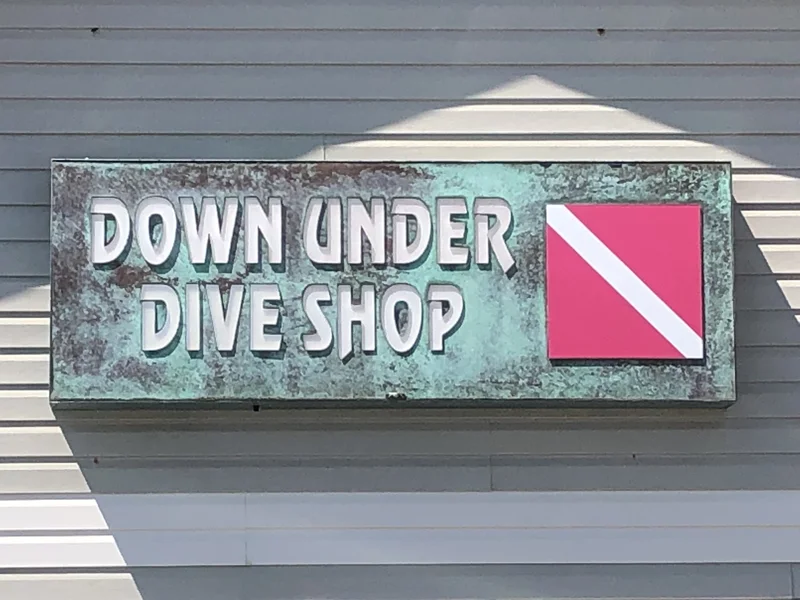
Today: 10:00 - 18:00
Nearest Airports
Nearest airports to help plan travel to this dive area.
Search Flights
Check available flights and routes on Expedia, using the nearby airports listed in this section.
Search Flights on Expedia
Plan Your Stay
Looking for a place to stay for your dive trip? Explore hotels, stays, and vacation rentals for dive groups near Gulf Breeze.
Dive Navigator may earn a commission from these links at no extra cost to you.
Frequently Asked Questions
What is the maximum depth at Culverts?
Culverts has a maximum depth of 5 m (18 ft), making it an ideal site for Open Water certified divers and those focusing on skill development in shallower waters.
Is Culverts an altitude dive?
Yes, the site is located within Sand Hollow State Park at an elevation of over 3000 ft (914 m). This means divers must follow specific altitude diving procedures.
What kind of structures are underwater at Culverts?
Underwater, you'll find a buoyancy course made from huge drainage culverts, along with other artificial reefs like a twin-engine Cessna and a VW pop-up camper van.
What certification level is recommended for Culverts?
Open Water certification is sufficient for diving Culverts. However, courses like PADI Altitude Diver and PADI Peak Performance Buoyancy are highly beneficial given the site's characteristics.
What are the typical surface air temperatures for diving?
During peak diving season from May to September, average air temperatures range from 24.5°C (76°F) to 29°C (84°F). This provides comfortable conditions for surface activities.
Are there any fees to dive at Sand Hollow Reservoir?
Yes, since the dive site is part of Sand Hollow State Park, a day-use fee per vehicle is usually required. A dive shack on the premises offers air fills and gear, typically operating on weekends.
What type of marine life can I expect to see?
As a freshwater lake, the marine life here consists of smaller freshwater fish species. These creatures often utilize the artificial culverts and structures for shelter and foraging, offering opportunities for close observation rather than large pelagic encounters.
Planning to dive Culverts?
Send one inquiry and receive offers directly from the best verified local dive operators.
Conditions are Good
Optimal conditions expected
Current conditions near Culverts show 29° air, 30° sea temperature, 0.5 m waves, and 20 km/h wind. Forecast data is refreshed regularly to ensure accuracy.