
Diving at Dunedin Reef Site D (United States)
While shore diving options are scarce around Dunedin, exploring its offshore boat-accessed reefs, such as Site D, reveals an accessible underwater landscape. These sites offer a contrast to the widely reported lack of convenient shore entry points along the Pinellas County coastline. Divers primarily reach these Gulf of Mexico locations by charter, providing access to diverse submerged structures.
Tonight's objective overview for Dunedin Reef Site D shows an air temperature of 25.5°C. The measured surface conditions include wave heights around 0.3 m. This environmental data is logged for the close of the day.
Dive Site Location & Key Facts
Dive Site Overview
The underwater topography characterizing Dunedin Reef Site D, typical of many local offshore locations in Pinellas County, primarily features shallow ledges and natural rock formations. Depths for these types of reefs generally range from 3 to 6 meters (10 to 20 ft), making them largely suitable for various experience levels, especially recreational divers seeking shallower explorations.
Divers here will navigate around these lower profile structures, which offer a different experience compared to the deeper wrecks found further offshore. Beyond these consistently shallow sections, more intricate structures, including potential artificial reefs or natural hardbottoms, might be present at Site D, though specific details for this location are not consistently reported.
Its environment is directly influenced by Gulf currents and weather patterns, which dictates particulate matter in the water and contributes to variable visibility. Expect conditions to shift throughout the year, impacting how the reef structures appear and are approached by divers, from calmer, clearer days to more dynamic periods that test navigational skills.
This combination of accessible depths and natural formations defines much of the area's inshore reef diving character.
Conditions are Good
Optimal conditions expected
Current conditions near Dunedin Reef Site D show 25° air, 30° sea temperature, 0.2 m waves, and 23 km/h wind. Forecast data is refreshed regularly to ensure accuracy.
Best Time to Dive
Contrasting the cooler winter months, the optimal period for diving in the Dunedin area, including sites like Reef Site D, generally extends from late spring through early fall. July stands out with an 'Excellent' dive score, largely due to air temperatures averaging around 28°C (82°F) and lower wave heights, which make for comfortable boat rides and surface intervals. During this time, rainfall typically peaks at 5.89 mm, but showers are often brief and don't usually hinder diving for extended periods. Many months from May to September consistently boast 'Good' dive scores, benefiting from average air temperatures ranging from 26°C to 28°C (79-82°F) and more favorable surface conditions. November also offers notably low rainfall at 0.71 mm, presenting another viable window for calm dives, despite cooler average air temperatures of 20°C (68°F). These periods collectively provide the most reliable conditions for exploring the local reefs.
PEAK SEASON SCORE
Scores combine air & water temps, waves, wind & rainfall for overall conditions.
BEST MONTHS TO DIVE
Monthly records compiled from satellite and marine observation nodes over the last 3 years. Data provided by Open-Meteo and MET Norway.
Dive Experience & Conditions
Entering the water for a dive at sites like Dunedin Reef Site D typically requires boat access, given the widely reported limited shore entry opportunities in the region. Divers should prepare for varying conditions; visibility at this site, as observed across the broader Dunedin and Tampa Bay area, shifts significantly depending on recent weather events and prevailing Gulf currents. You'll often encounter clarity ranging from moderate to limited, making close observation skills useful. While strong, consistent currents are not consistently reported as a primary feature for all local reefs, certain conditions or specific structures might introduce moderate drifts. These currents, when present, can offer a dynamic dive experience and affect navigation, so being prepared for some movement is always advisable. The shallow nature of these reefs generally keeps bottom times generous.
Dive Difficulty & Safety Guidelines
Navigating the waters near Dunedin, including during dives at Reef Site D, necessitates awareness of local conditions. Divers sometimes report periods where larger marine species, including sharks, are more prevalent, particularly when visibility is lower.
Prudent diving practices include maintaining situational awareness and staying close to a buddy, especially in conditions of reduced clarity. Due to the influence of weather and currents on water clarity and site accessibility, monitoring local forecasts before planning a dive is important.
While specific hazards for Dunedin Reef Site D aren't detailed, divers should be prepared for variable currents and potential encounters with local marine life. Always consult with local dive operators for the most current site conditions and any temporary advisories. Responsible diving helps preserve these fragile environments.
Recommended Equipment
- Dive Computer
This gear list is based on verified equipment signals for Dunedin Reef Site D, United States. Always confirm final gear choices with your dive operator, guide, or liveaboard.
Recommended Dive Suit
According to recent observations, water temperatures near Dunedin Reef Site D are approximately 30°C (87°F). Surface air temperatures are resting at 25°C (78°F).
The upcoming forecast points to generally steady conditions in the area.
Divers who prefer moderate insulation typically choose dive skin or rash guard in similar environments. Many experienced divers adjust their exposure protection depending on the type of dive planned.
Emergency & Medical Support
Essential information to help you plan your dive trip to Dunedin Reef Site D.

Hyperbaric chambers are a critical part of dive safety infrastructure. Availability varies significantly by region, and not all dive areas have immediate access.
Before diving, it's recommended to:
- confirm nearest medical facilities
- check emergency procedures with local dive operators
- ensure dive insurance covers evacuation if required
Divers Alert Network
Diving emergency assistance available through DAN World.
+1-919-684-9111- 24/7 emergency hotline
- Diving medical assistance
- Evacuation coordination
Emergency contacts are provided for reference. Always verify local emergency services before diving.
Marine Life at Dunedin Reef Site D
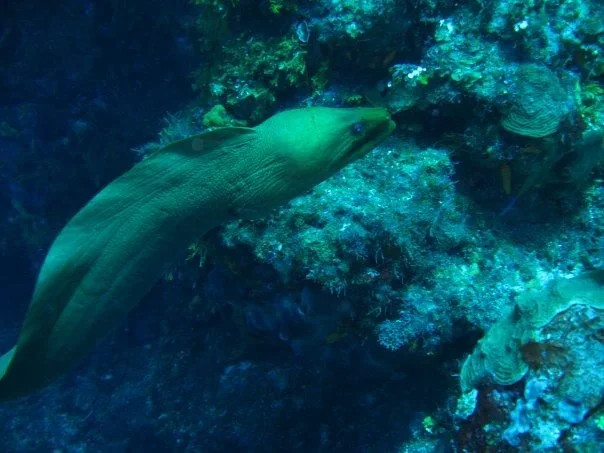
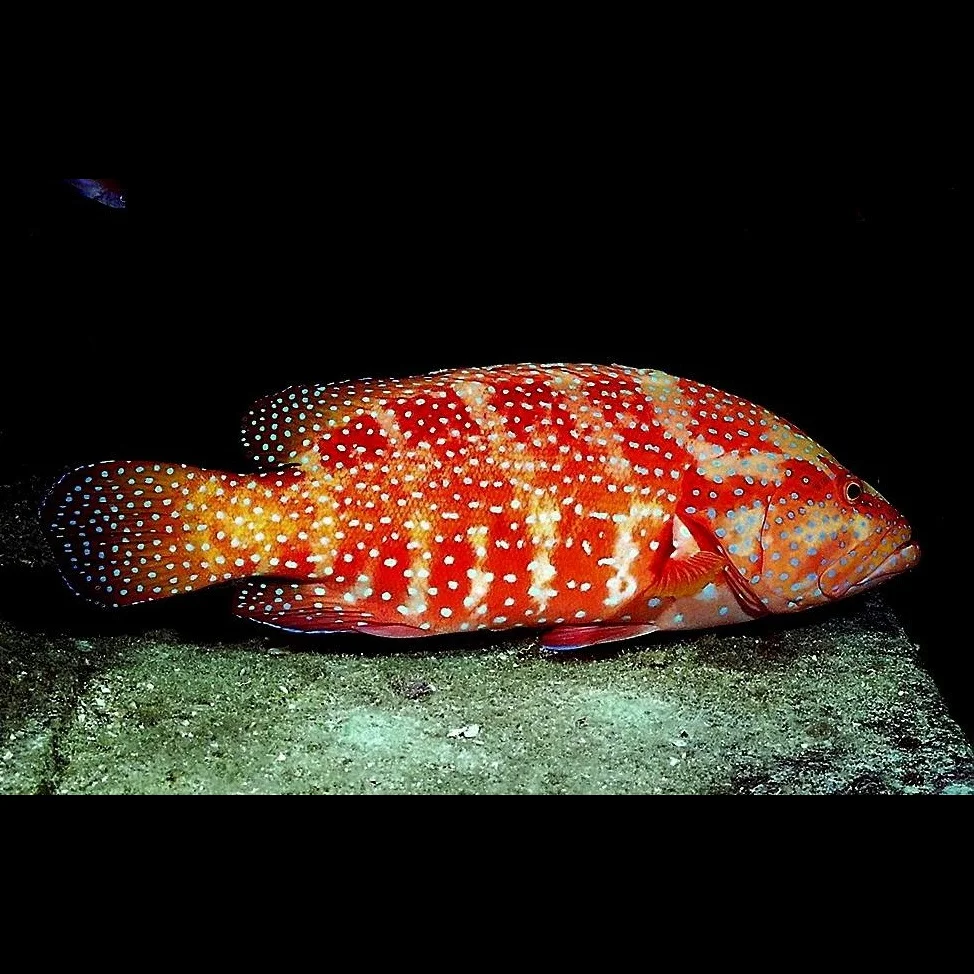
Upon descending at Dunedin Reef Site D, divers can expect to observe various fish species common to Florida's Gulf Coast reefs. While specific detailed marine life reports for this exact site are limited, local reefs and ledges generally host schools of fish, along with occasional encounters with species such as grouper and moray eels, which utilize the crevices and structures for habitat.
Look for fish congregating around any prominent ledges or small reef patches, often indicating a focal point for activity. The overall biodiversity here reflects typical Gulf of Mexico reef environments.
Dive Centers Near Dunedin Reef Site D
Today: 11:00 - 19:00
Nearest Airports
Nearest airports to help plan travel to this dive area.
Search Flights
Check available flights and routes on Expedia, using the nearby airports listed in this section.
Search Flights on Expedia
Plan Your Stay
Looking for a place to stay for your dive trip? Explore hotels, stays, and vacation rentals for dive groups near Dunedin.
Dive Navigator may earn a commission from these links at no extra cost to you.
Frequently Asked Questions
Are there shore diving opportunities at Dunedin Reef Site D?
Shore diving at Dunedin Reef Site D is not typical. Divers in the Dunedin area generally find shore entry sites to be limited or not recommended due to factors like low visibility and potential hazards. Most preferred dive sites, including reefs and wrecks, require boat access.
What are the typical depths for diving at Dunedin Reef Site D?
Dunedin Reef Site D, like many reefs in Pinellas County, generally features shallow depths. Divers can anticipate a range typically from 3 to 6 meters (10 to 20 ft). Deeper sections or structures might exist but are not consistently reported for this specific site.
What is the usual visibility at Dunedin Reef Site D?
Visibility at Dunedin Reef Site D can be quite variable, influenced by weather patterns and local currents. Divers should prepare for conditions that range from moderate to lower clarity, as is common for many sites in the Tampa Bay and Gulf Coast region.
Are there any specific marine life highlights to expect?
While site-specific data for Dunedin Reef Site D is limited, the general area's reefs host various Florida fish species. Divers might observe schools of fish, and occasionally grouper or moray eels utilizing the reef's ledges and crevices. The area supports typical Gulf of Mexico reef biodiversity.
Is Dunedin Reef Site D suitable for beginners?
Given its typical shallow depths of 3 to 6 meters (10 to 20 ft), Dunedin Reef Site D can be suitable for recreational divers. However, variable visibility and potential currents mean that newer divers should exercise caution and ideally dive with experienced guides or instructors familiar with local conditions.
How do currents typically behave at this site?
Current conditions at Dunedin Reef Site D are influenced by Gulf waters and can vary. While consistent strong currents aren't a defining feature for all local reefs, divers might experience moderate drifts depending on tides and recent weather. Local dive operators can provide current forecasts.
Planning to dive Dunedin Reef Site D?
Send one inquiry and receive offers directly from the best verified local dive operators.
Conditions are Good
Optimal conditions expected
Current conditions near Dunedin Reef Site D show 25° air, 30° sea temperature, 0.2 m waves, and 23 km/h wind. Forecast data is refreshed regularly to ensure accuracy.