
Diving at Dunedin Reef Site E (United States)
Successfully navigating Dunedin Reef Site E calls for an appreciation of artificial reef environments and their unique structure. Divers will discover a site designed with purpose, comprising distinct northern and southern sections that demand keen observation. Exploring its depths involves maneuvering through concrete culverts and pyramids, making a dive light an essential tool to fully experience the habitat. This location offers a different kind of underwater exploration, inviting divers to engage with man-made structures that attract marine life.
Early observations for Dunedin Reef Site E report a surface air temperature of 28°C. The water surface is currently presenting wave heights of 0.5 m. Consider these environmental metrics before beginning your descent.
Dive Site Location & Key Facts
Dive Site Overview
Dunedin Reef Site E presents an artificial reef purposefully constructed to foster marine ecosystems, providing a rewarding experience for those exploring Florida's Gulf Coast. Divers will find numerous concrete culverts and pilings in the northern section, creating intricate spaces to explore.
These structures are not merely static elements; they attract and shelter a variety of smaller reef fish. Moving southward, the underwater landscape shifts to distinct concrete pyramids, each featuring holes that serve as vital hiding spots for various smaller fish species and juvenile marine life. This site maintains a consistent maximum depth of approximately 9 m (30 ft), making it quite accessible for a range of certified divers, from open water to advanced.
A dive light greatly enhances the experience here, allowing for detailed inspection of the structures' interiors and the cryptic life within them, often revealing creatures camouflaged in the shadows. It's a dive that encourages careful observation, revealing how these man-made additions quickly become vibrant havens for local aquatic populations.
Visibility can vary, influenced by local weather patterns and sediment runoff, but typically allows for good exploration of the reef's well-defined features on most dive days. Divers should expect conditions that make for relaxed exploration rather than challenging currents.
Conditions are Good
Optimal conditions expected
Current conditions near Dunedin Reef Site E show 28° air, 31° sea temperature, 0.3 m waves, and 28 km/h wind. Forecast data is refreshed regularly to ensure accuracy.
Best Time to Dive
Optimizing visibility for a dive at Dunedin Reef Site E often means considering the calmer conditions typically found outside the peak rainy season. July generally presents the most favorable conditions, marked by lower wave heights averaging around 0.4 m (1.3 ft) and lighter winds, enhancing underwater clarity. Air temperatures during this month average 28°C (82°F), contributing to comfortable surface conditions. While specific water temperature data isn't consistently reported for this exact site, it generally aligns with regional averages for Florida's Gulf waters, warming considerably during summer months. Conversely, the cooler air temperatures in January, averaging 14.5°C (58°F), may coincide with higher wave activity, potentially impacting visibility. The months from May through September see increased rainfall, with August recording the highest average at 6.88 mm, which could temporarily reduce visibility after significant downpours.
PEAK SEASON SCORE
Scores combine air & water temps, waves, wind & rainfall for overall conditions.
BEST MONTHS TO DIVE
Monthly records compiled from satellite and marine observation nodes over the last 3 years. Data provided by Open-Meteo and MET Norway.
Dive Experience & Conditions
Exploring Dunedin Reef Site E immediately immerses divers in a structured environment offering varied points of interest. Northern areas present a series of concrete culverts and pilings, forming an intricate labyrinth begging for thorough exploration. Progressing southward reveals distinctive concrete pyramids, thoughtfully designed with apertures that invite close inspection from curious divers. Dropping to a maximum depth of around 9 m (30 ft) allows for extended bottom time, ideal for leisurely observing resident marine life. Conditions are generally quite manageable given the shallow profile; currents typically remain mild, though localized surges can occur depending on tidal movements and recent weather. Divers usually find navigation straightforward, with the clear distinction between northern and southern structures aiding in orientation. Artificial elements create mini-habitats, offering refuge and feeding grounds for many species.
Dive Difficulty & Safety Guidelines
Approaching Dunedin Reef Site E requires an awareness of its unique construction to ensure a safe and enjoyable dive. While no specific hazards are reported for this site, divers should exercise caution when exploring the concrete culverts and pilings in the northern section, as well as the pyramids in the south. These artificial structures, while stable, present potential entanglement points if divers are not mindful of their buoyancy and proximity.
Carrying a reliable dive light is strongly recommended; it's essential for looking inside the numerous holes and crevices of the pyramids and culverts where smaller marine life often congregates. Maintaining good buoyancy control is paramount to avoid disturbing the reef or accidentally contacting the structures.
Always dive within your certification limits and plan your dive to account for the maximum depth of 9 m (30 ft), ensuring adequate bottom time and a safe ascent.
Recommended Equipment
- Dive Computer
This gear list is based on verified equipment signals for Dunedin Reef Site E, United States. Always confirm final gear choices with your dive operator, guide, or liveaboard.
Recommended Dive Suit
Divers who spend more time observing marine life often prefer slightly warmer gear.
Environmental readings suggest that the waters surrounding Dunedin Reef Site E are about 31°C (87°F) at the moment. Surface air temperatures are resting at 28°C (82°F). Water temperatures in this range are often well suited to diving with dive skin or rash guard. Consider warmer surface protection (like a boat coat) due to brisk winds.
Weather models indicate a small drop in surface temperatures later this week. Cooler days are ahead; you might want a warmer option for later in the week. A thicker wetsuit may be worth considering for extended dives.
Due to technical issues with our weather providers, live updates are temporarily delayed. The data above reflects the conditions at the time of the last successful fetch.
Emergency & Medical Support
Essential information to help you plan your dive trip to Dunedin Reef Site E.

Hyperbaric chambers are a critical part of dive safety infrastructure. Availability varies significantly by region, and not all dive areas have immediate access.
Before diving, it's recommended to:
- confirm nearest medical facilities
- check emergency procedures with local dive operators
- ensure dive insurance covers evacuation if required
Divers Alert Network
Diving emergency assistance available through DAN World.
+1-919-684-9111- 24/7 emergency hotline
- Diving medical assistance
- Evacuation coordination
Emergency contacts are provided for reference. Always verify local emergency services before diving.
Marine Life at Dunedin Reef Site E
Dunedin Reef Site E serves as a productive artificial habitat, attracting a notable population of smaller fish. These numerous concrete culverts, pilings, and pyramids with holes provide ample shelter and foraging opportunities.
Divers can expect to observe a variety of juvenile fish species, which utilize the reef's crevices for protection from predators. The structured nature of the site creates diverse micro-habitats, supporting a local ecosystem where smaller aquatic life can thrive.
While larger pelagic species are less common here, the sheer quantity of smaller, reef-dwelling fish makes for engaging observation.
Dive Centers Near Dunedin Reef Site E
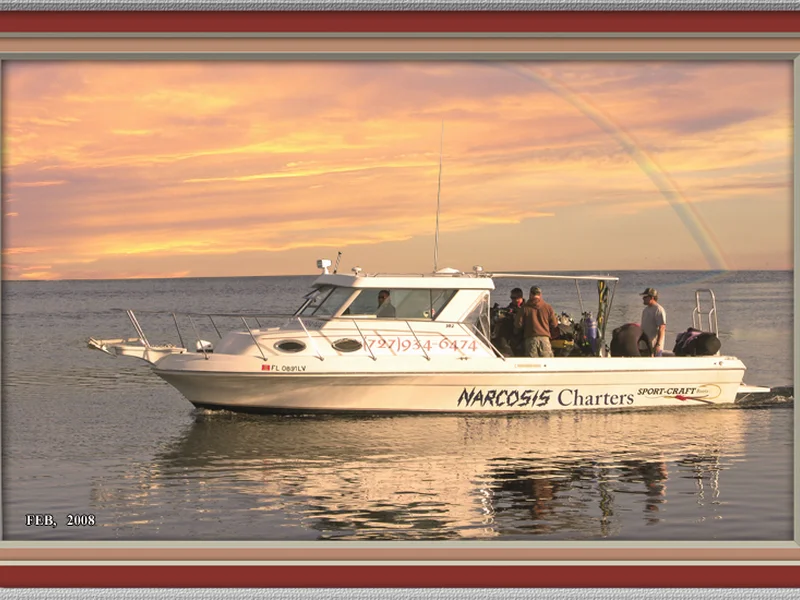
Today: 10:00 - 17:00
Nearest Airports
Nearest airports to help plan travel to this dive area.
Search Flights
Check available flights and routes on Expedia, using the nearby airports listed in this section.
Search Flights on Expedia
Plan Your Stay
Looking for a place to stay for your dive trip? Explore hotels, stays, and vacation rentals for dive groups near Dunedin.
Dive Navigator may earn a commission from these links at no extra cost to you.
Frequently Asked Questions
What is the maximum depth at Dunedin Reef Site E?
The dive site is quite shallow, with a consistent maximum depth of approximately 9 m (30 ft). This makes it suitable for divers of various experience levels, allowing for extended bottom times.
What types of structures can be found on Dunedin Reef Site E?
The northern section features concrete culverts and pilings, while the southern part of the reef is characterized by concrete pyramids equipped with holes. These structures collectively form an artificial reef designed to attract marine life.
Is a dive light necessary for this site?
Yes, a dive light is highly recommended. It will allow you to properly explore inside the concrete culverts and the holes within the pyramids, where many smaller fish often hide.
When is the best time to dive Dunedin Reef Site E?
July generally offers the best diving conditions, with lower wave heights and lighter winds contributing to better visibility. While conditions can be good year-round, increased rainfall in summer months could occasionally impact visibility.
Is Dunedin Reef Site E suitable for beginner divers?
Given its shallow depth of 9 m (30 ft) and generally mild conditions, Dunedin Reef Site E is well-suited for beginners and divers looking for a relaxed experience. Good buoyancy control is always beneficial, especially around the structures.
What kind of marine life can I expect to see?
The reef is home to a lot of smaller fish, which use the culverts and pyramids for shelter. While specific species aren't consistently reported, the structures provide a habitat for various juvenile and reef-dwelling fish populations.
Are there strong currents at Dunedin Reef Site E?
Currents at this shallow reef are typically mild, but can vary with tidal changes. Divers should always be aware of local conditions and plan accordingly, though significant strong currents are not a dominant feature.
Planning to dive Dunedin Reef Site E?
Send one inquiry and receive offers directly from the best verified local dive operators.
Conditions are Good
Optimal conditions expected
Current conditions near Dunedin Reef Site E show 28° air, 31° sea temperature, 0.3 m waves, and 28 km/h wind. Forecast data is refreshed regularly to ensure accuracy.