
Diving at Elizabeth Park, Trenton Channel (United States)
Diving Elizabeth Park in the Trenton Channel presents freshwater challenges distinct from typical open-water sites. This advanced location is characterized by limited visibility and notable currents, demanding specific skills and equipment. Positioned within a busy waterway, it serves as a site for divers interested in historical artifacts and environmental cleanup within a freshwater setting. Depths are generally shallow, not exceeding 2 meters (9 feet).
As evening covers Elizabeth Park, Trenton Channel, the local air temperature is measured at 16.5°C. The current wave height at the surface is recorded at 0.3 m. These late-day readings characterize the surface conditions for the night.
Dive Site Location & Key Facts
Dive Site Overview
This site in the Trenton Channel provides a freshwater diving experience, moving beyond conventional reef or wreck exploration. It's a dive primarily characterized by a muck bottom and often features drift diving conditions.
The primary draw for many divers isn't vibrant marine life, but rather the opportunity to engage with history by searching for old bottles and participating in underwater cleanup efforts in this waterway, which has supported transportation for centuries. Navigating this environment often means encountering limited visibility and strong currents, which are significant factors requiring advanced preparation and training. With a maximum depth of approximately 2 meters (9 feet), it remains within recreational limits, yet its challenging conditions elevate it to an advanced skill level.
Visibility patterns here are notable; conditions are often poor during the warmer summer months but tend to improve significantly in winter.
Conditions are Good
Optimal conditions expected
Current conditions near Elizabeth Park, Trenton Channel show 17° air, --° sea temperature, 0.6 m waves, and 25 km/h wind. Forecast data is refreshed regularly to ensure accuracy.
Best Time to Dive
Planning a dive at Elizabeth Park requires balancing seasonal conditions with specific underwater visibility goals. While average air temperatures are considerably warmer from May through September, ranging from 15.5°C (60°F) to 23.5°C (74°F), the underwater visibility during these months is generally reported as poor. For divers prioritizing clearer conditions, the colder winter months are often recommended, despite the significantly lower air temperatures, sometimes dropping to -5°C (41°F) in January. Rain averages across the year are relatively consistent, usually below 4 mm (0.16 inches) per month, which generally doesn't dramatically impact seasonal diving decisions more than temperature and current. Dive scores for the area indicate good to excellent conditions from May to September, primarily considering surface conditions and ease of access, but divers should remember the trade-off regarding underwater clarity.
PEAK SEASON SCORE
Scores combine air & water temps, waves, wind & rainfall for overall conditions.
BEST MONTHS TO DIVE
Monthly records compiled from satellite and marine observation nodes over the last 3 years. Data provided by Open-Meteo and MET Norway.
Dive Experience & Conditions
Accessing the diving locale at Elizabeth Park is typically a shore entry, providing direct access to the freshwater environment. Once submerged, divers will find themselves in a freshwater system, often characterized by a silty, or 'muck,' bottom. Navigating these waters requires a keen awareness of the current, which can be strong and variable, turning many dives into drift experiences. Visibility here is not consistently reported as high; it's frequently limited, demanding excellent buoyancy control and navigation skills. The site's shallow nature, reaching a maximum depth of 2 meters (9 feet), means bottom time isn't restricted by depth, but rather by current and thermal considerations. Divers should be comfortable with adverse visibility and current before attempting this site.
Dive Difficulty & Safety Guidelines
This location is unequivocally considered an advanced dive site due to specific environmental challenges and potential underwater hazards. Strong currents are a consistent factor, necessitating advanced planning for entry, exit, and dive trajectory.
Limited underwater visibility often compounds these challenges, making navigation and buddy communication paramount. Given the characteristics of diving in this flow-through environment, specialized training, such as a PADI River Diver Distinctive Specialty, is not merely suggested but is highly recommended for adequate preparation.
Divers must be self-sufficient and capable of handling unexpected changes in conditions, carrying appropriate safety equipment, including a dive flag and knife.
Recommended Equipment
- Dive Computer
- Hard-soled Dive Boots
- Pointer / Muck Stick
This gear list is based on verified equipment signals for Elizabeth Park, Trenton Channel, United States. Always confirm final gear choices with your dive operator, guide, or liveaboard.
Recommended Dive Suit
Based on regional estimates and current weather, the likely required exposure protection is a 5mm or thicker wetsuit. Note that local currents and upwellings can alter this. A hood or vest is suggested for sensitive divers due to surface winds. A thermal robe or jacket is recommended between dives. Because recent water temperature readings are not available for Elizabeth Park, Trenton Channel, the guidance below is based mainly on current air conditions and seasonal expectations. Current surface air temperatures are roughly 17°C (62°F).
Longer-range forecasts show some uncertainty in upcoming temperature trends.
A diver's personal tolerance to cold water can play a large role in suit selection.
Emergency & Medical Support
Essential information to help you plan your dive trip to Elizabeth Park, Trenton Channel.

Hyperbaric chambers are a critical part of dive safety infrastructure. Availability varies significantly by region, and not all dive areas have immediate access.
Before diving, it's recommended to:
- confirm nearest medical facilities
- check emergency procedures with local dive operators
- ensure dive insurance covers evacuation if required
Divers Alert Network
Diving emergency assistance available through DAN World.
+1-919-684-9111- 24/7 emergency hotline
- Diving medical assistance
- Evacuation coordination
Emergency contacts are provided for reference. Always verify local emergency services before diving.
Marine Life at Elizabeth Park, Trenton Channel
The underwater landscape of this locale primarily draws attention to its historical significance and the intriguing artifacts divers can discover, rather than a rich display of marine megafauna. Specific sightings of large or exotic marine life are not consistently reported for this freshwater aquatic environment.
Instead, the focus shifts to unearthing old bottles and actively participating in trash cleanup, contributing to the preservation of this waterway's history and ecosystem. This dive allows divers to immerse themselves in a different kind of underwater exploration, one centered on discovery and environmental stewardship.
Dive Centers Near Elizabeth Park, Trenton Channel
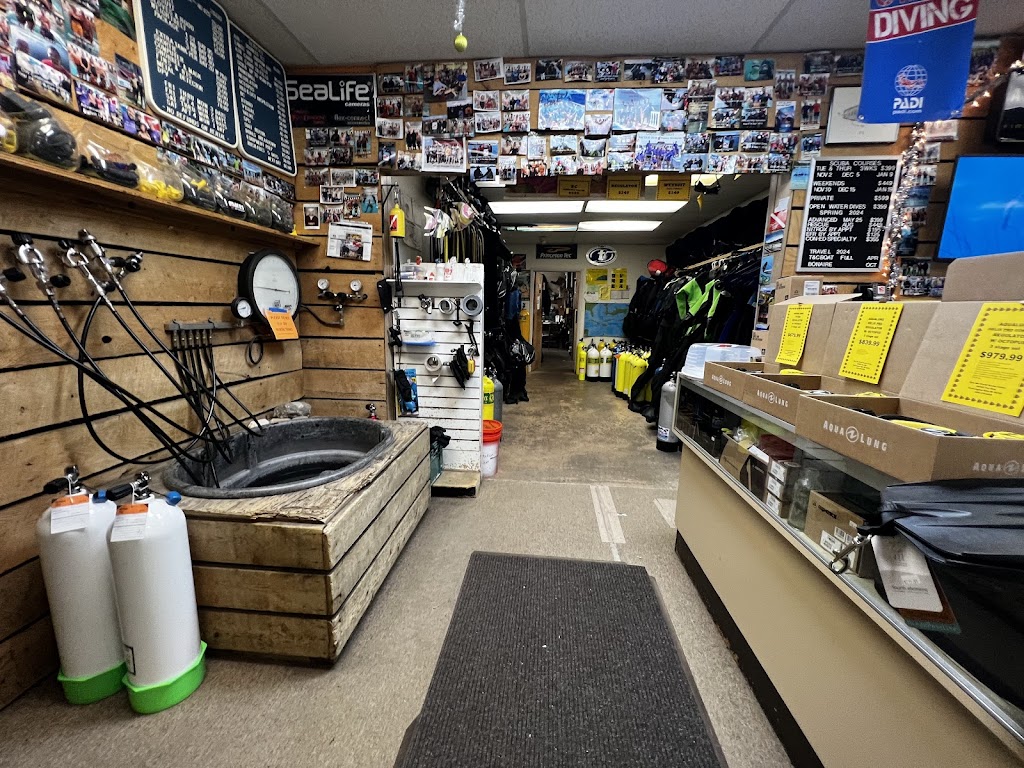
Nearest Airports
Nearest airports to help plan travel to this dive area.
Search Flights
Check available flights and routes on Expedia, using the nearby airports listed in this section.
Search Flights on Expedia
Plan Your Stay
Looking for a place to stay for your dive trip? Explore hotels, stays, and vacation rentals for dive groups near Trenton.
Dive Navigator may earn a commission from these links at no extra cost to you.
Frequently Asked Questions
What dive training is recommended for Elizabeth Park?
A PADI Advanced Open Water Diver certification is useful. Additionally, a PADI River Diver Distinctive Specialty is strongly recommended, as it prepares divers for the challenges of diving in this current-fed environment.
What are the primary hazards divers face at this site?
Divers should be prepared for limited visibility, strong currents, and general underwater hazards. These conditions require advanced diving skills and careful planning to mitigate risks effectively.
What kind of objects might I find during a dive?
The main attraction is the historical aspect, where divers often find old bottles and other artifacts. It's also an excellent site for participating in underwater cleanup efforts.
Is Elizabeth Park suitable for beginner divers?
No, this is definitely an advanced dive site. The combination of limited visibility, strong currents, and potential underwater hazards makes it unsuitable for inexperienced divers.
What is the maximum depth at Elizabeth Park?
The maximum depth recorded for this site is approximately 2 meters (9 feet), making it a very shallow dive.
When is visibility generally better at this dive site?
Visibility at this dive site tends to be better during the colder winter months. In contrast, the warmer summer months typically bring poorer underwater clarity.
What type of water is found here?
Elizabeth Park is a freshwater dive site, distinct from saltwater environments.
Planning to dive Elizabeth Park, Trenton Channel?
Send one inquiry and receive offers directly from the best verified local dive operators.
Conditions are Good
Optimal conditions expected
Current conditions near Elizabeth Park, Trenton Channel show 17° air, --° sea temperature, 0.6 m waves, and 25 km/h wind. Forecast data is refreshed regularly to ensure accuracy.