
Diving at Fall River (1932) (United States)
Currents around the Fall River site can vary, influenced by regional weather patterns and tidal flows common to New England waters. Divers should anticipate conditions that fluctuate, requiring careful attention to local forecasts. While direct current data for the site isn't consistently reported, wind speeds ranging from 28.6 to 40.5 km/h (17.8 to 25.2 mph) across the year suggest potential for surface chop and underlying water movement, particularly during less favorable seasons.
Tonight's objective overview for Fall River (1932) shows an air temperature of 24°C. The measured surface conditions include wave heights around 0.7 m. This environmental data is logged for the close of the day.
Dive Site Location & Key Facts
Dive Site Overview
Exploring this historical Fall River site, dating back to 1932, places divers directly into a tangible piece of maritime history. While specific structural details are not fully documented, the nature of wreck exploration here involves navigating the artificial reef formed by a sunken vessel or structure.
Divers will interact with the remnants of a bygone era, observing how these submerged materials have been reclaimed by the local marine ecosystem over decades. The experience transcends a simple dive; it's an archaeological engagement beneath the surface. For recreational divers, approaching these environments means adhering to established wreck diving procedures, focusing on safety, good buoyancy control, and respecting the site's integrity.
Such dives often engage divers with a sense of discovery, as they trace the contours of the wreck, seeking out the nooks and crannies where life congregates. Even without extensive penetration, the exterior offers ample opportunities for observation and photography, requiring careful planning and execution for a rewarding experience.
Conditions are Moderate
Optimal conditions expected
Current conditions near Fall River (1932) show 24° air, 24° sea temperature, 1.2 m waves, and 37 km/h wind. Forecast data is refreshed regularly to ensure accuracy.
Best Time to Dive
Assessing the seasonal conditions indicates July is generally the most favorable period for diving at Fall River. Air temperatures during July average around 24°C (75°F), offering comfortable surface conditions before and after dives. While rainfall is always a factor, July reports approximately 2.35 mm (0.09 inches), which is among the lower monthly averages, potentially contributing to better visibility. Wave heights are also at their lowest in July, averaging about 1.1 meters (3.6 feet). Conversely, months like January, February, and March show significantly colder air temperatures, higher wave action, and increased wind speeds, making them less ideal for diving activities.
PEAK SEASON SCORE
Scores combine air & water temps, waves, wind & rainfall for overall conditions.
BEST MONTHS TO DIVE
Monthly records compiled from satellite and marine observation nodes over the last 3 years. Data provided by Open-Meteo and MET Norway.
Dive Experience & Conditions
Engaging with the Fall River site presents conditions typical of temperate wreck diving. Water temperatures are not consistently reported for this specific site, but typically vary greatly with the season in New England waters, suggesting colder conditions outside of peak summer months. Maximum depths for wreck sites often extend into recreational dive limits, potentially reaching 30 meters (100 ft) or more in some sections, although specific site dimensions are not detailed. Visibility can fluctuate widely based on recent weather, currents, and sediment disturbance. Divers should expect conditions to range from moderate to limited visibility, especially in deeper sections or within the structure itself.
Dive Difficulty & Safety Guidelines
Approaching the Fall River site requires divers to possess appropriate training and respect for potential environmental and structural considerations. General wreck diving practices emphasize the importance of good buoyancy control, responsible interaction with the site, and never exceeding training limits. While no specific site hazards are reported for Fall River, divers should be aware of common wreck diving risks such as entanglement from lines or debris, potential overhead environments if penetrating the wreck, and unstable structures.
Divers should carry cutting tools and redundant air sources when exploring these deeper sections. Planning dives within established recreational depth ranges and monitoring dive time and gas supply are crucial for a safe return to the surface.
Recommended Equipment
- Dive Computer
This gear list is based on verified equipment signals for Fall River (1932), United States. Always confirm final gear choices with your dive operator, guide, or liveaboard.
Recommended Dive Suit
The coming days appear slightly cooler according to the latest forecast. Cooler days are ahead; you might want a warmer option for later in the week. Divers planning multiple dives may appreciate having a warmer option available.
Some divers prefer slightly warmer exposure protection simply for additional comfort.
3-5mm wetsuit usually works well for maintaining comfort during standard dive profiles in these conditions. Divers preparing to enter the water at Fall River (1932) will likely find temperatures around 24°C (74°F) today. Surface air temperatures are resting at 24°C (75°F).
Emergency & Medical Support
Essential information to help you plan your dive trip to Fall River (1932).

Hyperbaric chambers are a critical part of dive safety infrastructure. Availability varies significantly by region, and not all dive areas have immediate access.
Before diving, it's recommended to:
- confirm nearest medical facilities
- check emergency procedures with local dive operators
- ensure dive insurance covers evacuation if required
Divers Alert Network
Diving emergency assistance available through DAN World.
+1-919-684-9111- 24/7 emergency hotline
- Diving medical assistance
- Evacuation coordination
Emergency contacts are provided for reference. Always verify local emergency services before diving.
Marine Life at Fall River (1932)
The submerged structure of the Fall River site provides a foundational habitat for local marine inhabitants. While specific species reports are limited, historical wrecks in similar environments often attract a variety of temperate zone fish, crustaceans, and invertebrates.
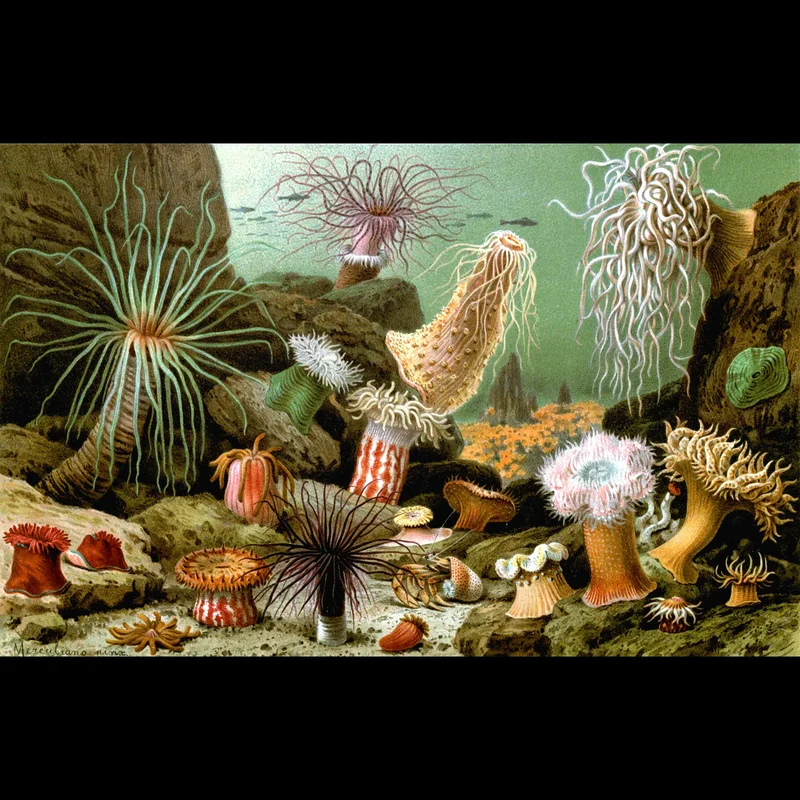
Divers might observe species seeking shelter or foraging amongst the wreck's surfaces. The presence of hard corals, anemones, or various sponge species is common, colonizing the aged metal or wood, slowly integrating the wreck into the surrounding underwater landscape.
Dive Centers Near Fall River (1932)

Nearest Airports
Nearest airports to help plan travel to this dive area.
Search Flights
Check available flights and routes on Expedia, using the nearby airports listed in this section.
Search Flights on Expedia
Plan Your Stay
Looking for a place to stay for your dive trip? Explore hotels, stays, and vacation rentals for dive groups near Brigantine.
Dive Navigator may earn a commission from these links at no extra cost to you.
Frequently Asked Questions
What is the typical depth range for diving at Fall River?
Specific depth details for the Fall River (1932) site are not consistently reported. However, historical wreck sites often fall within recreational diving limits, with shallower sections and deeper areas potentially extending to 30 meters (100 ft) or more.
What kind of dive experience can I expect at a historical wreck site?
Exploring a historical wreck involves navigating the remains of a sunken vessel or structure. This type of dive provides a tangible link to maritime history and allows for observing how marine life colonizes artificial reefs, creating new ecosystems. Divers should expect to encounter structural elements and potentially scattered artifacts, depending on the wreck's integrity.
Is the Fall River site suitable for novice divers?
Due to the inherent complexities of wreck diving, including potential overhead environments, entanglement risks, and variable conditions, the Fall River site is generally more suited for certified advanced open water divers or those with specific wreck diving training. Good buoyancy control and situational awareness are essential.
What is the visibility like at Fall River?
Visibility at temperate wreck sites like Fall River can be highly variable. It depends on factors such as recent weather, currents, and sediment agitation. Divers should be prepared for conditions ranging from moderate to limited visibility, especially when exploring within the wreck's structure.
Are there any specific marine life encounters at Fall River?
While specific marine life data for Fall River isn't detailed, historical wrecks commonly serve as habitats for temperate zone fish, crustaceans, and various invertebrates. Divers may observe bottom dwellers, schooling fish, and encrusting organisms that have colonized the wreck's surfaces.
What are the common hazards associated with wreck diving at this site?
Common hazards for any wreck dive, including Fall River, include potential entanglement in lines or fishing gear, unstable structures, and overhead environments if penetrating the wreck. Divers should always carry appropriate safety equipment, like a cutting tool, and never exceed their training or comfort levels.
Planning to dive Fall River (1932)?
Send one inquiry and receive offers directly from the best verified local dive operators.
Conditions are Moderate
Optimal conditions expected
Current conditions near Fall River (1932) show 24° air, 24° sea temperature, 1.2 m waves, and 37 km/h wind. Forecast data is refreshed regularly to ensure accuracy.