
Diving at FC Site Culverts 1988 (United States)
Navigating FC Site Culverts 1988 requires divers to possess robust skills, especially those related to overhead environments and advanced buoyancy control. This complex structure presents conditions where careful planning and appropriate training are not merely recommended but essential. Experience with limited visibility and intricate underwater layouts helps ensure a safe and successful dive. Divers should approach this location prepared for potentially challenging scenarios, rather than as a casual recreational outing.
Evening condition tracking at FC Site Culverts 1988 features an air temperature of 28°C. We have recorded wave heights measuring 0.7 m during this period. These figures outline the environmental parameters currently present.
Dive Site Location & Key Facts
Dive Site Overview
FC Site Culverts 1988 offers a distinct dive experience for those seeking something beyond typical reef exploration. Comprising a series of man-made conduits, this site forms an artificial environment that has gradually become integrated into the marine ecosystem.
Exploring these submerged passages can present overhead challenges and varying degrees of silting, depending on currents and diver activity. Visibility isn't consistently reported, but often varies from moderate to limited inside. Divers must be proficient in navigation and maintaining contact with their team.
This site's nature suggests depths within recreational and potentially technical ranges, demanding a thorough understanding of dive profiles. Specific marine life details are limited, yet these structures generally attract various fish and invertebrate species seeking shelter.
Planning dives here involves meticulous attention to gas management, lighting, and an emergency plan, underscoring the serious approach needed for such structures. It's a dive that rewards preparedness and technical proficiency.
Conditions are Excellent
07:00 - 14:00
Optimal conditions expected
Current conditions near FC Site Culverts 1988 show 28° air, 29° sea temperature, 0.7 m waves, and 17 km/h wind. Forecast data is refreshed regularly to ensure accuracy.
Best Time to Dive
Planning a dive to FC Site Culverts 1988 is best approached by considering seasonal air temperatures and prevailing weather patterns. Summer months, particularly July and August, tend to provide the most favorable conditions with air temperatures averaging around 27.5°C (82°F) and 27.5°C (82°F) respectively. These months also generally see lower wave heights, averaging 0.7 m (2.3 ft) in July, which can contribute to smoother boat rides and easier entries. Conversely, late fall into winter can present higher wind speeds and increased wave action, potentially impacting dive comfort. While specific water temperature data isn't consistently reported for this site, divers should anticipate cooler conditions outside the peak summer, requiring appropriate thermal protection. Moderate dive scores are common in spring and autumn, with September having higher average wave heights, making summer generally the preferred period for an optimal experience.
PEAK SEASON SCORE
Scores combine air & water temps, waves, wind & rainfall for overall conditions.
BEST MONTHS TO DIVE
Monthly records compiled from satellite and marine observation nodes over the last 3 years. Data provided by Open-Meteo and MET Norway.
Dive Experience & Conditions
Culvert structures themselves create an environment that can present dynamic and varying conditions underwater. Divers exploring FC Site Culverts 1988 should be prepared for potential current flows both around and possibly through the structures, which can affect navigation and exert physical demands. While specific current reports are limited, conditions can shift, necessitating situational awareness. Visibility within the culverts can range significantly; outside, it may be clear, but inside, disturbed silt or sediment can quickly reduce sightlines, sometimes to near zero. A maximum depth for the site isn't explicitly defined, but given the nature of culverts, divers might encounter a range from shallower sections to deeper areas. Water temperature data is not consistently reported for this specific location, but divers should prepare for typical regional variations by wearing suitable exposure protection. This dive isn't just about depth, it's about managing confined spaces and potential visibility challenges.
Dive Difficulty & Safety Guidelines
Mitigating hazards at sites like FC Site Culverts 1988 is paramount, emphasizing the importance of adherence to strict safety protocols. Technical diving, hinted at by "Culverts" and general deep diving practices, means gas management, redundant air sources, and reliable lighting are not negotiable.
Divers venturing into overhead environments must possess appropriate training and certification, such as cavern or cave diving, and never exceed their personal limits or training. Historical records of diving incidents underscore risks like oxygen seizures from inappropriate gas mixes at depth, or disorientation leading to running out of gas in complex structures.
Always dive with a well-briefed buddy team. Following a meticulously planned dive profile, staying connected to a guideline within any overhead penetration, and carrying robust, redundant lighting are fundamental practices.
Regular equipment maintenance and a conservative approach to no-decompression limits are essential for safe diving here.
Recommended Equipment
- Dive Computer
This gear list is based on verified equipment signals for FC Site Culverts 1988, United States. Always confirm final gear choices with your dive operator, guide, or liveaboard.
Recommended Dive Suit
With water temperatures around 29°C (84°F), many divers find a dive skin or rash guard provides comfortable protection.
Being prepared with flexible exposure options is a common approach among experienced divers.
Current forecasts indicate relatively stable conditions for the coming days.
Emergency & Medical Support
Essential information to help you plan your dive trip to FC Site Culverts 1988.

Hyperbaric chambers are a critical part of dive safety infrastructure. Availability varies significantly by region, and not all dive areas have immediate access.
Before diving, it's recommended to:
- confirm nearest medical facilities
- check emergency procedures with local dive operators
- ensure dive insurance covers evacuation if required
Divers Alert Network
Diving emergency assistance available through DAN World.
+1-919-684-9111- 24/7 emergency hotline
- Diving medical assistance
- Evacuation coordination
Emergency contacts are provided for reference. Always verify local emergency services before diving.
Marine Life at FC Site Culverts 1988
The submerged culvert environment at FC Site Culverts 1988 functions as an artificial reef, creating sheltered nooks and crannies for a variety of marine life. While specific species reports are limited for this site, structures like these typically attract crustaceans, smaller fish species, and invertebrates seeking refuge from open water currents.
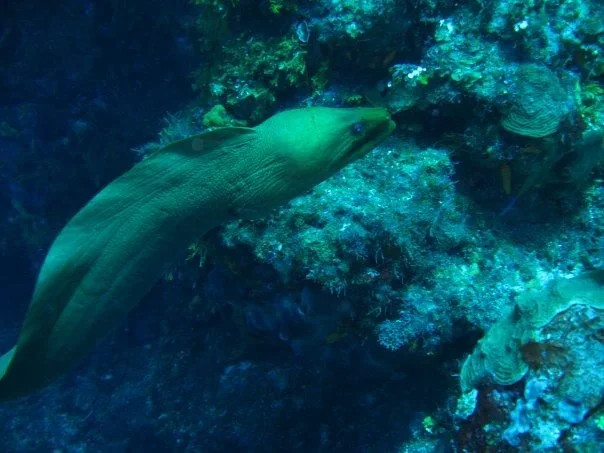
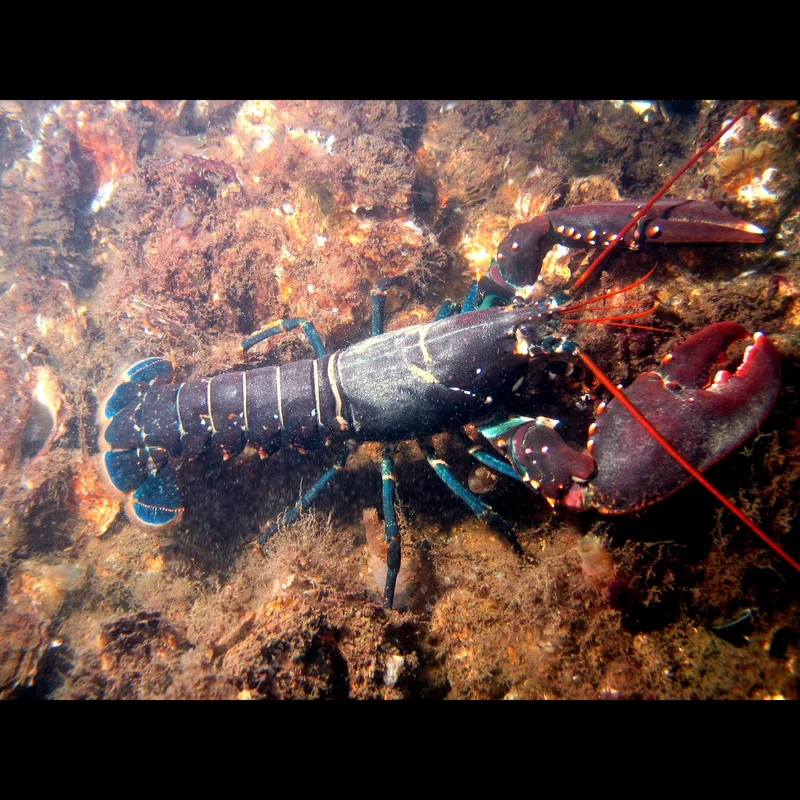
Colorful sponges and soft corals colonize the culvert surfaces, adding texture and habitat. Inside the darker sections, divers may find opportunistic residents like moray eels or lobsters tucked away.
This interaction between the man-made structure and natural colonization creates a unique visual landscape, supporting life where none might otherwise thrive on a flat bottom.
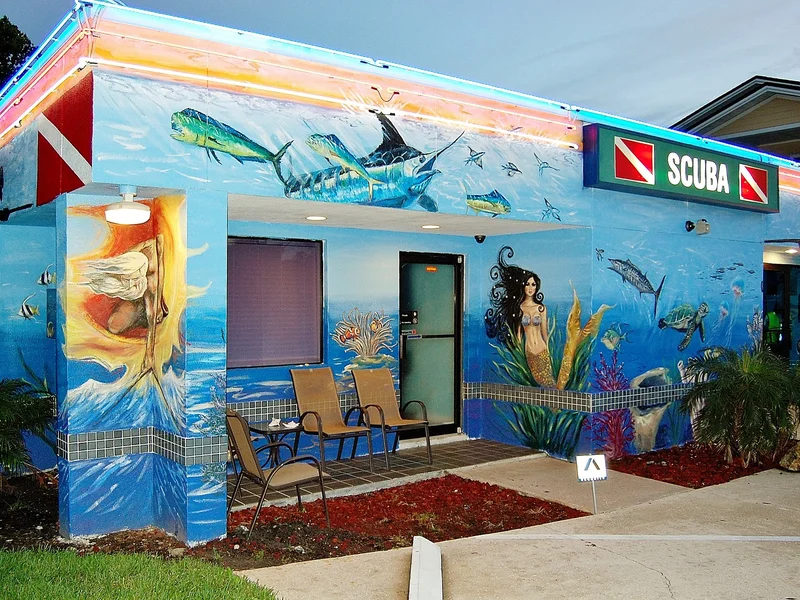
Dive Centers Near FC Site Culverts 1988
Today: 10:00 - 18:30
Nearest Airports
Nearest airports to help plan travel to this dive area.
Search Flights
Check available flights and routes on Expedia, using the nearby airports listed in this section.
Search Flights on ExpediaFrequently Asked Questions
Is FC Site Culverts 1988 suitable for beginners?
No, FC Site Culverts 1988 is not recommended for beginner divers. Its complex structure, potential for overhead environments, and variable visibility demand advanced buoyancy control, navigation skills, and experience in challenging conditions.
What kind of training is recommended for this site?
Divers should have advanced certifications, including specialties like wreck, cavern, or even cave diving, depending on the extent of penetration planned. Training in technical diving and overhead environments is highly beneficial.
What is the typical visibility like at the culverts?
Visibility can be highly variable. While outside the structures it might be moderate, inside the culverts, silt can be easily disturbed, quickly reducing visibility to very low levels.
Are there strong currents at FC Site Culverts 1988?
Currents around and within the culverts can vary and are not consistently reported. Divers should be prepared for potential moderate to strong flows and adjust their dive plan accordingly.
What is the water temperature like?
Specific water temperature data for FC Site Culverts 1988 is not consistently reported. Divers should consult local conditions closer to their dive date and prepare with appropriate thermal protection for regional averages.
Can I explore the culverts without a dive guide?
It's strongly recommended to dive with experienced local guides who are familiar with the specific layout and conditions of FC Site Culverts 1988. Their expertise can greatly enhance safety and the dive experience.
What kind of marine life can I expect to see?
The culverts act as an artificial reef, providing habitat for various fish, crustaceans, sponges, and soft corals. Specific species observed will depend on the time of year and local conditions.
Planning to dive FC Site Culverts 1988?
Send one inquiry and receive offers directly from the best verified local dive operators.
Conditions are Excellent
07:00 - 14:00
Optimal conditions expected
Current conditions near FC Site Culverts 1988 show 28° air, 29° sea temperature, 0.7 m waves, and 17 km/h wind. Forecast data is refreshed regularly to ensure accuracy.