
Diving at Flour Wreck (United States)
Off the coast of Atlantic City, the Almirante, known commonly as the Flour Wreck, rests at a maximum depth of 20 m (65 ft). A substantial freighter, measuring 3,121 tons, is a prominent feature on the seafloor. Its structure includes a discernible cargo area and scattered debris. Artifacts are still present around the wreck site, revealing a large, though damaged, footprint for exploration.
Tonight's objective overview for Flour Wreck shows an air temperature of 24°C. The measured surface conditions include wave heights around 0.6 m. This environmental data is logged for the close of the day.
Dive Site Location & Key Facts
Dive Site Overview
Tracing its origins to 1909, the Almirante, a passenger freighter, suffered a fatal collision with the USS Hisko on September 6, 1918, near Atlantic City. Operated by the United Fruit Company, it earned its popular moniker, the Flour Wreck, from reports of its cargo of flour washing ashore on nearby beaches post-incident.
Despite decades of being wire-dragged and depth-charged, the wreck retains considerable size on the seabed. Resting at 20 m (65 ft), the site allows for extensive exploration within recreational depth limits. Much of its historical contents remain preserved, offering glimpses into its past life.
Divers exploring this site often encounter china, tiles, kerosene lanterns, milk bottles, and various brass components scattered across the wreckage. The integrity of many sections provides numerous nooks for observation, hinting at the vessel's operational history.
Investigating the wreck’s scattered debris field further reveals additional smaller artifacts. Such detailed finds offer a tangible connection to early 20th-century maritime history, making each dive a historical expedition.
Conditions are Good
Optimal conditions expected
Current conditions near Flour Wreck show 24° air, 24° sea temperature, 1.1 m waves, and 37 km/h wind. Forecast data is refreshed regularly to ensure accuracy.
Best Time to Dive
Planning a dive to the Flour Wreck is best during the summer months, particularly July, when conditions are generally more favorable for diving experiences. While water temperatures are not consistently reported for this specific site, air temperatures in July average around 24°C (75°F), with relatively calm surface conditions, indicated by an average wave height of just under one meter and lower wind speeds. Conversely, the cooler months, from October through April, present significantly lower air temperatures, often ranging from 2°C (36°F) to 17°C (62°F), alongside higher wave heights and stronger winds, making diving more challenging. Rain precipitation remains moderate year-round, not typically dictating dive suitability.
PEAK SEASON SCORE
Scores combine air & water temps, waves, wind & rainfall for overall conditions.
BEST MONTHS TO DIVE
Monthly records compiled from satellite and marine observation nodes over the last 3 years. Data provided by Open-Meteo and MET Norway.
Dive Experience & Conditions
Approaching the Flour Wreck, divers will find a substantial structure covering a broad area, inviting extensive exploration. The main body of the wreck lies at a maximum depth of 20 m (65 ft), a comfortable recreational depth. Visibility over the wreck site has significantly improved over time, a positive development seen across many New Jersey wrecks following infrastructure changes in the mid-1980s. Divers can expect clearer water now than in historical accounts, enhancing the experience of locating remaining artifacts like china and brass parts. While currents can vary depending on local tidal movements, conditions are generally manageable for experienced wreck divers familiar with Atlantic coast dynamics.
Dive Difficulty & Safety Guidelines
For those exploring the Flour Wreck, proper planning and attention to safety are paramount on this large, storied site. Divers should be proficient in wreck diving techniques, especially given the potential for strong currents that can prevail in the region. Entanglement hazards such as fishing line and netting are present on some parts of the wreckage, necessitating careful navigation and the carry of appropriate cutting tools.
Due to the wreck's integrity, it's advisable for divers to assess structural stability before attempting any form of penetration, and only those with advanced wreck diving training should consider such endeavors. Always dive with a reliable buddy and maintain situational awareness throughout the dive.
Recommended Equipment
- Dive Computer
This gear list is based on verified equipment signals for Flour Wreck, United States. Always confirm final gear choices with your dive operator, guide, or liveaboard.
Recommended Dive Suit
Comfort levels can also depend on how active a diver is during the dive.
The water around Flour Wreck is currently holding at approximately 24°C (74°F), setting the tone for today's dives. Surface air temperatures are resting at 24°C (75°F). When water temperatures fall within this range, many divers dive comfortably with 3-5mm wetsuit. A hood or vest is suggested for sensitive divers due to surface winds.
A modest cooling trend is expected in the upcoming forecast. Cooler days are ahead; you might want a warmer option for later in the week. A thicker wetsuit may be worth considering for extended dives.
Emergency & Medical Support
Essential information to help you plan your dive trip to Flour Wreck.

Hyperbaric chambers are a critical part of dive safety infrastructure. Availability varies significantly by region, and not all dive areas have immediate access.
Before diving, it's recommended to:
- confirm nearest medical facilities
- check emergency procedures with local dive operators
- ensure dive insurance covers evacuation if required
Divers Alert Network
Diving emergency assistance available through DAN World.
+1-919-684-9111- 24/7 emergency hotline
- Diving medical assistance
- Evacuation coordination
Emergency contacts are provided for reference. Always verify local emergency services before diving.
Marine Life at Flour Wreck
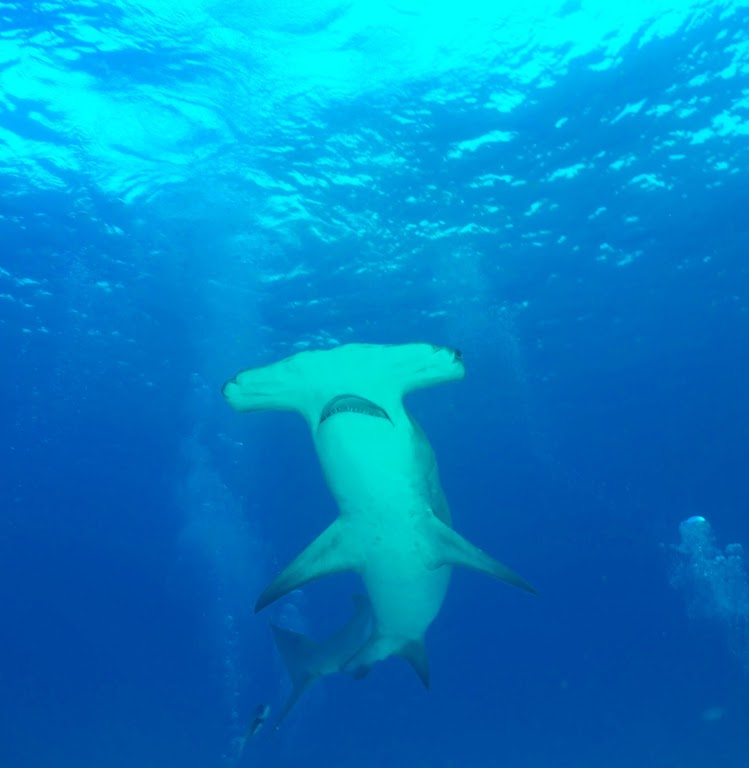
The Flour Wreck provides an artificial reef environment, attracting a healthy abundance of marine life to its structure. While specific species reports vary, divers commonly observe various temperate fish species seeking shelter within the wreck's crevices and along its bulkheads.
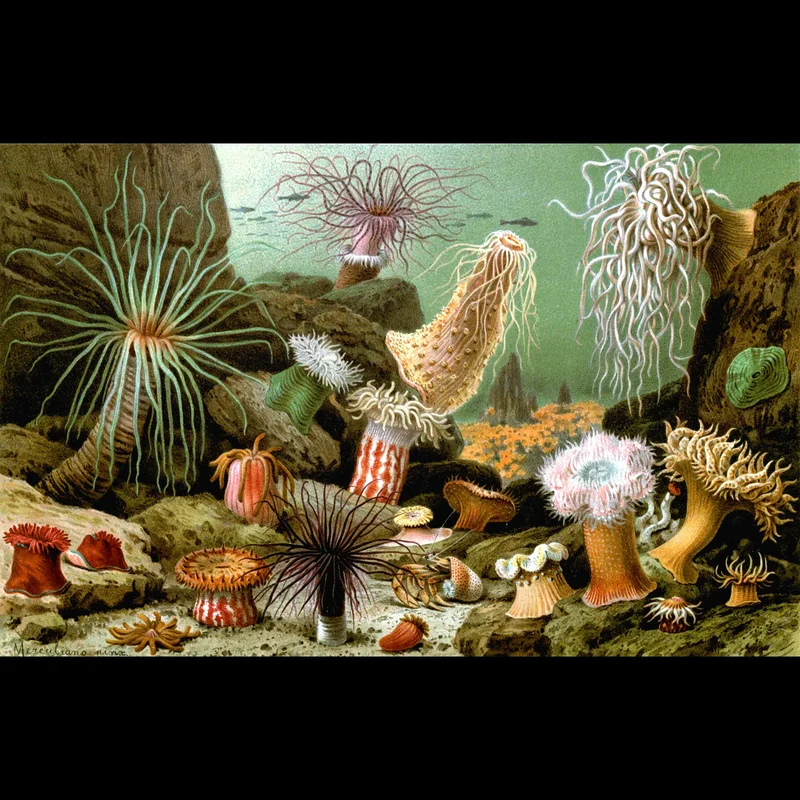
The improved water clarity in the area allows for better viewing of invertebrates colonizing the wreck, such as anemones and sponges. Exploring this site often reveals schooling baitfish, along with the occasional larger predator patrolling the perimeter of the wreck, making for dynamic interactions with the local ecosystem.
Dive Centers Near Flour Wreck
Nearest Airports
Nearest airports to help plan travel to this dive area.
Search Flights
Check available flights and routes on Expedia, using the nearby airports listed in this section.
Search Flights on Expedia
Plan Your Stay
Looking for a place to stay for your dive trip? Explore hotels, stays, and vacation rentals for dive groups near Brigantine.
Dive Navigator may earn a commission from these links at no extra cost to you.
Frequently Asked Questions
What is the history of the Flour Wreck?
The Flour Wreck is the Almirante, a 3,121-ton passenger freighter built in 1909. It sank on September 6, 1918, following a collision with the USS Hisko off Atlantic City. It gets its name from the flour cargo that reportedly washed up on nearby beaches.
What is the maximum depth of the Flour Wreck?
The wreck sits at a maximum depth of 20 m (65 ft) on the seabed. This makes it accessible within recreational diving limits, though conditions can still vary.
What artifacts can be found on the wreck?
Divers exploring the Almirante may still discover remnants of its cargo. These include items such as china, tiles, kerosene lanterns, milk bottles, and various brass components scattered across the site.
What are the typical diving conditions at the Flour Wreck?
Visibility has improved significantly over the years, often offering clear water. However, currents can be a factor, so divers should be prepared for varying flow, particularly with tidal changes.
Is the Flour Wreck suitable for beginner divers?
While the maximum depth is within recreational limits, the Flour Wreck is a substantial site with potential currents and entanglement hazards. It is generally recommended for experienced wreck divers or those with appropriate training and supervision.
Are there any specific hazards at the Flour Wreck?
Divers should be cautious of fishing line and netting, which can be present on parts of the wreck, posing an entanglement risk. Strong currents can also occur, and structural integrity should always be respected if considering penetration.
Planning to dive Flour Wreck?
Send one inquiry and receive offers directly from the best verified local dive operators.
Conditions are Good
Optimal conditions expected
Current conditions near Flour Wreck show 24° air, 24° sea temperature, 1.1 m waves, and 37 km/h wind. Forecast data is refreshed regularly to ensure accuracy.