
Diving atFP&L Reef (United States)
While the story of the SS United States illustrates a grand scale for artificial reefs, FP&L Reef likewise embodies the purposeful transformation of materials into thriving marine habitats. Florida's commitment to creating underwater structures ensures areas like this offer a second life to the ocean floor. It supports biodiversity, bolstering both fishing and diving opportunities along the coast.
Evening condition tracking at FP&L Reef features an air temperature of 24°C. We have recorded wave heights measuring 0.7m during this period. These figures outline the environmental parameters currently present.
Dive Site Coordinates
27.2142, -80.0339
Dive Site Overview
Exploring the historical context of the Southeast Florida Reef Tract reveals FP&L Reef as part of a dynamic geological narrative. This continuous reef structure, one of the longest in the western Atlantic, began forming on submerged lithified sand dunes and ancient beach ridge complexes as sea levels rose after the last glacial period.
Corals have since reformed on these old structures, creating the vibrant reef communities encountered today. Different sections of the broader tract feature varying formations; some may only have middle and outer reefs, while others include inner reefs. Divers typically explore recreational depths here, which can range from shallower sections down to approximately 30 meters (100 ft) or more in the wider region.
The Gulf Stream current often bathes these reefs in clear, warm water, allowing diverse marine species to flourish.
Best Time to Dive
Planning a dive at FP&L Reef is most favorable during the warmer, calmer months when conditions are generally settled. May and July consistently report 'Good' dive scores, benefiting from lower wave heights averaging around 0.51-0.79 meters (1.7-2.6 ft) and reduced wind speeds, typically 25.0-28.3 km/h (15.5-17.6 mph). Air temperatures during these periods range from 25.8°C to 28.1°C (78.4-82.6°F), offering comfortable surface conditions. Rainfall remains relatively low from May through August, with July seeing about 2.7 mm (0.11 in). Conversely, October generally presents the 'Poor' dive conditions, marked by higher wave activity averaging 1.61 meters (5.3 ft) and increased winds, alongside higher rainfall.
Climate Historical Averages
Monthly records compiled from satellite and marine observation nodes over the last 3 years. Data provided by Open-Meteo and MET Norway.
Dive Experience & Conditions
Diving at FP&L Reef often involves a boat entry, similar to many sites within the wider South East Florida Reef Tract, though some in the region are accessible from shore. Currents generally run parallel to the shoreline, making drift diving a common and efficient way to explore more of the reef area. This method allows divers to cover significant ground with minimal effort, simply drifting with the prevailing flow. Water temperatures are not consistently reported for this specific site, but the influence of the Gulf Stream typically brings clear, warm water to the region, benefiting coral growth and marine activity. Divers might encounter varied topography, including sandy bottom areas and sections with ledges, which are often the result of ancient framework collapse now covered with sand.
Dive Difficulty & Safety Guidelines
Ensuring a safe dive at FP&L Reef largely depends on a diver's preparedness for local conditions, particularly given the common practice of drift diving in the region. Good buoyancy control and underwater navigation skills are valuable for managing currents and exploring reef contours efficiently. Familiarity with a dive computer is essential for monitoring depth and bottom time, especially when exploring varied depths. While no specific hazards are reported for FP&L Reef, divers should always conduct thorough pre-dive checks, adhere to their training limits, and dive with a buddy. A dive flag is crucial for surface visibility, especially in areas with active boat traffic.
Recommended Equipment
No verified equipment items yet.
Verified equipment recommendations for this dive site are being reviewed and may be added as additional source checks are completed.
Recommended Dive Suit
Water temperatures at FP&L Reef are currently estimated to be around 26°C (78°F), shaping the overall diving conditions for today. Surface air temperatures are resting at 24°C (75°F).
For the majority of recreational dives here, 3mm wetsuit should provide suitable protection.
Weather models currently point toward consistent diving conditions over the next several days.
Conditions last reviewed: 18:00 using the latest environmental data.
Dive Logistics & Preparation
Hyperbaric Chamber
Check local United States medical facilities.
Entry Requirements
View United States Visa Hub
Currency
USD
Nearest Airports
Nearest airports to help plan travel to this dive area.
Marine Life at FP&L Reef
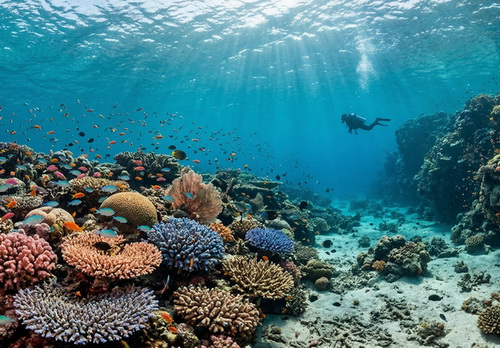
The underwater landscape of FP&L Reef, as part of the broader South East Florida Reef Tract, supports a rich diversity of marine life. These reef structures function as vibrant habitats, attracting hundreds of species of fish. Divers commonly observe large amounts of schooling fish, creating dynamic underwater scenes. In addition, the area is known for sightings of turtles and various shark species, contributing to the biodiversity. This environment, characterized by its linear reef formations and ledges, provides shelter and feeding grounds that attract a consistent array of aquatic residents.
Dive Centers Near FP&L Reef
No Dive Centers Local To FP&L Reef
Are you a dive center visiting this location? Get listed to reach divers.
Frequently Asked Questions
What type of reef is FP&L Reef?
FP&L Reef is part of the South East Florida Reef Tract, which consists of linear reef structures that run parallel to the shoreline. These are built upon ancient geological formations where corals have reformed over time, creating a diverse marine habitat.
What are the typical depths for diving at FP&L Reef?
While specific depths for FP&L Reef aren't consistently reported, sites within the broader reef tract generally cater to recreational diving. Depths can range from shallower sections to approximately 30 meters (100 ft) or sometimes deeper, depending on the specific contours of the reef.
Are there strong currents at FP&L Reef?
The South East Florida Reef Tract often experiences prevailing currents that run parallel to the shoreline. Drift diving is a popular method to explore more of the reef, so divers should be prepared for moving water conditions.
What marine life can I expect to see?
The reef provides habitat for numerous fish species, with large schools commonly observed. Divers frequently encounter turtles and various shark species, enriching the underwater experience with diverse marine encounters.
What are the best months to dive FP&L Reef?
May and July generally offer the most favorable diving conditions due to lower wave heights and reduced wind speeds. Air temperatures are also comfortable, ranging from 25.8°C to 28.1°C (78.4-82.6°F) during these months.
Is FP&L Reef suitable for beginner divers?
Given the potential for drift diving and varying depths, divers with good buoyancy control and some experience with currents will likely have a more enjoyable time. Beginner divers should consider guided trips or conditions assessments before diving.
Liveaboards Sailing to FP&L Reef
Explore highly rated liveaboards visiting this dive site and discover the best routes in United States.
Resorts & Accommodation
Find partner hotels and dive resorts directly accessing the reef.
Around This Area
Explore top-rated restaurants, activities, and attractions near FP&L Reef reviewed by travelers.
Planning to dive FP&L Reef?
Send one inquiry and receive offers directly from the best verified local dive operators.