
Diving at FP&L/Fit Experimental (United States)
More than a typical recreational site, FP&L/Fit Experimental functions as a dedicated aquatic environment for rigorous scientific diving and training. Its purpose lies in advancing underwater research and refining diver competency. This location serves as a structured setting where certified divers, primarily those engaged with the Florida Tech Science Diving Program, undertake specialized operations and evaluations, pushing boundaries beyond conventional exploration.
Early observations for FP&L/Fit Experimental report a surface air temperature of 29°C. The water surface is currently presenting wave heights of 1.2 m. Consider these environmental metrics before beginning your descent.
Dive Site Location & Key Facts
Dive Site Overview
This site provides a controlled, yet dynamic, underwater landscape primarily configured for experimental and training dives rather than natural topography exploration. Diver activities here are meticulously planned, focusing on the development and assessment of scientific diving protocols.
While specific depths for the site itself are not consistently reported, training exercises often encompass the recreational depth range, requiring advanced open water certification or higher. Divers conduct evaluations in both confined and open water settings, including a minimum of 11 additional open water training dives focused on various scientific diving disciplines. The environment facilitates learning and practical application of techniques essential for scientific data collection and underwater work, including specific tasks near a diver's maximum depth rating.
These structured dives contribute to an annual requirement of 12 scientific dives under approved plans, ensuring ongoing skill maintenance and operational readiness.
Conditions are Good
Optimal conditions expected
Current conditions near FP&L/Fit Experimental show 29° air, 30° sea temperature, 0.7 m waves, and 16 km/h wind. Forecast data is refreshed regularly to ensure accuracy.
Best Time to Dive
Optimizing dive conditions for scientific work at FP&L/Fit Experimental largely hinges on periods of settled weather, where water clarity is less compromised by surface activity. May through August generally present the best conditions, with 'Good' dive scores (8/10) reported and lower average wave heights, ranging from 0.5 to 0.7 meters (1.6 to 2.3 ft). Air temperatures during these months are also favorable, averaging between 25.5-28°C (78-82°F), making surface intervals comfortable. Rainfall tends to increase slightly during these summer months, peaking around 6.1 mm (0.24 in) in August, which could temporarily affect near-surface visibility. Conversely, April and October show 'Moderate' dive scores (6/10), with higher average wind speeds and wave heights, potentially impacting visibility and comfort for certain training scenarios.
PEAK SEASON SCORE
Scores combine air & water temps, waves, wind & rainfall for overall conditions.
BEST MONTHS TO DIVE
Monthly records compiled from satellite and marine observation nodes over the last 3 years. Data provided by Open-Meteo and MET Norway.
Dive Experience & Conditions
Preparing for a descent at FP&L/Fit Experimental involves a comprehensive understanding of the planned scientific objective and safety protocols. Divers must demonstrate proficiency in confined water and open water SCUBA evaluations before proceeding to more complex training. Water temperature is not consistently reported for this specific site; however, divers should plan for ambient Florida coastal temperatures, which vary seasonally. The overall conditions support the demanding nature of scientific diving, requiring not just recreational proficiency but also specialized skills in oxygen administration and hazardous marine life injury first aid. Individual dives are logged meticulously, and participants maintain annual gear service records for regulators, BCDs, and gauges. These rigorous checks ensure equipment reliability throughout the varied scientific diving exercises and evaluations.
Dive Difficulty & Safety Guidelines
Safety at FP&L/Fit Experimental is paramount, built upon a framework of stringent guidelines and mandatory certifications designed to mitigate inherent diving risks. Program participants are required to maintain current certifications in First Aid, CPR, AED, O2 administration, First Aid for Hazardous Marine Life Injuries, and Onsite Neurological Exams.
All scientific diving must operate under approved dive plans. Divers also undergo a comprehensive physical examination and are required to carry DAN dive insurance and normal medical insurance.
Furthermore, high-pressure cylinders must adhere to OSHA HAZMAT standards, including proof of hydrostatic testing within five years and annual visual inspections. This emphasis on training, equipment readiness, and medical preparedness establishes a robust safety culture for all underwater operations.
Recommended Equipment
- Dive Computer
This gear list is based on verified equipment signals for FP&L/Fit Experimental, United States. Always confirm final gear choices with your dive operator, guide, or liveaboard.
Recommended Dive Suit
For relaxed exploration dives, dive skin or rash guard generally provides adequate warmth. Consider warmer surface protection (like a boat coat) due to brisk winds. For divers entering the water at FP&L/Fit Experimental, temperatures are currently hovering around 30°C (86°F). Surface air temperatures are resting at 29°C (84°F).
Forecasts suggest a slight cooling pattern in the days ahead. Cooler days are ahead; you might want a warmer option for later in the week. Some divers bring an extra layer for surface intervals between dives.
A diver's personal tolerance to cold water can play a large role in suit selection.
Due to technical issues with our weather providers, live updates are temporarily delayed. The data above reflects the conditions at the time of the last successful fetch.
Emergency & Medical Support
Essential information to help you plan your dive trip to FP&L/Fit Experimental.

Hyperbaric chambers are a critical part of dive safety infrastructure. Availability varies significantly by region, and not all dive areas have immediate access.
Before diving, it's recommended to:
- confirm nearest medical facilities
- check emergency procedures with local dive operators
- ensure dive insurance covers evacuation if required
Divers Alert Network
Diving emergency assistance available through DAN World.
+1-919-684-9111- 24/7 emergency hotline
- Diving medical assistance
- Evacuation coordination
Emergency contacts are provided for reference. Always verify local emergency services before diving.
Marine Life at FP&L/Fit Experimental
While the primary focus of FP&L/Fit Experimental is scientific training and research rather than biodiversity observation, the site's aquatic environment may still host various indigenous marine species. Divers undertaking their required annual dives will occasionally encounter local fish, crustaceans, or even invertebrates that naturally inhabit Florida's coastal waters.
These incidental observations can offer a practical context for identifying marine life during scientific survey techniques.
However, the site's design prioritizes functional training spaces over natural reef structures, meaning extensive coral formations or large pelagics are not typically the main draw.
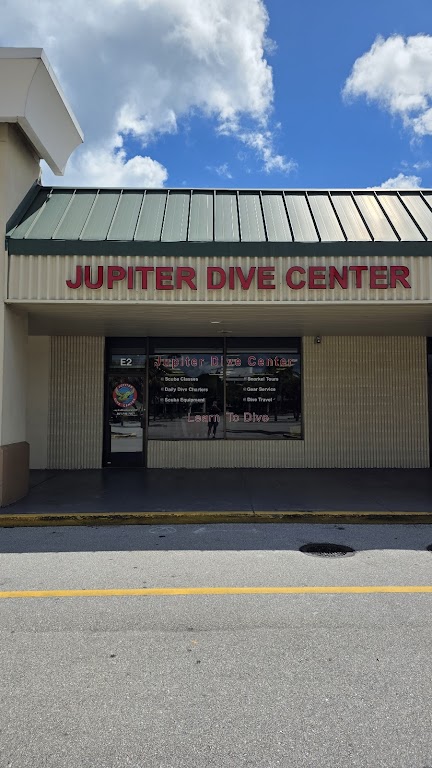
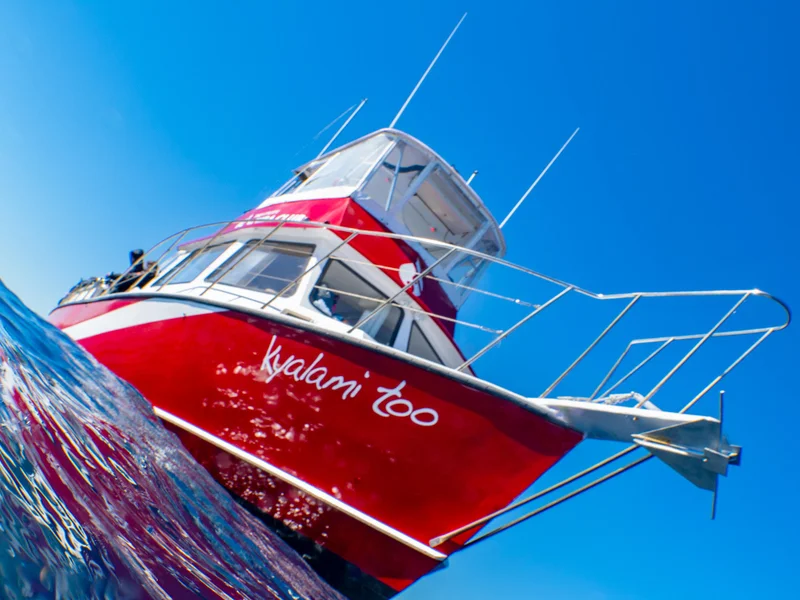
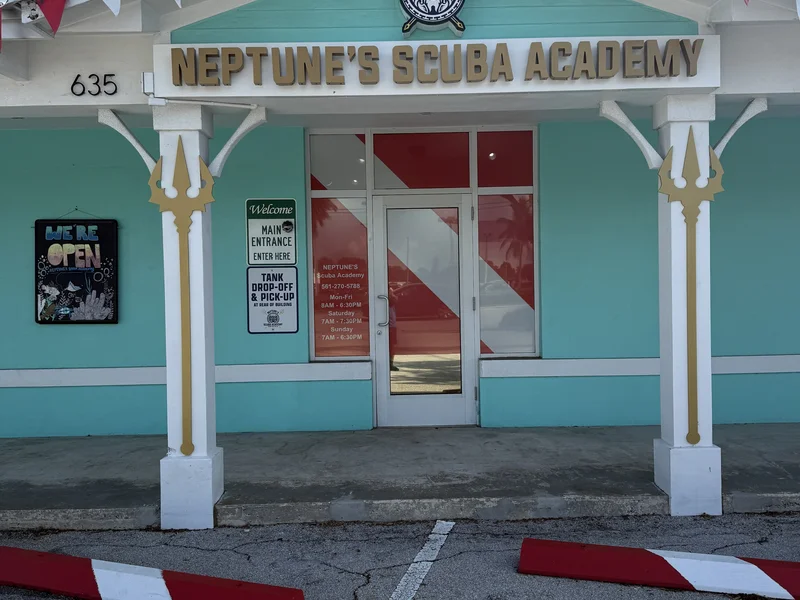
Dive Centers Near FP&L/Fit Experimental
Today: 10:00 - 18:00
Nearest Airports
Nearest airports to help plan travel to this dive area.
Search Flights
Check available flights and routes on Expedia, using the nearby airports listed in this section.
Search Flights on Expedia
Plan Your Stay
Looking for a place to stay for your dive trip? Explore hotels, stays, and vacation rentals for dive groups near Indian River Shores.
Dive Navigator may earn a commission from these links at no extra cost to you.
Frequently Asked Questions
What kind of diving takes place at FP&L/Fit Experimental?
This facility is dedicated to scientific diving and comprehensive training for certified divers, particularly those affiliated with the Florida Tech Science Diving Program. The dives focus on research, skill refinement, and evaluation, moving beyond typical recreational exploration.
What certifications are required to dive here?
Divers must possess advanced open water certification or higher. Additionally, current certifications in First Aid, CPR, AED, O2 administration, First Aid for Hazardous Marine Life Injuries, and Onsite Neurological Exams are mandatory for program participants.
Are there any specific medical requirements?
Yes, a Scientific Diver Physical Examination/History is required. Divers must also provide proof of DAN dive insurance and general medical insurance to ensure coverage during operations.
How often must dive equipment be serviced?
Regulators, BCDs, and depth/pressure gauges (or computers) must be serviced annually. Diving cylinders require hydrostatic testing within the last five years and visual inspections annually.
What are the best months for diving conditions?
The period from May through August generally offers optimal conditions, with lower wave heights and comfortable air temperatures, leading to 'Good' dive scores. These months are typically more favorable for training and evaluations due to calmer surface conditions.
Are there any annual diving requirements for participants?
Participants in the Florida Tech Science Diving Program must complete 12 scientific dives annually under an approved dive plan. At least one of these dives must be near the diver’s maximum depth rating and be current within six months.
Where can I find local dive vendors for gear or services?
Local dive vendors serving the area include Hatt's Diving Headquarters and Space Coast Dive Center. They can assist with gear needs and maintenance requirements for scientific divers.
Planning to dive FP&L/Fit Experimental?
Send one inquiry and receive offers directly from the best verified local dive operators.
Conditions are Good
Optimal conditions expected
Current conditions near FP&L/Fit Experimental show 29° air, 30° sea temperature, 0.7 m waves, and 16 km/h wind. Forecast data is refreshed regularly to ensure accuracy.