
Diving at Grady Prather Reef (United States)
Flagler County's tenth artificial reef deployment, the Grady Prather Reef, was specifically engineered to enhance marine habitat and provide recreational opportunities. Approximately 13.8 nautical miles (25.5 km) southeast of the Matanzas Inlet, this site utilizes material from two replaced State Road A1A bridges. Its strategic placement off the Flagler coast contributes to both the local ecosystem and coastal tourism, supporting a variety of marine species.
Starting the day at Grady Prather Reef, the ambient air temperature is recorded at 27.5°C. Ongoing monitoring shows wave heights measuring 1 m. This data represents the current surface conditions for early activities.
Dive Site Location & Key Facts
Dive Site Overview
Divers approaching Grady Prather Reef will find a vibrant habitat honoring Captain Grady Prather Jr., a key figure in Flagler County's artificial reef initiatives. Dedicated in July 2011, this project transformed salvaged State Road A1A bridge components into a complex underwater landscape.
Securing approval from the U.S. Army Corps of Engineers was largely due to Captain Prather's fervent advocacy for these sites, emphasizing their environmental and recreational benefits. Project funding, totaling $71,750, came primarily from Florida Fish and Wildlife Conservation Commission grants, leveraging state saltwater fishing license revenues, supplemented by a grant from the St. Augustine Port, Waterway and Beach District.
Dell Marine precisely placed the inspected bridge structures onto the seabed, working in collaboration with Flagler County's Artificial Reef Program volunteers to ensure the reef's integrity and alignment with its ecological goals. An objective was to offer a new source of biological replenishment for local marine populations, simultaneously creating a valuable recreational area for divers and anglers alike.
To recognize his profound contributions, the Sheriff's Office dive team placed a steel plate etched with Captain Prather’s initials and a Sheriff’s Office star on the reef, a lasting tribute to his efforts.
Conditions are Good
Optimal conditions expected
Current conditions near Grady Prather Reef show 27° air, 28° sea temperature, 0.7 m waves, and 22 km/h wind. Forecast data is refreshed regularly to ensure accuracy.
Best Time to Dive
Planning a dive to Grady Prather Reef is generally best from May through August, when conditions are most favorable for a comfortable experience. During these months, the dive score peaks, reflecting calmer seas and more pleasant air temperatures, which range from 24-28°C (75-82°F). Wave heights average a minimal 0.6-0.8 meters, reducing surface chop and making boat travel to the site smoother. Rain is somewhat common in August, with average precipitation around 3.6 mm, which might affect surface conditions but usually doesn't significantly impair underwater visibility unless directly impacting the coast. Conversely, the period from September through April presents more moderate conditions, with higher average wave heights, particularly in September and October, exceeding 1 meter. Air temperatures cool significantly during winter, dropping to 14-18°C (58-64°F) from December to March, which can make pre- and post-dive activities less comfortable. While specific water temperature data isn't consistently reported for this exact site, it typically follows regional seasonal trends, usually warmest during the summer months.
PEAK SEASON SCORE
Scores combine air & water temps, waves, wind & rainfall for overall conditions.
BEST MONTHS TO DIVE
Monthly records compiled from satellite and marine observation nodes over the last 3 years. Data provided by Open-Meteo and MET Norway.
Dive Experience & Conditions
Conditions at Grady Prather Reef present a dynamic offshore environment for divers exploring its repurposed bridge material. Visibility varies depending on local weather, currents, and sediment movement, making a thorough pre-dive check essential. Approximately 13.8 nautical miles (25.5 km) offshore, the site generally remains within recreational diving limits, though precise depth is not consistently reported. Expect average wave heights to fluctuate, from 0.6 meters (2 ft) during calmer summer months to over 1.4 meters (4.5 ft) in choppier autumn conditions. Wind speeds also vary, typically ranging from 26 km/h (16 mph) in July to around 34 km/h (21 mph) in January and October, which can influence surface conditions and currents. Water temperatures aren't consistently reported for this specific location; however, regional trends suggest warmer waters during summer and cooler conditions in winter, aligning with air temperature patterns. Currents can be present and may necessitate careful navigation, depending on tidal movements and offshore weather systems.
Dive Difficulty & Safety Guidelines
Approaching the Grady Prather Reef requires divers to consider its artificial structure and offshore location. Given the possibility of currents, especially with higher wind speeds that can reach 34 km/h (21 mph), strong current conditions may require advanced diving experience. All divers should maintain excellent buoyancy control to avoid damaging the reef material or stirring up sediment, which could reduce visibility for others.
Due to its offshore distance, diving here typically involves boat charters, so divers should be comfortable with boat entries and exits in varying sea conditions. Always dive with a buddy and ensure your dive plan accounts for the prevailing weather and sea conditions reported on the day of your dive.
Furthermore, since this is an artificial reef designed to attract marine life, responsible interaction with the environment is paramount; do not disturb or collect marine organisms or reef materials.
Recommended Equipment
- Dive Computer
This gear list is based on verified equipment signals for Grady Prather Reef, United States. Always confirm final gear choices with your dive operator, guide, or liveaboard.
Recommended Dive Suit
Divers planning relaxed exploration may appreciate the warmth of 2-3mm shorty or light wetsuit. Consider warmer surface protection (like a boat coat) due to brisk winds. Divers often notice that perceived temperature can feel cooler during deeper or longer dives.
Conditions at Grady Prather Reef currently place the water temperature near 28°C (83°F). Surface air temperatures are resting at 27°C (81°F).
Weather projections show fairly stable environmental conditions ahead.
Emergency & Medical Support
Essential information to help you plan your dive trip to Grady Prather Reef.

Hyperbaric chambers are a critical part of dive safety infrastructure. Availability varies significantly by region, and not all dive areas have immediate access.
Before diving, it's recommended to:
- confirm nearest medical facilities
- check emergency procedures with local dive operators
- ensure dive insurance covers evacuation if required
Divers Alert Network
Diving emergency assistance available through DAN World.
+1-919-684-9111- 24/7 emergency hotline
- Diving medical assistance
- Evacuation coordination
Emergency contacts are provided for reference. Always verify local emergency services before diving.
Marine Life at Grady Prather Reef
Initially, divers exploring the Grady Prather Reef will observe how quickly artificial structures can attract a diverse range of marine organisms, serving as a vital new habitat. While specific species aren't documented for this reef, artificial reefs in the region commonly draw various schooling fish seeking shelter, along with crustaceans and sessile invertebrates colonizing the surfaces.
This site was specifically designed to provide biological replenishment for local marine populations, indicating a focus on fostering ecological diversity. Over time, the structural components are expected to become encrusted, further integrating into the natural ecosystem and supporting a food web that includes larger predatory fish. Keep an eye out for juvenile fish and smaller invertebrates utilizing the crevices for protection.
Dive Centers Near Grady Prather Reef
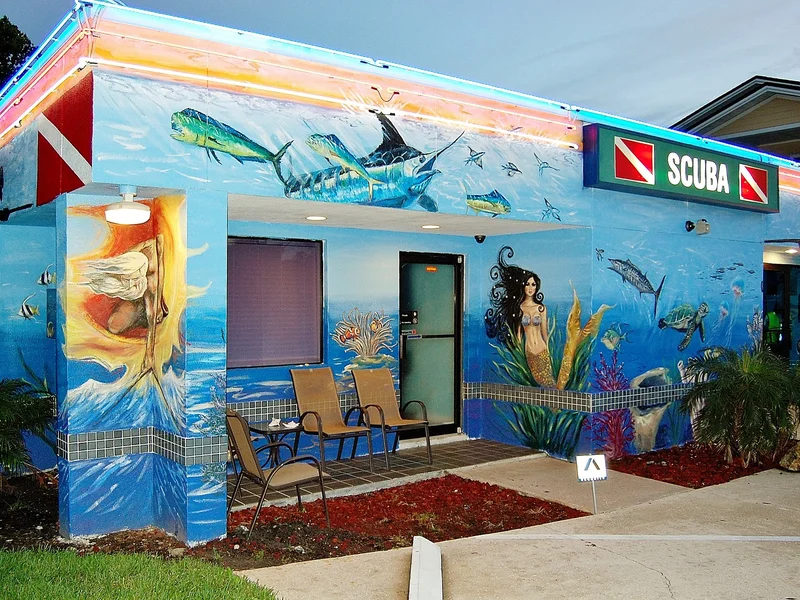
Today: 10:00 - 17:00
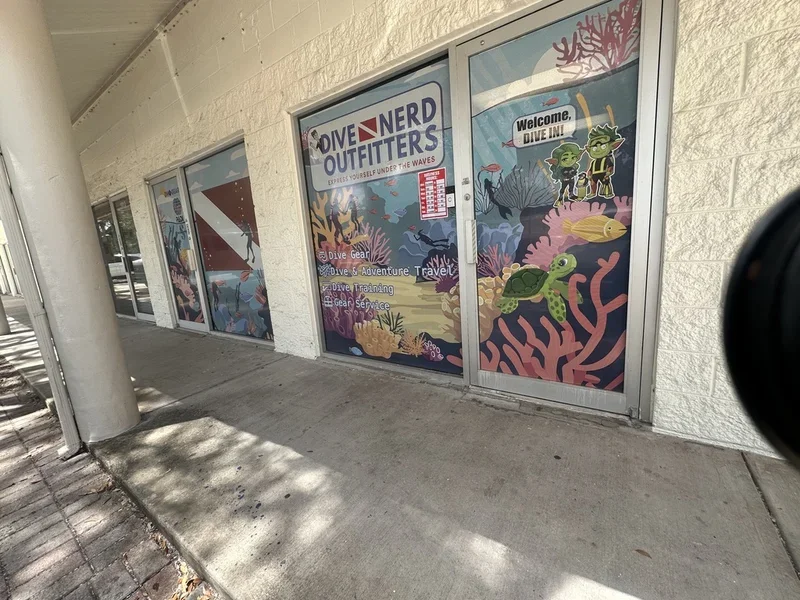
Nearest Airports
Nearest airports to help plan travel to this dive area.
Search Flights
Check available flights and routes on Expedia, using the nearby airports listed in this section.
Search Flights on ExpediaFrequently Asked Questions
What is the primary purpose of the Grady Prather Reef?
The Grady Prather Reef was installed to serve as Flagler County's tenth artificial reef, aimed at enhancing marine habitat. It acts as a new source of biological replenishment for local fish populations and provides a recreational site for divers and anglers.
How far offshore is the Grady Prather Reef located?
This artificial reef is located approximately 13.8 nautical miles (25.5 km) off the coast of Flagler County. It sits slightly south of the Matanzas Inlet, requiring boat access for divers.
When was the Grady Prather Reef installed?
The Grady Prather Reef was dedicated and installed in July 2011. Its deployment marked a significant addition to Flagler County's artificial reef program.
What materials were used to construct the reef?
The reef was constructed using material salvaged from two bridges that were replaced on State Road A1A. These sturdy components were inspected and approved for deployment as artificial reef structures.
What are the best months for diving the Grady Prather Reef?
Diving is generally best from May through August, offering good dive scores due to calmer sea conditions and warmer air temperatures. During these months, wave heights average below one meter.
Is the Grady Prather Reef suitable for all diver experience levels?
While it's within recreational limits, potential currents and offshore conditions may necessitate more experienced divers. All divers should practice good buoyancy control and be comfortable with boat diving.
Planning to dive Grady Prather Reef?
Send one inquiry and receive offers directly from the best verified local dive operators.
Conditions are Good
Optimal conditions expected
Current conditions near Grady Prather Reef show 27° air, 28° sea temperature, 0.7 m waves, and 22 km/h wind. Forecast data is refreshed regularly to ensure accuracy.