
Diving at High School Reef, Site DD (United States)
High School Reef provides a compelling point of entry for exploring the diverse underwater landscapes found across the United States. Diving at this site reflects a segment of the country's varied aquatic environments, often characterized by dynamic conditions and interesting reef structures. It offers a glimpse into typical US reef diving potential, providing a representative experience within a broader national context.
Starting the day at High School Reef, Site DD, the ambient air temperature is recorded at 28°C. Ongoing monitoring shows wave heights measuring 1.5 m. This data represents the current surface conditions for early activities.
Dive Site Location & Key Facts
Dive Site Overview
Exploring High School Reef offers divers an encounter with a typical US reef system, emphasizing the importance of adaptability to regional conditions. This site contributes to the rich tapestry of dive opportunities available in the United States, from the warmer waters of Kona to the kelp forests of California.
Divers can anticipate a recreational depth range, making it accessible for certified individuals. While specific water temperatures aren't consistently reported for this site, average air temperatures in the region fluctuate significantly, ranging from approximately 14°C (57°F) in January to 28°C (82°F) in August. Wave heights generally trend lower during summer months, around 0.6-0.7 m (2-2.3 ft), suggesting calmer surface conditions then.
Wind speeds also tend to decrease during these periods. Dive scores for the area indicate good conditions most frequently from May to August, with moderate periods throughout the rest of the year.
Rainfall remains relatively low year-round, typically below 6 mm (0.24 inches) per month, which generally favors better underwater visibility.
Conditions are Good
Optimal conditions expected
Current conditions near High School Reef, Site DD show 28° air, 29° sea temperature, 0.8 m waves, and 22 km/h wind. Forecast data is refreshed regularly to ensure accuracy.
Best Time to Dive
Planning a trip to High School Reef is best approached by considering the seasonal climate patterns impacting the broader region. The warmer months, particularly from May to July, often present the most favorable conditions for diving, reflected in consistently 'Good' dive scores. During this period, average air temperatures climb to a comfortable 24-28°C (75-82°F), making surface intervals more pleasant. Rainfall is generally low across these months, with minor increases in August to around 5.4 mm (0.21 inches). Lower average wave heights, around 0.6-0.7 m (2-2.3 ft), and reduced wind speeds also contribute to a smoother overall dive experience. Conversely, months like September and October see a shift to 'Moderate' dive scores, accompanied by higher wave heights and cooler air temperatures. Even in January and November, 'Good' scores appear, though divers should expect air temperatures closer to 14-20°C (57-68°F), requiring more exposure protection.
PEAK SEASON SCORE
Scores combine air & water temps, waves, wind & rainfall for overall conditions.
BEST MONTHS TO DIVE
Monthly records compiled from satellite and marine observation nodes over the last 3 years. Data provided by Open-Meteo and MET Norway.
Dive Experience & Conditions
Upon entering the water at High School Reef, divers will typically encounter conditions characteristic of many coastal US reef sites, which can vary significantly throughout the year. As there's no consistently reported water temperature data for this specific location, divers should be prepared for potential thermoclines, especially during colder seasons or at deeper sections. Water clarity can vary depending on recent weather and local currents; in general, areas with less sand and more hard coral or rock structure tend to maintain better visibility. Expecting changes in current strength is prudent, as oceanic currents are a common factor in open water reef diving. The reef itself likely offers a topography consistent with recreational depth ranges, featuring ledges, small walls, or scattered coral heads that provide shelter and habitat. Observing the surrounding environment for indicators of current or surge before descending is always a sound practice.
Dive Difficulty & Safety Guidelines
For a safe dive at High School Reef, always prioritize thorough dive planning and adherence to standard safety protocols. Divers should actively monitor their air supply, bottom time, and no-decompression limits throughout the dive. Given the dynamic nature of ocean environments, checking local weather forecasts and tidal charts immediately before diving is crucial; conditions can shift rapidly.
It's also imperative to maintain proper buoyancy control to protect the reef structure and avoid accidental contact. Always dive with a buddy, ensuring both individuals are appropriately certified and equipped for the planned dive profile.
As no specific hazards are reported for this site, general cautious diving practices, such as ascending slowly and performing a safety stop, are recommended to mitigate common risks.
Recommended Equipment
- Dive Computer
This gear list is based on verified equipment signals for High School Reef, Site DD, United States. Always confirm final gear choices with your dive operator, guide, or liveaboard.
Recommended Dive Suit
For many recreational divers, 2-3mm shorty or light wetsuit provides a practical level of insulation in these conditions. Consider warmer surface protection (like a boat coat) due to brisk winds. Divers who tend to get cold easily may prefer slightly thicker exposure protection.
Conditions at High School Reef, Site DD currently place the water temperature near 29°C (84°F). Surface air temperatures are resting at 28°C (82°F).
The next few days appear likely to bring similar environmental conditions.
Due to technical issues with our weather providers, data hasn't been fetched for over 48 hours. The data above reflects the conditions at the time of the last successful fetch.
Emergency & Medical Support
Essential information to help you plan your dive trip to High School Reef, Site DD.

Hyperbaric chambers are a critical part of dive safety infrastructure. Availability varies significantly by region, and not all dive areas have immediate access.
Before diving, it's recommended to:
- confirm nearest medical facilities
- check emergency procedures with local dive operators
- ensure dive insurance covers evacuation if required
Divers Alert Network
Diving emergency assistance available through DAN World.
+1-919-684-9111- 24/7 emergency hotline
- Diving medical assistance
- Evacuation coordination
Emergency contacts are provided for reference. Always verify local emergency services before diving.
Marine Life at High School Reef, Site DD
While specific marine life sightings at High School Reef are not consistently documented, divers exploring US reef environments often observe a variety of temperate and subtropical species. These ecosystems can support diverse reef inhabitants, including various fish species, crustaceans, and potentially small invertebrates, depending on the specific location within the United States.
Encounters with larger pelagic species or marine mammals are not frequently reported for this particular site, but are possible in the broader national context of US diving. Visibility can influence the ability to observe these creatures, so divers should manage expectations based on prevailing conditions.
Dive Centers Near High School Reef, Site DD
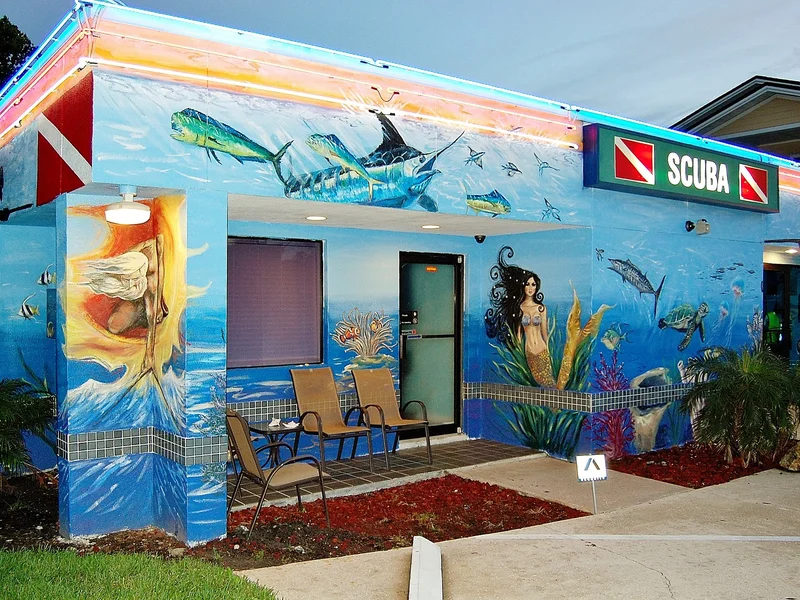
Today: 10:00 - 17:00
Nearest Airports
Nearest airports to help plan travel to this dive area.
Search Flights
Check available flights and routes on Expedia, using the nearby airports listed in this section.
Search Flights on ExpediaFrequently Asked Questions
What's the typical depth at High School Reef?
High School Reef is generally considered a recreational dive site. Divers can expect depths within the standard recreational range, typically not exceeding 30 m (100 ft). Specific depths can vary across the reef's different sections.
What are the water temperatures like at High School Reef?
Specific water temperature data for High School Reef is not consistently reported. However, regional air temperatures can range from approximately 14°C (57°F) in winter to 28°C (82°F) in summer, which may provide a general indication of thermal conditions. Divers should prepare for potential thermoclines.
Is High School Reef suitable for beginners?
Given that no specific extreme hazards are documented, and it's within recreational depths, High School Reef can be suitable for certified divers, including those with open water experience. Always assess current conditions before diving, as these can impact the suitability for less experienced divers.
What kind of marine life might I see at High School Reef?
Specific marine life for High School Reef is not detailed. However, as a reef system in the US, it likely hosts a variety of common reef fish, crustaceans, and invertebrates characteristic of the region. Expect a diverse, but unconfirmed, array of smaller reef inhabitants.
How are the currents at High School Reef?
Current conditions at High School Reef can vary depending on tides, weather, and seasonal patterns, typical for many open water reef sites. Divers should be prepared for potential currents and assess conditions before and during the dive. It's advisable to check local dive reports on the day of your dive.
When is the best visibility at High School Reef?
Visibility at High School Reef is likely best during months with calmer surface conditions, such as the summer period from May to July, when wave heights and wind speeds are generally lower. Reduced rainfall during these times also typically contributes to clearer waters. However, localized factors can always influence visibility.
Planning to dive High School Reef, Site DD?
Send one inquiry and receive offers directly from the best verified local dive operators.
Conditions are Good
Optimal conditions expected
Current conditions near High School Reef, Site DD show 28° air, 29° sea temperature, 0.8 m waves, and 22 km/h wind. Forecast data is refreshed regularly to ensure accuracy.