
Diving at High School REEF-2 (United States)
Recreational diving at High School Reef-2 places divers amidst the diverse underwater landscapes of the Florida Keys. This area is easily accessible from Key Largo, offering visibility into a system of natural and artificial reefs. These sites contribute to the extensive network that supports marine ecosystems throughout the region. Visitors often find themselves exploring either the Upper Keys or the Destin-Fort Walton Beach areas, depending on the specific site. Visibility commonly allows for clear views of both geological structures and the resident marine life.
Early observations for High School REEF-2 report a surface air temperature of 28°C. The water surface is currently presenting wave heights of 1.5 m. Consider these environmental metrics before beginning your descent.
Dive Site Location & Key Facts
Dive Site Overview
Exploring High School Reef-2 unfolds a varied dive experience within the Florida Keys, characterized by both natural formations and thoughtfully placed artificial reefs. Depths across the broader region typically range from 5.5 m (18 ft) down to 36.6 m (120 ft), suggesting that High School Reef-2 likely falls within recreational limits but may present deeper sections.
This range allows for exploration of structures such as ledges and smaller walls, alongside vibrant coral communities. The strategic deployment of artificial reefs in the area actively creates new habitats, transforming barren seafloors into dynamic underwater environments. These constructed sites attract a variety of marine life, enhancing biodiversity and offering different exploration opportunities.
Divers can expect to navigate diverse terrain, from relatively shallow reef tops to deeper, more complex structures. Overall, the site provides a compelling narrative of habitat creation and ecological support.
Conditions are Good
Optimal conditions expected
Current conditions near High School REEF-2 show 28° air, 29° sea temperature, 0.8 m waves, and 22 km/h wind. Forecast data is refreshed regularly to ensure accuracy.
Best Time to Dive
Planning a dive to High School Reef-2 often aligns well with the warmer, calmer months when conditions are most favorable. Generally, May through August offers good dive scores, with average air temperatures peaking around 28°C (82°F) in August and minimal wave activity. Rain patterns vary, with slightly higher rainfall noted in August and September; however, these are typically short tropical events that don't always disrupt diving. For those preferring slightly cooler conditions, April and November also present good diving opportunities, with average air temperatures around 21-26°C (70-79°F) and moderate wave heights. Winter months like January can still offer good visibility, though air temperatures drop to around 14°C (57°F), potentially requiring thicker wetsuits for comfort.
PEAK SEASON SCORE
Scores combine air & water temps, waves, wind & rainfall for overall conditions.
BEST MONTHS TO DIVE
Monthly records compiled from satellite and marine observation nodes over the last 3 years. Data provided by Open-Meteo and MET Norway.
Dive Experience & Conditions
Conditions at High School Reef-2 generally cater to a range of diver certifications, from open water to advanced. Deeper sections of the site or within the broader regional park naturally demand greater experience. Regional water temperatures fluctuate, tending to be warmer during summer months, reaching averages around 27°C (81°F), then gradually cooling into winter lows of about 22°C (72°F), although specific site temperatures aren't consistently reported. Currents vary depending on local weather patterns and tidal movements; therefore, comprehensive dive briefings are crucial for safe navigation and planning. Surface conditions typically remain calm, enhancing comfort on dive boats. Many operators integrate aspects of advanced training, such as deep and navigation dives, into their offerings here, preparing divers for varied underwater scenarios. Divers should anticipate a dynamic underwater environment, transitioning between shallower reef tops and more complex, deeper structures. Expect to progress through diverse depths and encounter different structural features.
Dive Difficulty & Safety Guidelines
Ensuring a safe dive at High School Reef-2 hinges on adhering to established certification requirements and local guidelines. Divers must be at least Open Water Certified to participate in trips to this area. For those planning to explore deeper or more complex sections, an Advanced Open Water certification, which includes mandatory deep and navigation dives, is often recommended or required.
Individuals who haven't dived recently may need to complete a refresher course, ensuring skills are current. Additionally, some operators specify a minimum of four logged dives for certain trips, reflecting the importance of recent practical experience.
Always listen carefully to the divemaster's detailed briefings, which cover site-specific conditions, potential hazards, and emergency procedures.
Recommended Equipment
- Dive Computer
This gear list is based on verified equipment signals for High School REEF-2, United States. Always confirm final gear choices with your dive operator, guide, or liveaboard.
Recommended Dive Suit
In these water temperatures, 2-3mm shorty or light wetsuit is a common choice for recreational diving. Consider warmer surface protection (like a boat coat) due to brisk winds. Longer dive profiles can make thermal protection more important than short exploratory dives.
At the moment, divers exploring High School REEF-2 will likely experience water temperatures near 29°C (84°F). Surface air temperatures are resting at 28°C (82°F).
Environmental conditions appear stable for the near future.
Due to technical issues with our weather providers, data hasn't been fetched for over 48 hours. The data above reflects the conditions at the time of the last successful fetch.
Emergency & Medical Support
Essential information to help you plan your dive trip to High School Reef-2.

Hyperbaric chambers are a critical part of dive safety infrastructure. Availability varies significantly by region, and not all dive areas have immediate access.
Before diving, it's recommended to:
- confirm nearest medical facilities
- check emergency procedures with local dive operators
- ensure dive insurance covers evacuation if required
Divers Alert Network
Diving emergency assistance available through DAN World.
+1-919-684-9111- 24/7 emergency hotline
- Diving medical assistance
- Evacuation coordination
Emergency contacts are provided for reference. Always verify local emergency services before diving.
Marine Life at High School REEF-2
Divers often encounter diverse marine life drawn to High School Reef-2's vibrant underwater topography. Artificial reefs specifically provide critical habitat, rapidly evolving into complex ecosystems teeming with activity.
Expect to observe various reef fish congregating around these structures, utilizing the shelter and food sources they offer. Enhanced biodiversity within these 'underwater cities' increases the likelihood of encountering different species during a single dive.
Exploring the crevices and ledges of both natural and constructed reefs frequently reveals smaller invertebrates and crustaceans. The site offers excellent opportunities for observing marine communities establishing and thriving in varied environments.
Dive Centers Near High School REEF-2
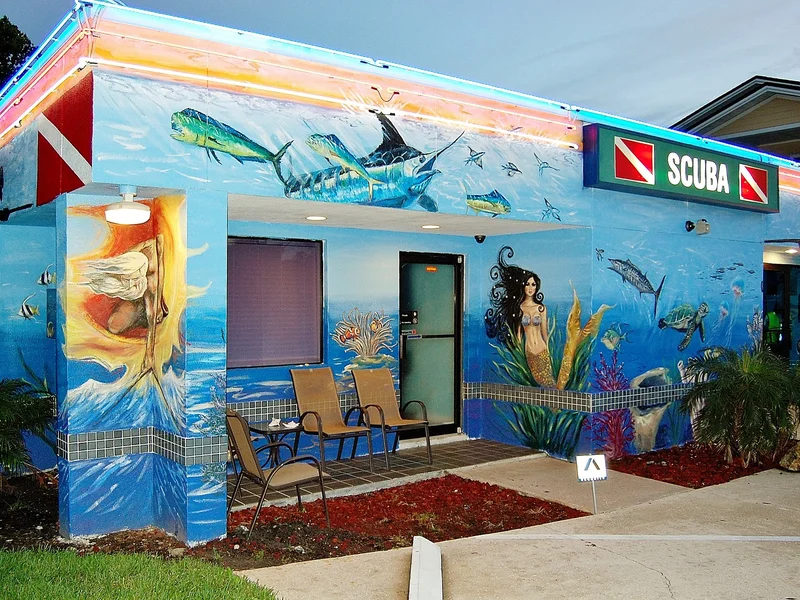
Today: 10:00 - 17:00
Nearest Airports
Nearest airports to help plan travel to this dive area.
Search Flights
Check available flights and routes on Expedia, using the nearby airports listed in this section.
Search Flights on ExpediaFrequently Asked Questions
What certification level is required to dive High School Reef-2?
Divers must hold at least an Open Water certification. For certain trips or deeper sections, an Advanced Open Water certification, which includes deep and navigation dives, may be required or highly recommended.
What are the typical depths at this dive site?
Dive sites in the broader Key Largo and Florida Keys region, where High School Reef-2 is located, range from 5.5 m (18 ft) to 36.6 m (120 ft). Specific depths at High School Reef-2 will fall within this recreational range.
Is Nitrox recommended for diving here?
Yes, Nitrox (enriched air) is a popular option. It can provide more no-decompression time underwater and may lead to shorter surface intervals, enhancing the overall dive experience, especially on repetitive dives.
What is the best time of year to visit High School Reef-2?
The period from May through August typically offers the best diving conditions, with warm air temperatures and calmer seas. April and November are also favorable, providing good dive scores with slightly cooler air temperatures.
Are dive equipment rentals available?
Yes, standard dive equipment such as BCDs, regulators, masks, fins, snorkels, and wetsuits are usually available for rental through local dive centers. Tanks and weights are often included with dive trips.
What type of marine life can I expect to see?
You can expect to encounter a variety of reef fish and marine life that inhabit both natural and artificial reef structures. The artificial reefs are particularly effective in fostering diverse underwater ecosystems.
Planning to dive High School REEF-2?
Send one inquiry and receive offers directly from the best verified local dive operators.
Conditions are Good
Optimal conditions expected
Current conditions near High School REEF-2 show 28° air, 29° sea temperature, 0.8 m waves, and 22 km/h wind. Forecast data is refreshed regularly to ensure accuracy.