
Diving at Horse Powered Ferry Boat (United States)
Plunging into Lake Champlain's temperate depths, the Horse Powered Ferry Boat wreck offers a distinctive freshwater experience for certified divers. Lying in 15 m (50 ft) of water, visibility here can vary significantly with lake conditions and seasonal changes. Expect cooler water temperatures throughout the year, demanding appropriate thermal protection for comfortable dives.
The latest environmental reading at Horse Powered Ferry Boat indicates an air temperature of 16.5°C. The regional climate in United States is aligning with expected historical averages. Prepare your gear according to these specific local conditions.
Dive Site Location & Key Facts
Dive Site Overview
This dive site presents a truly unique window into North American maritime history, preserving the only archaeologically studied example of a turntable 'team-boat.' Powering its paddlewheels, the Burlington Bay Horse Ferry operated with two horses walking along a rotating surface, a common sight on short-distance river and lake crossings until the mid-19th century. These vessels peaked in usage on Lake Champlain during the 1830s and 1840s, providing essential links between Vermont and New York.
Discovered in 1983 during a side-scan sonar survey, its specific identity and launch date remain unconfirmed, likely dating to the peak period of horse ferry introduction. Resting off North Beach in Burlington, VT, the vessel measures approximately 19 m (63 ft) long and 7 m (23 ft) wide. This historical artifact rests within the recreational depth range, offering a direct encounter with a bygone era of transportation.
While the wreck itself might appear modest in its current state, its profound historical significance as a fragile, archaeologically unique structure elevates its appeal. It's often approached as a boat dive; however, some advanced divers with DPVs utilize the nearby water intake pipe as a navigation aid from shore.
Conditions are Good
Optimal conditions expected
Current conditions near Horse Powered Ferry Boat show 17° air, --° sea temperature, N/A waves, and 30 km/h wind. Forecast data is refreshed regularly to ensure accuracy.
Best Time to Dive
Planning a dive to the Horse Powered Ferry depends significantly on surface conditions and your comfort with colder water. The most favorable period generally aligns with warmer air temperatures, usually from May through October, corresponding to dive scores of 'Good' (7-8). During these months, average air temperatures range from 14-23°C (57-73°F). Rain is consistently reported as moderate throughout the year, with averages between 2-5 mm per month, so surface runoff may impact visibility. Early spring or late fall offers minimal boat traffic, making DPV-assisted shore dives more manageable despite colder air temperatures between 4-12°C (39-54°F). Wind speeds are typically lowest from July to September, ranging from 15-18 km/h (9-11 mph), potentially contributing to calmer lake surface conditions. This site is generally accessible throughout the year, but the overall experience is enhanced by considering both surface conditions and underwater visibility tendencies.
PEAK SEASON SCORE
Scores combine air & water temps, waves, wind & rainfall for overall conditions.
BEST MONTHS TO DIVE
Monthly records compiled from satellite and marine observation nodes over the last 3 years. Data provided by Open-Meteo and MET Norway.
Dive Experience & Conditions
Descending to the Horse Powered Ferry, divers will encounter the relatively flat remains of the wooden hull resting on the lakebed. Its archaeological nature means value comes from historical context and unique turntable 'team-boat' structure, rather than dramatic topography or vibrant coral. Visibility in Lake Champlain can fluctuate considerably, impacted by seasonal runoff and lake currents. Water temperatures here are notably cooler, varying depending on the season and depth; however, specific temperature data for the water column is not consistently reported. The wreck lies within a recreational depth range. Currents are generally mild at these depths, but can occasionally be felt. Approaching this site is considered an intermediate-level dive, particularly if done as a boat dive. For those attempting a shore entry with a DPV, the distance to the wreck and boat traffic necessitates advanced planning and skill, especially in summer.
Dive Difficulty & Safety Guidelines
Approaching this archaeological wreck demands respect for its fragility and the lake environment. The Horse Powered Ferry, a Vermont State Historic Site, is marked by buoys in Burlington Bay. If utilizing a private boat, seasonal registration is required through local dive shops, charter captains, or the Lake Champlain Maritime Museum.
Divers planning DPV-assisted shore dives should be mindful of significant distances from shore and potential high boat traffic, especially during peak summer months. These longer traverses require adequate gas reserves and, ideally, a backup scooter or a plan for towing a buddy.
Consider planning these longer shore excursions during early spring or fall when boat activity is minimal. The wreck's maximum depth keeps it well within recreational limits, but cold water exposure is a consistent factor requiring proper thermal protection. Always dive within your training and comfort levels.
Recommended Equipment
- Dive Computer
This gear list is based on verified equipment signals for Horse Powered Ferry Boat, United States. Always confirm final gear choices with your dive operator, guide, or liveaboard.
Recommended Dive Suit
Forecast confidence is somewhat lower, with potential for varied conditions ahead. Cooler days are ahead; you might want a warmer option for later in the week. A hood or vest can noticeably improve warmth during longer dives.
Based on regional estimates and current weather, the likely required exposure protection is a 5mm or thicker wetsuit. Note that local currents and upwellings can alter this. Consider warmer surface protection (like a boat coat) due to brisk winds. A thermal robe or jacket is recommended between dives.
Because recent water temperature readings are not available for Horse Powered Ferry Boat, the guidance below is based mainly on current air conditions and seasonal expectations. Current surface air temperatures are roughly 17°C (62°F).
Emergency & Medical Support
Essential information to help you plan your dive trip to Horse Powered Ferry Boat.

Hyperbaric chambers are a critical part of dive safety infrastructure. Availability varies significantly by region, and not all dive areas have immediate access.
Before diving, it's recommended to:
- confirm nearest medical facilities
- check emergency procedures with local dive operators
- ensure dive insurance covers evacuation if required
Divers Alert Network
Diving emergency assistance available through DAN World.
+1-919-684-9111- 24/7 emergency hotline
- Diving medical assistance
- Evacuation coordination
Emergency contacts are provided for reference. Always verify local emergency services before diving.
Marine Life at Horse Powered Ferry Boat
While the primary draw of the Horse Powered Ferry is its historical significance as a wreck, the surrounding lake environment supports local freshwater ecosystems. Divers might observe various freshwater fish species adapted to the cooler lake conditions.
Bottom dwellers and smaller schooling fish commonly inhabit the structural components of the wreck, utilizing it for shelter and foraging. The surrounding sandy bottom offers limited habitat, but the wreck itself provides crucial refuge.
This freshwater site offers a distinct contrast to marine dives, showcasing a different array of aquatic inhabitants.
Dive Centers Near Horse Powered Ferry Boat
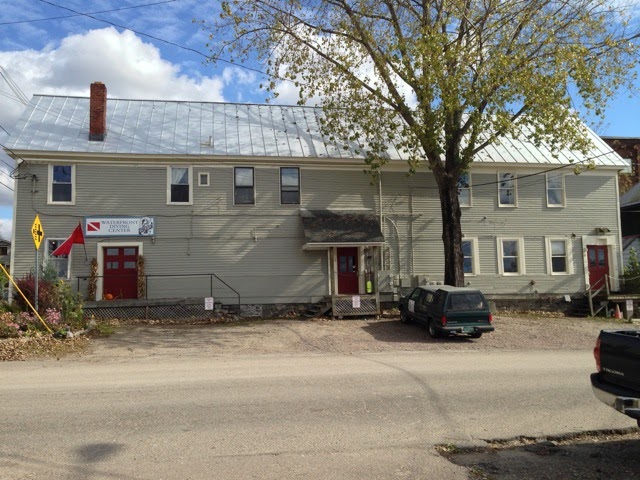
Nearest Airports
Nearest airports to help plan travel to this dive area.
Search Flights
Check available flights and routes on Expedia, using the nearby airports listed in this section.
Search Flights on Expedia
Plan Your Stay
Looking for a place to stay for your dive trip? Explore hotels, stays, and vacation rentals for dive groups near Burlington.
Dive Navigator may earn a commission from these links at no extra cost to you.
Frequently Asked Questions
What is the depth of the Horse Powered Ferry wreck?
The wreck is generally found at a recreational depth, making it accessible to intermediate certified divers. Its maximum depth keeps the dive well within recreational limits.
Is the Horse Powered Ferry a shore dive or a boat dive?
It's typically considered a boat dive, often reached via charter. Advanced divers with DPVs, however, can attempt shore dives with careful planning due to the distance from shore and potential boat traffic.
What makes this wreck historically significant?
It's the only archaeologically studied example of a turntable "team-boat," a unique horse-powered ferry design that was common in the 19th century. This vessel offers a direct link to a bygone era of transportation technology.
What are the conditions like for diving this site?
Lake Champlain presents consistently cool water temperatures, and visibility can vary based on runoff and currents. Currents are generally mild at this recreational depth range.
Do I need special registration for a private boat?
Yes, if you use your own boat, seasonal registration is required. You can register through various local outlets like dive shops, charter captains, or the Lake Champlain Maritime Museum.
Is there marine life to see at the wreck?
While not a coral reef, the freshwater lake supports various fish species. Bottom dwellers and schooling fish can often be observed utilizing the wreck as shelter and foraging ground on the sandy bottom.
What is the best season to dive the Horse Powered Ferry?
Warmer air temperatures and potentially calmer surface conditions occur from May through October. For DPV shore dives, early spring or late fall can be preferable to reduce surface boat traffic.
Planning to dive Horse Powered Ferry Boat?
Send one inquiry and receive offers directly from the best verified local dive operators.
Conditions are Good
Optimal conditions expected
Current conditions near Horse Powered Ferry Boat show 17° air, --° sea temperature, N/A waves, and 30 km/h wind. Forecast data is refreshed regularly to ensure accuracy.