
Diving at Horseshoe Beach Reef Site E1 (United States)
Horseshoe Reef provides a well-defined underwater landmark for divers. Positioned approximately 45 m (150 ft) off the Kewalo Channel marker buoy, it serves as an accessible entry point. Its distinctive horseshoe shape gives the reef its name and guides exploration. This reef offers a structured environment, making navigation straightforward for those exploring the area's shallower zones.
Evening condition tracking at Horseshoe Beach Reef Site E1 features an air temperature of 29°C. We have recorded wave heights measuring 0.3 m during this period. These figures outline the environmental parameters currently present.
Dive Site Location & Key Facts
Dive Site Overview
Diving at Horseshoe Reef caters effectively to a range of experience levels, from beginners to more seasoned novices. Divers discover a well-balanced site, offering enough bottom-time and complexity for engaging exploration without overwhelming less experienced individuals.
Adjacent to several slightly deeper neighboring reefs, it allows for comprehensive multi-site dives when conditions permit. Exploring the entire horseshoe formation is feasible within a two-tank outing, providing ample opportunity to uncover its full scope. The reef's distinctive shape provides natural navigation cues.
Its reputation as an educational resource is supported by ongoing conservation efforts, including detailed photogrammetry mapping. Observing the vibrant coral formations and rich substrate biodiversity here contributes significantly to understanding its thriving marine ecosystem.
Ocean Alliance Project actively promotes regenerative tourism and community training at this location, underscoring its ecological importance and encouraging participation in marine safeguarding initiatives. Analyzing the Digital Elevation Model (DEM) of Horseshoe Reef helps divers visualize the complex three-dimensional perspective of the underwater terrain.
Capturing elevation data, the DEM reveals subtle changes in the landscape, such as reef structure and depth variations, aiding both ecological monitoring and recreational planning.
Conditions are Excellent
07:00 - 14:00
Optimal conditions expected
Current conditions near Horseshoe Beach Reef Site E1 show 29° air, 30° sea temperature, 0.7 m waves, and 24 km/h wind. Forecast data is refreshed regularly to ensure accuracy.
Best Time to Dive
A consistently good dive score throughout the year suggests that Horseshoe Reef generally welcomes divers in all seasons. While water temperature data isn't consistently reported for this specific site, air temperatures provide an indication of seasonal comfort. Air temperatures average from 12°C (54°F) in January to 29°C (84°F) in July and August, meaning warmer surface conditions are present during summer months. Rainfall is relatively low year-round, ranging from approximately 1.3 mm in November to 5.8 mm in August. These patterns indicate generally favorable surface conditions for diving, with less precipitation in spring and autumn. Divers should consult local reports for real-time water conditions, especially considering the lack of historical water temperature data. Calmer wave heights, frequently under 1 meter, contribute to more comfortable boat entries and exits, which is a consistent pattern across most months.
PEAK SEASON SCORE
Scores combine air & water temps, waves, wind & rainfall for overall conditions.
BEST MONTHS TO DIVE
Monthly records compiled from satellite and marine observation nodes over the last 3 years. Data provided by Open-Meteo and MET Norway.
Dive Experience & Conditions
Horseshoe Reef primarily offers a relatively shallow recreational depth range, reaching a maximum depth of 3 m (12 ft). Despite this limited vertical profile, the site provides a balanced experience, often highlighted by its intricate reef structure. Entry to this site is exclusively by boat. Surface marker buoys (SMBs) are highly recommended, along with a dive flag, to ensure visibility to boat traffic, especially given its proximity to the Kewalo Channel. Currents vary but generally remain manageable, supporting the drift reef designation reported for similar horseshoe formations in other regions. Visibility often hinges on local weather patterns and recent rainfall, but typically allows for clear views of the vibrant coral and marine life. This shallower environment allows for extended bottom times, a significant benefit for observation and photography.
Dive Difficulty & Safety Guidelines
The site's accessibility to beginner and novice divers means standard safety protocols are paramount. Always dive within your certification limits and plan your dive meticulously with a buddy. Given its boat-only entry and location near a channel, divers should maintain awareness of surface traffic.
Carrying a surface marker buoy (SMB) and ensuring a dive flag is deployed are essential practices for increasing visibility to passing vessels. While the site is generally calm, conditions can change.
Stay updated on local weather forecasts and tidal patterns before entering the water. Occasional sightings of larger pelagics, including tiger sharks, have been reported; maintaining situational awareness and respecting marine life is always advised.
No specific hazards are consistently reported for this site beyond general open water considerations.
Recommended Equipment
- Dive Computer
This gear list is based on verified equipment signals for Horseshoe Beach Reef Site E1, United States. Always confirm final gear choices with your dive operator, guide, or liveaboard.
Recommended Dive Suit
For dives of average duration, dive skin or rash guard usually provides sufficient protection from heat loss. A hood or vest is suggested for sensitive divers due to surface winds.
Divers planning a dive at Horseshoe Beach Reef Site E1 today will likely encounter water temperatures close to 30°C (86°F). Surface air temperatures are resting at 29°C (84°F).
Weather models indicate a small drop in surface temperatures later this week. Cooler days are ahead; you might want a warmer option for later in the week. Having a second exposure option available is often a good precaution.
Emergency & Medical Support
Essential information to help you plan your dive trip to Horseshoe Beach Reef Site E1.

Hyperbaric chambers are a critical part of dive safety infrastructure. Availability varies significantly by region, and not all dive areas have immediate access.
Before diving, it's recommended to:
- confirm nearest medical facilities
- check emergency procedures with local dive operators
- ensure dive insurance covers evacuation if required
Divers Alert Network
Diving emergency assistance available through DAN World.
+1-919-684-9111- 24/7 emergency hotline
- Diving medical assistance
- Evacuation coordination
Emergency contacts are provided for reference. Always verify local emergency services before diving.
Marine Life at Horseshoe Beach Reef Site E1
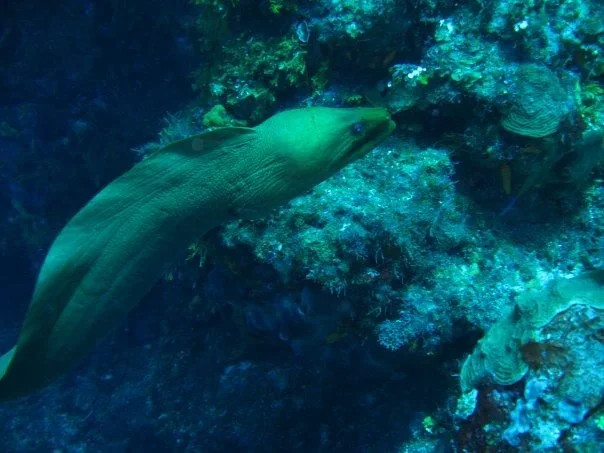
The underwater landscape of Horseshoe Reef features vibrant coral formations, serving as a habitat for diverse species. Moray eels are common inhabitants, often seen peeking from crevices within the reef structure.
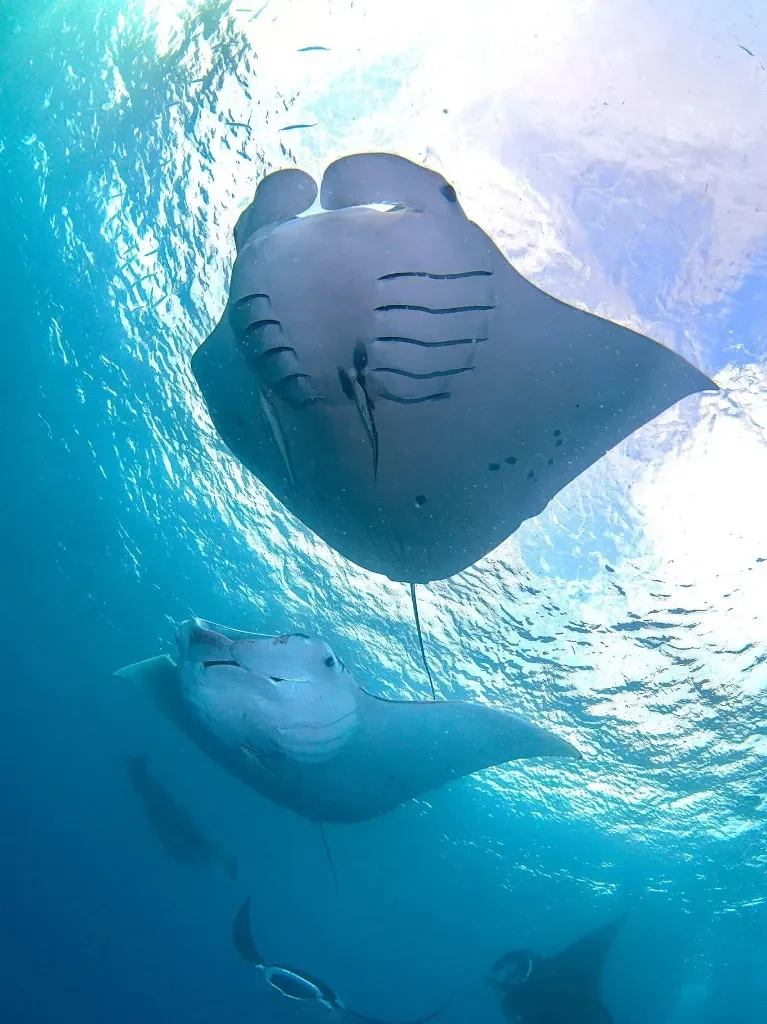
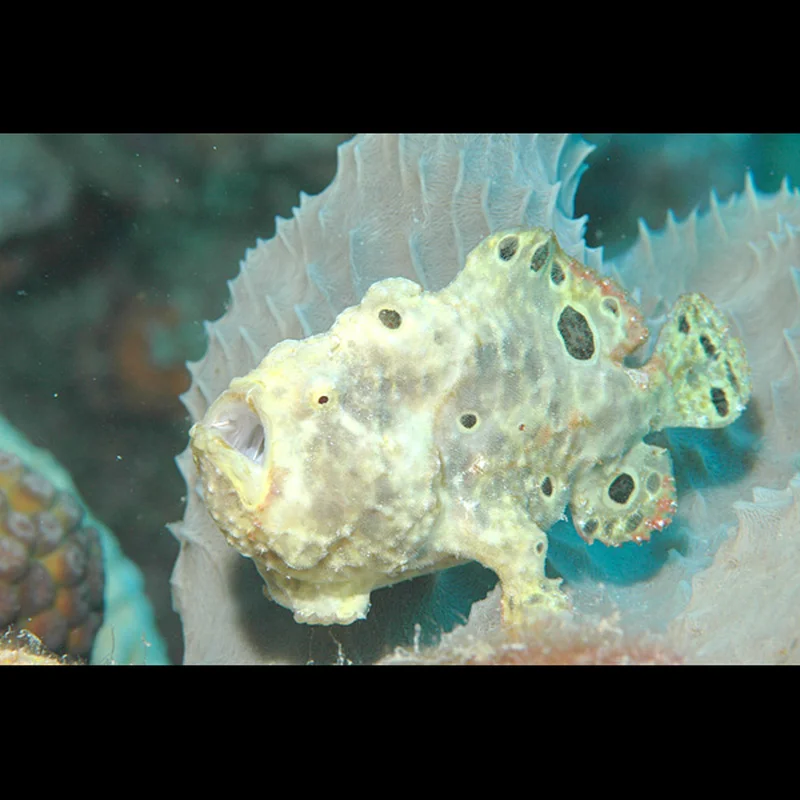
Frog fish frequently blend into their surroundings, offering a rewarding challenge for keen-eyed divers. Manta rays are observed passing through the area, adding an element of grand scale.
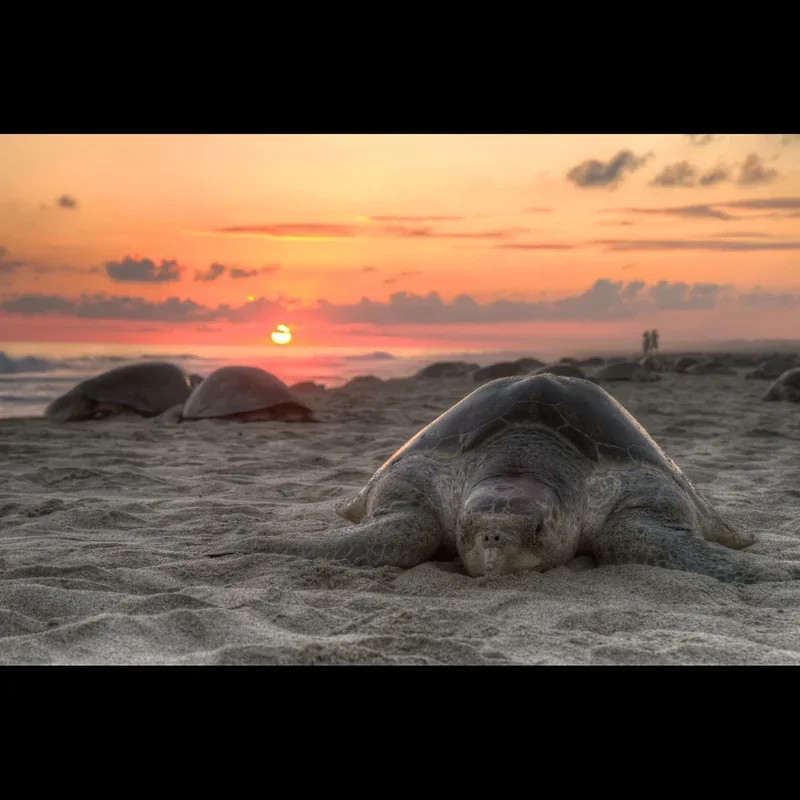
Sea turtles are also routinely spotted navigating the reef's contours. While rare, tiger shark sightings have been reported, emphasizing the dynamic nature of this marine environment. Rich substrate biodiversity further supports a variety of smaller invertebrates and fish, making every section of the reef engaging.

Dive Centers Near Horseshoe Beach Reef Site E1
Today: 11:00 - 19:00
Nearest Airports
Nearest airports to help plan travel to this dive area.
Search Flights
Check available flights and routes on Expedia, using the nearby airports listed in this section.
Search Flights on ExpediaFrequently Asked Questions
Is Horseshoe Reef suitable for beginner divers?
Yes, Horseshoe Reef is specifically noted for its accessibility and is suitable for both beginners and novice divers. Its relatively shallow maximum depth of 3 m (12 ft) allows for extended bottom times and a more relaxed pace.
What is the maximum depth at Horseshoe Reef?
The maximum depth at Horseshoe Reef is approximately 3 meters (12 feet). This makes it an ideal spot for recreational diving and for divers who prefer shallower exploration.
How do divers access Horseshoe Reef?
Access to Horseshoe Reef is exclusively by boat. Divers typically depart from nearby marinas, and boat entry is the standard procedure for exploring this site.
What kind of marine life can be seen at Horseshoe Reef?
Divers often encounter moray eels, frog fish, and sea turtles here. Manta rays are also observed, and there have been infrequent reports of tiger shark sightings.
Are there strong currents at Horseshoe Reef?
Currents generally remain manageable at Horseshoe Reef, consistent with its characterization as a drift reef. However, conditions can vary, so checking local reports before diving is always advised.
Is it possible to explore the entire reef in one dive?
Many divers find they can explore the entire horseshoe-shaped reef within a two-tank dive, particularly due to its shallower depths allowing for longer bottom times. Its structure is quite navigable.
What is the best time of year to dive Horseshoe Reef?
The dive scores suggest good conditions year-round. While water temperature data is limited, air temperatures are warmest from May to October, and rainfall is generally low, making these months potentially more comfortable for surface conditions.
Planning to dive Horseshoe Beach Reef Site E1?
Send one inquiry and receive offers directly from the best verified local dive operators.
Conditions are Excellent
07:00 - 14:00
Optimal conditions expected
Current conditions near Horseshoe Beach Reef Site E1 show 29° air, 30° sea temperature, 0.7 m waves, and 24 km/h wind. Forecast data is refreshed regularly to ensure accuracy.