
Diving at I-1, Lynn Silvertooth, 31-06 (United States)
Descending into the I-1, Lynn Silvertooth artificial reef site offers an immediate sense of purpose, guiding divers towards extensive man-made structures designed to foster marine ecosystems. Composed of concrete reefballs, pilings, and various rubble, these deployments form a subsea cityscape. Such varied topography provides both engaging exploration opportunities and critical habitat for a diverse array of marine life, inviting a deeper look into human-assisted ocean restoration.
Tonight's objective overview for I-1, Lynn Silvertooth, 31-06 shows an air temperature of 27.5°C. The measured surface conditions include wave heights around 0.5 m. This environmental data is logged for the close of the day.
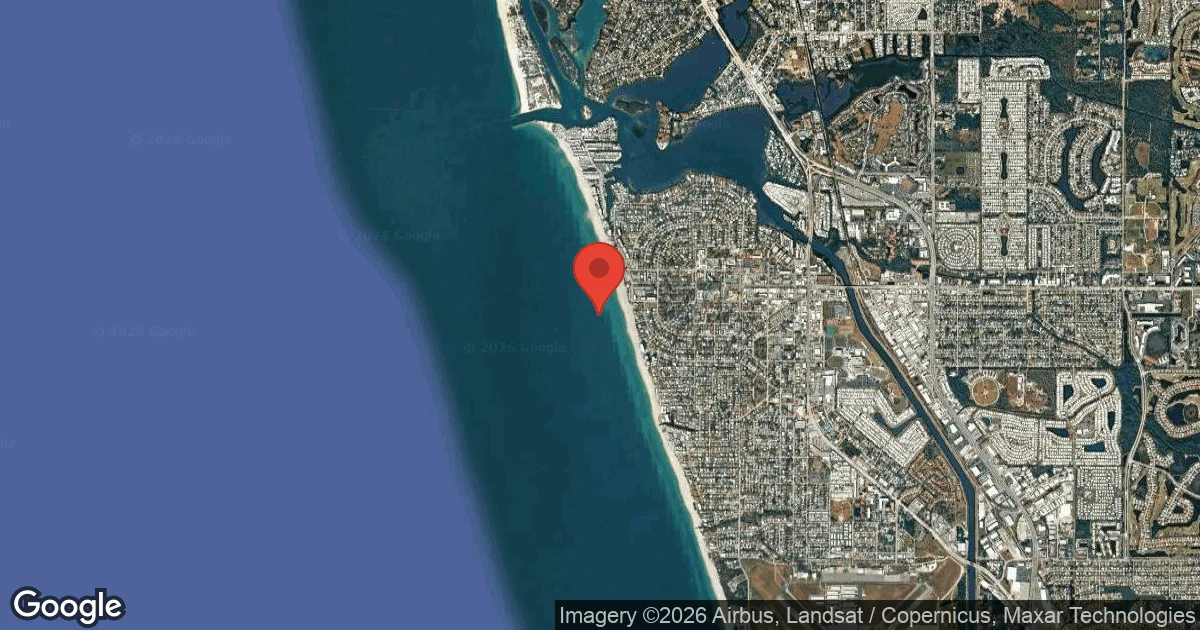
Dive Site Location & Key Facts
Dive Site Overview
What makes the I-1, Lynn Silvertooth sites particularly compelling is their extensive role in marine habitat restoration and enhancement within Sarasota County. These are not single points but rather a series of artificial reef deployments, crafted from a variety of materials including numerous concrete reefballs, pilings, decking with rails, rubble, and culverts.
They create a complex underwater landscape for both recreational fishing and SCUBA diving. With depths consistently around 30 m (100 ft) across many of its individual deployments, and a relief varying from 2-15 ft (0.6-4.6 m), these sites offer substantial vertical structure. This varied construction helps decrease user pressure on natural reefs and offers vital shelter, establishing rich foraging and breeding grounds for aquatic species. Exploring these structures reveals how purposeful deployment can transform the seabed.
Conditions are Good
Optimal conditions expected
Current conditions near I-1, Lynn Silvertooth, 31-06 show 28° air, 31° sea temperature, 0.3 m waves, and 21 km/h wind. Forecast data is refreshed regularly to ensure accuracy.
Best Time to Dive
Planning a dive at I-1, Lynn Silvertooth is most rewarding from May through September, when conditions generally rate as 'Excellent'. During these months, average air temperatures range from 25.5-28.5°C (78-83°F), accompanied by minimal rainfall, typically 2.1-9.3 mm (0.08-0.37 in). Wave heights tend to be lower, creating calmer surface conditions. Other months, while still rated 'Good' for diving, may present cooler air temperatures, ranging from 15.5-24.5°C (60-76°F), and potentially higher wind speeds or more variable rain patterns, which could affect overall comfort and dive site accessibility. Therefore, for optimal enjoyment, focusing on the late spring and summer months is advisable.
PEAK SEASON SCORE
Scores combine air & water temps, waves, wind & rainfall for overall conditions.
BEST MONTHS TO DIVE
Monthly records compiled from satellite and marine observation nodes over the last 3 years. Data provided by Open-Meteo and MET Norway.
Dive Experience & Conditions
Navigating the I-1, Lynn Silvertooth artificial reefs presents an engaging challenge, defined by varying underwater dynamics. While specific water temperature data isn't consistently reported, regional patterns suggest warmer waters during peak dive season. Depths at these sites generally hold at around 30 m (100 ft), providing ample bottom time for recreational limits depending on dive planning. Locating specific reef sections might require careful attention, as historical LORAN coordinates can be imprecise by 18-37 m (60-120 ft); therefore, using depth profile equipment and performing an outward spiral search from initial coordinates is a recommended approach. The varied relief, from 0.6-4.6 m (2-15 ft), creates interesting currents around the structures, enhancing the feeling of an active, dynamic ecosystem. Expect to encounter multiple distinct structures, each drawing marine life in its unique way.
Dive Difficulty & Safety Guidelines
Diving I-1, Lynn Silvertooth requires a good understanding of navigation and careful adherence to safe diving practices. Given the nature of artificial reef structures, divers should be mindful of potential entanglement hazards from discarded fishing lines or loose debris; a cutting tool is a prudent addition to your gear. The presence of significant structural relief means divers should control buoyancy effectively to avoid contact with the reef.
Furthermore, operating vessels in these waters demands vigilance for manatees, a protected species often injured by propeller strikes, particularly in shallower areas leading to the sites. Always practice proper catch and release to preserve the fragile marine ecosystem these reefs support. Consider the dive within your certified limits, especially with the 30 m (100 ft) maximum depth.
Recommended Equipment
- Dive Computer
This gear list is based on verified equipment signals for I-1, Lynn Silvertooth, 31-06, United States. Always confirm final gear choices with your dive operator, guide, or liveaboard.
Recommended Dive Suit
Individual comfort in the water can vary significantly from diver to diver, even under the same conditions.
For most recreational dives, dive skin or rash guard should provide comfortable protection. Consider warmer surface protection (like a boat coat) due to brisk winds. The coming days appear slightly cooler according to the latest forecast. Cooler days are ahead; you might want a warmer option for later in the week. Carrying a secondary suit is common practice among experienced divers.
Current temperature readings suggest that the water at I-1, Lynn Silvertooth, 31-06 is around 31°C (88°F). Surface air temperatures are resting at 28°C (82°F).
Due to technical issues with our weather providers, data hasn't been fetched for over 48 hours. The data above reflects the conditions at the time of the last successful fetch.
Emergency & Medical Support
Essential information to help you plan your dive trip to I-1, Lynn Silvertooth, 31-06.

Hyperbaric chambers are a critical part of dive safety infrastructure. Availability varies significantly by region, and not all dive areas have immediate access.
Before diving, it's recommended to:
- confirm nearest medical facilities
- check emergency procedures with local dive operators
- ensure dive insurance covers evacuation if required
Divers Alert Network
Diving emergency assistance available through DAN World.
+1-919-684-9111- 24/7 emergency hotline
- Diving medical assistance
- Evacuation coordination
Emergency contacts are provided for reference. Always verify local emergency services before diving.
Marine Life at I-1, Lynn Silvertooth, 31-06
The intricate underwater landscape created by the I-1, Lynn Silvertooth artificial reefs serves as a magnet for diverse marine inhabitants. Expect to see a variety of fish species seeking refuge and foraging opportunities within the concrete reefballs, pilings, and other structures.
These sites are recognized as vital nursery areas, offering essential food and shelter for juvenile fish and other aquatic organisms. Keep an eye out for larger predatory fish patrolling the periphery of the structures.
While specific sightings vary, the general health of the reef supports a thriving community, and occasional encounters with gentle manatees, as they inhabit the broader waters, are possible.

Dive Sites Near I-1, Lynn Silvertooth, 31-06
View all dive sites in United StatesDiscover more underwater gems in this area.
Dive Centers Near I-1, Lynn Silvertooth, 31-06
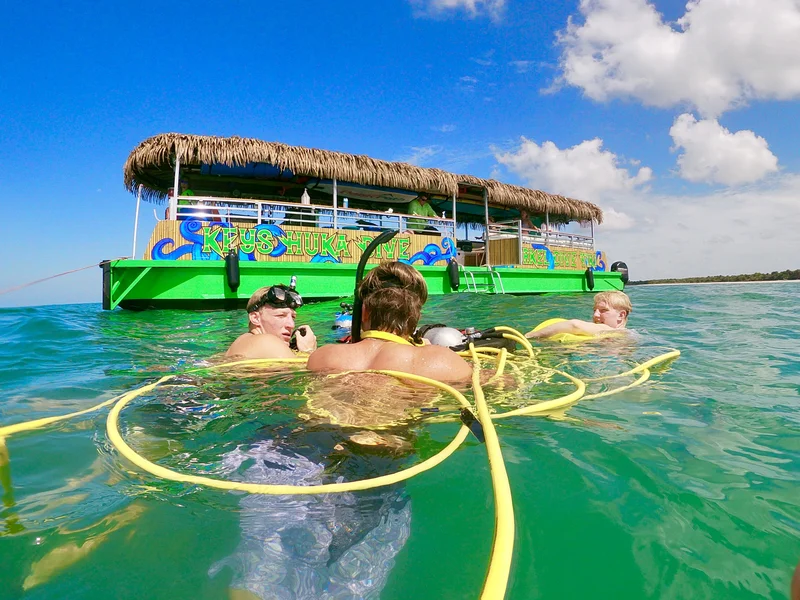
Today: 09:00 - 18:00
Nearest Airports
Nearest airports to help plan travel to this dive area.
Search Flights
Check available flights and routes on Expedia, using the nearby airports listed in this section.
Search Flights on Expedia
Plan Your Stay
Looking for a place to stay for your dive trip? Explore hotels, stays, and vacation rentals for dive groups near Siesta Key.
Dive Navigator may earn a commission from these links at no extra cost to you.
Frequently Asked Questions
What is the typical depth range for diving at I-1, Lynn Silvertooth?
I-1, Lynn Silvertooth artificial reef sites are consistently deployed at a maximum depth of 30 m (100 ft). These depths make them accessible for certified recreational divers, with adequate planning for bottom time.
What type of structures make up the artificial reefs?
These sites feature a variety of materials, primarily concrete reefballs, pilings, bridge decking with rails, rubble, and culverts. This diverse construction creates a complex and varied underwater environment.
How accurate are the coordinates for finding the reefs?
Historical LORAN coordinates can have a precision variance of 18-37 m (60-120 ft). It's recommended to use modern GPS, mark the location with a weighted float, and perform an outward spiral search with depth-finding equipment to locate specific reef sections.
Are there any specific safety concerns at these sites?
Divers should be aware of potential entanglement hazards from fishing lines due to the artificial structures. Always carry a cutting tool. Boaters must also be mindful of manatees, a protected species in these waters, to prevent propeller injuries.
What kind of marine life can I expect to see?
Artificial reefs at I-1, Lynn Silvertooth support a variety of marine life, including numerous fish species that use the structures for shelter and foraging. These areas serve as important nurseries. Sightings of manatees are also possible in the general vicinity.
When is the best time of year to dive I-1, Lynn Silvertooth?
Optimal diving conditions generally occur from May through September. During these months, conditions are often rated 'Excellent', with warmer air temperatures, calmer seas, and lower rainfall.
What is the purpose of these artificial reefs?
I-1, Lynn Silvertooth reefs were constructed to enhance recreational fishing and SCUBA diving opportunities. They also create and restore marine habitat, alleviating pressure on natural reef systems in the area.
Planning to dive I-1, Lynn Silvertooth, 31-06?
Send one inquiry and receive offers directly from the best verified local dive operators.
Conditions are Good
Optimal conditions expected
Current conditions near I-1, Lynn Silvertooth, 31-06 show 28° air, 31° sea temperature, 0.3 m waves, and 21 km/h wind. Forecast data is refreshed regularly to ensure accuracy.