
Diving at I-1, Lynn Silvertooth SE, Pallet Balls North (United States)
Lynn Silvertooth artificial reef complex presents a structured underwater environment. Composed of diverse materials, it was strategically deployed to foster marine ecosystems off Florida's coast. Primarily, it features numerous concrete reefballs, pilings, and bridge rubble. These components create a varied submerged topography, ranging in height and form. Its design aims to provide shelter and aggregation points for aquatic life within recreational diving depths.
Starting the day at I-1, Lynn Silvertooth SE, Pallet Balls North, the ambient air temperature is recorded at 29.5°C. Ongoing monitoring shows wave heights measuring 0.5 m. This data represents the current surface conditions for early activities.
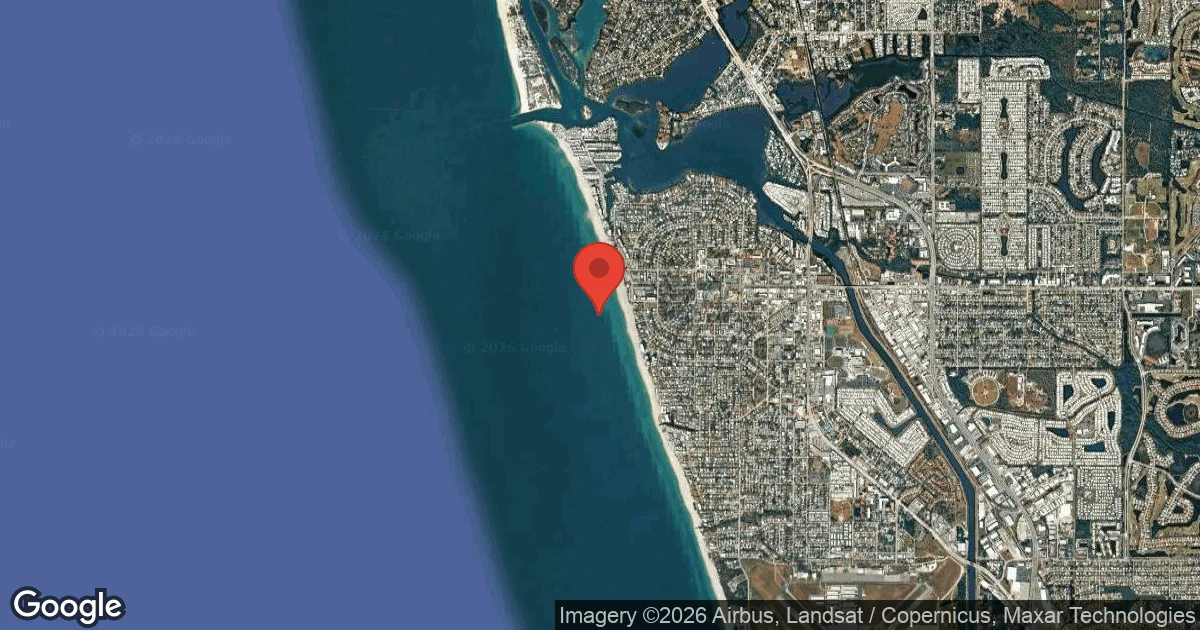
Dive Site Location & Key Facts
Dive Site Overview
Exploring the Lynn Silvertooth artificial reef offers a fascinating encounter with an engineered marine landscape. Divers descending here discover a sprawling underwater network, a result of multiple deliberate deployments.
You'll navigate extensive formations of concrete reefballs, some organized into distinct clusters identified as 'sites' such as RB-Parrot Head and Reefball Site #9. These particular features were deployed between 2003 and 2005, illustrating the gradual development of this habitat. Other areas hold substantial concrete rubble, remnants from bascule piers and stressing blocks, alongside sturdy bridge pilings and decking.
Submerged structures rise significantly from the seafloor, providing varying relief that typically ranges from 1 to 5 m (3 to 15 ft). Depths consistently around 9 m (30 ft) accommodate ample bottom time, allowing thorough exploration of the evolving artificial habitat.
Visibility often varies with local currents and recent rainfall, sometimes offering clear views of the structures and their inhabitants, other times presenting a more intimate, close-up experience. Expect to trace the contours of these diverse materials, observing how marine life has colonized new surfaces.
Navigating the different deployment zones, each with its unique blend of materials, requires careful attention to detail and good buoyancy control. Overall, a dive here provides a direct look into marine habitat restoration through artificial reef creation.
Conditions are Good
Optimal conditions expected
Current conditions near I-1, Lynn Silvertooth SE, Pallet Balls North show 29° air, 31° sea temperature, 0.2 m waves, and 28 km/h wind. Forecast data is refreshed regularly to ensure accuracy.
Best Time to Dive
Planning a dive at Lynn Silvertooth benefits from considering regional climate patterns. Visibility can be a primary factor; calmer conditions, often observed from May through September, typically offer better clarity. During these months, average air temperatures range from 25.5-28.5°C (78-83°F), accompanied by minimal wave heights, generally below 0.5 meters (1.6 feet). Rainfall tends to increase in June, July, and August, potentially affecting nearshore visibility, though dive scores remain 'Excellent'. Conversely, winter months from December to April bring cooler air temperatures, averaging 15.5-23°C (60-73°F), and can experience slightly choppier surface conditions, with wave heights often between 0.6-0.7 meters (2-2.5 feet). Specific water temperature data for this site is not consistently reported, but it generally follows seasonal air temperature trends.
PEAK SEASON SCORE
Scores combine air & water temps, waves, wind & rainfall for overall conditions.
BEST MONTHS TO DIVE
Monthly records compiled from satellite and marine observation nodes over the last 3 years. Data provided by Open-Meteo and MET Norway.
Dive Experience & Conditions
Your descent to the Lynn Silvertooth artificial reef will bring you to a series of varied structures. Once at depth, typically around 9 meters (30 ft), divers encounter extensive fields of concrete reefballs, often arranged in distinct clusters. Further exploration might reveal sections of robust bridge pilings, some standing tall with relief up to 4.5 meters (15 ft), or areas carpeted with concrete rubble and decking. Conditions can vary, with horizontal visibility often depending on recent weather and tidal activity. While specific water temperature readings are not regularly provided for this site, seasonal trends suggest warmer waters during summer and cooler conditions in winter, necessitating appropriate exposure protection. Currents are generally manageable but can vary, so assessing local reports before diving is advisable.
Dive Difficulty & Safety Guidelines
Approaching the Lynn Silvertooth artificial reef requires mindful navigation and adherence to safe diving practices. While explicit hazards specific to this site are not consistently reported, divers should always be aware of potential entanglement risks inherent with artificial structures such as pilings and rubble. Maintaining good buoyancy control is crucial to avoid disturbing the reef or stirring up sediment, which can reduce visibility.
Planning dives with appropriate no-decompression limits for the 9-meter (30 ft) average depth is recommended. Given the dispersed nature of some deployments, using surface markers or a reel for navigation between features, especially in lower visibility, can enhance safety.
Recommended Equipment
- Dive Computer
This gear list is based on verified equipment signals for I-1, Lynn Silvertooth SE, Pallet Balls North, United States. Always confirm final gear choices with your dive operator, guide, or liveaboard.
Recommended Dive Suit
The coming days appear slightly cooler according to the latest forecast. Cooler days are ahead; you might want a warmer option for later in the week. Divers planning multiple dives may appreciate having a warmer option available.
Two divers in the same water temperature may experience very different comfort levels. Stronger winds may also make surface intervals feel cooler than usual. Divers planning trips later in the week may want to consider bringing a slightly warmer suit.
Many divers find that dive skin or rash guard offers the right level of insulation for conditions like these. Consider warmer surface protection (like a boat coat) due to brisk winds. Divers preparing to enter the water at I-1, Lynn Silvertooth SE, Pallet Balls North will likely find temperatures around 31°C (88°F) today. Surface air temperatures are resting at 29°C (85°F).
Due to technical issues with our weather providers, live updates are temporarily delayed. The data above reflects the conditions at the time of the last successful fetch.
Emergency & Medical Support
Essential information to help you plan your dive trip to I-1, Lynn Silvertooth SE, Pallet Balls North.

Hyperbaric chambers are a critical part of dive safety infrastructure. Availability varies significantly by region, and not all dive areas have immediate access.
Before diving, it's recommended to:
- confirm nearest medical facilities
- check emergency procedures with local dive operators
- ensure dive insurance covers evacuation if required
Divers Alert Network
Diving emergency assistance available through DAN World.
+1-919-684-9111- 24/7 emergency hotline
- Diving medical assistance
- Evacuation coordination
Emergency contacts are provided for reference. Always verify local emergency services before diving.
Marine Life at I-1, Lynn Silvertooth SE, Pallet Balls North
The underwater landscape of the Lynn Silvertooth artificial reef, though not having specific marine life reported in detail for this site, inherently functions as a critical habitat. Concrete reefballs, pilings, and various rubble provide complex surfaces for encrusting organisms to colonize, forming a base for the food web.
These numerous crevices and sheltered areas are ideal for smaller fish seeking refuge, while larger pelagic species may aggregate around the structures for hunting or schooling. The diverse artificial topography creates an intricate ecosystem, drawing in a variety of coastal marine life seeking food, shelter, and breeding grounds.
Dive Sites Near I-1, Lynn Silvertooth SE, Pallet Balls North
View all dive sites in United StatesDiscover more underwater gems in this area.
Dive Centers Near I-1, Lynn Silvertooth SE, Pallet Balls North
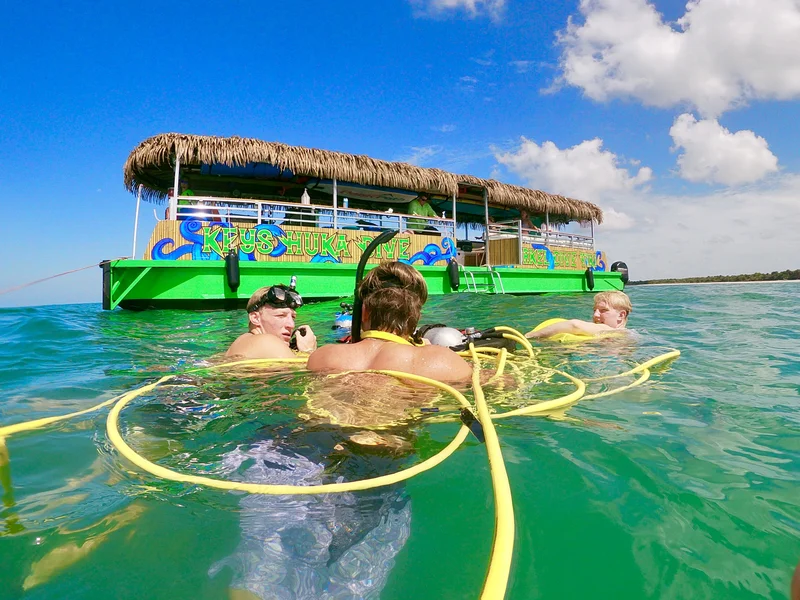
Today: 09:00 - 18:00
Nearest Airports
Nearest airports to help plan travel to this dive area.
Search Flights
Check available flights and routes on Expedia, using the nearby airports listed in this section.
Search Flights on Expedia
Plan Your Stay
Looking for a place to stay for your dive trip? Explore hotels, stays, and vacation rentals for dive groups near Siesta Key.
Dive Navigator may earn a commission from these links at no extra cost to you.
Frequently Asked Questions
What kind of structures make up the Lynn Silvertooth artificial reef?
The reef complex consists of various materials, including numerous concrete reefballs, substantial concrete rubble from bascule piers and stressing blocks, and bridge pilings and decking. These were deployed across multiple sites within the complex.
What are the typical diving depths at the Lynn Silvertooth reef?
Most of the deployments at the Lynn Silvertooth artificial reef are found at an average depth of 9 meters (30 ft). The structures themselves offer vertical relief, rising typically between 1 to 5 meters (3 to 15 ft) from the seafloor.
When is the best time to dive for optimal conditions?
The months from May through September generally offer the best surface conditions, with lower wave heights and warmer air temperatures. However, increased rainfall during summer might reduce visibility at times. Winter months provide cooler air temperatures and potentially choppier seas.
Is water temperature information available for this site?
Specific water temperature data for the Lynn Silvertooth reef is not consistently reported. Divers should plan for seasonal variations, typically warmer in summer and cooler in winter, and adjust their exposure protection accordingly.
Are there any specific hazards reported for diving this site?
While explicit hazards are not consistently reported for this specific site, general precautions for artificial reefs apply. Divers should be mindful of potential entanglement with structures and maintain excellent buoyancy control to prevent stirring up sediment.
What type of marine life can be expected at an artificial reef like this?
Although specific species highlights are not detailed for this site, artificial reefs like Lynn Silvertooth commonly attract diverse marine life. The structures provide habitat for small reef fish, crustaceans, and various invertebrates, while larger fish may visit for feeding or shelter.
How accurate are the GPS coordinates for navigating to the reef, given older data?
The deployment records for the Lynn Silvertooth site often specify WAAS or DGPS accuracy, which are generally precise. However, given that some older records use LORAN coordinates, which can be less precise, using a weighted float and conducting an outward spiral search with a depth sounder is a reliable approach.
Planning to dive I-1, Lynn Silvertooth SE, Pallet Balls North?
Send one inquiry and receive offers directly from the best verified local dive operators.
Conditions are Good
Optimal conditions expected
Current conditions near I-1, Lynn Silvertooth SE, Pallet Balls North show 29° air, 31° sea temperature, 0.2 m waves, and 28 km/h wind. Forecast data is refreshed regularly to ensure accuracy.