
Diving at I-1, Lynn Silvertooth, Site #39 (United States)
Visibility at I-1, Lynn Silvertooth, Site #39 often dictates the dive experience, with conditions influencing the clarity of its artificial reef structures. This site, composed primarily of concrete bridge materials, sits within a recreational depth range and serves as a habitat for various marine species. Understanding typical water clarity patterns here is key for planning an effective dive.
Tonight's objective overview for I-1, Lynn Silvertooth, Site #39 shows an air temperature of 25°C. The measured surface conditions include wave heights around 0.2 m. This environmental data is logged for the close of the day.
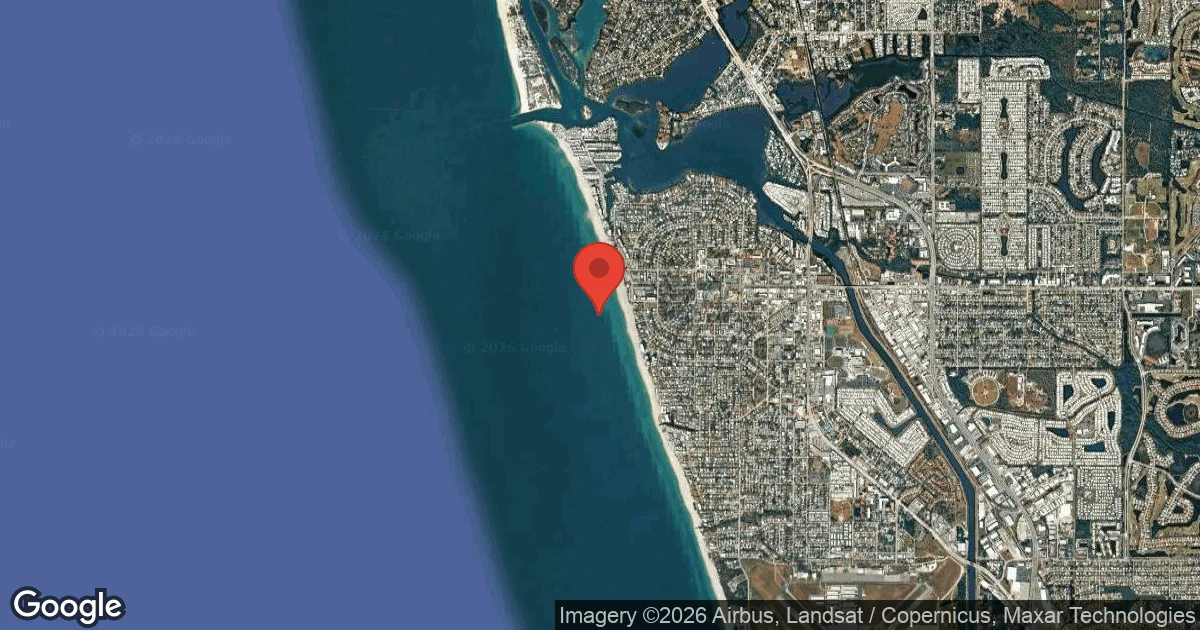
Dive Site Location & Key Facts
Dive Site Overview
The I-1, Lynn Silvertooth, Site #39, functions as a substantial artificial reef, primarily constructed from concrete pilings and extensive bascule pier rubble, along with other bridge materials. Here, divers explore a carefully designed environment featuring 40 concrete pilings and roughly 7930 tons of Ringling Bridge remnants.
These elements create a robust, complex underwater landscape offering both shelter and foraging opportunities. Resting on a sandy bottom, the site's maximum depth typically reaches 9 m (30 ft), ensuring accessibility for a wide array of certified divers. Significant vertical relief, with structures rising up to 3 m (10 ft) off the seabed, adds considerable dimension to the exploration.
The arrangement of concrete structures forms an intricate network, bolstering local marine habitats and drawing in diverse species, thereby reducing stress on nearby natural reefs. Divers navigating the site can expect varied conditions around these large, man-made formations.
Conditions are Good
Optimal conditions expected
Current conditions near I-1, Lynn Silvertooth, Site #39 show 25° air, 31° sea temperature, 0.2 m waves, and 24 km/h wind. Forecast data is refreshed regularly to ensure accuracy.
Best Time to Dive
Planning a dive at Lynn Silvertooth Site #39 benefits from understanding seasonal weather patterns that influence conditions. The most favorable period, often labeled 'Excellent' for diving, generally spans from May through July and extends into September, with air temperatures averaging 25.5-28.5°C (78-83°F). During these months, wave heights are typically lower, often around 0.3-0.5 m (1.0-1.6 ft), which usually corresponds to improved water clarity. Rainfall is also a factor, with August reporting higher averages; however, overall dive scores remain high. Other months typically offer 'Good' diving conditions, with consistent air temperatures between 15.5-24.5°C (60-76°F) and moderate wave activity.
PEAK SEASON SCORE
Scores combine air & water temps, waves, wind & rainfall for overall conditions.
BEST MONTHS TO DIVE
Monthly records compiled from satellite and marine observation nodes over the last 3 years. Data provided by Open-Meteo and MET Norway.
Dive Experience & Conditions
Upon descending to I-1, Lynn Silvertooth, Site #39, divers quickly encounter an extensive network of concrete structures. The site's primary depth is in the recreational range, typically around nine meters, offering ample bottom time for exploration. Water temperatures are not consistently reported but generally align with regional averages, varying seasonally. During the warmer months, surface water temperatures tend to be comfortable for diving. Prevailing currents can be present, as is common with nearshore artificial reefs, and vary depending on tidal shifts and weather; however, conditions are generally suitable for recreational divers. Visibility can fluctuate, often influenced by recent rainfall, tidal flow, and particulate matter in the water column, typical for a site comprised of concrete rubble.
Dive Difficulty & Safety Guidelines
Approaching this artificial reef requires attention to local boat traffic and responsible anchoring practices. As an artificial reef primarily composed of concrete structures, divers should be aware of potential sharp edges or entanglement hazards, particularly around the pilings and bridge rubble. Adhering to recreational dive limits remains essential, given the site's shallow maximum depth.
It's also critical to note that manatees inhabit these waters; exercising caution and maintaining respectful distances is paramount for their protection. Divers should always carry appropriate surface signaling devices and be mindful of local fishing regulations, as this site is also used by anglers.
Recommended Equipment
- Dive Computer
This gear list is based on verified equipment signals for I-1, Lynn Silvertooth, Site #39, United States. Always confirm final gear choices with your dive operator, guide, or liveaboard.
Recommended Dive Suit
According to recent observations, water temperatures near I-1, Lynn Silvertooth, Site #39 are approximately 31°C (87°F). Surface air temperatures are resting at 25°C (77°F).
The next few days appear likely to bring similar environmental conditions.
Most divers exploring waters at this temperature rely on dive skin or rash guard for effective insulation. A hood or vest is suggested for sensitive divers due to surface winds. Water temperature is only one factor influencing overall comfort during a dive.
Emergency & Medical Support
Essential information to help you plan your dive trip to I-1, Lynn Silvertooth, Site #39.

Hyperbaric chambers are a critical part of dive safety infrastructure. Availability varies significantly by region, and not all dive areas have immediate access.
Before diving, it's recommended to:
- confirm nearest medical facilities
- check emergency procedures with local dive operators
- ensure dive insurance covers evacuation if required
Divers Alert Network
Diving emergency assistance available through DAN World.
+1-919-684-9111- 24/7 emergency hotline
- Diving medical assistance
- Evacuation coordination
Emergency contacts are provided for reference. Always verify local emergency services before diving.
Marine Life at I-1, Lynn Silvertooth, Site #39
The array of concrete pilings and bridge rubble at Lynn Silvertooth Site #39 creates a thriving artificial reef habitat. Within this constructed underwater landscape, divers might observe various fish species commonly found in Sarasota Bay.
Look for snook, redfish, and pompano navigating the crevices of the concrete structures. Mackerel, ladyfish, and sheepshead are also regular inhabitants, utilizing the extensive relief for shelter and hunting.
Occasionally, larger kingfish or tarpon may visit the reef, especially during seasonal migrations, adding to the dynamic ecosystem supported by this site.

Dive Sites Near I-1, Lynn Silvertooth, Site #39
View all dive sites in United StatesDiscover more underwater gems in this area.
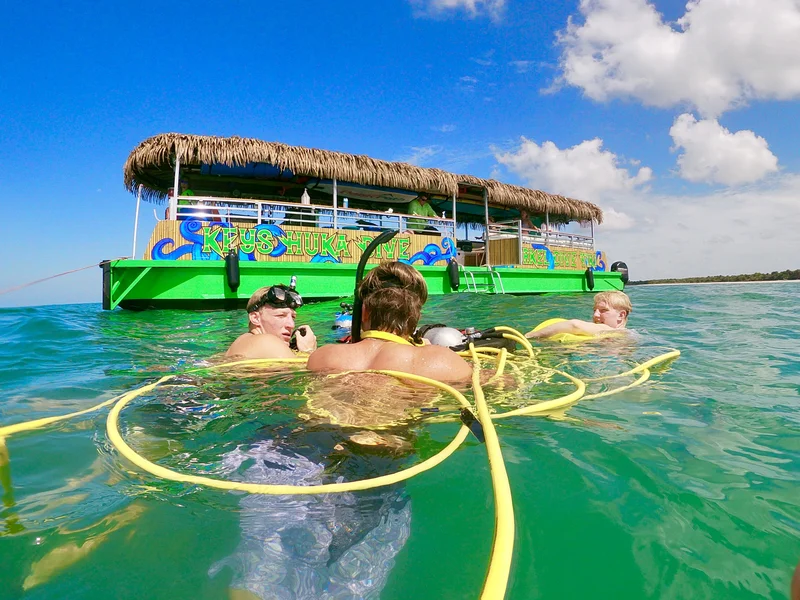
Dive Centers Near I-1, Lynn Silvertooth, Site #39
Today: 09:00 - 18:00
Nearest Airports
Nearest airports to help plan travel to this dive area.
Search Flights
Check available flights and routes on Expedia, using the nearby airports listed in this section.
Search Flights on Expedia
Plan Your Stay
Looking for a place to stay for your dive trip? Explore hotels, stays, and vacation rentals for dive groups near Siesta Key.
Dive Navigator may earn a commission from these links at no extra cost to you.
Frequently Asked Questions
What type of structures make up I-1, Lynn Silvertooth, Site #39?
This site is primarily composed of various concrete materials, including 40 concrete pilings and approximately 7930 tons of Ringling Bridge material, such as bascule pier and bridge rubble. These elements create a complex artificial reef habitat.
What is the typical depth for diving at this site?
Divers exploring I-1, Lynn Silvertooth, Site #39 will find it to be a shallow dive, with a consistent maximum depth of around 9 m (30 ft). This makes it suitable for most recreational divers.
What is the best time of year to dive I-1, Lynn Silvertooth, Site #39?
The optimal period for diving usually falls between May and July, and then again in September. During these months, conditions are often rated 'Excellent,' characterized by warmer air temperatures and generally lower wave heights, contributing to better visibility.
What kind of marine life can I expect to see here?
The artificial reef attracts a variety of species. Divers frequently observe snook, redfish, pompano, mackerel, and sheepshead utilizing the concrete structures. Larger fish like kingfish or tarpon can also be spotted, particularly during their migratory seasons.
Are there any specific hazards to be aware of?
As with any artificial reef, divers should exercise caution around the concrete pilings and rubble, as they may have sharp edges or present entanglement risks. It's also crucial to be aware of local boat traffic and the presence of manatees, ensuring respectful interactions.
How much vertical relief does the reef offer?
The constructed elements at I-1, Lynn Silvertooth, Site #39 provide significant vertical relief. Some materials rise as much as 3 m (10 ft) from the seabed, creating varied structures for marine life and interesting features for divers to explore.
Is this site suitable for beginner divers?
Given its maximum depth of nine meters and generally manageable conditions, this site is suitable for certified recreational divers. However, always assess current conditions and personal experience levels, especially regarding potential currents and visibility variations.
Planning to dive I-1, Lynn Silvertooth, Site #39?
Send one inquiry and receive offers directly from the best verified local dive operators.
Conditions are Good
Optimal conditions expected
Current conditions near I-1, Lynn Silvertooth, Site #39 show 25° air, 31° sea temperature, 0.2 m waves, and 24 km/h wind. Forecast data is refreshed regularly to ensure accuracy.