
Diving at Indian River Inlet (United States)
Indian River Inlet connects the Rehoboth Bay and Indian River Bay with the Atlantic Ocean, creating a dynamic channel environment. The site is characterized by significant rock jetties and the towering presence of the Indian River Inlet bridge. Divers typically enter from the shore, navigating the rocky shoreline before descending into the inlet's primary flow. It's a shore diving location, with the structure of this waterway defining much of the underwater experience.
Tonight's objective overview for Indian River Inlet shows an air temperature of 17.5°C. The measured surface conditions include wave heights around 0.4 m. This environmental data is logged for the close of the day.
Dive Site Location & Key Facts
Dive Site Overview
Diving the Indian River Inlet offers a distinct challenge and reward, largely defined by its strong currents and a surprisingly vibrant nocturnal marine soundscape. Successful dives here hinge on precise timing, often an hour after high tide for slack water, although low slack is also sometimes attempted.
The currents can be quite powerful, requiring divers to carefully monitor conditions to avoid being swept away, particularly on outgoing tides. Night diving is a particularly favored approach for many experienced local divers, providing a serene experience with fewer boats and a different perspective on the active ecosystem. Below the surface, divers might encounter a diverse array of marine life, from various crustaceans and fish to larger rays and occasionally sharks.
It's an environment where unexpected interactions, like a flounder knocking a flashlight from a diver's hand, are part of the adventure.
Conditions are Excellent
07:00 - 14:00
Optimal conditions expected
Current conditions near Indian River Inlet show 18° air, 24° sea temperature, 0.7 m waves, and 15 km/h wind. Forecast data is refreshed regularly to ensure accuracy.
Best Time to Dive
Experiencing the Indian River Inlet is generally best from late spring through early fall, when warmer air temperatures align with optimal conditions. July often stands out as an excellent month, with average air temperatures around 26°C (79°F) and the lowest wave heights, contributing to calmer surface conditions. While general dive scores remain 'Good' for most of the year, marine life activity significantly increases in the summer months. Less rain also typically occurs from August to December, which can correlate with better visibility. Diving at night during these warmer periods can be particularly appealing, offering a peaceful experience away from daytime boat traffic and sun.
PEAK SEASON SCORE
Scores combine air & water temps, waves, wind & rainfall for overall conditions.
BEST MONTHS TO DIVE
Monthly records compiled from satellite and marine observation nodes over the last 3 years. Data provided by Open-Meteo and MET Norway.
Dive Experience & Conditions
Divers often find themselves exploring a range of depths at Indian River Inlet, typically staying between 4.5 to 6 m (15 to 20 ft) but occasionally working their way down to a maximum depth of 13.7 m (45 ft). The primary challenge lies in managing the relentless current. On the south side, currents can swirl, sometimes running in an opposite direction along the shoreline, creating complex navigation scenarios. Visibility is not consistently reported and can vary dramatically; it can range from hand-in-front-of-face obscurity, especially during low tide, to more favorable conditions. Successfully navigating these waters requires a keen awareness of tidal charts and an understanding of how the current behaves at various points within the channel, allowing divers to extend their bottom time by utilizing calmer pockets of water.
Dive Difficulty & Safety Guidelines
Diving at Indian River Inlet demands proficient current management and navigation skills from all participants. Divers must consult current charts diligently, planning entries and exits around slack tide to avoid potentially dangerous conditions. Strong outgoing currents can quickly become unmanageable, potentially requiring divers to pull themselves along rocks to reach the surface or shore.
The entry and exit points over the rocks can be slippery, especially during low tide when they are exposed. A compass is an essential piece of equipment here, as disorientation can occur quickly, even when swimming into a perceived current.
Night diving, while popular, adds an additional layer of complexity, making current assessment and navigation more challenging; proper training and experience for night diving are strongly recommended.
Recommended Equipment
- Dive Computer
This gear list is based on verified equipment signals for Indian River Inlet, United States. Always confirm final gear choices with your dive operator, guide, or liveaboard.
Recommended Dive Suit
Water temperatures at Indian River Inlet are currently estimated to be around 24°C (76°F), shaping the overall diving conditions for today. Surface air temperatures are resting at 18°C (64°F).
Many divers choose 3mm wetsuit when diving in similar conditions.
Surface conditions are expected to warm up slightly in the coming days. A warming trend is expected over the next few days.
Due to technical issues with our weather providers, data hasn't been fetched for over 48 hours. The data above reflects the conditions at the time of the last successful fetch.
Emergency & Medical Support
Essential information to help you plan your dive trip to Indian River Inlet.

Hyperbaric chambers are a critical part of dive safety infrastructure. Availability varies significantly by region, and not all dive areas have immediate access.
Before diving, it's recommended to:
- confirm nearest medical facilities
- check emergency procedures with local dive operators
- ensure dive insurance covers evacuation if required
Divers Alert Network
Diving emergency assistance available through DAN World.
+1-919-684-9111- 24/7 emergency hotline
- Diving medical assistance
- Evacuation coordination
Emergency contacts are provided for reference. Always verify local emergency services before diving.
Marine Life at Indian River Inlet
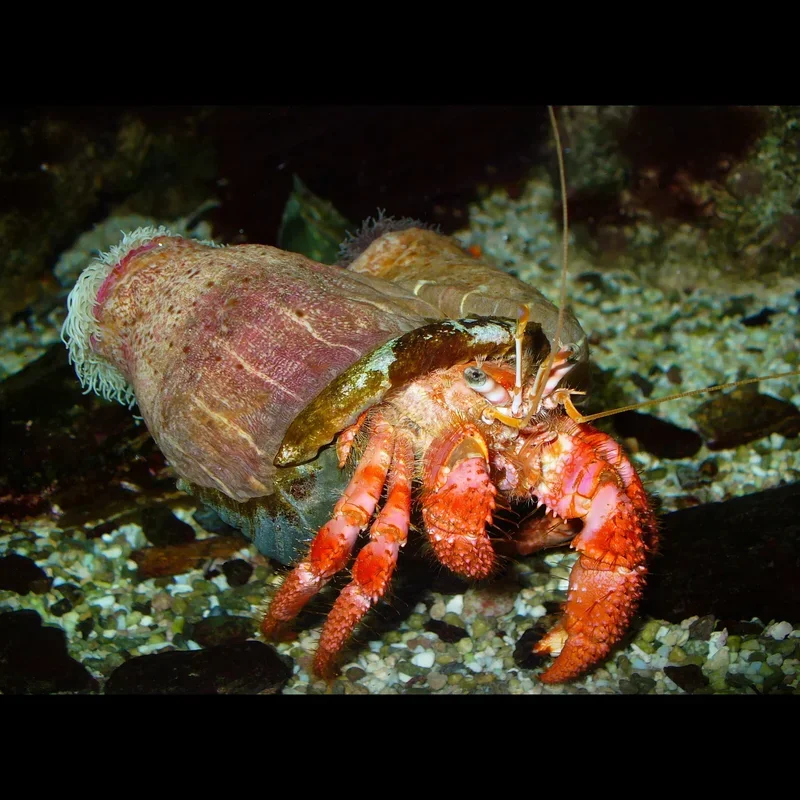
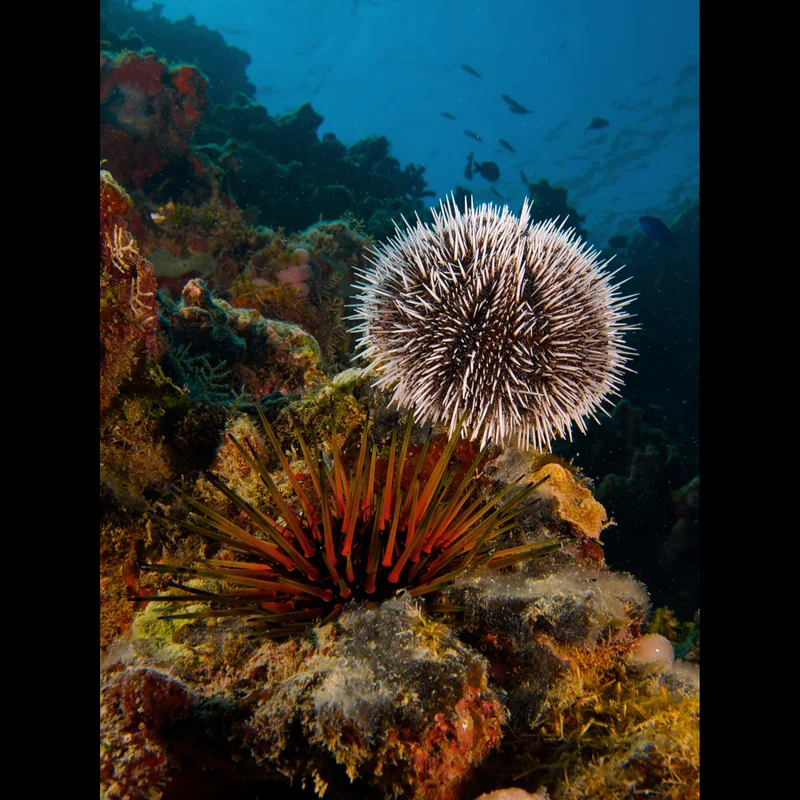
Descending into Indian River Inlet, divers are often immediately struck by the sheer volume of invertebrate life. You might notice sea urchins, starfish, and a variety of crabs, including blue, horseshoe, spider, and hermit crabs, scuttling across the sandy bottom and rocky surfaces.
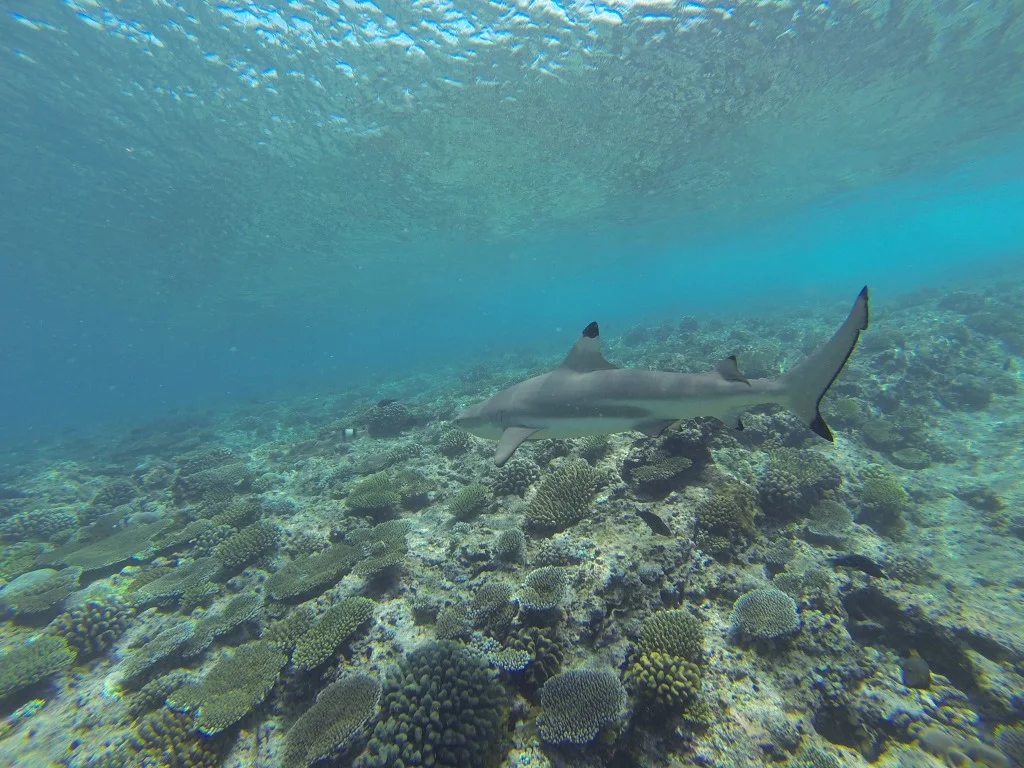
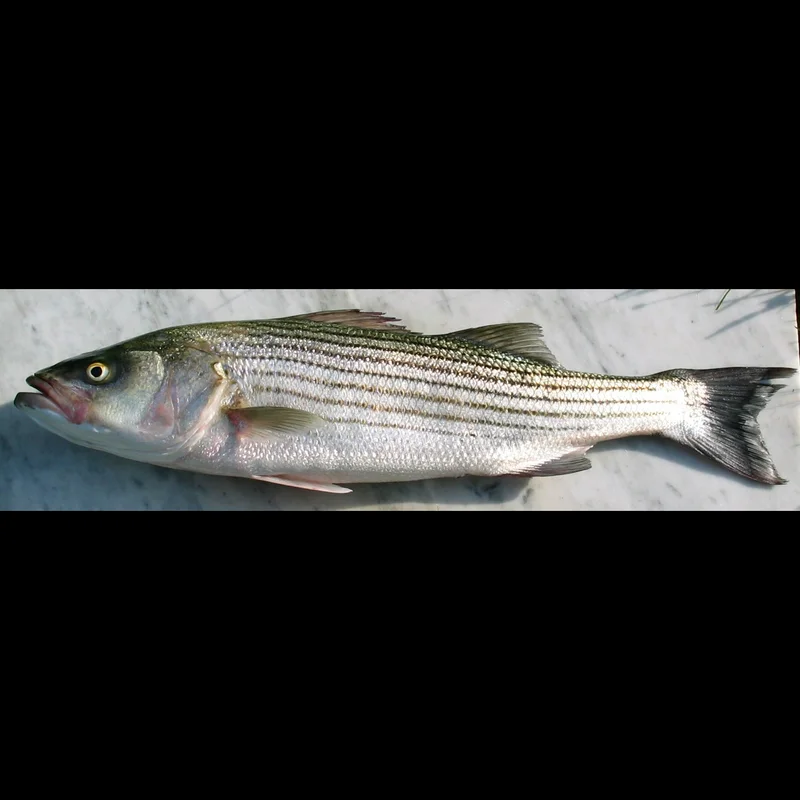
Schools of small fish like sea bass and croakers are common, and some divers have even observed beautiful butterfly fish. Larger encounters can include eels up to 1.8 m (6 ft) long, rays with wingspans of similar size, and occasionally, sharks.
Night diving reveals another sensory layer, with a surprising amount of fish noise; oyster toadfish emit bullhorn-like calls, and croakers create sounds resembling machine-gun fire, adding to the unique underwater experience.

Dive Centers Near Indian River Inlet

Today: 09:00 - 17:00
Nearest Airports
Nearest airports to help plan travel to this dive area.
Search Flights
Check available flights and routes on Expedia, using the nearby airports listed in this section.
Search Flights on Expedia
Plan Your Stay
Looking for a place to stay for your dive trip? Explore hotels, stays, and vacation rentals for dive groups near Long Neck.
Dive Navigator may earn a commission from these links at no extra cost to you.
Frequently Asked Questions
What is the typical maximum depth for diving at Indian River Inlet?
Most dives at Indian River Inlet range from 4.5 to 6 meters (15 to 20 feet), with some divers occasionally reaching deeper sections of up to 13.7 meters (45 feet). It's a site that generally stays within recreational depth limits.
How important is timing a dive with the tides?
Timing is critical when diving the Inlet. Divers must consult a dive chart and plan their entries around slack tide, typically about an hour after high tide. Diving outside of slack tide means contending with very strong currents.
What can I expect regarding underwater visibility?
Visibility at Indian River Inlet is highly variable. It's not consistently reported but can range from very poor, especially during low tide, to moderately clear. Conditions depend heavily on recent weather and tidal flow.
Is night diving common at this site?
Yes, night diving is quite popular at Indian River Inlet among experienced local divers. The nighttime offers a more peaceful experience with less boat traffic and allows for unique observations of nocturnal marine life and their vocalizations.
What kind of marine life might I see?
The Inlet is home to diverse marine life. You can often see various crabs, sea urchins, starfish, coral, yellow sponge, squid, and shrimp. Fish like sea bass, croakers, flounder, tautog, and sheepshead are common, with sightings of longer eels, rays, and even sharks.
What is the recommended skill level for diving here?
Due to unpredictable currents and variable visibility, Indian River Inlet is best suited for experienced divers with excellent buoyancy control and strong navigation skills. Advanced certifications like Drift Diver or an Underwater Navigator course would be beneficial.
Are there any specific entry or exit challenges?
Entering and exiting the water at the Inlet often involves navigating slippery rocks. This can be particularly challenging during low tide when more of the rocky shoreline is exposed. Divers should use caution and appropriate footwear.
Planning to dive Indian River Inlet?
Send one inquiry and receive offers directly from the best verified local dive operators.
Conditions are Excellent
07:00 - 14:00
Optimal conditions expected
Current conditions near Indian River Inlet show 18° air, 24° sea temperature, 0.7 m waves, and 15 km/h wind. Forecast data is refreshed regularly to ensure accuracy.