
Diving at Inner Airplane Site (United States)
Exploring the Inner Airplane Site, also known as the USS Oriskany, presents a significant challenge even for experienced recreational divers. This massive artificial reef, resting at depths up to 67 m (220 ft), demands careful dive planning and disciplined gas management. While its sheer scale can be intimidating, descending upon this former aircraft carrier quickly transforms into an experience of profound wonder, revealing a truly unique underwater landscape.
Tonight's objective overview for Inner Airplane Site shows an air temperature of 28.5°C. The measured surface conditions include wave heights around 1.4 m. This environmental data is logged for the close of the day.
Dive Site Location & Key Facts
Dive Site Overview
Imagine descending into the blue, watching a colossal aircraft carrier materialize from the depths – that's the powerful narrative awaiting divers at the Inner Airplane Site, the USS Oriskany. Sunk intentionally in 2006, this former warship now rests upright, reaching its maximum depths in the Gulf of Mexico.
Its sheer presence evokes a sense of awe, making it a truly captivating dive destination. Regional operators emphasize treating this wreck like a wall, implying that while vast, safe exploration relies on managing one's depth and gas supply. The superstructure, particularly the control tower, is the main focus for recreational divers, beginning around 25 m (80 ft) and extending deeper.
Significant preparation transformed the vessel into a diver-friendly environment; insulation and wiring were largely removed to prevent entanglement, and numerous doorways were welded open. Additional egress points were cut into rooms within the superstructure, enhancing safety and accessibility.
Divers will find excellent swim-through opportunities where hazards were cleared. Given its massive scale, even with visibility often between 18 and 30 meters, maintaining depth and air consumption is paramount for an enjoyable dive.
Conditions are Good
Optimal conditions expected
Current conditions near Inner Airplane Site show 28° air, 28° sea temperature, 0.8 m waves, and 22 km/h wind. Forecast data is refreshed regularly to ensure accuracy.
Best Time to Dive
Optimizing for maximum visibility and comfortable surface conditions significantly enhances a dive at the Inner Airplane Site. During the months of May through August, as well as November, conditions are generally rated 'Good' for diving. These periods often present the clearest water, allowing divers to appreciate the Oriskany's immense scale from a distance. Visibility typically ranges from 18 to 30 meters, though it varies depending on specific weather and current patterns. From May through August, air temperatures are warm, averaging from 24°C (75°F) in May to 28°C (82°F) in August. Rainfall during these warmer months tends to be moderate, with July showing lower averages around 1.7 mm. November also provides favorable conditions, with an average air temperature of 21°C (70°F) and minimal rainfall around 1.25 mm. Conversely, October typically sees higher wave activity and reduced dive scores, making it a less ideal time for planning a visit.
PEAK SEASON SCORE
Scores combine air & water temps, waves, wind & rainfall for overall conditions.
BEST MONTHS TO DIVE
Monthly records compiled from satellite and marine observation nodes over the last 3 years. Data provided by Open-Meteo and MET Norway.
Dive Experience & Conditions
The Inner Airplane Site presents a varied depth profile, catering to different certification levels while challenging all divers. Its control tower, known as "the Island," is the primary focus for recreational divers, beginning at approximately 25 meters and extending downwards. For those with appropriate training, the flight deck lies considerably deeper, at around 44-45 m (145-146 ft). Beyond these recreational limits, the lower sections of the wreck rest at its deepest points, accessible only to advanced or technical divers. Visibility on this site is frequently good, often ranging from 18 to 30 meters. This aids significantly in navigation, allowing divers to orient themselves using the large structure of the control tower. However, good visibility can also lead to an illusion of proximity, making it easy to inadvertently exceed planned depths or accelerate air consumption. Divers must be vigilant in managing their gas supply throughout the dive, especially when exploring deeper sections.
Dive Difficulty & Safety Guidelines
Diving the Inner Airplane Site requires careful adherence to specific safety guidelines, framed by its immense scale and depth. Due to the challenges presented by this deep wreck, all divers must have a minimum of 20 logged dives. Open Water divers without advanced or deep diver specialty certifications must use a guide and show proof of two logged dives within the last year or complete a refresher.
Certified Advanced divers or those with deep diver specialties need two logged dives at or below 24 m (80 ft) in the past year to dive without a guide, or two logged dives within the last year to dive with one. An alternate air source, such as an octopus or redundant system, is mandatory.
A safety sausage or similar marker device and whistle are also required for surface signaling. It's crucial to remember that internal layouts have changed, rendering original deck plans unreliable.
Significant penetrations are difficult and risky; divers must not enter the ship without specialized training.
Recommended Equipment
- Dive Computer
This gear list is based on verified equipment signals for Inner Airplane Site, United States. Always confirm final gear choices with your dive operator, guide, or liveaboard.
Recommended Dive Suit
According to recent observations, water temperatures near Inner Airplane Site are approximately 28°C (83°F). Surface air temperatures are resting at 28°C (83°F).
A modest cooling trend is expected in the upcoming forecast. Cooler days are ahead; you might want a warmer option for later in the week. A neoprene vest or hood can add flexibility if temperatures feel cooler underwater.
Divers who prefer moderate insulation typically choose 2-3mm shorty or light wetsuit in similar environments. Consider warmer surface protection (like a boat coat) due to brisk winds. Many experienced divers adjust their exposure protection depending on the type of dive planned. Stronger winds may also make surface intervals feel cooler than usual.
Due to technical issues with our weather providers, data hasn't been fetched for over 48 hours. The data above reflects the conditions at the time of the last successful fetch.
Emergency & Medical Support
Essential information to help you plan your dive trip to Inner Airplane Site.

Hyperbaric chambers are a critical part of dive safety infrastructure. Availability varies significantly by region, and not all dive areas have immediate access.
Before diving, it's recommended to:
- confirm nearest medical facilities
- check emergency procedures with local dive operators
- ensure dive insurance covers evacuation if required
Divers Alert Network
Diving emergency assistance available through DAN World.
+1-919-684-9111- 24/7 emergency hotline
- Diving medical assistance
- Evacuation coordination
Emergency contacts are provided for reference. Always verify local emergency services before diving.
Marine Life at Inner Airplane Site
The Inner Airplane Site has transformed into a vibrant marine ecosystem, attracting a diverse range of aquatic inhabitants. It immediately became a beacon for marine life, establishing itself as a robust habitat.
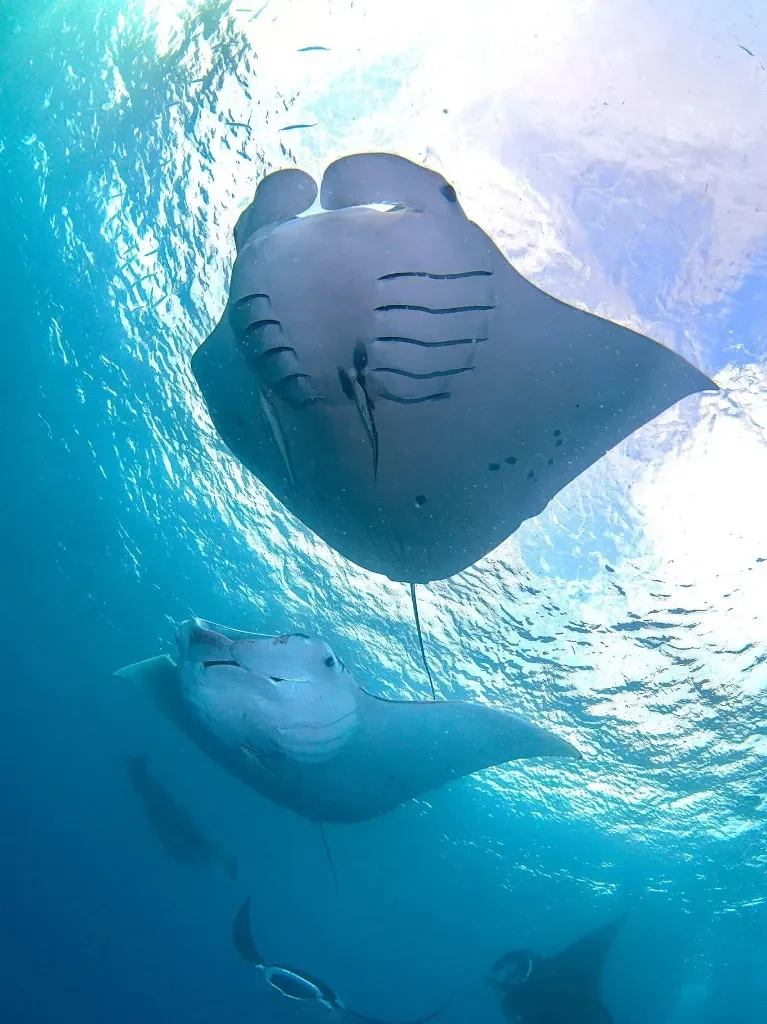
Divers frequently encounter an abundance of bottom-dwelling and reef fish that have colonized the wreck's structure. Large pelagic species also visit the site; sightings of whale sharks and manta rays are not uncommon, adding an element of surprise to any dive.
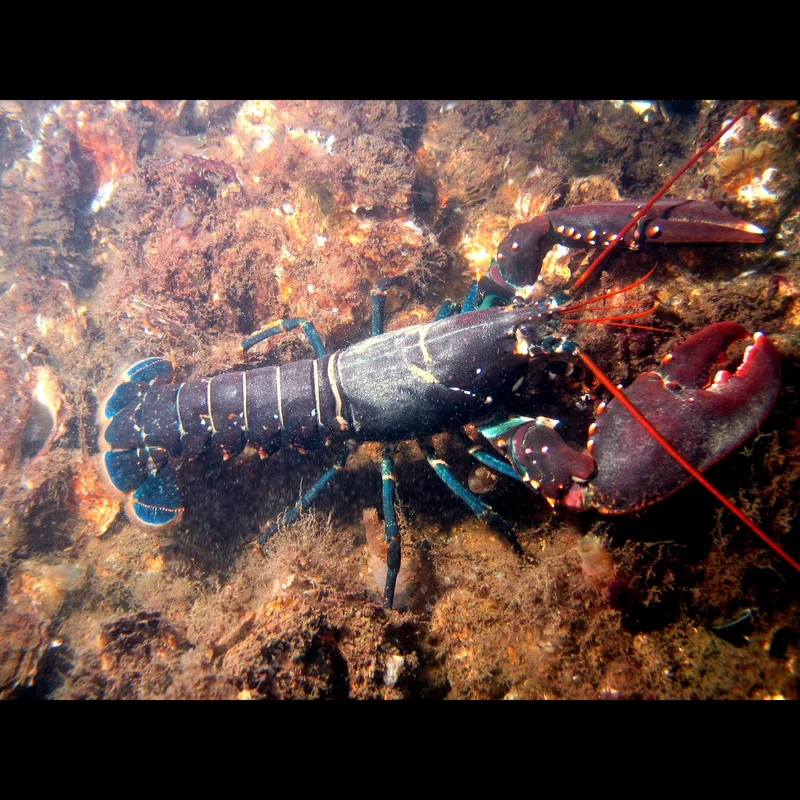
Divers may also spot various sharks, eels, octopus, and lobsters utilizing the wreck's many crevices and surfaces for shelter and foraging.

Dive Centers Near Inner Airplane Site
Today: 10:00 - 18:30
Nearest Airports
Nearest airports to help plan travel to this dive area.
Search Flights
Check available flights and routes on Expedia, using the nearby airports listed in this section.
Search Flights on ExpediaFrequently Asked Questions
What is the Inner Airplane Site?
The Inner Airplane Site refers to the USS Oriskany, a decommissioned aircraft carrier intentionally sunk in 2006 to create an artificial reef. A former aircraft carrier steeped in Cold War history, it's recognized as the world's largest artificial reef.
What depths can recreational divers explore at this site?
Recreational divers primarily focus on the wreck's control tower, which begins around 25 meters and extends downwards. The flight deck is considerably deeper, reaching its recreational limits around 44-45 meters. Deeper sections require advanced or technical certifications.
Are there specific dive experience requirements for the Oriskany?
Yes, all divers must have a minimum of 20 logged dives to explore this site. For Open Water divers without advanced certification, a guide and recent logged dives or a refresher are required. Advanced divers need specific recent dive requirements whether diving with or without a guide, including recent experience at deeper recreational depths.
Can divers penetrate the wreck?
Wreck penetration is strongly discouraged without extensive specialized training due to the complex and hazardous internal structure. The ship's internal layout has been significantly altered, making original deck plans unreliable. Attempting deep penetrations is considered difficult and risky.
What marine life inhabits the Inner Airplane Site?
This site supports a rich array of marine life, including numerous reef and bottom-dwelling fish. Pelagic species like whale sharks and manta rays are frequently observed. You might also spot various sharks, eels, octopus, and lobster among the wreck's features.
What safety equipment is mandatory for this dive?
Divers are required to carry an alternate air source, such as an octopus or a redundant air system. A safety sausage or similar surface marker device and a whistle are also mandatory. These items are critical for both in-water and surface safety.
Why is air consumption management particularly important here?
Managing air consumption is crucial due to the wreck's considerable depth and vast size. Excellent visibility can deceptively encourage divers to go deeper or explore for longer than planned. Consistent monitoring of your gas supply is essential to ensure a safe ascent and proper decompression.
Planning to dive Inner Airplane Site?
Send one inquiry and receive offers directly from the best verified local dive operators.
Conditions are Good
Optimal conditions expected
Current conditions near Inner Airplane Site show 28° air, 28° sea temperature, 0.8 m waves, and 22 km/h wind. Forecast data is refreshed regularly to ensure accuracy.