
Diving at Josephine Marie (United States)
The Josephine Marie wreck offers a direct connection to Massachusetts Bay's maritime past. Lost in 1992, this steel-hulled fishing trawler now rests in 32 m (105 ft) of water north of Provincetown. Settled upside-down on Stellwagen Bank, it presents a challenging yet rewarding experience for deeper wreck divers.
As evening covers Josephine Marie, the local air temperature is measured at 19°C. The current wave height at the surface is recorded at 0.6 m. These late-day readings characterize the surface conditions for the night.
Dive Site Location & Key Facts
Dive Site Overview
A steel-hulled stern trawler built in 1969, the Josephine Marie actively plied the waters of Massachusetts Bay until February 1, 1992. Returning from a routine fishing trip, its crew reported the vessel taking on water after striking an unknown submerged object.
Despite Coast Guard efforts to lower pumps, rough 15 to 20-foot seas prevented their effective use. Crew members ultimately abandoned ship and were safely rescued by the F/V Italian Gold, leaving the trawler to founder. Subsequent survey dives in 1992 could not definitively pinpoint the cause of the sinking or obvious damage.
Speculation arose regarding a deteriorated hatch, though inspecting it proved impossible given the ship's inverted orientation. Today, this vessel lies in 32 m (105 ft) of water on Stellwagen Bank, oriented upside down, or 'turtled.' Spanning 24 m (80 ft) in length and 6-7.6 m (20-25 ft) in breadth, sand now obstructs any potential interior access. Diver attention primarily focuses on exterior features, particularly its prominent propeller.
Conditions are Moderate
High Wind Advisory (44km/h). Unsafe surface.
Current conditions near Josephine Marie show 19° air, 18° sea temperature, 1.2 m waves, and 44 km/h wind. Forecast data is refreshed regularly to ensure accuracy.
Best Time to Dive
Planning a dive to the Josephine Marie is best during the summer months, specifically June through September, when conditions are generally most favorable. During this period, average air temperatures are considerably warmer, ranging from 16.5°C (62°F) in June to 20.5°C (69°F) in July, making surface intervals more comfortable. Wave heights also tend to be at their lowest, typically below 1 meter, which translates to smoother boat rides to the site and calmer descent conditions. Wind speeds similarly decrease, hovering around 28-30 km/h (17-19 mph), contributing to a better overall experience. While April, May, October, and November offer moderate dive scores, colder air temperatures and higher waves often increase the logistical challenge. Winter months, from December to March, consistently show poor dive scores due to air temperatures near freezing and significantly higher wave activity.
PEAK SEASON SCORE
Scores combine air & water temps, waves, wind & rainfall for overall conditions.
BEST MONTHS TO DIVE
Monthly records compiled from satellite and marine observation nodes over the last 3 years. Data provided by Open-Meteo and MET Norway.
Dive Experience & Conditions
Diving the Josephine Marie requires careful consideration of prevailing conditions at this deeper wreck site. Resting at a maximum depth of 32 m (105 ft), the trawler is accessible to experienced divers comfortable with deep profiles. Currents around the wreck can be swift, making precise dive timing crucial; divers must plan to enter the water during slack tide to ensure a manageable exploration. The vessel itself lies upside down, a 'turtled' position that has largely sealed off interior compartments. Despite this, exposed propeller, bow, and rudder areas offer compelling features. These structures, along with various sections of piping, provide complex environments for marine life, making external inspection a primary focus.
Dive Difficulty & Safety Guidelines
Diving the Josephine Marie demands a high level of diver skill and awareness due to specific site challenges. Swift currents are a common factor, necessitating meticulous dive planning centered around slack water periods to avoid being swept away or experiencing strenuous conditions. Always confirming current predictions before entry is vital.
Additionally, the wreck is subject to lost fishing gear, which can present an entanglement hazard; divers should maintain situational awareness and carry appropriate cutting tools. Given the site's maximum depth of 32 m (105 ft), only divers certified for advanced or deep diving should attempt this expedition.
Interior access is impossible due to the wreck's inverted orientation and sand-filled holds, so focus remains strictly on the exterior. Divers should always adhere to their certification limits and consider the cold water environment requiring adequate thermal protection.
Recommended Equipment
- Dive Computer
This gear list is based on verified equipment signals for Josephine Marie, United States. Always confirm final gear choices with your dive operator, guide, or liveaboard.
Recommended Dive Suit
5mm wetsuit is often considered an appropriate level of exposure protection for conditions like these. A hood or vest is suggested for sensitive divers due to surface winds. Surface intervals may feel cooler.
Divers entering the water at Josephine Marie today can expect temperatures near 18°C (65°F) beneath the surface. Surface air temperatures are resting at 19°C (66°F).
The upcoming forecast points to generally steady conditions in the area.
Due to technical issues with our weather providers, live updates are temporarily delayed. The data above reflects the conditions at the time of the last successful fetch.
Emergency & Medical Support
Essential information to help you plan your dive trip to Josephine Marie.

Hyperbaric chambers are a critical part of dive safety infrastructure. Availability varies significantly by region, and not all dive areas have immediate access.
Before diving, it's recommended to:
- confirm nearest medical facilities
- check emergency procedures with local dive operators
- ensure dive insurance covers evacuation if required
Divers Alert Network
Diving emergency assistance available through DAN World.
+1-919-684-9111- 24/7 emergency hotline
- Diving medical assistance
- Evacuation coordination
Emergency contacts are provided for reference. Always verify local emergency services before diving.
Marine Life at Josephine Marie
Brightly colored invertebrates frequently coat the Josephine Marie, providing vibrant visual interest against the steel hull. As you approach, you'll first notice the substantial growth on the wreck's exterior surfaces.
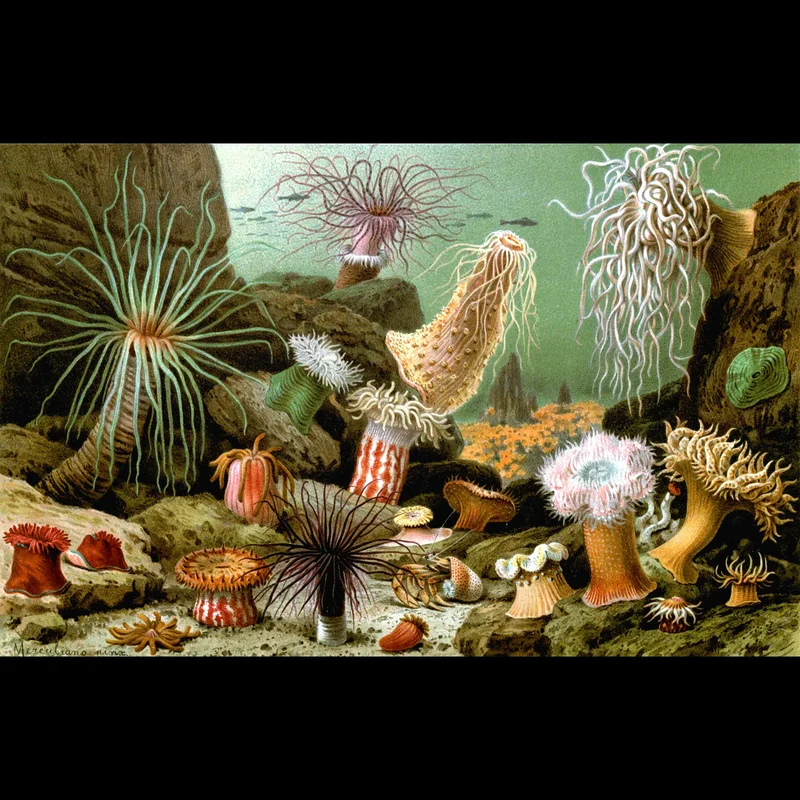
Sponges and anemones colonize the bow, rudder, and any exposed piping, creating miniature ecosystems. Sea stars are often observed clinging to the keel and keel coolers.
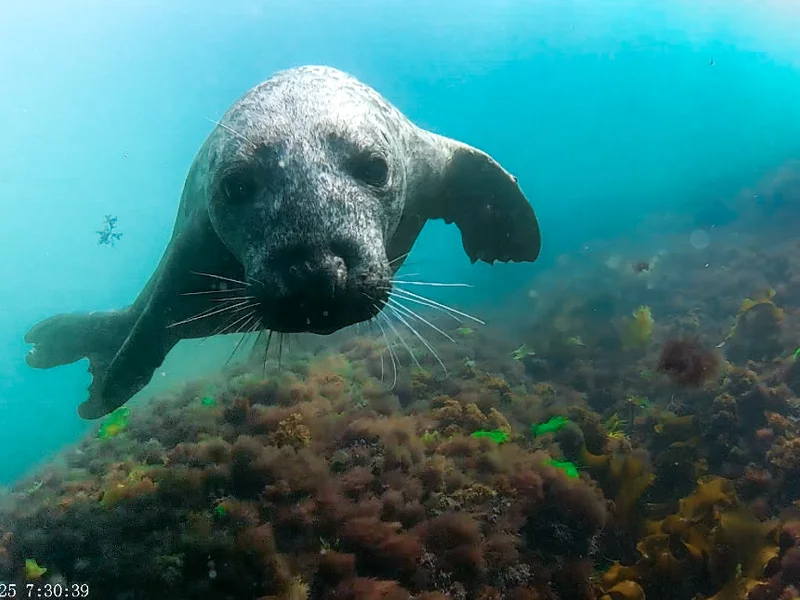
Various fish species also utilize the wreck's structure for shelter and foraging, adding dynamic elements to the underwater landscape.

Dive Centers Near Josephine Marie
Nearest Airports
Nearest airports to help plan travel to this dive area.
Search Flights
Check available flights and routes on Expedia, using the nearby airports listed in this section.
Search Flights on Expedia
Plan Your Stay
Looking for a place to stay for your dive trip? Explore hotels, stays, and vacation rentals for dive groups near Provincetown.
Dive Navigator may earn a commission from these links at no extra cost to you.
Frequently Asked Questions
What is the depth of the Josephine Marie wreck?
Lying at approximately 32 m (105 ft), this wreck requires advanced certification and deep diving experience. It's not suitable for beginners.
What is the wreck's current orientation?
The Josephine Marie lies 'turtled,' or upside down on the seabed. This position, along with sand blockage, prevents any interior access.
Are there strong currents at the site?
Currents around the Josephine Marie can be swift. Plan dives to coincide with slack water for a safer, more manageable experience.
What kind of marine life can be observed?
Brightly colored invertebrates, such as sponges, anemones, and sea stars, cover the wreck. Many fish species also inhabit the bow, rudder, and exposed piping, seeking shelter and food.
When is the best time to dive the Josephine Marie?
Diving is generally best from June through September. Milder air temperatures and lower wave heights/wind speeds during these months lead to better conditions.
Is interior penetration possible into the wreck?
Interior penetration of the Josephine Marie is not possible. The wreck's turtled position and sand-blocked entry points seal off all internal areas.
What is the history behind the Josephine Marie's sinking?
Josephine Marie, a fishing trawler, foundered on February 1, 1992, after striking an unknown submerged object. Crew members were rescued, but the vessel was lost due to unmanageable flooding in rough seas.
Planning to dive Josephine Marie?
Send one inquiry and receive offers directly from the best verified local dive operators.
Conditions are Moderate
High Wind Advisory (44km/h). Unsafe surface.
Current conditions near Josephine Marie show 19° air, 18° sea temperature, 1.2 m waves, and 44 km/h wind. Forecast data is refreshed regularly to ensure accuracy.