
Diving at Lake Jocassee (United States)
Beneath Lake Jocassee's surface lies a freshwater realm of astonishing clarity and depth. Divers are greeted by stark submerged landscapes, from sheer walls dropping to 98 m (320 ft) to fascinating artificial reefs. The water remains cool, often with remarkable visibility reaching over 15 feet, and in some deeper sections, exceeding 50 feet. It's a striking environment, offering a unique blend of natural and submerged history.
At Lake Jocassee, the ambient air temperature is currently recorded at 24°C. This dive site in United States is operating under normal seasonal weather patterns. Familiarize yourself with the local topography prior to navigating.
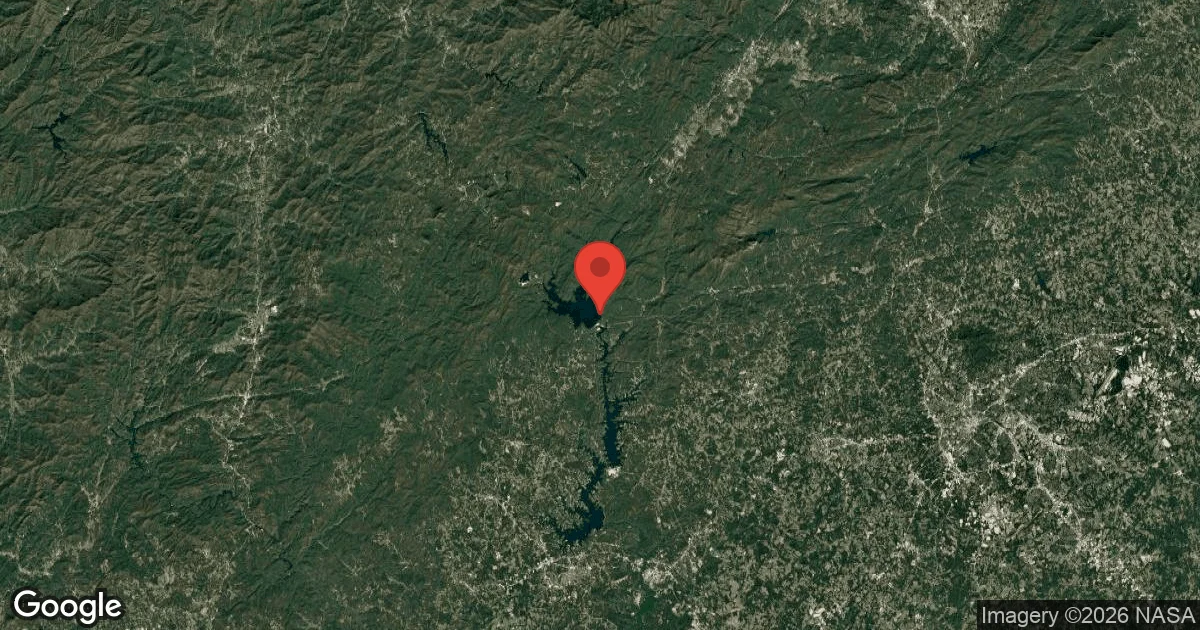
Dive Site Location & Key Facts
Dive Site Overview
Lake Jocassee offers an intriguing mix of history and geological formations for underwater exploration. When the reservoir was filled in 1973, it transformed a valley into a submerged landscape, preserving remnants of the past.
Divers frequently explore historical sites like the foundations of old homesteads, the structures of the former Camp Jocassee for girls, and the remains of the Steel Bridge. These sites provide a tangible connection to the region's pre-reservoir era. Another popular attraction is the sunken Chinese junket sailboat, typically found at around 18 m (60 ft).
This vessel is particularly engaging for certified wreck divers, featuring several large holes that allow for safe interior penetration and observation of its unique design. Beyond these artifacts, the lake's natural topography is equally compelling.
Sheer walls drop dramatically, extending well beyond recreational depths to a maximum depth of 98 m (320 ft), appealing strongly to advanced and technical divers. Shallower sections also exist, providing platforms for open water students to practice skills.
With more than a dozen distinct dive sites scattered across its expanse, Lake Jocassee accommodates various experience levels. Access to these sites is often facilitated by numerous local dive operators who provide guided trips, equipment rentals, and boat charters, ensuring divers can explore both the historical relics and the impressive natural formations with ease.
Conditions are Good
Optimal conditions expected
Current conditions near Lake Jocassee show 24° air, --° sea temperature, N/A waves, and 10 km/h wind. Forecast data is refreshed regularly to ensure accuracy.
Best Time to Dive
Assessing optimal conditions for Lake Jocassee diving often points towards the spring and fall months. While the climate data indicates consistent 'Good' dive scores year-round, air temperatures vary significantly, influencing topside comfort. During the summer, from June to August, air temperatures average between 23°C and 25.5°C (73.4-77.7°F), with moderate rainfall averaging 3.0-4.4 mm. This period aligns with warmer surface water temperatures, ranging from 24-25.5°C (75-78°F). Conversely, winter months, especially January and February, see colder air temperatures of 4°C to 8°C (39-46°F), and water temperatures between 7-10°C (45-50°F), demanding robust thermal protection. Rainfall is typically low in autumn, particularly in October and November, averaging just 1.5-1.7 mm, which can contribute to clearer conditions.
PEAK SEASON SCORE
Scores combine air & water temps, waves, wind & rainfall for overall conditions.
BEST MONTHS TO DIVE
Monthly records compiled from satellite and marine observation nodes over the last 3 years. Data provided by Open-Meteo and MET Norway.
Dive Experience & Conditions
Descending into Lake Jocassee's freshwater environment, divers encounter varied visibility and temperature profiles. The upper 6 m (20 ft) often reveals a white sand beach with good clarity, though sediment at around 12 m (40 ft) can reduce visibility. Beyond that, at depths like 30 m (100 ft), the water frequently clears again, becoming darker but transparent. Recreational depths, such as the area around the Chinese junk at about 18 m (60 ft), provide ample space to explore numerous underwater features and artifacts. Dive sites vary from relatively shallow platforms for open water students, typically around 7.5-9 m (25-30 ft), to impressive wall dives that challenge even experienced divers. Summer water temperatures range from 24-25.5°C (75-78°F), while winter conditions see temperatures drop to 7-10°C (45-50°F).
Dive Difficulty & Safety Guidelines
Navigating Lake Jocassee's depths requires attention to local guidance and personal skill levels. Many premier sites are only accessible by boat, necessitating coordination with local dive operators for charters. Given the lake's significant maximum depth, well beyond recreational limits, and the presence of deeper walls and potential overhead environments like the sunken junk, appropriate certification for deep diving and wreck diving is advisable for advanced exploration.
Divers should plan for varying visibility, especially around the 12 m (40 ft) mark, and understand the thermal layers present in a deep freshwater reservoir. Always conduct thorough equipment checks and consider specialized training such as PADI Deep Diver or Wreck Diver before attempting more challenging sites.
Devils Fork State Park does not provide equipment rentals or air fills, so arrangements must be made with nearby dive shops.
Recommended Equipment
- Dive Computer
This gear list is based on verified equipment signals for Lake Jocassee, United States. Always confirm final gear choices with your dive operator, guide, or liveaboard.
Recommended Dive Suit
Based on regional estimates and current weather, the likely required exposure protection is a 3-5mm wetsuit. Note that local currents and upwellings can alter this.
Because recent water temperature readings are not available for Lake Jocassee, the guidance below is based mainly on current air conditions and seasonal expectations. Current surface air temperatures are roughly 24°C (75°F).
Due to unpredictable weather patterns, conditions may change rapidly.
Emergency & Medical Support
Essential information to help you plan your dive trip to Lake Jocassee.

Hyperbaric chambers are a critical part of dive safety infrastructure. Availability varies significantly by region, and not all dive areas have immediate access.
Before diving, it's recommended to:
- confirm nearest medical facilities
- check emergency procedures with local dive operators
- ensure dive insurance covers evacuation if required
Divers Alert Network
Diving emergency assistance available through DAN World.
+1-919-684-9111- 24/7 emergency hotline
- Diving medical assistance
- Evacuation coordination
Emergency contacts are provided for reference. Always verify local emergency services before diving.
Marine Life at Lake Jocassee
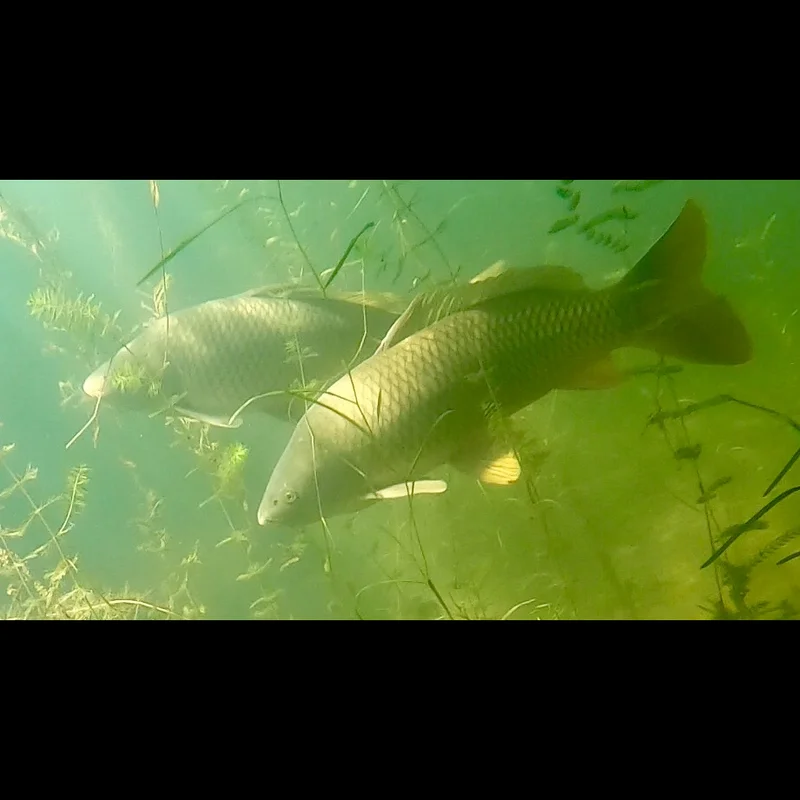
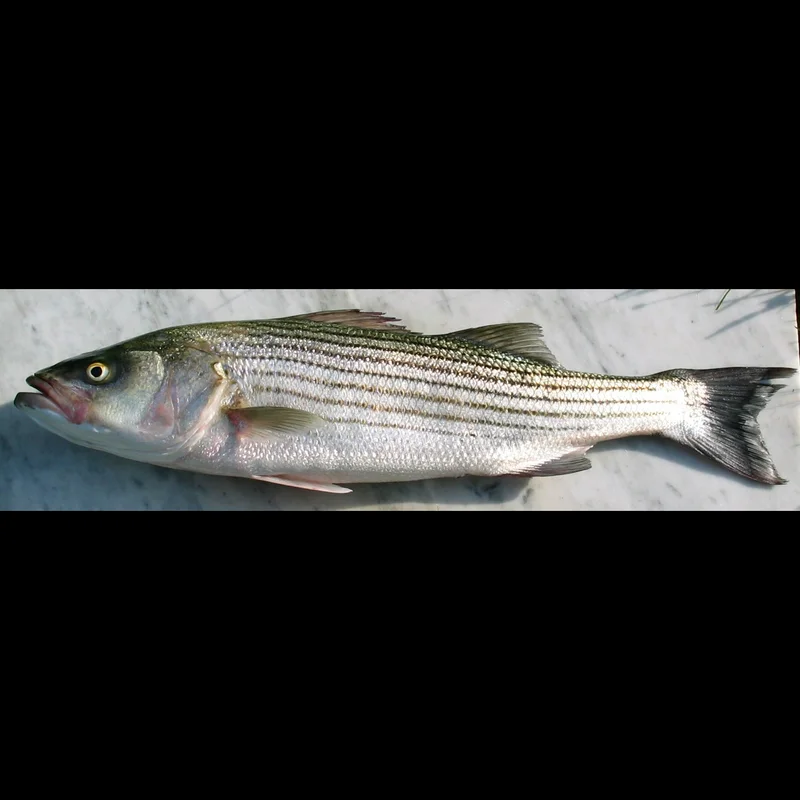
While exploring Lake Jocassee's underwater realm, divers can frequently encounter diverse freshwater fish species. Common sightings include various types of carp, bass, catfish, and sunfish navigating the submerged trees and structures.
The clear waters provide opportunities to observe these fish in their natural habitat, often around the historical remnants. Beyond the aquatic inhabitants, divers will also discover a playful array of human-placed curiosities; these include plastic anatomical figures, a parade of plastic flamingos, and an Indian motorcycle, adding an unexpected, humorous touch to the dive experience.

Dive Sites Near Lake Jocassee
View all dive sites in United StatesDiscover more underwater gems in this area.
Dive Centers Near Lake Jocassee
No Dive Centers Local To Lake Jocassee
Are you a dive center visiting this location? Get listed to reach divers.
Nearest Airports
Nearest airports to help plan travel to this dive area.
Search Flights
Check available flights and routes on Expedia, using the nearby airports listed in this section.
Search Flights on ExpediaFrequently Asked Questions
What is the typical visibility in Lake Jocassee?
Visibility in Lake Jocassee is generally over 4.5 meters (15 feet). In deeper sections, clarity can improve significantly, often exceeding 15 meters (50 feet), although it may be reduced around the 12-meter (40-foot) range due to sediment.
What are some notable dive sites in Lake Jocassee?
Popular dive sites include the sunken Chinese junket sailboat at approximately 18 meters (60 feet), which divers can enter. Other historical sites like the Camp Jocassee for girls and the Attakulla Lodge also lie submerged, along with numerous walls and humorous artificial reefs.
Are there specific depth considerations for diving here?
Lake Jocassee offers a range of depths suitable for various certifications, from student platforms at 7.5-9 meters (25-30 feet) to walls descending over 90 meters (300 feet). Divers should be mindful of their training limits, especially given the reservoir's significant overall depth.
What are the water temperatures like throughout the year?
Summer water temperatures typically range from 24-25.5°C (75-78°F). In winter, temperatures can drop considerably, ranging from 7-10°C (45-50°F), making drysuits or thick wetsuits necessary.
Do I need a boat to access dive sites?
Many of Lake Jocassee's dive sites, particularly those north of the dam, require boat access. There are also shore entry points, such as the remote divers' ramp at Devils Fork State Park, for those preferring a shore-based dive.
Can I rent dive gear at Lake Jocassee?
Devils Fork State Park does not offer equipment rentals or oxygen refills. However, several local scuba shops located less than a mile from the park provide rentals, charters, and certifications. It's best to arrange these in advance.
Planning to dive Lake Jocassee?
Send one inquiry and receive offers directly from the best verified local dive operators.
Conditions are Good
Optimal conditions expected
Current conditions near Lake Jocassee show 24° air, --° sea temperature, N/A waves, and 10 km/h wind. Forecast data is refreshed regularly to ensure accuracy.