
Diving at Lawrence W. Cox Memorial Reef (United States)
Lawrence W. Cox Memorial Reef settles into relatively shallow depths, making it accessible for many divers. Resting at approximately 3 m (24 ft) within the broader John and Darlene Cox Family Memorial Reef complex, its structures rise from the seabed. This provides a clear depth profile for planned recreational dives, allowing for extended bottom times and ample light penetration to illuminate the artificial reef features. It's an area designed for close observation.
Tonight's objective overview for Lawrence W. Cox Memorial Reef shows an air temperature of 26.5°C. The measured surface conditions include wave heights around 0.3 m. This environmental data is logged for the close of the day.
Dive Site Location & Key Facts
Dive Site Overview
This artificial reef complex incorporates a variety of purpose-built structures designed to foster marine growth and attract diverse species. Lawrence W.
Cox Memorial Reef features a Florida Limestone Artificial Reef module with an engraved plaque, marking its dedication. Additionally, the broader complex includes four 8-foot-tall Florida Limestone Artificial Reefs and three piling-mounted Ecosystems. Divers exploring here will encounter pyramid shapes, which are durable and provide foundational habitats.
These pyramids are often accompanied by cylinder-shaped Ecosystems, some six feet high with a 4.5-foot diameter, specifically designed to enhance marine diversity by offering many small layers for smaller fish. Some ecosystems are uniquely nested inside larger pyramids, suspended like a bell clapper, a design adaptation influenced by observations of past reef damage from boat anchors and severe weather.
The intricate arrangements provide varied hiding spots and foraging opportunities, contributing to a dynamic underwater topography.
Conditions are Good
07:00 - 14:00
Optimal conditions expected
Current conditions near Lawrence W. Cox Memorial Reef show 26° air, 30° sea temperature, 0.2 m waves, and 22 km/h wind. Forecast data is refreshed regularly to ensure accuracy.
Best Time to Dive
Diving conditions at Lawrence W. Cox Memorial Reef show consistent favorability throughout the year, with a 'Good' dive score reported across all months. While specific water temperature data is not consistently available, air temperatures provide a useful proxy for surface comfort. Air temperatures range significantly, from approximately 11°C (52°F) in January to highs of 28°C (82°F) in August. Periods of calmer seas are often found during summer months, with average wave heights around 0.5-0.7 meters (1.6-2.3 feet) from July to September. These months also present lower wind speeds, around 14-15 km/h (8-9 mph), compared to windier spring periods where speeds can reach 20 km/h (12 mph). For divers prioritizing warmer air and potentially calmer surface conditions, late spring through early fall generally offers a more comfortable experience.
PEAK SEASON SCORE
Scores combine air & water temps, waves, wind & rainfall for overall conditions.
BEST MONTHS TO DIVE
Monthly records compiled from satellite and marine observation nodes over the last 3 years. Data provided by Open-Meteo and MET Norway.
Dive Experience & Conditions
Descending upon the Lawrence W. Cox Memorial Reef, divers can expect to encounter varied artificial structures that create a textured underwater landscape. Visibility here is generally good, allowing divers to clearly observe the different reef modules, from the 8-foot-tall limestone reefs to the more intricate ecosystem components. Currents vary depending on local weather and tides, but generally remain manageable for recreational diving. You might feel a gentle surge, especially around the larger reef structures. Observing the health of these artificial habitats, especially after significant weather events like Hurricane Michael, reveals structures can shift or become partially buried, yet many remain intact and actively surveyed by groups like MBARA. The experience is one of engaging with a man-made habitat that actively supports marine life, requiring attentive navigation around the various installations.
Dive Difficulty & Safety Guidelines
When diving Lawrence W. Cox Memorial Reef, divers should remain vigilant of potential structural shifts. While these artificial reefs are designed for durability, past observations indicate that some top-heavy ecosystem elements were vulnerable to strong currents and boat anchors, occasionally detaching from larger structures.
Exercise caution around any compromised sections, as debris might be scattered on the seafloor. Always be aware of boat traffic in the area, ensuring proper surface markers are deployed.
Adherence to standard recreational diving protocols, including careful ascent and decent rates and monitoring air consumption, is essential. Participating in citizen science programs like REEF surveys while diving here can contribute valuable data on fish populations, supporting ongoing conservation efforts for artificial reefs.
Recommended Equipment
- Dive Computer
This gear list is based on verified equipment signals for Lawrence W. Cox Memorial Reef, United States. Always confirm final gear choices with your dive operator, guide, or liveaboard.
Recommended Dive Suit
For relaxed exploration dives, dive skin or rash guard generally provides adequate warmth. A hood or vest is suggested for sensitive divers due to surface winds. Water conditions at Lawrence W. Cox Memorial Reef are currently measured at approximately 30°C (86°F). Surface air temperatures are resting at 26°C (79°F).
Conditions in the coming days are expected to stay within a similar temperature range.
A diver's personal tolerance to cold water can play a large role in suit selection.
Emergency & Medical Support
Essential information to help you plan your dive trip to Lawrence W. Cox Memorial Reef.

Hyperbaric chambers are a critical part of dive safety infrastructure. Availability varies significantly by region, and not all dive areas have immediate access.
Before diving, it's recommended to:
- confirm nearest medical facilities
- check emergency procedures with local dive operators
- ensure dive insurance covers evacuation if required
Divers Alert Network
Diving emergency assistance available through DAN World.
+1-919-684-9111- 24/7 emergency hotline
- Diving medical assistance
- Evacuation coordination
Emergency contacts are provided for reference. Always verify local emergency services before diving.
Marine Life at Lawrence W. Cox Memorial Reef
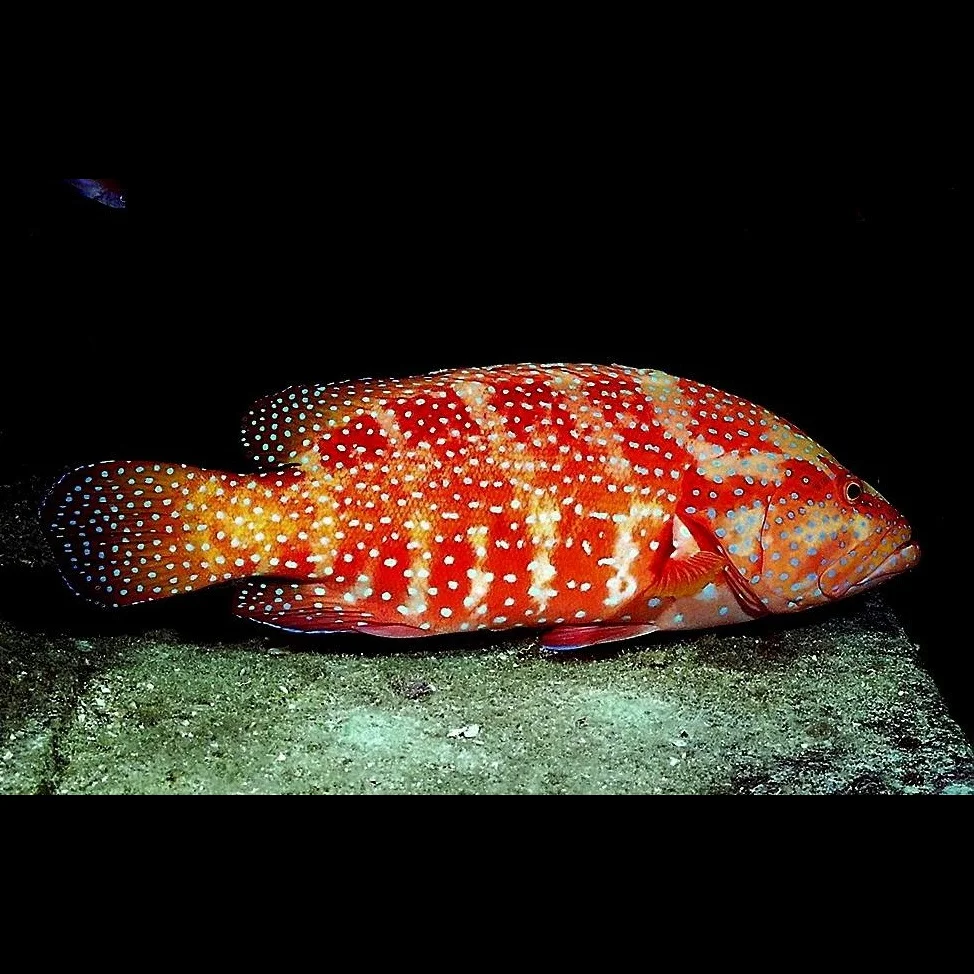
The layered design of the artificial reef structures, particularly the 'Ecosystems' and 'Grouper Reefs,' effectively attracts a range of marine species. Divers will likely first notice schools of smaller fish congregating around these intricate habitats, seeking shelter and foraging opportunities.
Larger predatory fish, including various types of grouper, are drawn to the abundance of baitfish the ecosystems provide. Observing the interaction between these different trophic levels offers insight into the success of artificial reef building.
Regular diver surveys contribute to a comprehensive database of fish populations, affirming the reef's role as a productive marine habitat.
Dive Centers Near Lawrence W. Cox Memorial Reef
Today: 09:00 - 16:00
Nearest Airports
Nearest airports to help plan travel to this dive area.
Search Flights
Check available flights and routes on Expedia, using the nearby airports listed in this section.
Search Flights on Expedia
Plan Your Stay
Looking for a place to stay for your dive trip? Explore hotels, stays, and vacation rentals for dive groups near Mexico Beach.
Dive Navigator may earn a commission from these links at no extra cost to you.
Frequently Asked Questions
What kind of reef is the Lawrence W. Cox Memorial Reef?
An artificial reef, it's primarily composed of Florida Limestone Artificial Reef modules. Part of the larger John and Darlene Cox Family Memorial Reef complex, it features pyramid and cylinder-shaped 'Ecosystems' and 'Grouper Reefs'.
What is the maximum depth for diving this reef?
At an approximate maximum depth of 3 m (24 ft), Lawrence W. Cox Memorial Reef is shallow. This depth supports extended bottom times and suits divers across various experience levels.
When is the best time of year to dive here?
A 'Good' dive score is maintained year-round. For most comfortable surface conditions with warmer air temperatures and generally calmer seas, late spring through early fall (May to September) is often preferred.
What marine life can I expect to see?
Layered artificial structures attract a variety of fish, including schools of smaller species and larger foraging fish like grouper. 'Ecosystems' are specifically designed to enhance marine diversity, providing intricate hiding and feeding spots.
Are there any specific hazards to be aware of?
While generally safe, divers should be mindful of potential boat traffic above the reef and the possibility of structural shifts or scattered debris due to past weather events or boat anchor impacts. Always maintain awareness of your surroundings.
Is this reef suitable for beginner divers?
Yes, its shallow depth and usually manageable currents make it suitable for a wide range of certified divers, including beginners. The structures are easily observed, and it serves as a good introduction to artificial reef environments.
Planning to dive Lawrence W. Cox Memorial Reef?
Send one inquiry and receive offers directly from the best verified local dive operators.
Conditions are Good
07:00 - 14:00
Optimal conditions expected
Current conditions near Lawrence W. Cox Memorial Reef show 26° air, 30° sea temperature, 0.2 m waves, and 22 km/h wind. Forecast data is refreshed regularly to ensure accuracy.