
Diving at LCU (United States)
Conditions at the LCU wreck in Oahu typically present divers with clear visibility, making the structure of this sunken Landing Craft Utility vessel readily apparent. Resting at an approximate maximum depth of 27 m (90 ft), the site generally experiences calm to moderate oceanic influences. Divers often find consistent water movement, which dictates how the dive unfolds. Expect comfortable air temperatures year-round, contributing to a pleasant experience both on and off the boat.
Tonight's objective overview for LCU shows an air temperature of 27.5°C. The measured surface conditions include wave heights around 1 m. This environmental data is logged for the close of the day.
Dive Site Location & Key Facts
Dive Site Overview
This dive site centers around a Landing Craft Utility (LCU) boat, a type of vessel historically employed by the US Navy for transporting troops and equipment during amphibious landings. The LCU was intentionally scuttled in 1998, becoming a vital component of the State of Hawaii’s artificial reef program.
It now lies upside down in approximately 27 m (90 ft) of water, creating an intriguing structure for certified divers to explore. The wreck is settled on a flat rubble plain, surrounded by scattered 'Z' blocks that add to the reef's complexity. Divers can navigate beneath sections of the inverted hull, which provides natural overhead environments and swim-through opportunities.
This site is particularly engaging for wreck enthusiasts, offering both external appreciation of the craft's design and limited penetration for those with appropriate training and experience. The LCU represents one of three such vessels donated by the Pearl Harbor Naval Shipyard for this environmental initiative, contributing significantly to local marine habitat.
Conditions are Good
Optimal conditions expected
Current conditions near LCU show 28° air, 28° sea temperature, 1.2 m waves, and 30 km/h wind. Forecast data is refreshed regularly to ensure accuracy.
Best Time to Dive
For an optimal diving experience, consider visiting the LCU wreck between April and October. This period generally brings the 'Good' dive score ratings, primarily due to more favorable sea states. While air temperatures remain comfortably warm throughout the year, ranging from approximately 22°C (72°F) in winter months to 26-27°C (79-81°F) in summer, conditions for surface intervals are most pleasant during these warmer periods. Wave heights tend to be lower from June through September, averaging around 1.1-1.2 m (3.6-3.9 ft), which means smoother boat rides and easier entries and exits. Rainfall is also minimal during these months, ensuring consistently clear skies. Conversely, the period from November to March is marked by 'Moderate' dive scores and higher average wave heights, sometimes exceeding 2 m (6.5 ft), which can lead to less comfortable boat trips and potentially reduced visibility.
PEAK SEASON SCORE
Scores combine air & water temps, waves, wind & rainfall for overall conditions.
BEST MONTHS TO DIVE
Monthly records compiled from satellite and marine observation nodes over the last 3 years. Data provided by Open-Meteo and MET Norway.
Dive Experience & Conditions
Approaching the LCU wreck, divers descend into saltwater, where the structure gradually materializes from the blue. Water temperatures here are not consistently reported, but generally remain warm, often allowing for longer bottom times in comfortable conditions. During a February 2024 review, visibility was noted at 21-24 m (70-80 ft), though this can vary depending on recent weather and local currents. The site's primary feature, the LCU itself, lies inverted, creating ample overhead space and accessible swim-throughs for those equipped and trained for such exploration. A flat rubble plain surrounds the vessel, punctuated by 'Z' blocks that provide additional habitat. Current can range from mild to moderate, influencing the drift over the wreck and the effort required for navigation, so monitoring local conditions is essential.
Dive Difficulty & Safety Guidelines
Diving the LCU wreck requires an advanced certification due to its depth, reaching approximately 27 m (90 ft). Divers planning to explore the wreck's interior or engage in swim-throughs should possess specific wreck diving training and adhere strictly to accepted penetration protocols. The wreck's inverted position means overhead environments are present, necessitating careful planning and appropriate equipment.
Always dive within your training and comfort limits. Maintain proper buoyancy control to avoid disturbing the wreck or stirring up sediment, which could reduce visibility for yourself and others.
It's also prudent to monitor bottom time carefully at this depth to manage nitrogen absorption. Consult with local dive operators regarding current conditions, including visibility and potential currents, before each dive.
Recommended Equipment
Overhead / entanglement risk. Wreck penetration requires proper training.
- Dive Computer
- Primary & Backup Lights
- Wreck Reel
- Cutting Tool
This gear list is based on verified equipment signals for LCU, United States. Always confirm final gear choices with your dive operator, guide, or liveaboard.
Recommended Dive Suit
The coming days appear slightly cooler according to the latest forecast. Cooler days are ahead; you might want a warmer option for later in the week. A hood or vest can noticeably improve warmth during longer dives.
Many experienced divers would consider 2-3mm shorty or light wetsuit an appropriate choice here. Consider warmer surface protection (like a boat coat) due to brisk winds.
Current dive conditions indicate that water temperatures around LCU are sitting at roughly 28°C (82°F). Surface air temperatures are resting at 28°C (82°F).
Due to technical issues with our weather providers, live updates are temporarily delayed. The data above reflects the conditions at the time of the last successful fetch.
Emergency & Medical Support
Essential information to help you plan your dive trip to LCU.

Hyperbaric chambers are a critical part of dive safety infrastructure. Availability varies significantly by region, and not all dive areas have immediate access.
Before diving, it's recommended to:
- confirm nearest medical facilities
- check emergency procedures with local dive operators
- ensure dive insurance covers evacuation if required
Divers Alert Network
Diving emergency assistance available through DAN World.
+1-919-684-9111- 24/7 emergency hotline
- Diving medical assistance
- Evacuation coordination
Emergency contacts are provided for reference. Always verify local emergency services before diving.
Marine Life at LCU
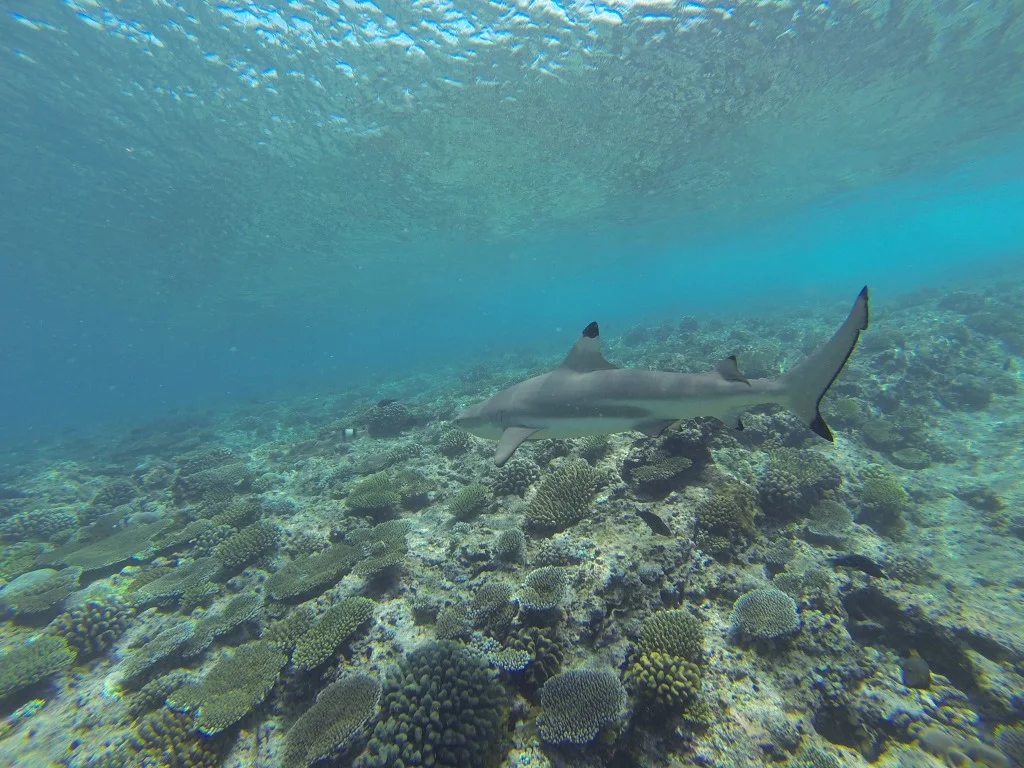
Encounters at the LCU wreck often include sightings of various pelagic and reef creatures, adapting to the artificial reef habitat. Divers might spot different species of sharks patrolling the perimeter or resting near the wreck.
Turtles are also common visitors, often grazing on nearby growth or simply passing through the area. Occasionally, depending on the season, divers could be fortunate enough to observe dolphins or even whales in the wider vicinity of the dive site.
Many smaller reef fish find shelter within the wreck's nooks and crannies, adding a dynamic element to the dive.
Dive Sites Near LCU
View all dive sites in United StatesDiscover more underwater gems in this area.
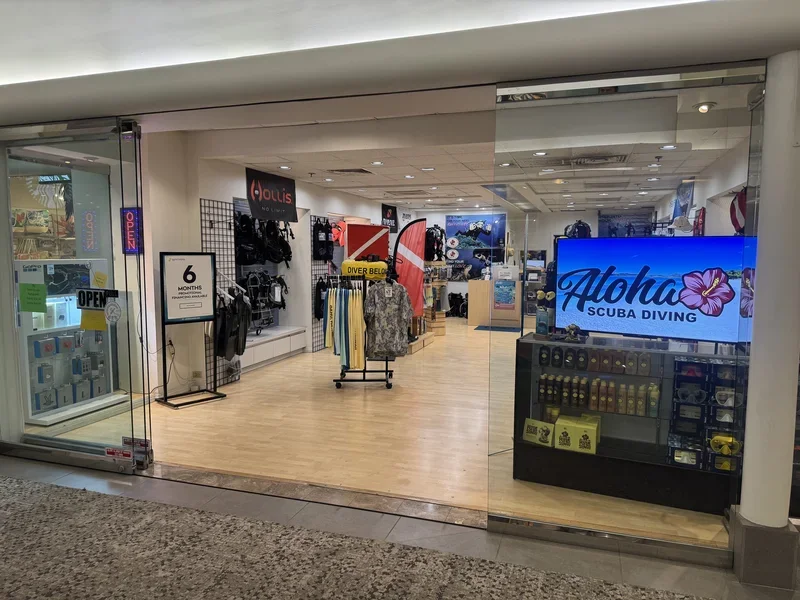
Dive Centers Near LCU
Today: 07:00 - 21:00
Nearest Airports
Nearest airports to help plan travel to this dive area.
Search Flights
Check available flights and routes on Expedia, using the nearby airports listed in this section.
Search Flights on Expedia
Plan Your Stay
Looking for a place to stay for your dive trip? Explore hotels, stays, and vacation rentals for dive groups near Mā‘ili.
Dive Navigator may earn a commission from these links at no extra cost to you.
Frequently Asked Questions
What type of dive is the LCU wreck?
This is primarily a boat-accessed wreck dive. The site focuses on a scuttled Landing Craft Utility vessel, offering both external exploration and opportunities for limited swim-throughs beneath the inverted hull.
What is the maximum depth of the LCU wreck?
The LCU wreck rests at an approximate maximum depth of 27 m (90 ft). This depth categorizes it as a deep dive, requiring appropriate training and experience.
Can beginners dive the LCU wreck?
Due to its depth and the presence of overhead environments, the LCU wreck is recommended for certified advanced divers or those with specific wreck diving training. It's not typically suitable for beginner divers.
What is the LCU's history?
The LCU was a US Navy Landing Craft Utility boat, used for amphibious operations. It was intentionally scuttled in 1998 as part of the State of Hawaii’s artificial reef program, now serving as a marine habitat.
Is there a current at the LCU wreck?
Currents at the LCU wreck can vary from mild to moderate. Divers should always check with local operators for prevailing conditions on the day of their dive to plan accordingly.
What kind of marine life might I see?
Common sightings include various shark species, turtles, and numerous reef fish. Depending on the season and luck, dolphins or whales might also be observed in the area.
Planning to dive LCU?
Send one inquiry and receive offers directly from the best verified local dive operators.
Conditions are Good
Optimal conditions expected
Current conditions near LCU show 28° air, 28° sea temperature, 1.2 m waves, and 30 km/h wind. Forecast data is refreshed regularly to ensure accuracy.