
Diving at Leon Sinks - Big Dismal Sink (United States)
Big Dismal Sink impresses with its sheer drop, a deep aquatic window into the extensive Wakulla-Leon Sinks cave system. While surface observation offers views into its tannic waters, the sink itself plunges 30 m (100 ft) to the water's surface, then another 30 m (100 ft) underwater. A cave entrance is found at approximately 24 m (80 ft) down, hinting at the vast subterranean world below. Visibility, often limited by natural tannins, is a defining characteristic of many sinks in the area.
The latest environmental reading at Leon Sinks - Big Dismal Sink indicates an air temperature of 28°C. The regional climate in United States is aligning with expected historical averages. Prepare your gear according to these specific local conditions.
Dive Site Location & Key Facts
Dive Site Overview
Within the Leon Sinks Geological Area lies the formidable Wakulla-Leon Sinks Cave System, recognized as the longest underwater cave in the United States with over 51.48 km (31.99 miles) of surveyed passages. Big Dismal Sink functions as a notable natural feature within this vast karstic network.
It presents a dramatic landscape, initially dropping 30 m (100 ft) to the water, then extending another 30 m (100 ft) into a subterranean world. A significant cave entrance is recorded at about 24 m (80 ft) deep within the sink. Despite the geological allure and recorded system depths up to 76 m (250 ft), current regulations strictly prohibit scuba diving at Big Dismal Sink and most other regularly dived sinks in the Leon Sinks area.
Posted signs indicate "No Scuba Diving," reflecting a policy that prevents direct underwater exploration by the general diving public. It primarily serves as an observation point for its ecological and geological significance.
Conditions are Good
Optimal conditions expected
Current conditions near Leon Sinks - Big Dismal Sink show 28° air, 30° sea temperature, N/A waves, and 11 km/h wind. Forecast data is refreshed regularly to ensure accuracy.
Best Time to Dive
While direct scuba diving access to Big Dismal Sink is restricted, understanding the regional climate can inform a visit for surface observation or other activities. Air temperatures in the Leon Sinks area vary significantly, presenting a clear contrast between seasons. Winters, from December to February, see cooler averages between 10°C (50°F) and 14°C (57°F), often accompanied by moderate rainfall around 2.6-4.2 mm. Spring and fall months, like March through May and September through November, offer milder air temperatures, typically ranging from 17°C (63°F) to 23.5°C (74°F). Rain is generally lower during these shoulder seasons, notably minimal in October at 1.0 mm. Summer months, from June to August, are the warmest, with air temperatures averaging 26.5°C (80°F) to 27.5°C (82°F), and the highest rainfall, sometimes exceeding 5 mm.
PEAK SEASON SCORE
Scores combine air & water temps, waves, wind & rainfall for overall conditions.
BEST MONTHS TO DIVE
Monthly records compiled from satellite and marine observation nodes over the last 3 years. Data provided by Open-Meteo and MET Norway.
Dive Experience & Conditions
Big Dismal Sink's current dynamic primarily involves surface observation rather than underwater exploration. Visitors can view the impressive 30 m (100 ft) drop to the water from an observation platform. While some reports from other sinks in the broader Leon Sinks system note excellent clarity under specific, negotiated access, Big Dismal itself is generally characterized by tannic water, which can limit underwater visibility. Below the surface, the water continues to drop another 30 m (100 ft), revealing a cave entrance at 24 m (80 ft). It makes for a unique visual from above, where the dark, tannin-stained waters hint at the vast, interconnected Wakulla-Leon Sinks cave system, which reaches a maximum recorded depth of 76 m (250 ft).
Dive Difficulty & Safety Guidelines
A critical guideline for Big Dismal Sink is the unequivocal prohibition of scuba diving. Posted signs clearly state "No Scuba Diving," and access for underwater exploration is not permitted for the general public. Ignoring these directives can result in severe legal consequences and poses significant safety risks.
Leon Sinks Geological Area presents an extremely sensitive karstic environment, making it highly vulnerable to pollution due to the aquifer's permeability. Responsible visitation involves staying on designated trails and observation platforms, respecting all signage, and contributing to the preservation of this unique hydrological system.
Any disturbance or unauthorized entry compromises the integrity of this globally important underwater cave network.
Recommended Equipment
- Dive Computer
This gear list is based on verified equipment signals for Leon Sinks - Big Dismal Sink, United States. Always confirm final gear choices with your dive operator, guide, or liveaboard.
Recommended Dive Suit
With water temperatures around 30°C (86°F), many divers find a dive skin or rash guard provides comfortable protection.
Local dive briefings can provide the most accurate guidance.
Weather models indicate a small drop in surface temperatures later this week. A significant temperature drop is forecast; strongly suggest bringing a backup warmer suit option. A warmer option can provide additional comfort if conditions shift.
Emergency & Medical Support
Essential information to help you plan your dive trip to Leon Sinks - Big Dismal Sink.

Hyperbaric chambers are a critical part of dive safety infrastructure. Availability varies significantly by region, and not all dive areas have immediate access.
Before diving, it's recommended to:
- confirm nearest medical facilities
- check emergency procedures with local dive operators
- ensure dive insurance covers evacuation if required
Divers Alert Network
Diving emergency assistance available through DAN World.
+1-919-684-9111- 24/7 emergency hotline
- Diving medical assistance
- Evacuation coordination
Emergency contacts are provided for reference. Always verify local emergency services before diving.
Marine Life at Leon Sinks - Big Dismal Sink
Underwater, the Leon Sinks, including the broader Wakulla-Leon Sinks Cave System, supports a unique array of specialized marine life adapted to its subterranean environment. Though direct underwater observation at Big Dismal is restricted, the interconnected system is known to host freshwater eels.
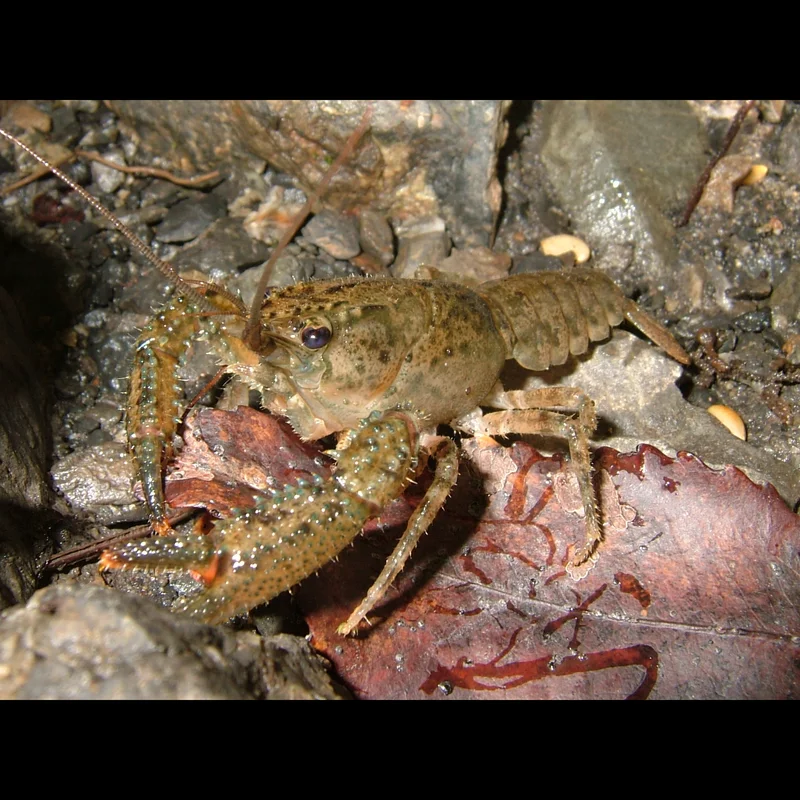
More remarkably, it's home to rare crustaceans such as the Woodville Karst Plain crayfish and the swimming Florida cave isopod, Remasellus parvus. These species are endemic to the Woodville Karst Plain, underscoring the ecological significance of this hydrological system.
Their presence highlights the complex and delicate biodiversity thriving within this vast, hidden world beneath the surface.
Dive Centers Near Leon Sinks - Big Dismal Sink
Today: 09:00 - 16:00
Nearest Airports
Nearest airports to help plan travel to this dive area.
Search Flights
Check available flights and routes on Expedia, using the nearby airports listed in this section.
Search Flights on Expedia
Plan Your Stay
Looking for a place to stay for your dive trip? Explore hotels, stays, and vacation rentals for dive groups near Woodville.
Dive Navigator may earn a commission from these links at no extra cost to you.
Frequently Asked Questions
Is scuba diving allowed at Big Dismal Sink?
No, scuba diving is strictly prohibited at Big Dismal Sink and most other sinks within the Leon Sinks Geological Area. "No Scuba Diving" signs are posted, and unauthorized underwater entry is not permitted.
What is the maximum depth of Big Dismal Sink?
Big Dismal Sink itself drops 30 m (100 ft) to the water's surface, then another 30 m (100 ft) underwater, with a cave entrance at 24 m (80 ft). The connected Wakulla-Leon Sinks cave system reaches a maximum recorded depth of 76 m (250 ft).
What kind of visibility can be expected at Big Dismal Sink?
Big Dismal Sink typically features tannic water, which can limit underwater visibility. While surface observations might appear clear, the deeper sections often have reduced clarity due to natural tannins.
Are there hiking trails at Leon Sinks?
Yes, Leon Sinks Geological Area offers three hiking trails. These trails lead to various sinkholes within the park, including an observation platform at Big Dismal Sink.
What marine life can be found in the Leon Sinks system?
Interconnected Leon Sinks cave system hosts unique life adapted to its subterranean environment. This includes freshwater eels, as well as rare crustaceans like the Woodville Karst Plain crayfish and the swimming Florida cave isopod, Remasellus parvus.
How does Big Dismal Sink connect to other systems?
Big Dismal Sink is part of the extensive Wakulla-Leon Sinks Cave System, which is the longest underwater cave in the United States. Many of the sinkholes in the Leon Sinks Geological Area are linked through these vast underwater caves.
What are the best months for visiting the Leon Sinks Geological Area?
For surface visits, spring and fall months generally offer milder air temperatures, ranging from 17°C (63°F) to 23.5°C (74°F), with less rainfall compared to the warmer, wetter summer months.
Planning to dive Leon Sinks - Big Dismal Sink?
Send one inquiry and receive offers directly from the best verified local dive operators.
Conditions are Good
Optimal conditions expected
Current conditions near Leon Sinks - Big Dismal Sink show 28° air, 30° sea temperature, N/A waves, and 11 km/h wind. Forecast data is refreshed regularly to ensure accuracy.