
Diving at Lost 40 (United States)
Lost Forty, located in Hernando County, Florida, offers a challenging cavern diving experience for certified divers. This site is defined by its distinct horizontal cavern structure, extending deep beneath the basin's east wall. It reaches a maximum depth of 49 m (160 ft) and demands careful navigation from those exploring its interior. Divers should be prepared for varying visibility and consistently cool water conditions.
Early observations for Lost 40 report a surface air temperature of 23°C. The water surface is currently presenting wave heights of 0.2 m. Consider these environmental metrics before beginning your descent.
Dive Site Location & Key Facts
Dive Site Overview
Diving Lost Forty immerses explorers in a fascinating geological feature that has evolved over time. Unlike more traditional hourglass-shaped sinks, this site presents a horizontal cavern that slopes down, creating an intriguing overhead environment.
Reaching a maximum depth of 49 m (160 ft), the site challenges divers with its confined yet expansive passages. Historically, a guideline purportedly laid by Sheck extended into a gopher hole, but years of sediment accumulation have since rendered that passage impassable. Entry is typically made from the south side of the basin, which divers generally find to be the most practical access point.
Visibility inside the cavern can vary; while it often hovers around 4.5 m (15 ft) near the entrance, it consistently improves to crystal clear conditions in the deeper sections. Water temperature remains cold throughout the dive, a characteristic shared with other local sinks, necessitating appropriate thermal protection.
Exploration of Lost Forty requires respect for its natural state and a readiness for a true cavern exploration.
Conditions are Good
07:00 - 14:00
Optimal conditions expected
Current conditions near Lost 40 show 23° air, 30° sea temperature, 0.2 m waves, and 17 km/h wind. Forecast data is refreshed regularly to ensure accuracy.
Best Time to Dive
Planning your dive at Lost Forty is best approached with an eye on surface comfort and potential visibility improvements. The period from May through September generally offers the most favorable surface conditions, with air temperatures ranging from 25-27°C (77-81°F). These months, alongside June and July, are consistently rated as 'Excellent' for diving. Rainfall during this peak season tends to be higher, with June and July seeing the most precipitation, which can influence runoff and therefore visibility. For potentially clearer conditions, particularly in shallower areas, consider visiting during months with lower average rainfall, such as November (0.86 mm), April (1.37 mm), December (1.73 mm), or January (1.74 mm). While air temperatures are cooler then, ranging from 13-22°C (55-72°F), the dive scores remain 'Good' year-round. Regardless of the season, the water within the cavern maintains a cold temperature, making thermal protection a constant necessity.
PEAK SEASON SCORE
Scores combine air & water temps, waves, wind & rainfall for overall conditions.
BEST MONTHS TO DIVE
Monthly records compiled from satellite and marine observation nodes over the last 3 years. Data provided by Open-Meteo and MET Norway.
Dive Experience & Conditions
Navigating Lost Forty involves entering a distinct horizontal cavern system, which quickly transitions into an overhead environment. Divers descend along a sloped passage that reaches its maximum depth of 49 m (160 ft) under the east wall of the basin. Visibility inside the cavern is not consistently reported but generally starts around 4.5 m (15 ft) and can become significantly clearer deeper within the cave. Divers should anticipate cold water throughout the dive, necessitating robust thermal protection. Accessing the basin requires navigating potentially slippery clay at the entry and exit points. Divers must also be vigilant for potential debris near the entrance, such as broken glass or rusting metal objects. The overall experience is one of geological exploration within a confined yet open cavern space.
Dive Difficulty & Safety Guidelines
Approaching Lost Forty requires appropriate training and a strong emphasis on safety protocols, given its overhead environment. Divers must possess the necessary cavern or cave diving certifications to safely navigate the site. An expert tip involves exercising extreme caution at the entry and exit points, as the clay can be very slippery, and 'redneck leftovers' like broken bottles or sharp metal objects have been reported.
Always use proper line protocols for navigation within the cavern, and ensure you're equipped with adequate lighting. Awareness of your buoyancy is crucial to avoid disturbing the sediment, which can significantly reduce visibility for yourself and others.
Furthermore, due to the consistently cold water, ensuring you have sufficient thermal protection is a critical planning consideration for any dive here.
Recommended Equipment
- Dive Computer
This gear list is based on verified equipment signals for Lost 40, United States. Always confirm final gear choices with your dive operator, guide, or liveaboard.
Recommended Dive Suit
The latest conditions reported around Lost 40 place the water temperature close to 30°C (87°F). Surface air temperatures are resting at 23°C (74°F).
Dive skin or rash guard is generally considered suitable for water temperatures like this.
Forecast trends indicate similar diving conditions over the next few days.
Due to technical issues with our weather providers, live updates are temporarily delayed. The data above reflects the conditions at the time of the last successful fetch.
Emergency & Medical Support
Essential information to help you plan your dive trip to Lost 40.

Hyperbaric chambers are a critical part of dive safety infrastructure. Availability varies significantly by region, and not all dive areas have immediate access.
Before diving, it's recommended to:
- confirm nearest medical facilities
- check emergency procedures with local dive operators
- ensure dive insurance covers evacuation if required
Divers Alert Network
Diving emergency assistance available through DAN World.
+1-919-684-9111- 24/7 emergency hotline
- Diving medical assistance
- Evacuation coordination
Emergency contacts are provided for reference. Always verify local emergency services before diving.
Marine Life at Lost 40
Lost Forty is primarily valued for its geological structure and the unique experience of cavern exploration, rather than an abundance of marine life. Limited available data specifically reports on distinct aquatic biodiversity within this site.
While some freshwater inhabitants might be present, the focus for divers typically remains on the cavern's formations and its depths. Encounters with larger or schooling marine creatures are not consistently reported here.
The site's allure lies in its intricate underwater landscape and the challenge it presents to cavern-certified divers.
Dive Centers Near Lost 40
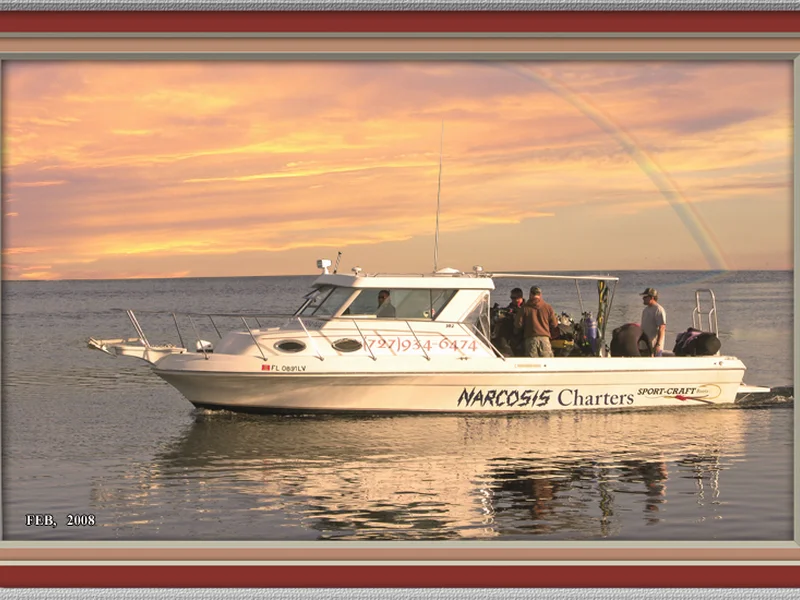
Today: 10:00 - 17:00
Nearest Airports
Nearest airports to help plan travel to this dive area.
Search Flights
Check available flights and routes on Expedia, using the nearby airports listed in this section.
Search Flights on Expedia
Plan Your Stay
Looking for a place to stay for your dive trip? Explore hotels, stays, and vacation rentals for dive groups near High Point.
Dive Navigator may earn a commission from these links at no extra cost to you.
Frequently Asked Questions
What is the maximum depth at Lost Forty?
Lost Forty features a sloping cavern that reaches a maximum depth of 49 m (160 ft). Divers should be appropriately certified for this depth and the overhead environment.
What are the typical visibility conditions?
Visibility at Lost Forty varies significantly depending on runoff and time of year. It is usually around 4.5 m (15 ft) but can improve to crystal clear conditions in the deeper sections of the cavern.
Is Lost Forty a cave dive or a cavern dive?
Lost Forty is described as a horizontal cavern that cuts back under the east wall of the basin. This means it's an overhead environment, requiring cavern or cave diving training and equipment.
What kind of entry and exit should divers expect?
Divers typically enter from the south side of the basin. Be prepared for potentially very slippery clay and watch for broken glass or metal objects near the entry and exit points.
Is the water warm at Lost Forty?
No, the water at Lost Forty is consistently reported as cold. Divers should always plan to wear appropriate thermal protection, regardless of the surface air temperature.
Are there specific hazards to be aware of?
Beyond the inherent risks of overhead environments, divers should be wary of slippery clay and potential debris like broken bottles or rusting metal near the entry/exit. Sediment disturbance can also rapidly reduce visibility.
Planning to dive Lost 40?
Send one inquiry and receive offers directly from the best verified local dive operators.
Conditions are Good
07:00 - 14:00
Optimal conditions expected
Current conditions near Lost 40 show 23° air, 30° sea temperature, 0.2 m waves, and 17 km/h wind. Forecast data is refreshed regularly to ensure accuracy.