
Diving at Mako Shark Reef (United States)
Encountering mako sharks off the United States coastline presents a distinct challenge for divers. These pelagic predators are among the ocean's fastest, requiring specific operational protocols and diver preparedness. It's a high-octane experience, offering brief, exhilarating glimpses into the world of these powerful, 'twitchy' sharks. Approaching this dive demands respect for their speed and the dynamic blue-water environment.
Starting the day at Mako Shark Reef, the ambient air temperature is recorded at 24°C. Ongoing monitoring shows wave heights measuring 0.5 m. This data represents the current surface conditions for early activities.
Dive Site Location & Key Facts
Dive Site Overview
Diving for Mako sharks involves advanced blue water drift techniques, far from the typical reef environment. Operators deploy sophisticated chumming systems, blending fish parts and oil-slick surfactants to extend the scent reach, attracting makos over a wide area.
Divers typically descend on braided lines, operating at an average depth of 16.8 m (55 ft), with dives generally ranging between 15-30 meters (50-100 feet). Safety stops every 4.5 m (15 ft) of depth change are part of the protocol. Observing these sharks requires vigilance; they often blast through the slick, providing a split-second glimpse before vanishing.
The interaction window averages 4-22 minutes cumulatively over a 50-minute dive. Divers maintain a strict 0.5 m² (5.5 ft²) personal space in 45° radial formations, ensuring controlled observation.
These fast sharks, often measuring 1.9-2.7 m (6.3-8.9 ft), approach at speeds around 29 km/h (18 mph), sometimes bursting to 88.5 km/h (55 mph).
Conditions are Excellent
07:00 - 14:00
Optimal conditions expected
Current conditions near Mako Shark Reef show 24° air, 30° sea temperature, 0.3 m waves, and 17 km/h wind. Forecast data is refreshed regularly to ensure accuracy.
Best Time to Dive
The optimal window for Mako shark encounters often contrasts between seasons and even times of day. Off the California coastline, particularly around Catalina Island, peak encounters are reported from June 1 to September 15, aligning with seasonal migrations. Operators frequently target 6:00–7:00 AM departures from Long Beach Harbor to coincide with sharks' peak dawn feeding cycles, boasting over 82% sighting success rates. During summer months (June-August), air temperatures are mild, averaging 27-28.5°C (81-83°F), with minimal rain. In spring and fall, specifically February through May and October through November, dive scores remain consistently good to excellent. However, winter months like January see lower dive scores, with air temperatures dropping to around 11.5°C (53°F) and higher average wave heights, making conditions less favorable.
PEAK SEASON SCORE
Scores combine air & water temps, waves, wind & rainfall for overall conditions.
BEST MONTHS TO DIVE
Monthly records compiled from satellite and marine observation nodes over the last 3 years. Data provided by Open-Meteo and MET Norway.
Dive Experience & Conditions
The dive environment is a pelagic zone characterized by distinct depth gradients and thermal stratification. An optimal operating zone typically ranges from 28–36 m (92-118 ft). During the dive, surface temperatures along the California Coastline consistently hit 19–23°C (67–73°F). However, thermoclines at 15–20 m (50–65 ft) create noticeable temperature drops of 2–3°C (4–6°F), necessitating appropriate thermal protection. Visibility often exceeds 30 m (100 ft) during solar peaks around 11:00 AM, crucial for spotting these fast-moving sharks. Current speeds are generally manageable, ranging from 0.6-1.7 km/h (0.3-0.9 knots), although operators track these meticulously. Negative entries achieve rapid descent rates of about 10 m/min (33 ft/min).
Dive Difficulty & Safety Guidelines
Diving with Mako sharks demands strict adherence to safety protocols due to the dynamic nature of these interactions. Operator safety caps limit groups to 6-10 divers plus two guides, ensuring adequate supervision. Maintaining a 2.5 m (8.2 ft) radial clearance around each diver is enforced, especially given the makos' average approach speed.
Abort conditions are clearly defined: currents exceeding 3.3 km/h (1.8 knots) or swell heights over 1.5 m (5 ft) will prompt a dive cancellation. Emergency oxygen reserves of 2,265 L (80 cu ft) with a 22-minute capacity are on hand, alongside thermal FLIR cameras scanning surface zones. Divers are also monitored via side-scan sonar, detecting targets from over 152 m (500 ft).
Recommended Equipment
- Dive Computer
This gear list is based on verified equipment signals for Mako Shark Reef, United States. Always confirm final gear choices with your dive operator, guide, or liveaboard.
Recommended Dive Suit
For divers planning standard recreational dives, dive skin or rash guard is usually a suitable option. A hood or vest is suggested for sensitive divers due to surface winds. Divers vary widely in how quickly they feel cold underwater.
Conditions at Mako Shark Reef currently place the water temperature near 30°C (85°F). Surface air temperatures are resting at 24°C (75°F).
The forecast outlook suggests that temperatures will stay close to current levels.
Emergency & Medical Support
Essential information to help you plan your dive trip to Mako Shark Reef.

Hyperbaric chambers are a critical part of dive safety infrastructure. Availability varies significantly by region, and not all dive areas have immediate access.
Before diving, it's recommended to:
- confirm nearest medical facilities
- check emergency procedures with local dive operators
- ensure dive insurance covers evacuation if required
Divers Alert Network
Diving emergency assistance available through DAN World.
+1-919-684-9111- 24/7 emergency hotline
- Diving medical assistance
- Evacuation coordination
Emergency contacts are provided for reference. Always verify local emergency services before diving.
Marine Life at Mako Shark Reef
What you'll likely notice first about the shortfin mako is its incredible speed and its characteristic 'twitchy' behavior. These sharks, sometimes called miniature great whites, don't leisurely circle; they often appear with an adrenaline-fueled burst, offering fleeting, intense sightings.
Their distinctive teeth, visible even when their mouths are closed, are a striking feature. Makos average between 1.8-3.8 m (6-12 ft) in length, and while predominantly seen by divers as active hunters, they're also known for leaping up to 6 m (20 ft) out of the water.
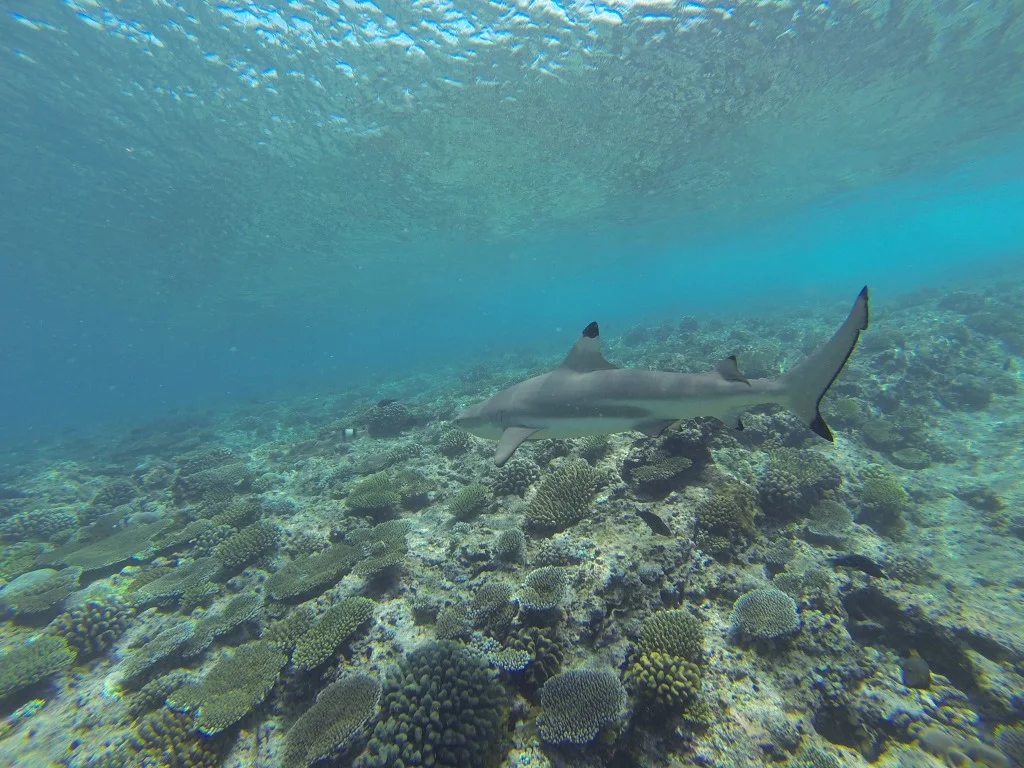
Dive Centers Near Mako Shark Reef
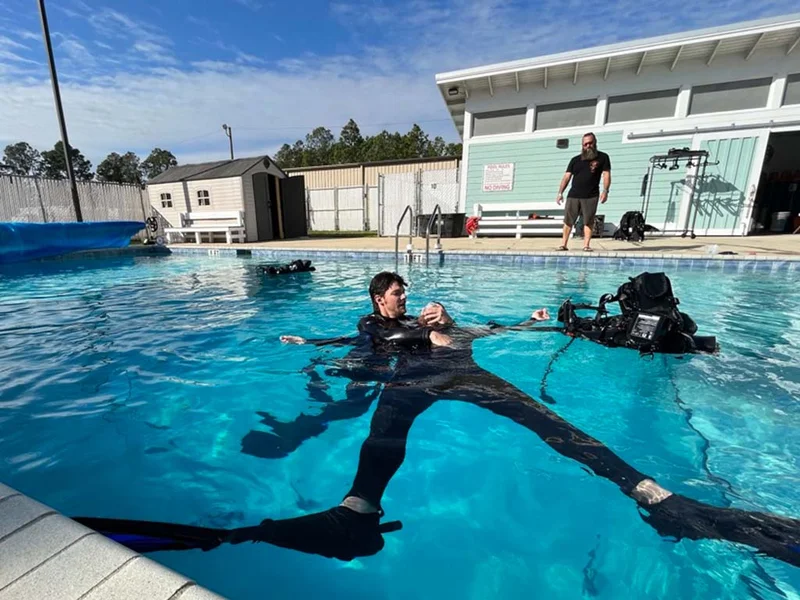
Today: 09:00 - 16:00
Nearest Airports
Nearest airports to help plan travel to this dive area.
Search Flights
Check available flights and routes on Expedia, using the nearby airports listed in this section.
Search Flights on Expedia
Plan Your Stay
Looking for a place to stay for your dive trip? Explore hotels, stays, and vacation rentals for dive groups near Mexico Beach.
Dive Navigator may earn a commission from these links at no extra cost to you.
Frequently Asked Questions
What is the typical dive depth for Mako shark encounters?
Dives for Mako sharks typically occur in blue water between 15-30 meters (50-100 feet). The average operating depth is about 16.8 m (55 ft) for sustained interactions.
What are the optimal months for diving with Mako sharks in this region?
Off the California coastline, particularly around Catalina Island, the prime season for Mako shark encounters runs from June 1 to September 15. Good conditions for diving are also reported from February through May and October through November.
How fast are Mako sharks?
Mako sharks are considered the fastest sharks in the ocean. They have an average approach speed of 29 km/h (18 mph) but can achieve bursts up to 88.5 km/h (55 mph).
What safety precautions are taken during Mako shark dives?
Safety measures include limiting group sizes to 6-10 divers, enforcing a 2.5 m (8.2 ft) personal clearance around divers, and using sonar for shark monitoring. Operators also have strict abort conditions based on current speed and swell height, and carry emergency oxygen supplies.
What is the water temperature like during these dives?
Surface water temperatures often range from 19–23°C (67–73°F). However, thermoclines at 15–20 m (50–65 ft) can cause temperature drops of 2–3°C (4–6°F), making a good wetsuit essential.
Is chumming used to attract the sharks?
Yes, professional shark dive operators use tactical chumming systems. These involve dispersing blended fish parts and oil-slick surfactants to create a scent trail and attract Mako sharks to the diving area.
What is the typical size of Mako sharks encountered?
The Mako sharks encountered typically range from 1.9-2.7 meters (6.3-8.9 feet) in total length. Some observations indicate juvenile sharks between 1.8–2.4 m and larger females up to 3.8 m.
Planning to dive Mako Shark Reef?
Send one inquiry and receive offers directly from the best verified local dive operators.
Conditions are Excellent
07:00 - 14:00
Optimal conditions expected
Current conditions near Mako Shark Reef show 24° air, 30° sea temperature, 0.3 m waves, and 17 km/h wind. Forecast data is refreshed regularly to ensure accuracy.