
Diving at Mammoth Lake (United States)
Mammoth Lake, originally a sand quarry in Clute, Texas, presents a distinctive freshwater diving landscape. This inland site uniquely combines historical significance—named for Columbian Mammoth tusks unearthed here—with a recreational dive park filled with purpose-sunk artifacts. It stands apart as a dynamic training ground and exploration site within the state's dive community.
Starting the day at Mammoth Lake, the ambient air temperature is recorded at 27°C. Ongoing monitoring shows wave heights measuring 0.9 m. This data represents the current surface conditions for early activities.
Dive Site Location & Key Facts
Dive Site Overview
Transformed from a sandpit, Mammoth Lake Dive Park in Clute, Texas, spans 43 acres, offering a complex underwater topography for exploration. Since its filling in 2007, the lake floor has been meticulously developed with various submerged attractions, including boats, vehicles, and sculptures, creating distinct zones for divers.
While PADI reports a maximum depth of 6 meters (20 feet) for this recreational park, other sources indicate depths reaching up to 18.5 meters (61 feet), allowing for varied exploration within its freshwater environment. Shore-accessible entry points make access straightforward, while strategically placed lines connect many of the underwater structures. These lines are crucial navigation aids, particularly given the varying visibility.
The lake’s design caters to a range of skill levels, from gentle, shallower areas ideal for new divers to deeper sections where more experienced individuals can navigate the larger artifacts. Its diverse setup ensures a new experience with each visit.
Conditions are Excellent
07:00 - 14:00
Optimal conditions expected
Current conditions near Mammoth Lake show 27° air, 31° sea temperature, 0.9 m waves, and 22 km/h wind. Forecast data is refreshed regularly to ensure accuracy.
Best Time to Dive
Planning a dive at Mammoth Lake often centers on optimizing for visibility, which tends to fluctuate throughout the year. Colder months typically offer clearer conditions, contrasting with warmer periods when algae blooms can reduce visibility. For instance, air temperatures average 12°C (54°F) in January, gradually warming to 28.5°C (83°F) by August. Despite the lack of specific water temperature data, aligning with colder air temperatures, such as those from December through February, might coincide with clearer water. Dive scores from May through December generally rate as 'Good' (7-8), suggesting favorable overall conditions during these months. Rainfall is relatively low year-round, ranging from 2.4 mm in February to 8.5 mm in May, so it isn't consistently reported as a primary factor influencing visibility. Regardless of the season, lines are installed between structures to aid navigation, ensuring the park remains a viable year-round diving destination.
PEAK SEASON SCORE
Scores combine air & water temps, waves, wind & rainfall for overall conditions.
BEST MONTHS TO DIVE
Monthly records compiled from satellite and marine observation nodes over the last 3 years. Data provided by Open-Meteo and MET Norway.
Dive Experience & Conditions
Descending into Mammoth Lake provides a uniquely challenging yet rewarding freshwater dive experience. Visibility typically spans 1.5-3 meters (5-10 ft), requiring attentive navigation and good buoyancy control from divers. Navigating the lake, you'll feel the cool embrace of freshwater, which varies seasonally and necessitates appropriate thermal protection. Submerged attractions like boats, vehicles, and sculptures dot the lakebed, offering interesting points of exploration. The presence of navigation lines between these artifacts is a practical comfort, especially when visibility becomes limited, guiding divers through the intricate layout. It's an environment where advanced skills in navigation and wreck diving (albeit in a controlled setting) are beneficial, allowing for deeper engagement with the unique, man-made underwater landscape.
Dive Difficulty & Safety Guidelines
Diving at Mammoth Lake requires an awareness of its particular conditions, primarily the variable visibility, which often ranges from 1.5 to 3 meters, or 5 to 10 feet. This characteristic makes strong buoyancy control and proficient navigation skills essential for safety. Divers should always follow established lines connecting the submerged attractions to avoid disorientation in lower visibility situations.
As a recreational dive park, it maintains certain operational standards. Always dive within your certification limits and consider additional training, such as a Wreck Diver course, to enhance safety and enjoyment around the submerged artifacts.
Regularly inspect equipment and plan dives thoroughly, especially when exploring the deeper sections of the lake.
Recommended Equipment
Overhead / entanglement risk. Wreck penetration requires proper training.
Overhead environment. Do not enter beyond training and gas planning limits.
- Dive Computer
- Primary & Backup Lights
- Wreck Reel
- Reel / Spool
- Cutting Tool
- Hard-soled Dive Boots
This gear list is based on verified equipment signals for Mammoth Lake, United States. Always confirm final gear choices with your dive operator, guide, or liveaboard.
Recommended Dive Suit
Dive skin or rash guard is often considered an appropriate level of exposure protection for conditions like these. A hood or vest is suggested for sensitive divers due to surface winds.
Current readings at Mammoth Lake show water temperatures near 31°C (88°F). Surface air temperatures are resting at 27°C (81°F).
The upcoming forecast points to generally steady conditions in the area.
Emergency & Medical Support
Essential information to help you plan your dive trip to Mammoth Lake.

Hyperbaric chambers are a critical part of dive safety infrastructure. Availability varies significantly by region, and not all dive areas have immediate access.
Before diving, it's recommended to:
- confirm nearest medical facilities
- check emergency procedures with local dive operators
- ensure dive insurance covers evacuation if required
Divers Alert Network
Diving emergency assistance available through DAN World.
+1-919-684-9111- 24/7 emergency hotline
- Diving medical assistance
- Evacuation coordination
Emergency contacts are provided for reference. Always verify local emergency services before diving.
Marine Life at Mammoth Lake
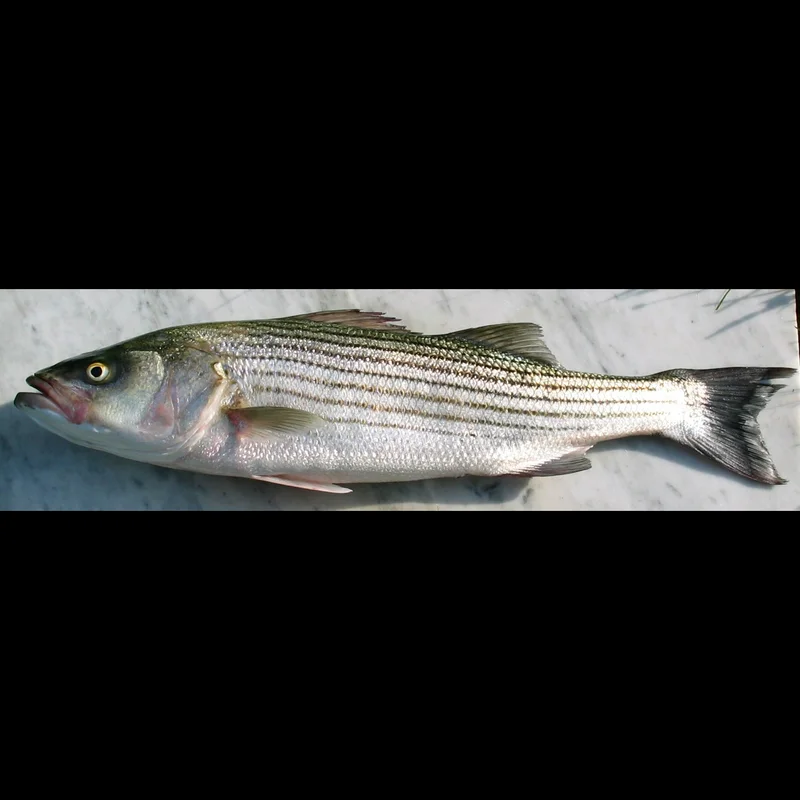
Despite its origins as a quarry, Mammoth Lake supports a surprising array of freshwater aquatic life. Around the various sunken attractions, divers commonly observe species such as bass, catfish, and sunfish.
These fish often congregate around the vehicles and sculptures, using them as habitat. Turtles are also frequently spotted gliding through the water or resting on submerged objects.
Freshwater crustaceans and other smaller creatures contribute to the park's ecological diversity, often found near the sediment or clinging to structures, adding details to the underwater environment.

Dive Centers Near Mammoth Lake


Nearest Airports
Nearest airports to help plan travel to this dive area.
Search Flights
Check available flights and routes on Expedia, using the nearby airports listed in this section.
Search Flights on Expedia
Plan Your Stay
Looking for a place to stay for your dive trip? Explore hotels, stays, and vacation rentals for dive groups near Lake Jackson.
Dive Navigator may earn a commission from these links at no extra cost to you.
Frequently Asked Questions
What is Mammoth Lake Dive Park's maximum depth?
Mammoth Lake offers a varied depth profile. While the PADI site reports a maximum depth of 6 meters (20 feet), other sources indicate deeper sections can reach around 18.5 meters, or over 60 feet.
What kind of visibility can I expect when diving here?
Visibility at Mammoth Lake typically ranges from 1.5 to 3 meters, translating to approximately 5 to 10 feet. Conditions vary seasonally, with clearer water often reported in colder months and reduced visibility during warmer periods due to algae blooms.
What type of marine life can be observed in Mammoth Lake?
Mammoth Lake is home to a variety of freshwater species. Divers can expect to see bass, catfish, sunfish, and turtles, often congregating around the submerged attractions, along with various freshwater crustaceans.
Are there specific underwater attractions at Mammoth Lake?
Yes, the lake features numerous strategically placed submerged attractions. These include sunken boats, vehicles, and sculptures that create interesting exploration points for divers.
Is Mammoth Lake suitable for beginner divers?
Mammoth Lake accommodates divers of all experience levels. Shallow areas with gentle slopes are ideal for beginners and training, while deeper sections offer more complex exploration for certified divers.
How do I get scuba certified at Mammoth Lake?
Mammoth Lake is a recreational dive facility and does not directly offer certification courses. You would need to contact local dive shops in the Lake Jackson or Freeport area, such as Maximum Scuba Houston, to arrange for certification training or advanced courses.
What are the typical water temperatures?
Water temperatures in Mammoth Lake vary depending on the season. While specific data is not consistently reported, conditions are generally cooler in winter months and warmer in summer, influencing thermal protection needs.
Planning to dive Mammoth Lake?
Send one inquiry and receive offers directly from the best verified local dive operators.
Conditions are Excellent
07:00 - 14:00
Optimal conditions expected
Current conditions near Mammoth Lake show 27° air, 31° sea temperature, 0.9 m waves, and 22 km/h wind. Forecast data is refreshed regularly to ensure accuracy.