
Diving at Manta Dive-Garden Eel Cove (United States)
Encountering manta rays at Manta Dive-Garden Eel Cove involves embracing the unpredictability of wild marine life. While no guarantee exists for their appearance, the potential reward of observing these majestic creatures feeding under lights makes the night dive a compelling pursuit. Divers must prepare for varying conditions and the dynamic environment of a well-attended night diving destination, ensuring a focus on responsible interaction within this busy marine spectacle.
Evening condition tracking at Manta Dive-Garden Eel Cove features an air temperature of 28°C. We have recorded wave heights measuring 0.9 m during this period. These figures outline the environmental parameters currently present.
Dive Site Location & Key Facts
Dive Site Overview
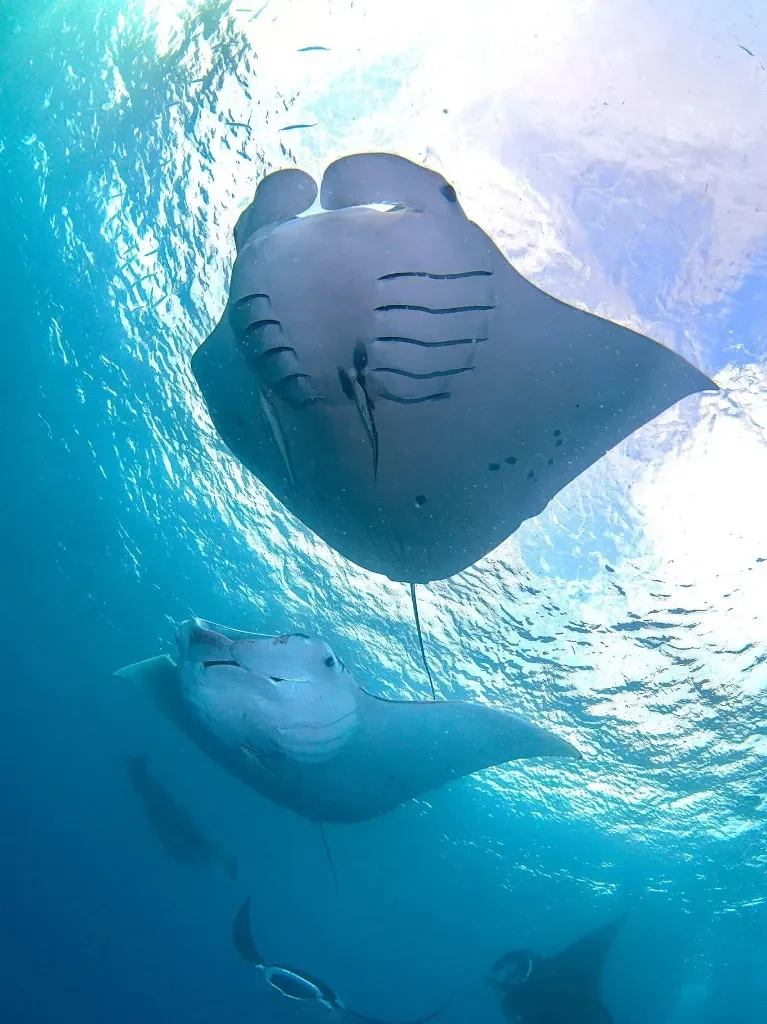
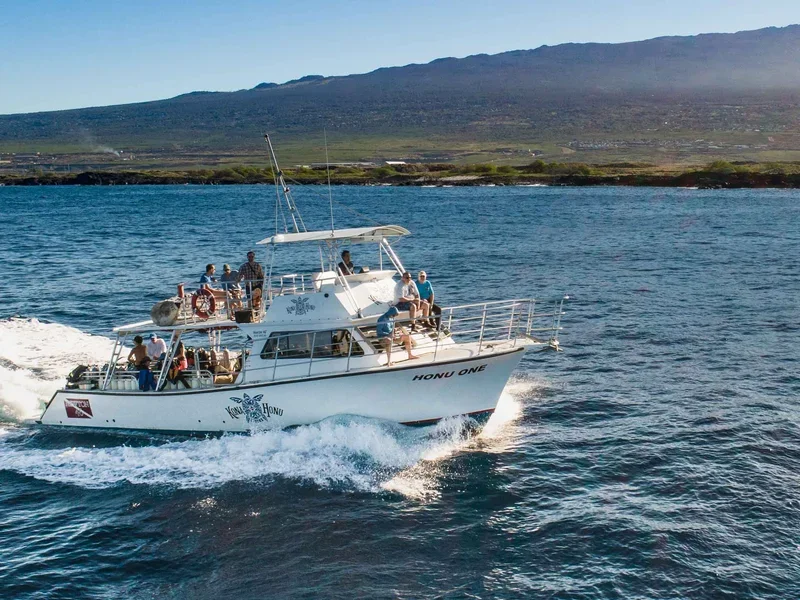
Garden Eel Cove, also known as Manta Ray Heaven or Makako Bay, transforms each evening into a significant night diving location off the Kona Coast of the Big Island, Hawaii. Accessed readily by boat from Honokohau Harbor, this area serves as a key gathering point for divers and snorkelers eager to observe manta rays.
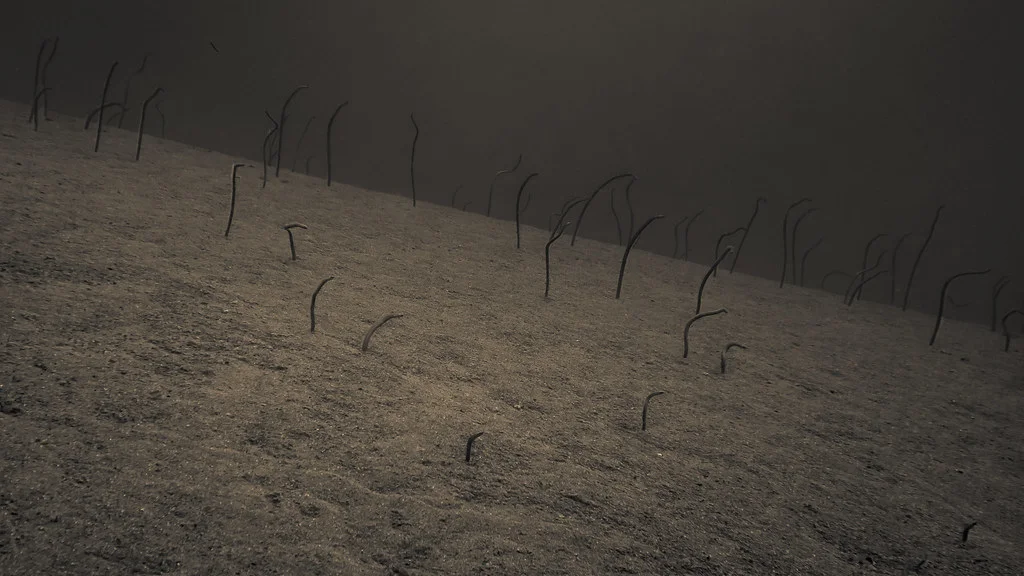
During daylight hours, the reef ecosystem presents a pleasant warm-up dive, blanketed by squirrelfish and home to schools of goatfish. Divers might explore to a maximum depth of around 24 m (80 ft), where the site's namesake garden eels reside in the sandy bottom, slowly retreating into their holes as divers approach. As dusk settles, dive operators set up illuminated 'campfires' to attract microscopic zooplankton, drawing in manta rays for an impressive feeding display.
Many choose a common two-tank dive: a twilight exploration of the reef followed by the celebrated night encounter with the mantas. This bustling environment sees numerous boats mooring, creating a collective light source that ensures a vibrant, if sometimes crowded, underwater theater.
While manta ray appearances vary, responsible interaction and the site's natural appeal make it a frequently visited destination.
Conditions are Good
Optimal conditions expected
Current conditions near Manta Dive-Garden Eel Cove show 28° air, 29° sea temperature, 1.1 m waves, and 25 km/h wind. Forecast data is refreshed regularly to ensure accuracy.
Best Time to Dive
Diving at Manta Dive-Garden Eel Cove is generally good year-round, yet specific seasonal nuances can influence the experience. Air temperatures consistently remain warm, ranging from 22.5°C (72°F) in February to 25.5°C (78°F) in August, ensuring comfortable surface intervals. Rainfall is generally minimal, with the driest months typically from December to February, averaging less than 1.5 mm, contrasting with June's wetter conditions which can see around 6.8 mm. Wave heights tend to be lower during late summer and early fall, particularly in September with an average of 0.9 m, compared to higher averages around 1.4 m in January. Wind speeds remain moderate throughout the year, usually between 10-14 km/h (6-9 mph). While mantas are wild animals and their presence isn't guaranteed on any given night, operators often monitor recent sightings to choose the best location, either Garden Eel Cove or Manta Village. The summer months, when school is out, can lead to busier conditions, making later 'moonlight manta' tours a potentially less crowded option for a more serene experience.
PEAK SEASON SCORE
Scores combine air & water temps, waves, wind & rainfall for overall conditions.
BEST MONTHS TO DIVE
Monthly records compiled from satellite and marine observation nodes over the last 3 years. Data provided by Open-Meteo and MET Norway.
Dive Experience & Conditions
Experiencing Manta Dive-Garden Eel Cove means entering a dynamic environment. Operators typically arrive in the late afternoon for a day dive on the reef before the main event. At maximum depth, approximately 24 m (80 ft), the sandy bottom hosts extensive garden eel colonies, which retract slowly as divers approach. Water temperatures are not consistently reported for this specific site but generally align with comfortable Hawaiian averages. As twilight deepens, attention shifts to the impactful night encounter. Dive boats cluster, using mooring balls to protect the reef, and deploy powerful lights. These lights attract zooplankton, the primary food source for manta rays, creating an illuminated 'campfire' area where divers gather. While the number of manta rays can fluctuate from just one to many, the thrill of watching them glide and feed overhead is a consistent draw. The site often gets busy with both divers and snorkelers, necessitating careful awareness of other groups and boat traffic. Southern swells, common in summer, are often blocked by Keahole point, generally providing calmer conditions here than at other sites.
Dive Difficulty & Safety Guidelines
Ensuring safety at Manta Dive-Garden Eel Cove requires adherence to established guidelines, particularly due to the site's popularity. Divers must remain aware of their surroundings, especially with multiple dive and snorkel boats operating in the area during night dives. Proper buoyancy control is essential to avoid disturbing the reef and the mantas, ensuring no contact is made with these protected animals or their habitat.
While no specific inherent hazards are consistently reported for the site beyond general marine environment considerations, the primary focus is on responsible interaction with wildlife. Divers should maintain a respectful distance from the mantas and avoid using bright, direct lights that might disorient them or disrupt their feeding patterns.
Following dive master briefings and staying within group parameters is crucial, especially when navigating the collective 'campfire' viewing area amidst other divers and snorkelers. Maintaining awareness of boat traffic and ascent procedures is also paramount for a safe night diving experience.
Recommended Equipment
- Dive Computer
- DSMB
This gear list is based on verified equipment signals for Manta Dive-Garden Eel Cove, United States. Always confirm final gear choices with your dive operator, guide, or liveaboard.
Recommended Dive Suit
The latest conditions reported around Manta Dive-Garden Eel Cove place the water temperature close to 29°C (84°F). Surface air temperatures are resting at 28°C (83°F).
For the majority of recreational dives here, 2-3mm shorty or light wetsuit should provide suitable protection. Consider warmer surface protection (like a boat coat) due to brisk winds.
Weather models currently point toward consistent diving conditions over the next several days.
Emergency & Medical Support
Essential information to help you plan your dive trip to Manta Dive-Garden Eel Cove.

Hyperbaric chambers are a critical part of dive safety infrastructure. Availability varies significantly by region, and not all dive areas have immediate access.
Before diving, it's recommended to:
- confirm nearest medical facilities
- check emergency procedures with local dive operators
- ensure dive insurance covers evacuation if required
Divers Alert Network
Diving emergency assistance available through DAN World.
+1-919-684-9111- 24/7 emergency hotline
- Diving medical assistance
- Evacuation coordination
Emergency contacts are provided for reference. Always verify local emergency services before diving.
Marine Life at Manta Dive-Garden Eel Cove
A primary attraction at Garden Eel Cove is, without question, the majestic manta ray. While these wild animals exhibit variable attendance, some nights can feature a multitude of mantas gracefully feeding on zooplankton attracted by dive lights.
Beyond this main draw, the site offers glimpses of other fascinating creatures. In the shallower sections and along the reef, divers commonly observe squirrelfish sheltering in crevices and schools of goatfish foraging across the bottom.
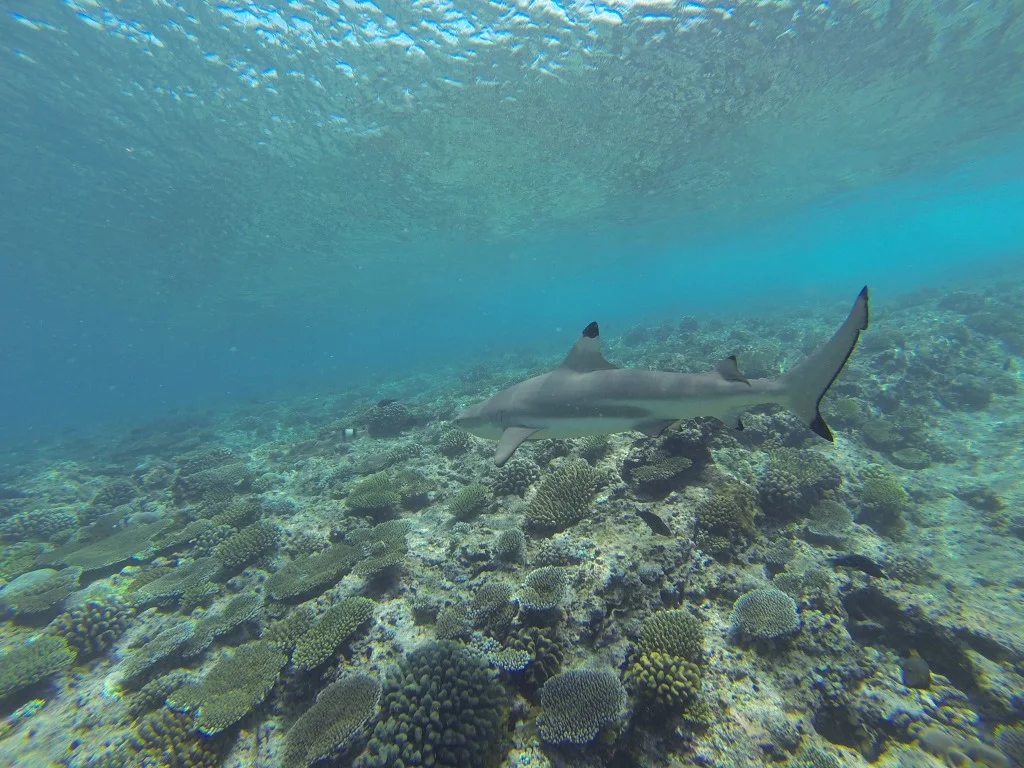
An extensive colony of garden eels, the site's namesake, presents an intriguing sight, with hundreds of individuals peering from their sandy burrows around recreational depth ranges. Occasionally, divers might also encounter sharks, dolphins, or turtles, especially during daytime explorations of the area.
The experience here provides a rich tapestry of marine life, though the mantas remain the unforgettable highlight.

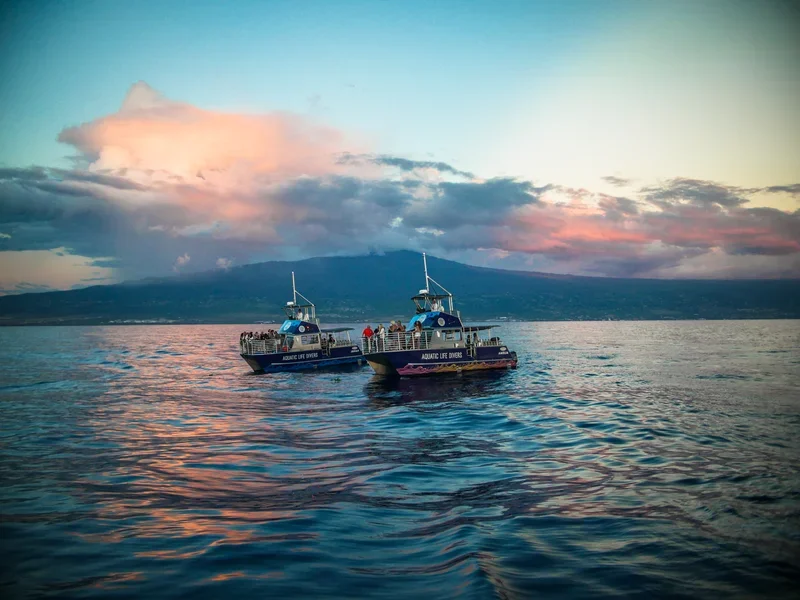
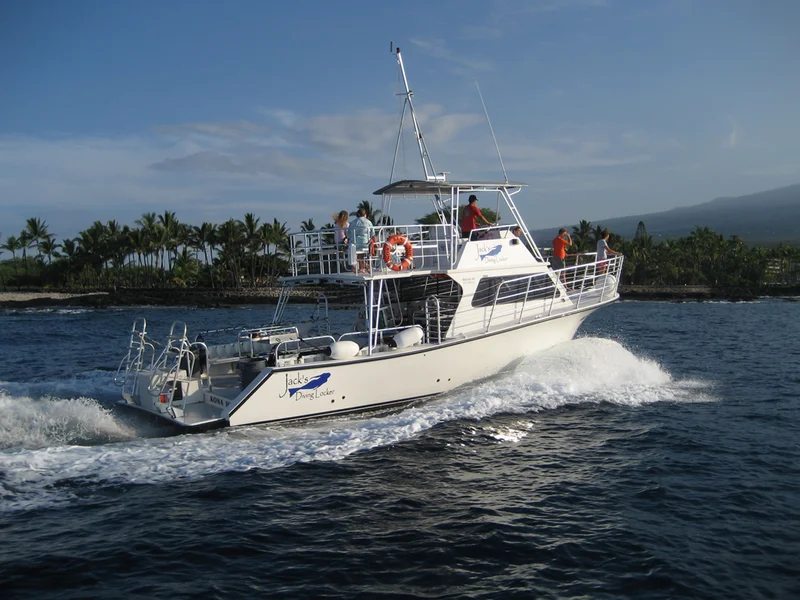
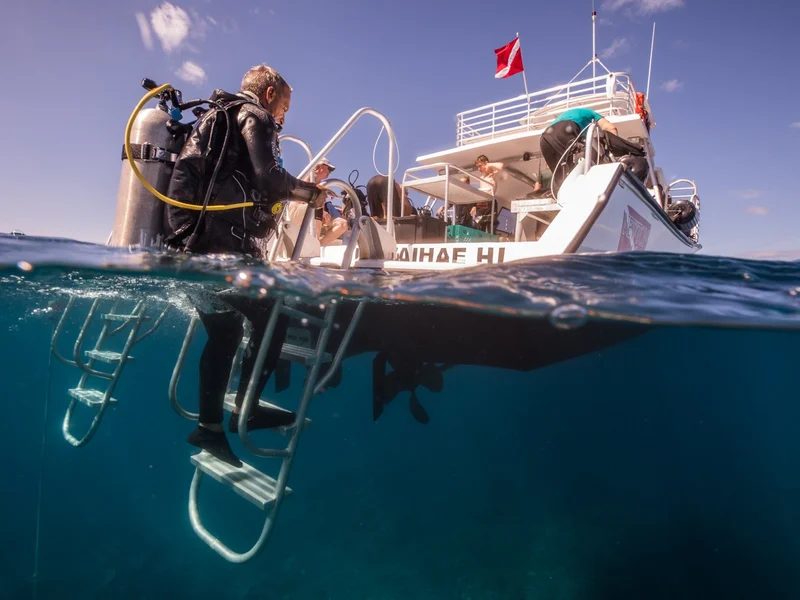
Dive Centers Near Manta Dive-Garden Eel Cove
Today: 07:00 - 17:00
Nearest Airports
Nearest airports to help plan travel to this dive area.
Search Flights
Check available flights and routes on Expedia, using the nearby airports listed in this section.
Search Flights on Expedia
Plan Your Stay
Looking for a place to stay for your dive trip? Explore hotels, stays, and vacation rentals for dive groups near Kalaoa.
Dive Navigator may earn a commission from these links at no extra cost to you.
Frequently Asked Questions
What is Manta Ray Heaven / Garden Eel Cove?
Garden Eel Cove, also known as Manta Ray Heaven or Makako Bay, is a significant night dive and snorkel site off the Kona Coast of Hawaii's Big Island. It attracts large manta rays that feed on plankton illuminated by dive boat lights, creating a spectacular underwater show.
Where is Manta Ray Heaven / Garden Eel Cove located?
This site is situated just offshore from the Kona Airport on the Big Island of Hawaii. Most dive and snorkel operators depart from Honokohau Harbor to reach the cove by boat.
How do the manta rays come to the site at night?
Dive and snorkel operators position bright lights, often in a central 'campfire' area, which attracts microscopic zooplankton. The manta rays then glide in to feed on this concentrated food source, providing an up-close viewing experience for divers.
Are manta ray sightings guaranteed?
Manta rays are wild animals, and their appearances can vary; some nights may host many, while others might see only a few or none. Many tour operators offer 'manta guarantees,' allowing a return trip if no mantas are seen.
What other marine life might I see at the cove?
During both day and night dives, you might observe squirrelfish and schools of goatfish on the reef. The site is also home to a large colony of garden eels, and occasional sightings of sharks, whales, dolphins, or turtles have been reported.
Is this site only for night dives?
While Manta Dive-Garden Eel Cove is celebrated for its night manta encounters, it's also a suitable location for daytime diving. The reef offers opportunities to explore marine life, including the garden eel colony, before the evening spectacle.
How do dive operators ensure safety and environmental protection?
Operators use mooring balls to tie up boats, preventing anchor damage to the reef. They also provide thorough briefings on manta ray etiquette, emphasizing no touching and maintaining respectful distances to protect these animals and their habitat.
Planning to dive Manta Dive-Garden Eel Cove?
Send one inquiry and receive offers directly from the best verified local dive operators.
Conditions are Good
Optimal conditions expected
Current conditions near Manta Dive-Garden Eel Cove show 28° air, 29° sea temperature, 1.1 m waves, and 25 km/h wind. Forecast data is refreshed regularly to ensure accuracy.