
Diving at Martin Reef (United States)
Off the coast of Martin County, marine life thrives across a network of natural and artificial reef structures. This area, part of Florida's 'Treasure Coast,' benefits from a long-standing Artificial Reef Program, initiated in the 1970s by a group known as the 'Reeftirees.' These efforts have cultivated self-sustaining marine habitats, attracting a rich aquatic bounty for divers to observe.
Current morning readings from Martin Reef indicate an air temperature of 26°C. Surface wave heights are averaging around 1 m at this time. These local measurements provide a baseline for your daily dive planning.
Dive Site Location & Key Facts
Dive Site Overview
Exploring Martin Reef means encountering a dynamic underwater landscape shaped by both natural formations and a purposeful artificial reef program. The initiative began decades ago, with efforts to create and enhance marine habitats using diverse materials.
Deployments have included steel vessels, such as the Hailey Glasrud Reef in the Sirotkin area, alongside numerous concrete rubble reefs found in sites like Donaldson. Nearshore reefs, established in 2000, utilize concrete debris from the former Evans Crary Bridge, creating complex environments between Stuart and Jensen Public Beaches.
These sites are regularly monitored for marine activity and structural integrity by research dive teams. Unlike some areas, Martin County waters typically do not feature mooring balls; instead, divers should anticipate and plan for drift diving, guided by the prevailing north current. Recreational depths across these varied structures allow for extended exploration.
Conditions are Good
Optimal conditions expected
Current conditions near Martin Reef show 26° air, 30° sea temperature, 0.8 m waves, and 17 km/h wind. Forecast data is refreshed regularly to ensure accuracy.
Best Time to Dive
Diving conditions at Martin Reef vary seasonally, generally presenting excellent opportunities for much of the year, though optimal periods stand out. The summer months, specifically May through August, consistently show high dive scores, marked by lower average wave heights, often below 0.8 meters (2.6 ft). During this time, air temperatures are warm, peaking around 28°C (82°F) in August, with moderate rainfall. In contrast, the fall, particularly October, sees an increase in wave heights, averaging over 1.6 meters (5.2 ft), and higher wind speeds, which can lead to more challenging conditions and a 'Moderate' dive score. Despite cooler air temperatures ranging from 18.5°C (65°F) to 23°C (73°F), winter and spring months from December to March still maintain 'Good' dive scores, benefiting from reduced rainfall compared to peak summer months.
PEAK SEASON SCORE
Scores combine air & water temps, waves, wind & rainfall for overall conditions.
BEST MONTHS TO DIVE
Monthly records compiled from satellite and marine observation nodes over the last 3 years. Data provided by Open-Meteo and MET Norway.
Dive Experience & Conditions
A prevailing north current defines the diving experience at Martin Reef, making drift diving the standard approach for exploring these sites. Without mooring balls in Martin County waters, divers must be prepared to manage continuous movement throughout their dive. While specific water temperature data isn't consistently reported, surface air temperatures ranging from 18.5°C (65°F) in winter to 28°C (82°F) in summer suggest generally warm to mild conditions underwater. Reefs here present varying depths, from inner ledges just past no-motor buoys to deeper offshore sites. Shore divers must remain acutely aware of boat traffic, as vessels may approach shallower sections, necessitating constant vigilance and adherence to dive flag protocols.
Dive Difficulty & Safety Guidelines
Successfully navigating Martin Reef requires diligent attention to dive planning and safety protocols, particularly due to the prevalence of drift diving. Given the absence of mooring balls in Martin County, divers must coordinate boat pick-ups effectively and consistently deploy a surface marker buoy. Always maintain awareness of boat traffic; even in shallower areas, boats may come surprisingly close to inner ledges.
Divers should understand that the local reef numbering can be confusing, with shore divers' 'third reef' often corresponding to what boaters consider the 'first reef.' Prioritize carrying appropriate navigation tools, such as the Navionics app, which often has wreck and reef locations pre-programmed, to enhance site awareness.
Recommended Equipment
- Dive Computer
This gear list is based on verified equipment signals for Martin Reef, United States. Always confirm final gear choices with your dive operator, guide, or liveaboard.
Recommended Dive Suit
Divers planning relaxed exploration may appreciate the warmth of dive skin or rash guard. A hood or vest is suggested for sensitive divers due to surface winds. Divers often notice that perceived temperature can feel cooler during deeper or longer dives.
The waters surrounding Martin Reef are currently maintaining temperatures close to 30°C (86°F). Surface air temperatures are resting at 26°C (79°F).
Weather projections show fairly stable environmental conditions ahead.
Emergency & Medical Support
Essential information to help you plan your dive trip to Martin Reef.

Hyperbaric chambers are a critical part of dive safety infrastructure. Availability varies significantly by region, and not all dive areas have immediate access.
Before diving, it's recommended to:
- confirm nearest medical facilities
- check emergency procedures with local dive operators
- ensure dive insurance covers evacuation if required
Divers Alert Network
Diving emergency assistance available through DAN World.
+1-919-684-9111- 24/7 emergency hotline
- Diving medical assistance
- Evacuation coordination
Emergency contacts are provided for reference. Always verify local emergency services before diving.
Marine Life at Martin Reef
Beneath the surface, divers often observe a rich aquatic bounty supported by Martin County’s diverse reef environments. Both natural and artificial structures have cultivated self-sustaining marine habitats.
These reefs provide ideal locales for various fish and invertebrates, creating a dynamic ecosystem to explore. While specific species aren't consistently reported, the 'bounty of rich aquatic life' suggests a vibrant, healthy environment, attracting diverse marine creatures that benefit from the complex reef architecture.
Dive Centers Near Martin Reef
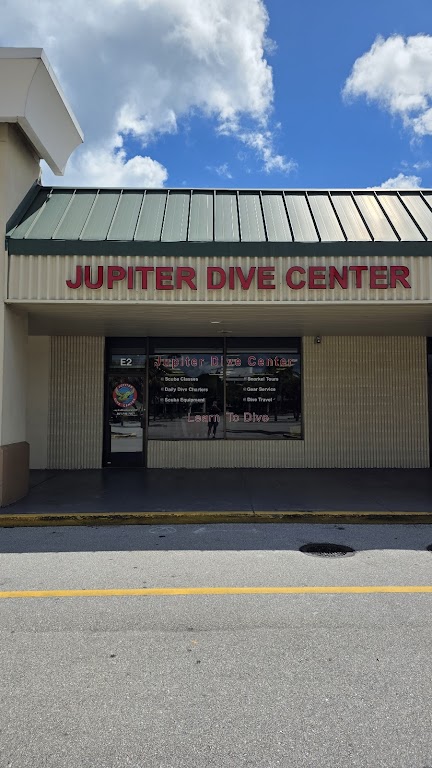
Today: 10:00 - 18:00
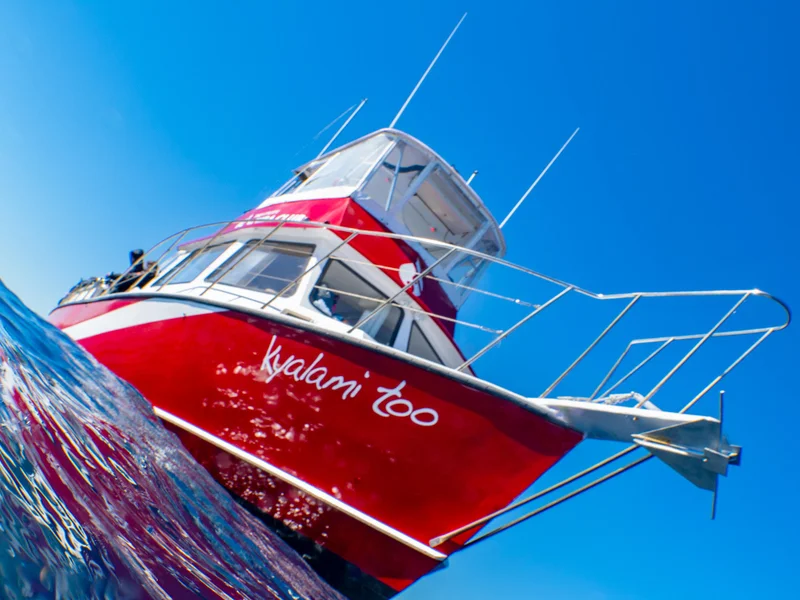
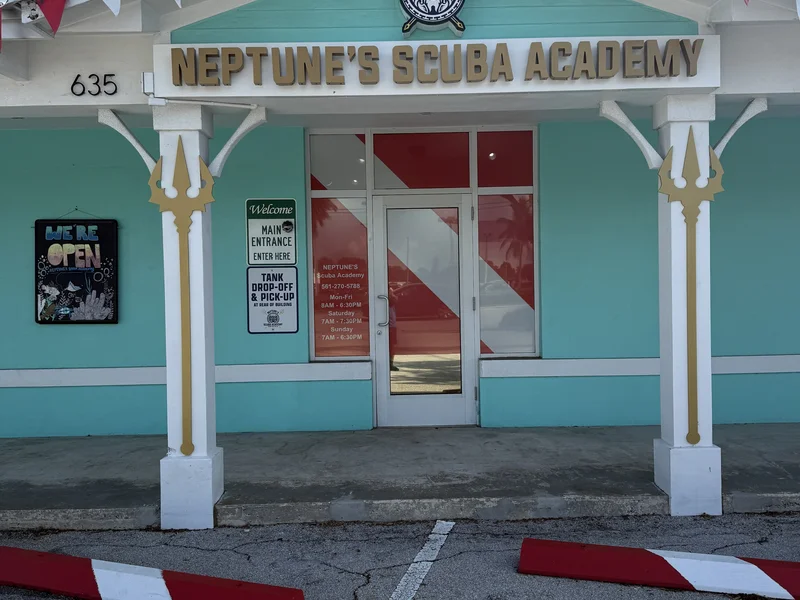
Nearest Airports
Nearest airports to help plan travel to this dive area.
Search Flights
Check available flights and routes on Expedia, using the nearby airports listed in this section.
Search Flights on Expedia
Plan Your Stay
Looking for a place to stay for your dive trip? Explore hotels, stays, and vacation rentals for dive groups near Sewall's Point.
Dive Navigator may earn a commission from these links at no extra cost to you.
Frequently Asked Questions
Is drift diving mandatory at Martin Reef?
Yes, drift diving is the predominant method for exploring Martin Reef. The area features a prevailing north current, and there are no mooring balls in Martin County waters, making it essential to plan for continuous movement.
Are there mooring balls available for tie-off?
No, mooring balls are not available in Martin County waters. Divers must coordinate their dives as drift dives and ensure appropriate surface signaling for boat retrieval.
What kind of reefs will I find at Martin Reef?
Martin Reef comprises a mix of natural and artificial reef sites. The artificial reefs, part of a program since the 1970s, include materials like concrete rubble from bridge demolitions and even steel vessels, enhancing existing natural formations.
What is the typical depth range for diving?
The depth range varies across Martin Reef. You'll find inner ledges and shallower sections closer to shore, as well as deeper offshore sites, all generally within recreational diving limits.
How do I navigate the dive sites?
Many dive sites, including wrecks and reefs, are pre-programmed into navigation apps like Navionics. Utilizing such tools is highly recommended for locating specific sites and planning your drift.
Is boat traffic a concern for divers?
Yes, boat traffic can be a concern, especially in shallower areas or near inner ledges. Shore divers, in particular, should always keep a vigilant watch and strictly use a dive flag to alert vessels to their presence.
Planning to dive Martin Reef?
Send one inquiry and receive offers directly from the best verified local dive operators.
Conditions are Good
Optimal conditions expected
Current conditions near Martin Reef show 26° air, 30° sea temperature, 0.8 m waves, and 17 km/h wind. Forecast data is refreshed regularly to ensure accuracy.