
Diving at MB-88-F (United States)
MB-88-F, the UB-88 submarine, lies on the seabed as a challenging yet historically significant dive site. Once a formidable German U-boat of World War I, its role shifted dramatically after the war, eventually becoming an artificial reef off the United States coastline. Experienced divers seeking to connect with maritime history in a profound way are drawn to this underwater relic.
Early observations for MB-88-F report a surface air temperature of 28°C. The water surface is currently presenting wave heights of 0.8 m. Consider these environmental metrics before beginning your descent.
Dive Site Location & Key Facts
Dive Site Overview
German U-boat UB-88 presents a complex structure, making it a compelling exploration for those certified to navigate its depths. Resting at a maximum depth of 67 meters (220 feet), the wreck offers various levels of access depending on diver certification.
Recreational divers can explore the conning tower, officers' quarters, and bridge; the tower itself begins around 25 meters (80 feet). Deeper sections, extending towards the maximum depth, reveal torpedo tubes and other structural elements, creating a captivating underwater time capsule.
Exploring areas below the flight deck requires advanced or technical diving certifications due to the extreme depth and potential for decompression requirements. Submarine surfaces are now adorned with marine growth, providing an intricate backdrop for exploration as an artificial reef.
Divers will find the wreck both a historical monument and a vibrant marine habitat, inviting multiple visits to uncover its many facets.
Conditions are Excellent
07:00 - 14:00
Optimal conditions expected
Current conditions near MB-88-F show 28° air, 30° sea temperature, 0.4 m waves, and 15 km/h wind. Forecast data is refreshed regularly to ensure accuracy.
Best Time to Dive
Planning your dive to MB-88-F significantly benefits from understanding seasonal conditions, with the period from May through September generally offering the most favorable environment. During these months, dive scores are consistently rated 'Good'. Air temperatures are comfortably warm, ranging from 24.5°C (76°F) in May up to 29°C (84°F) in August. Additionally, lower wave heights are typical during this period, often below 1 meter (3.3 feet), alongside moderate wind speeds. These conditions can contribute to more stable surface conditions and potentially better underwater visibility. While rain averages remain relatively low throughout the year, September does show a slight increase in precipitation. Optimizing for calmer seas and warmer air temperatures makes May, July, and August particularly appealing for visiting the UB-88, allowing for a more comfortable experience both on the boat and at the surface.
PEAK SEASON SCORE
Scores combine air & water temps, waves, wind & rainfall for overall conditions.
BEST MONTHS TO DIVE
Monthly records compiled from satellite and marine observation nodes over the last 3 years. Data provided by Open-Meteo and MET Norway.
Dive Experience & Conditions
Approaching the UB-88 submarine requires careful consideration of its depth and the skills needed for this challenging dive. Minimum certification for exploration here is an Advanced Open Water Diver, providing the foundational skills for deeper environments. However, a Deep Diver Specialty certification is highly recommended to comfortably and safely explore depths up to 190 feet (around 58 meters). Those aiming to maximize bottom time or undertake decompression dives will find technical diving certifications, such as Trimix or Technical Diver, beneficial. Currents can be strong, necessitating diligent monitoring and appropriate dive planning to avoid being swept off the wreck. A demanding environment here calls for experienced divers proficient in buoyancy control and comfortable in deeper, potentially darker, conditions, adding to the adventurous nature of exploring a historic wreck at these depths.
Dive Difficulty & Safety Guidelines
Diving the UB-88 submarine necessitates a stringent adherence to safety protocols, primarily due to the wreck's depth and the potential for challenging conditions. Strong currents can be present, requiring divers to be prepared and plan their approach and exit accordingly. Given the wreck rests at a depth of 67 meters (220 feet), thorough pre-dive planning, including detailed dive profiles, is crucial to manage bottom time and decompression obligations.
Always dive with a buddy to enhance safety and provide mutual support in any unforeseen situation. Closely monitor air supply throughout the dive, ensuring sufficient reserves for the planned profile and any necessary safety or decompression stops.
Familiarity with emergency procedures, including the deployment of a surface marker buoy (SMB) and knowing the location of the nearest hyperbaric chamber, is also essential for all divers.
Recommended Equipment
- Dive Computer
This gear list is based on verified equipment signals for MB-88-F, United States. Always confirm final gear choices with your dive operator, guide, or liveaboard.
Recommended Dive Suit
With water temperatures around 30°C (85°F), many divers find a dive skin or rash guard provides comfortable protection.
Divers performing multiple dives may appreciate slightly warmer protection later in the day.
Forecast models indicate that diving conditions should remain largely unchanged.
Due to technical issues with our weather providers, live updates are temporarily delayed. The data above reflects the conditions at the time of the last successful fetch.
Emergency & Medical Support
Essential information to help you plan your dive trip to MB-88-F.

Hyperbaric chambers are a critical part of dive safety infrastructure. Availability varies significantly by region, and not all dive areas have immediate access.
Before diving, it's recommended to:
- confirm nearest medical facilities
- check emergency procedures with local dive operators
- ensure dive insurance covers evacuation if required
Divers Alert Network
Diving emergency assistance available through DAN World.
+1-919-684-9111- 24/7 emergency hotline
- Diving medical assistance
- Evacuation coordination
Emergency contacts are provided for reference. Always verify local emergency services before diving.
Marine Life at MB-88-F
An active artificial reef, the UB-88 submarine now hosts a diverse marine community. Divers exploring the wreck will often encounter schools of fish moving around its structure.
Vibrant anemones and colorful corals encrust metallic surfaces, transforming them into living habitats. While underwater, one might spot larger creatures like sea lions, sometimes showing curiosity toward visiting divers.
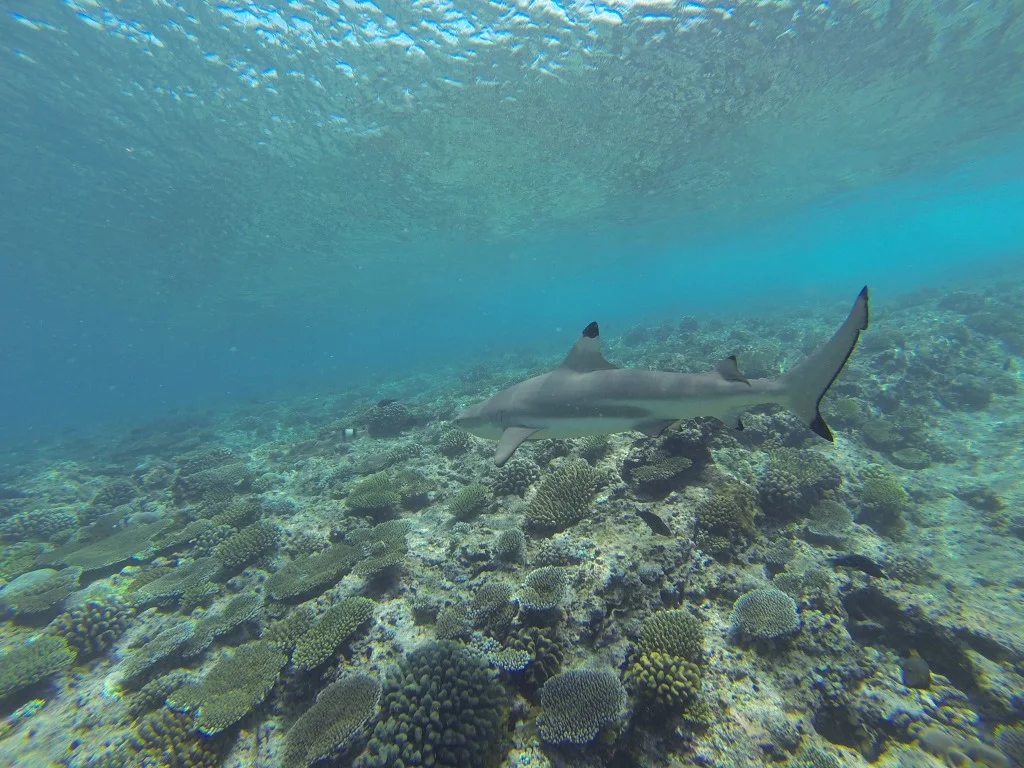
An occasional shark adds an element of natural wildness, making each descent a potential encounter with the unexpected. Rich biodiversity showcases the wreck's successful evolution from a war machine into a thriving underwater ecosystem.


Dive Centers Near MB-88-F
Today: 09:00 - 16:00
Nearest Airports
Nearest airports to help plan travel to this dive area.
Search Flights
Check available flights and routes on Expedia, using the nearby airports listed in this section.
Search Flights on ExpediaFrequently Asked Questions
What is the maximum depth of the UB-88 wreck?
UB-88 submarine rests at a maximum depth of 67 meters (220 feet). Recreational divers can explore shallower parts, such as the conning tower starting at 25 meters (80 feet), but deeper sections require advanced certifications.
What certifications are required to dive the UB-88?
At a minimum, an Advanced Open Water Diver certification is required. A Deep Diver Specialty certification is highly recommended for exploring depths up to 190 feet (around 58 meters), and technical diving certifications are beneficial for maximizing bottom time or decompression dives.
Are there strong currents at the UB-88 dive site?
Yes, divers should be prepared for potential strong currents at the UB-88. It's important to plan your dive profile accordingly to avoid being swept off the wreck and to manage your descent and ascent safely.
What kind of marine life can be seen at the UB-88?
As an artificial reef, UB-88 attracts schools of fish, vibrant anemones, and colorful corals. Divers might also encounter larger marine animals like sea lions or the occasional shark.
When is the best time of year to dive the UB-88?
May through September generally offers the best diving conditions, with 'Good' dive scores. These months typically feature warmer air temperatures, lower wave heights, and moderate winds, making for a more comfortable experience.
Is pre-dive planning important for the UB-88?
Yes, thorough pre-dive planning is crucial due to the depth and complexity of the UB-88 wreck. This includes mapping out your dive profile, monitoring air consumption, and being aware of emergency procedures.
Planning to dive MB-88-F?
Send one inquiry and receive offers directly from the best verified local dive operators.
Conditions are Excellent
07:00 - 14:00
Optimal conditions expected
Current conditions near MB-88-F show 28° air, 30° sea temperature, 0.4 m waves, and 15 km/h wind. Forecast data is refreshed regularly to ensure accuracy.