
Diving at Meg Ledge (United States)
Meg Ledge presents a distinct challenge for divers, contrasting significantly with typical recreational reef excursions. This North Carolina site is primarily a destination for advanced divers seeking prehistoric megalodon shark teeth. Its offshore location and the nature of the search demand thorough preparation and a strong understanding of technical diving principles, moving beyond casual exploration.
Evening condition tracking at Meg Ledge features an air temperature of 25.5°C. We have recorded wave heights measuring 0.7 m during this period. These figures outline the environmental parameters currently present.
Dive Site Location & Key Facts
Dive Site Overview
Off the coast of Carolina Beach, North Carolina, Meg Ledge is a complex series of underwater ledges found between 25-45 miles offshore. These geological formations were originally discovered by spear fishermen targeting abundant fish along their rocky reefs.
Over time, a combination of ancient shoreline erosion and persistent ocean currents moving sand has created ideal conditions for the concentration and uncovering of megalodon teeth. Divers here typically descend to operating depths exceeding 30 m (100 ft), often employing a square dive profile to maximize precious bottom time dedicated to searching. The terrain largely consists of a sandy bottom where divers actively fan or excavate to reveal fossils, interspersed with the more solid ledge structures.
Navigating this extensive area requires careful attention to underwater features and current patterns, as divers frequently spread out across the ledge system to cover more ground in their search.
Conditions are Good
Optimal conditions expected
Current conditions near Meg Ledge show 26° air, 28° sea temperature, 0.6 m waves, and 31 km/h wind. Forecast data is refreshed regularly to ensure accuracy.
Best Time to Dive
While diving is possible year-round, conditions at Meg Ledge vary, making certain periods more favorable. June often presents better opportunities with warmer air temperatures averaging around 25°C (77°F) and lower wave heights, typically around 1.2 m (3.9 ft). July also sees similarly low wave conditions, suggesting calmer surface dynamics. Conversely, September generally exhibits the least favorable conditions, characterized by higher wave heights averaging near 1.7 m (5.6 ft) and a lower dive score. November can also offer acceptable conditions for diving, with moderate wave action and air temperatures averaging 18°C (64°F). Divers should be prepared for varying weather patterns regardless of the season, as offshore conditions can change rapidly. Rainfall totals remain relatively consistent across the year, generally not impacting surface operations significantly. Prioritizing calmer seas ensures a more manageable dive experience.
PEAK SEASON SCORE
Scores combine air & water temps, waves, wind & rainfall for overall conditions.
BEST MONTHS TO DIVE
Monthly records compiled from satellite and marine observation nodes over the last 3 years. Data provided by Open-Meteo and MET Norway.
Dive Experience & Conditions
Descending to the Meg Ledge often involves a sustained workload, as divers actively search for teeth. The physical exertion of fanning sand or operating a scooter for excavation can lead to increased air consumption rates. Conditions are frequently characterized by low visibility, particularly when divers use DPVs to blow sand, creating large plumes of fine particles that engulf the immediate area. Divers experience a consistent, moderate workload near maximum depth for most of their bottom time, which requires diligent monitoring of gauges and personal limits. The dive profile is typically a square profile, accentuating the time spent at deeper sections.
Dive Difficulty & Safety Guidelines
Approaching Meg Ledge demands a hazard-aware mindset, as it is a technical diving activity attracting many recreational divers. Experience and appropriate certification are critical; this isn't a site for casual exploration. Risks are elevated by practices such as solo diving, which is common but removes essential buddy support in emergencies, especially out-of-air situations at over 30 m (100 ft).
Divers often carry significant weight to stay on the sandy bottom, which can compromise emergency buoyancy. Diligent gear checks and conservative gas management are non-negotiable, given the distance from shore and a recompression chamber.
Misusing DPVs for sand excavation generates extremely low visibility, hindering gauge checks and buddy monitoring.
Recommended Equipment
- Dive Computer
This gear list is based on verified equipment signals for Meg Ledge, United States. Always confirm final gear choices with your dive operator, guide, or liveaboard.
Recommended Dive Suit
For divers planning standard recreational dives, 2-3mm shorty or light wetsuit is usually a suitable option. A hood or vest is suggested for sensitive divers due to surface winds. Divers vary widely in how quickly they feel cold underwater.
At the moment, divers exploring Meg Ledge will likely experience water temperatures near 28°C (82°F). Surface air temperatures are resting at 26°C (78°F).
The forecast outlook suggests that temperatures will stay close to current levels.
Emergency & Medical Support
Essential information to help you plan your dive trip to Meg Ledge.

Hyperbaric chambers are a critical part of dive safety infrastructure. Availability varies significantly by region, and not all dive areas have immediate access.
Before diving, it's recommended to:
- confirm nearest medical facilities
- check emergency procedures with local dive operators
- ensure dive insurance covers evacuation if required
Divers Alert Network
Diving emergency assistance available through DAN World.
+1-919-684-9111- 24/7 emergency hotline
- Diving medical assistance
- Evacuation coordination
Emergency contacts are provided for reference. Always verify local emergency services before diving.
Marine Life at Meg Ledge
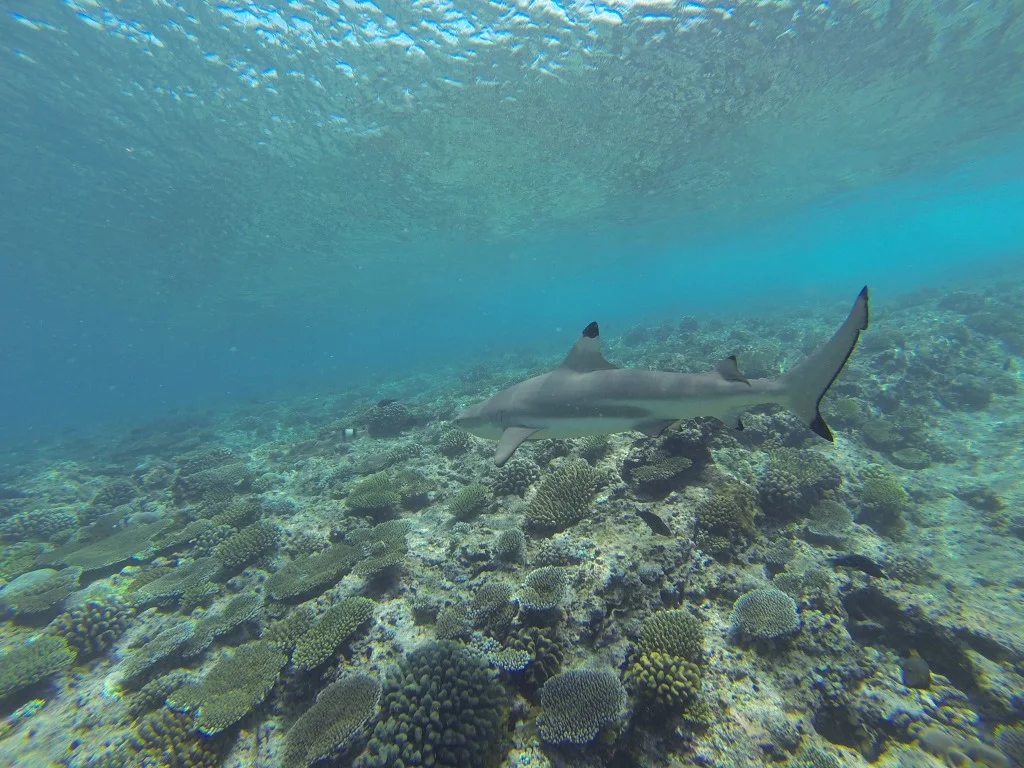
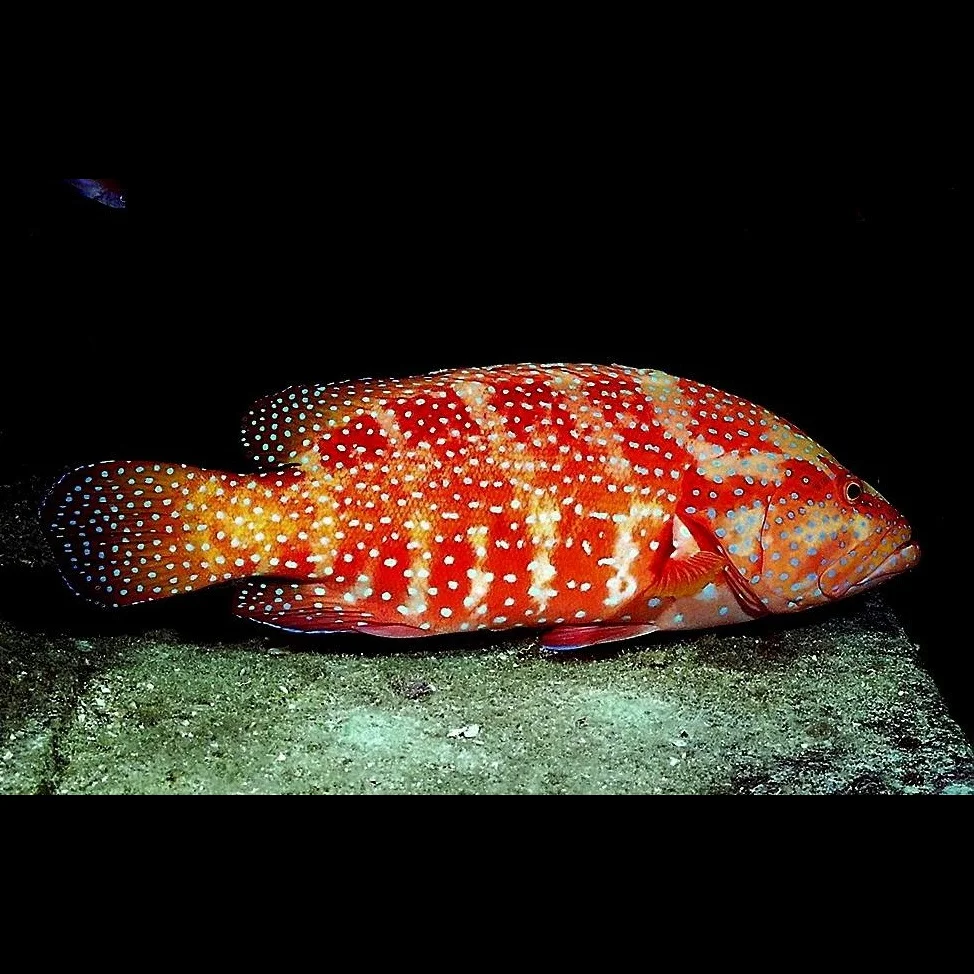
The primary draw to Meg Ledge is not contemporary marine ecosystems, but rather the unique opportunity to discover prehistoric megalodon shark teeth. While the rocky reefs that form the ledge originally attracted spear fishermen seeking species like hogfish and grouper, the focus for most divers today lies squarely on fossil hunting. The interaction of ocean currents with the ledges creates environments where these ancient relics become exposed on the sandy bottom.
Dive Centers Near Meg Ledge


Nearest Airports
Nearest airports to help plan travel to this dive area.
Search Flights
Check available flights and routes on Expedia, using the nearby airports listed in this section.
Search Flights on ExpediaFrequently Asked Questions
What is the primary attraction for divers at Meg Ledge?
Divers are primarily drawn to Meg Ledge by the opportunity to find prehistoric megalodon shark teeth. The site's unique geological features and currents create ideal conditions for these fossils to be uncovered.
Is Meg Ledge suitable for all certified divers?
No, Meg Ledge is considered a technical diving activity. It requires significant experience, specialized training, and appropriate certifications due to its operating depths, sustained workload, and potential for low visibility.
How far offshore is Meg Ledge?
Meg Ledge is located a considerable distance offshore, typically between 25 to 45 miles off the coast of Carolina Beach, North Carolina. This distance necessitates thorough dive planning and self-sufficiency.
What are the common depths experienced at Meg Ledge?
Divers exploring Meg Ledge commonly operate at depths exceeding 30 m (100 ft). The search for teeth often involves a square dive profile to maximize time spent at these deeper sections.
What are the visibility conditions like at Meg Ledge?
Visibility can vary, but it's often reduced, especially when divers are actively fanning sand or using Diver Propulsion Vehicles (DPVs) to excavate. These activities stir up fine ocean floor particles, creating plumes that significantly lower visibility.
Why is proper weighting important for Meg Ledge dives?
Divers typically carry extra weight to remain stable on the bottom while searching for teeth. However, this heavy weighting poses a risk in emergencies, as it can hinder a quick, controlled ascent if weights cannot be ditched rapidly.
Are solo dives common at Meg Ledge?
Solo diving is observed among some Meg Ledge divers searching for teeth. However, this practice is strongly discouraged as it removes crucial buddy support in emergency situations, increasing the risk of incidents.
Planning to dive Meg Ledge?
Send one inquiry and receive offers directly from the best verified local dive operators.
Conditions are Good
Optimal conditions expected
Current conditions near Meg Ledge show 26° air, 28° sea temperature, 0.6 m waves, and 31 km/h wind. Forecast data is refreshed regularly to ensure accuracy.