
Diving at Mote Reef (Bay) (United States)
Successfully navigating MOTE Reef requires an understanding of its unique estuarine setting, where conditions can shift. Experienced divers approaching this site should prepare for variable visibility influenced by tidal movements and recent weather. The location offers an accessible exploration of a productive bay ecosystem, differing significantly from offshore ocean dives. Planning around local tide charts is a pragmatic approach for optimizing your experience here.
Evening condition tracking at Mote Reef (Bay) features an air temperature of 25°C. We have recorded wave heights measuring 0.2 m during this period. These figures outline the environmental parameters currently present.
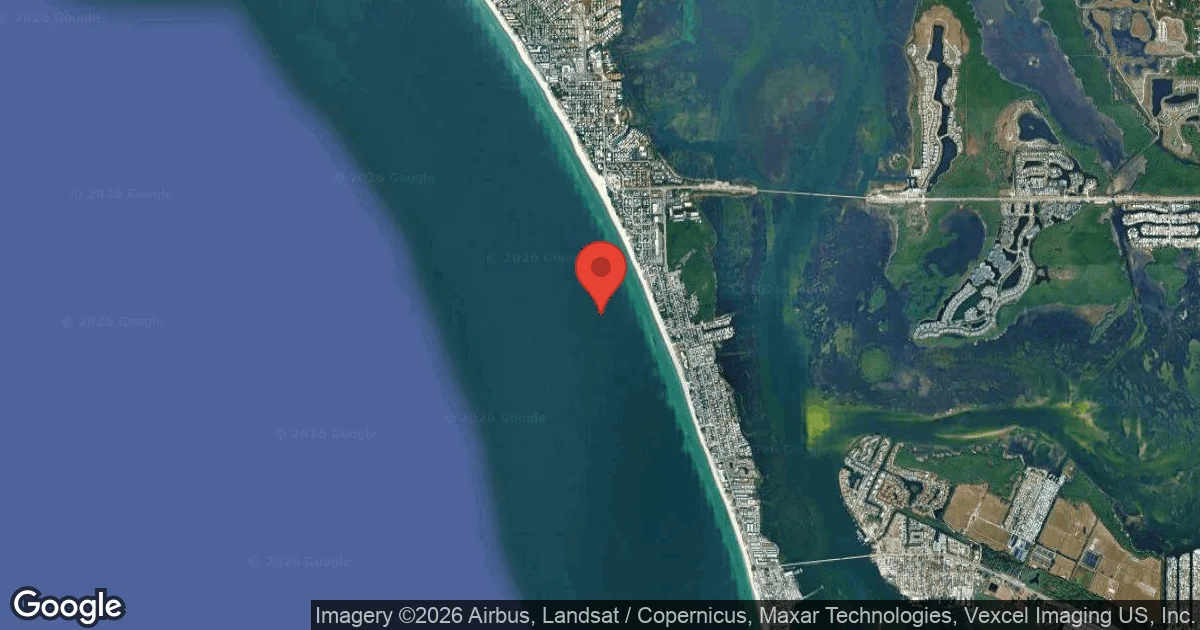
Dive Site Location & Key Facts
Dive Site Overview
Beneath the surface of MOTE Reef, divers discover a dynamic underwater habitat created by a series of artificial structures designed to enhance marine life. A bay reef provides a distinct experience from typical open-ocean sites, characterized by shallower depths and a focus on resilience and ecological recovery within a protected area.
Observant divers will find reward in the subtle interactions of an estuarine environment, where marine science meets practical conservation. MOTE Reef's layout encourages exploration of various concrete modules and rubble piles, each contributing to localized biodiversity and serving as a nursery ground for many species. Diving here typically unfolds at recreational depths, allowing for extended bottom times and detailed observation of the reef's development and inhabitants.
Its primary appeal lies in its role as a productive fish habitat and a living laboratory, inviting divers to witness ongoing ecological processes firsthand. A slower pace is encouraged, fostering appreciation for the intricate details of a thriving inshore ecosystem, often revealing more life upon closer inspection.
Relative accessibility makes this site a popular choice for local dive groups and those interested in marine conservation efforts.
Conditions are Good
Optimal conditions expected
Current conditions near Mote Reef (Bay) show 25° air, 31° sea temperature, 0.3 m waves, and 23 km/h wind. Forecast data is refreshed regularly to ensure accuracy.
Best Time to Dive
While diving MOTE Reef is possible throughout the year, conditions vary considerably with the seasons. Warmer months from May to September, when air temperatures average between 25.5°C (78°F) and 28.5°C (83°F), generally present calmer waters with lower wave heights, often around 0.3-0.4 meters (1-1.3 ft). These months, including May, June, July, and September, consistently show "Excellent" dive scores, indicating more favorable overall conditions for activity. Conversely, the cooler period from November to April, with air temperatures ranging from 15.5°C (60°F) to 23°C (73°F), might bring slightly choppier conditions; average wave heights are typically between 0.5-0.7 meters (1.6-2.3 ft), and winds can be stronger. Rainfall is generally lower from January to April, averaging 1.6-1.9 mm per month, compared to August, which sees the highest average rainfall at 9.29 mm. Considering these factors, late spring through early autumn often provides the most comfortable and predictable diving conditions.
PEAK SEASON SCORE
Scores combine air & water temps, waves, wind & rainfall for overall conditions.
BEST MONTHS TO DIVE
Monthly records compiled from satellite and marine observation nodes over the last 3 years. Data provided by Open-Meteo and MET Norway.
Dive Experience & Conditions
Exploring MOTE Reef typically involves a gradual descent to a maximum depth of around 10-15 meters (30-50 ft), making it suitable for a wide range of certified divers. The site features various artificial structures, including concrete modules and rubble, forming distinct reef areas at different depths within this recreational range. Visibility here is influenced by several factors inherent to a bay environment, often varying between 3-10 meters (10-30 ft) depending on tidal flow, recent rainfall, and sediment suspension. Currents can be mild to moderate, especially during strong tidal exchanges, so divers should be prepared for potential drift. Water temperatures are not consistently reported but generally track the air temperatures, feeling cooler in winter and warmer in summer. A shallow profile allows for extended bottom times and thorough observation of the developing reef ecosystem.
Dive Difficulty & Safety Guidelines
Understanding the specific challenges at MOTE Reef is key for a safe dive within this bay environment. Divers should always plan their dive around local tide schedules to mitigate potential currents, which can intensify during peak tidal exchanges. Variable visibility, characteristic of a bay, necessitates careful navigation, and maintaining close contact with your buddy is crucial.
Boating traffic in the area requires a highly visible dive flag and diligent surface awareness before and after dives. Proper weighting is also essential to manage buoyancy effectively in shallower sections and avoid stirring up sediment.
Divers should carry a surface marker buoy (SMB) and know how to deploy it. Always respect the artificial reef structures by avoiding contact to preserve their integrity and the delicate marine life colonizing them.
Recommended Equipment
- Dive Computer
This gear list is based on verified equipment signals for Mote Reef (Bay), United States. Always confirm final gear choices with your dive operator, guide, or liveaboard.
Recommended Dive Suit
The latest conditions reported around Mote Reef (Bay) place the water temperature close to 31°C (87°F). Surface air temperatures are resting at 25°C (77°F).
For the majority of recreational dives here, dive skin or rash guard should provide suitable protection. A hood or vest is suggested for sensitive divers due to surface winds.
Environmental conditions are expected to remain consistent in the short-term outlook.
Emergency & Medical Support
Essential information to help you plan your dive trip to MOTE Reef (Bay).

Hyperbaric chambers are a critical part of dive safety infrastructure. Availability varies significantly by region, and not all dive areas have immediate access.
Before diving, it's recommended to:
- confirm nearest medical facilities
- check emergency procedures with local dive operators
- ensure dive insurance covers evacuation if required
Divers Alert Network
Diving emergency assistance available through DAN World.
+1-919-684-9111- 24/7 emergency hotline
- Diving medical assistance
- Evacuation coordination
Emergency contacts are provided for reference. Always verify local emergency services before diving.
Marine Life at Mote Reef (Bay)
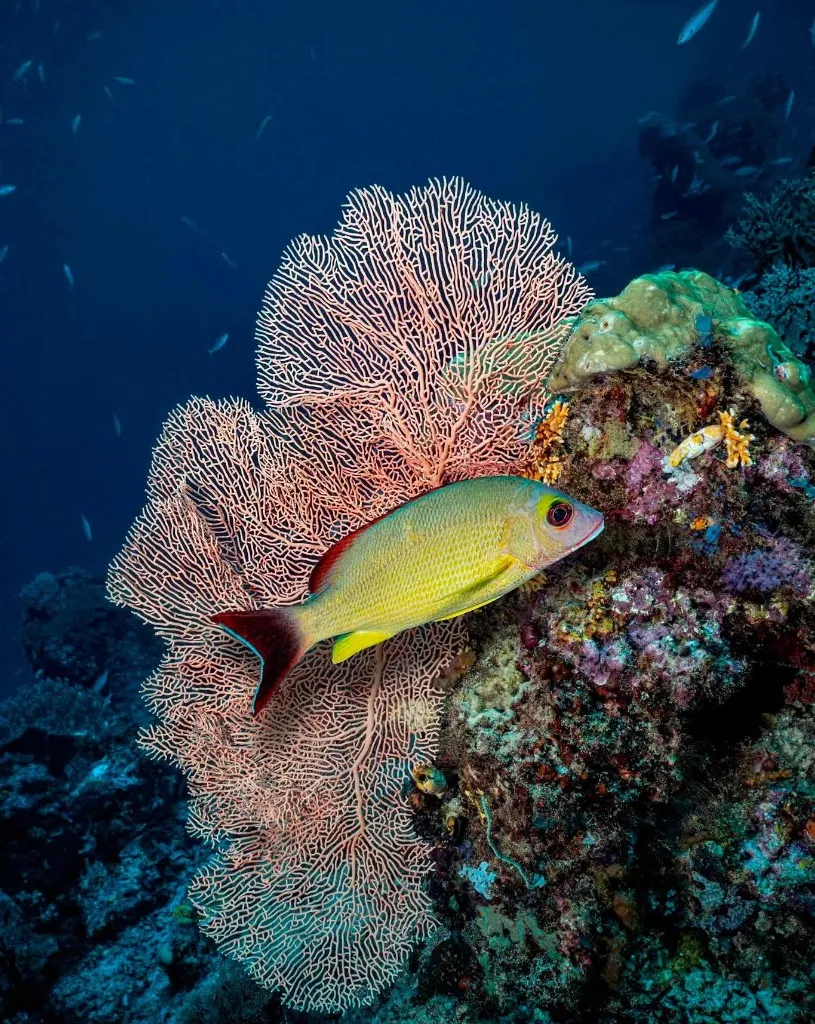
A structured environment at MOTE Reef provides a vital habitat for a diverse array of bay species. Artificial reef modules, designed to attract and shelter marine organisms, are often encrusted with sponges, anemones, and juvenile corals, forming the foundation of this ecosystem.
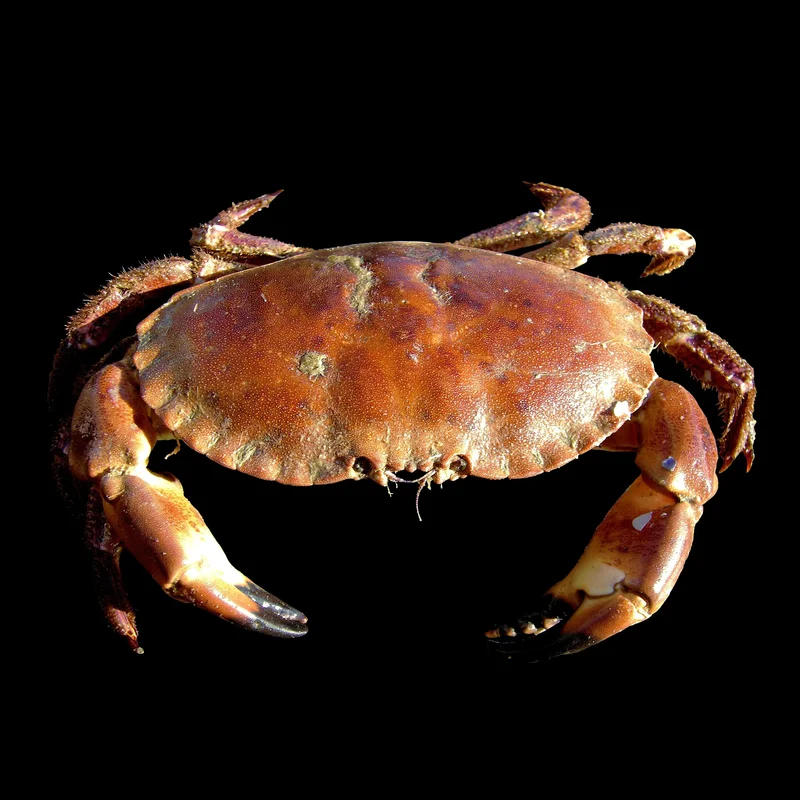
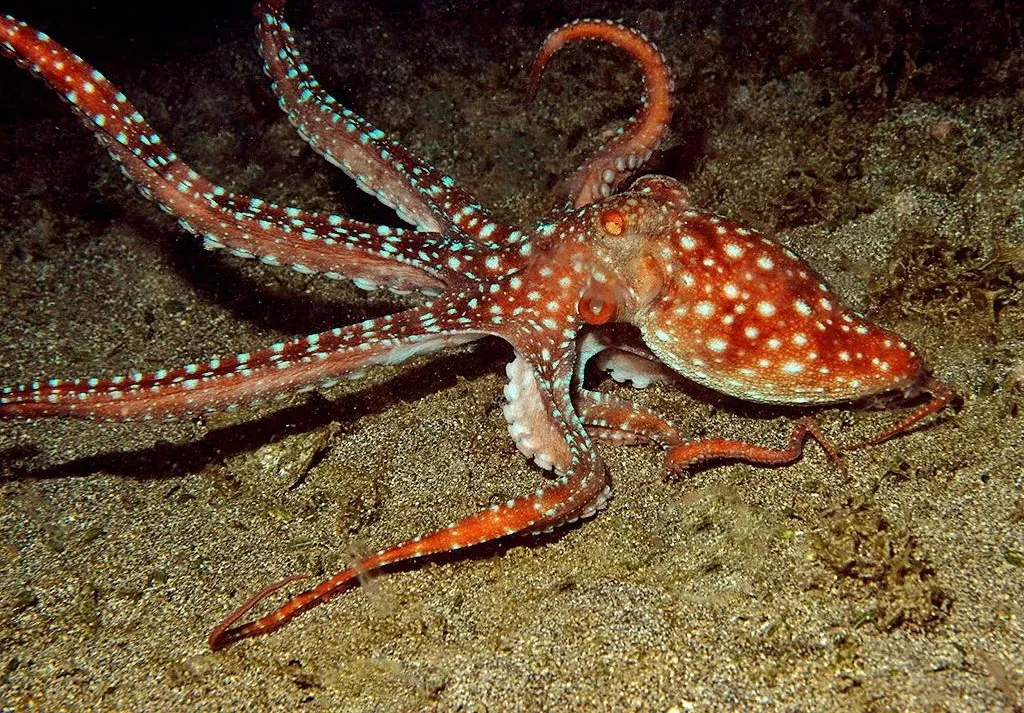
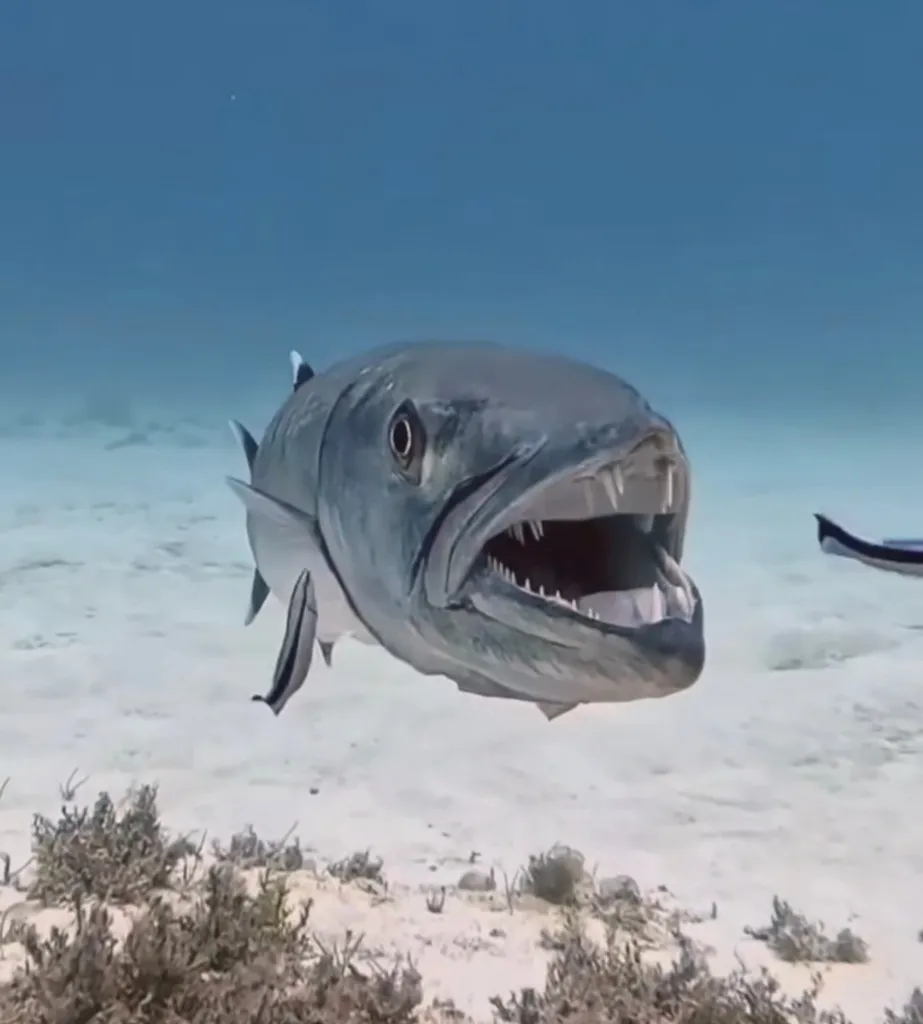
Divers can frequently observe various small to medium-sized fish such as grunts, snappers, and juvenile barracuda taking refuge among the crevices. Look for interesting invertebrates, including stone crabs, octopuses, and several species of shrimp, often well camouflaged against the substrate.
Rays may be seen gliding over sandy patches between the structures, and occasional sightings of manatees or bottlenose dolphins are possible, particularly in the broader bay area.

Dive Sites Near Mote Reef (Bay)
View all dive sites in United StatesDiscover more underwater gems in this area.
Dive Centers Near Mote Reef (Bay)
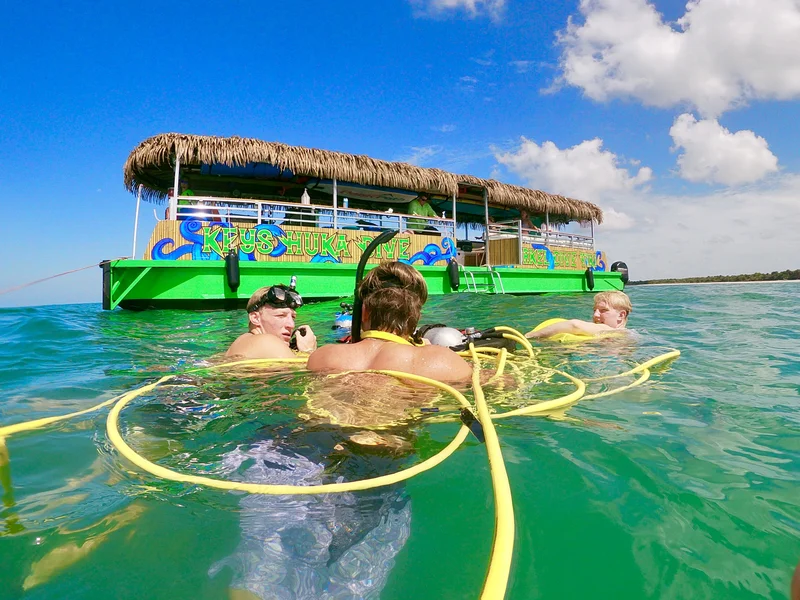
Today: 09:00 - 18:00
Nearest Airports
Nearest airports to help plan travel to this dive area.
Search Flights
Check available flights and routes on Expedia, using the nearby airports listed in this section.
Search Flights on Expedia
Plan Your Stay
Looking for a place to stay for your dive trip? Explore hotels, stays, and vacation rentals for dive groups near Sarasota.
Dive Navigator may earn a commission from these links at no extra cost to you.
Frequently Asked Questions
What is the typical visibility at MOTE Reef?
Visibility at MOTE Reef is variable, characteristic of a bay environment. It typically ranges from 3-10 meters (10-30 ft), depending on tidal conditions, recent rainfall, and sediment in the water column. Calm days with slack tide often offer the best clarity.
Is MOTE Reef suitable for beginner divers?
MOTE Reef's shallow depths make it generally accessible for certified beginner divers. However, variable visibility and potential for mild currents during tidal changes mean beginners should dive with an experienced guide or buddy and be comfortable with navigation.
Are there any strong currents to be aware of?
Currents at MOTE Reef can range from mild to moderate, particularly during significant tidal exchanges. It's important to consult local tide charts and plan your dive during slack tide for the most comfortable conditions.
What kind of bottom composition will I encounter?
The bottom composition at MOTE Reef largely consists of sandy areas interspersed with the artificial reef structures, which are typically concrete modules, rocks, and rubble. These structures provide hard surfaces for marine growth.
Is boat access required to dive MOTE Reef?
Yes, MOTE Reef is generally accessed by boat. It's located offshore within the bay, requiring a short boat ride from local launch points or dive operators. Shore diving is not practical for this site.
What types of artificial structures are found here?
The reef consists of various designed artificial structures, often including concrete pyramids, culverts, and other module types. These are strategically placed to create complex habitats for marine life and support ecological restoration efforts.
Planning to dive Mote Reef (Bay)?
Send one inquiry and receive offers directly from the best verified local dive operators.
Conditions are Good
Optimal conditions expected
Current conditions near Mote Reef (Bay) show 25° air, 31° sea temperature, 0.3 m waves, and 23 km/h wind. Forecast data is refreshed regularly to ensure accuracy.