
Diving at Newy Reef (United States)
Exploring Newy Reef unveils a unique underwater landscape in the United States, meticulously constructed from 'aquatically recycled' materials. This artificial reef system offers a vital habitat in an area traditionally characterized by flat sand and silt bottoms. It consistently provides engaging opportunities for certified divers seeking structured environments and a diverse array of marine life.
Evening condition tracking at Newy Reef features an air temperature of 27°C. We have recorded wave heights measuring 0.8 m during this period. These figures outline the environmental parameters currently present.
Dive Site Location & Key Facts
Dive Site Overview
Newy Reef, an artificial structure located off the shores of New York, is meticulously built using a 'patch reef' method. This involves placing clean rock, concrete, and steel in various forms across discrete parts of the site, preserving natural benthic habitat in between.
Materials are rigorously inspected by the DEC and US Coast Guard to ensure they are free of harmful substances before deployment. While specific depths vary across patch reefs, the site generally falls within typical recreational diving depths, often ranging from approximately 10 to 30 m (33 to 100 ft). Over time, these hard structures become colonized by algae, mussels, barnacles, sponges, and temperate corals, transforming them into complex ecosystems.
The extensive planning and oversight from agencies like the Army Corps of Engineers and EPA ensure the reef's function as a safe, effective, and long-lasting marine habitat.
Conditions are Good
Optimal conditions expected
Current conditions near Newy Reef show 27° air, 29° sea temperature, 0.8 m waves, and 23 km/h wind. Forecast data is refreshed regularly to ensure accuracy.
Best Time to Dive
Optimal diving conditions at Newy Reef generally occur from May through August, when dive scores are consistently rated 'Good'. Air temperatures during these months range from 25°C (77°F) in May to 28°C (82°F) in August, contributing to more comfortable surface conditions. Wave heights tend to be lower, averaging between 0.7 m (2.3 ft) and 1.0 m (3.3 ft), and wind speeds are typically calmer, averaging 22.5 to 26.5 km/h (14 to 16.5 mph). Conversely, months like October and December register 'Moderate' dive scores, with higher wave heights, averaging 1.7 m (5.6 ft) and 1.6 m (5.2 ft) respectively, and stronger winds up to 33 km/h (20.5 mph), which can present more challenging conditions for diving.
PEAK SEASON SCORE
Scores combine air & water temps, waves, wind & rainfall for overall conditions.
BEST MONTHS TO DIVE
Monthly records compiled from satellite and marine observation nodes over the last 3 years. Data provided by Open-Meteo and MET Norway.
Dive Experience & Conditions
Encountering the varying conditions at Newy Reef is part of the experience. Currents can fluctuate depending on local tides and weather patterns; divers should anticipate potential drift and plan accordingly. Visibility, not consistently reported for this specific site, can range from moderate to good, often influenced by recent weather events or local sediment. The water temperature is not consistently reported in our system data; however, it generally follows seasonal air temperature trends, being warmer in summer months and cooler in winter. Navigating the patch reef structures requires good buoyancy control to avoid disturbing the developing marine life and to maneuver safely around the deployed materials. Divers exploring the deeper sections should be mindful of their no-decompression limits.
Dive Difficulty & Safety Guidelines
Prioritizing diver safety at Newy Reef involves awareness of its artificial nature and dual use for both diving and fishing. While the materials are vetted for environmental safety, divers should exercise caution around the structural components to prevent potential entanglement with rebar or other projections. Maintaining proper buoyancy is crucial to avoid contact with the reef and its delicate encrusting organisms.
Given its popularity among anglers, divers must remain vigilant for discarded fishing lines, hooks, or other gear that could pose a hazard. It's always prudent to dive with a buddy and carry a dive knife or cutting tool.
Recommended Equipment
- Dive Computer
This gear list is based on verified equipment signals for Newy Reef, United States. Always confirm final gear choices with your dive operator, guide, or liveaboard.
Recommended Dive Suit
Recent conditions suggest the water at Newy Reef remains near 29°C (84°F), offering typical conditions for the area. Surface air temperatures are resting at 27°C (80°F).
Weather projections show fairly stable environmental conditions ahead.
Most divers would typically feel comfortable using 2-3mm shorty or light wetsuit in these conditions. A hood or vest is suggested for sensitive divers due to surface winds. Dive depth and duration can significantly affect perceived warmth.
Emergency & Medical Support
Essential information to help you plan your dive trip to Newy Reef.

Hyperbaric chambers are a critical part of dive safety infrastructure. Availability varies significantly by region, and not all dive areas have immediate access.
Before diving, it's recommended to:
- confirm nearest medical facilities
- check emergency procedures with local dive operators
- ensure dive insurance covers evacuation if required
Divers Alert Network
Diving emergency assistance available through DAN World.
+1-919-684-9111- 24/7 emergency hotline
- Diving medical assistance
- Evacuation coordination
Emergency contacts are provided for reference. Always verify local emergency services before diving.
Marine Life at Newy Reef
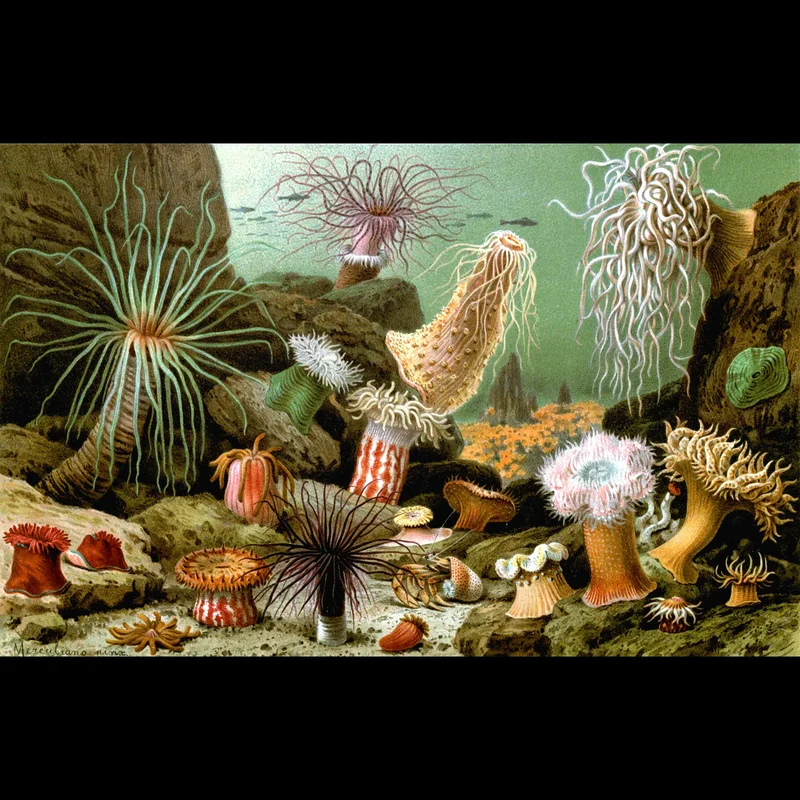
A descent to Newy Reef immediately reveals hard structures already colonized by an array of encrusting organisms. These include algae, mussels, barnacles, sponges, anemones, hydroids, and temperate corals, which form the base of the reef's ecosystem.
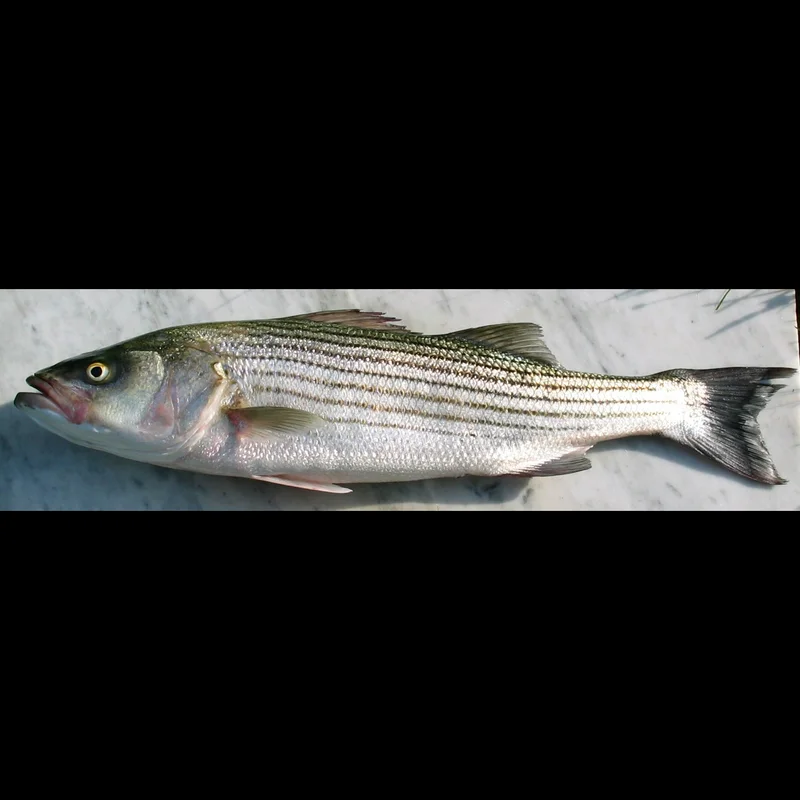
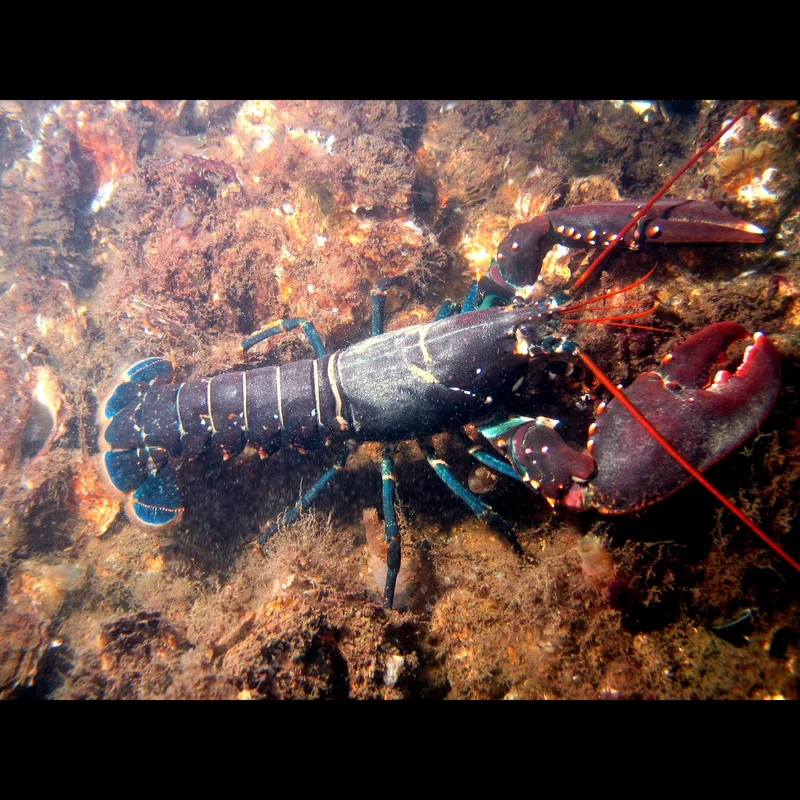
Many fish and crustacean species are attracted to the complex habitat for food and shelter. You might observe black sea bass, tautog (blackfish), scup (porgy), summer flounder (fluke), and lobsters congregating around the various patch reef components.
These structures provide essential refuge and foraging grounds in an otherwise relatively flat environment.
Dive Centers Near Newy Reef
Today: 11:00 - 18:00
Nearest Airports
Nearest airports to help plan travel to this dive area.
Search Flights
Check available flights and routes on Expedia, using the nearby airports listed in this section.
Search Flights on ExpediaFrequently Asked Questions
What is Newy Reef?
Newy Reef is an artificial reef system off the shores of New York, meticulously built from 'aquatically recycled' materials. It uses a 'patch reef' method, placing clean rock, concrete, and steel across discrete parts of the site. This creates complex ecosystems in an area traditionally characterized by flat sand bottoms.
What are the typical depths at Newy Reef?
Depths at Newy Reef vary across the individual patch reefs, generally falling within typical recreational diving depths. The site often ranges from approximately 10 to 30 m (33 to 100 ft). Divers should manage their no-decompression limits, especially when exploring deeper sections.
When is the best time to dive Newy Reef?
Optimal diving conditions at Newy Reef generally occur from May through August, when dive scores are consistently rated 'Good'. During these months, wave heights and wind speeds are typically lower, contributing to more comfortable surface and underwater conditions. Conversely, months like October and December present more challenging conditions.
What are the usual water conditions like?
Currents at Newy Reef can fluctuate depending on local tides and weather patterns; divers should anticipate potential drift. Visibility can range from moderate to good, often influenced by recent weather events or local sediment. Water temperatures generally follow seasonal air temperature trends, being warmer in summer months.
What marine life can divers expect to see?
Divers will observe hard structures colonized by various encrusting organisms like algae, mussels, sponges, anemones, and temperate corals. Many fish and crustacean species, including black sea bass, tautog, scup, summer flounder, and lobsters, are attracted to the complex habitat for food and shelter. These structures provide essential refuge in an otherwise flat environment.
What specific safety guidelines should divers follow?
Maintaining proper buoyancy control is crucial to avoid disturbing the reef and its delicate encrusting organisms. Given its popularity among anglers, divers must remain vigilant for discarded fishing lines, hooks, or other gear. Always dive with a buddy and carry a dive knife or cutting tool for safety.
Planning to dive Newy Reef?
Send one inquiry and receive offers directly from the best verified local dive operators.
Conditions are Good
Optimal conditions expected
Current conditions near Newy Reef show 27° air, 29° sea temperature, 0.8 m waves, and 23 km/h wind. Forecast data is refreshed regularly to ensure accuracy.