
Diving at NM Site - Barge (United States)
New Mexico's dive sites, typically inland lakes and spring-fed karst systems, present unique technical profiles often associated with altitude diving. While specific details for a named "Barge" site within New Mexico are not consistently detailed in available information, the region's diving generally involves depths up to 30 m (100 ft) in sites like Blue Hole. Divers frequently encounter cool water temperatures, requiring appropriate thermal protection. These sites are often utilized for various training certifications.
Early observations for NM Site - Barge report a surface air temperature of 27.5°C. The water surface is currently presenting wave heights of 1.3 m. Consider these environmental metrics before beginning your descent.
Dive Site Location & Key Facts
Dive Site Overview
Diving in New Mexico offers a distinct experience, distinguishing itself as the "scuba capital of the Southwest" amidst an arid landscape. While the specific characteristics of a "Barge" dive site in New Mexico are not explicitly documented in available information, the region's dive landscape is typically defined by natural wonders.
These include the vertical column of Blue Hole, or the submerged features of Perch Lake, which boasts a sunken Cessna airplane and a car for exploration. These freshwater sites, born from geological strata collapse and artesian springs, present a fascinating contrast to typical ocean dives. Visibility at Blue Hole averages 24 m (80 ft), allowing clear views of geological formations and training platforms.
Other sites, such as Lea Lake in Bottomless Lakes State Park, remain relatively uncrowded, offering good visibility and milder temperatures in shallower sections, generally around 9 m (30 ft) with deepest areas near 12 m (40 ft). Elephant Butte Lake presents lower visibility, often with volcanic rock features.
The primary draw across these sites is the unique inland environment, often used for various levels of scuba training from Open Water to Instructor certifications, providing divers with diverse skill development opportunities.
Conditions are Good
Optimal conditions expected
Current conditions near NM Site - Barge show 27° air, 29° sea temperature, 0.7 m waves, and 22 km/h wind. Forecast data is refreshed regularly to ensure accuracy.
Best Time to Dive
Planning a dive in New Mexico means considering the seasonal variations that significantly impact the overall experience. The climate averages indicate generally good diving conditions from May through August, when air temperatures are warm, peaking around 27.5°C (82°F) in August, and rainfall is moderate. July and August see average rainfalls of 1.86 mm and 5.79 mm, respectively, which are manageable. During these summer months, wave heights are at their lowest, around 0.6-0.8 m (2.0-2.6 ft), contributing to calmer surface conditions. For divers seeking pleasant surface intervals, May, June, and July often provide the warmest average air temperatures, ranging from 24°C (75°F) to 27.5°C (82°F). Conversely, September and October can present more moderate conditions, with higher wave heights averaging 1.2-1.3 m (3.9-4.3 ft), and lower dive scores. Winter months, from December to February, bring cooler air temperatures, sometimes dropping to lows in the single digits Celsius, which, while still offering dive opportunities, will require appropriate thermal protection.
PEAK SEASON SCORE
Scores combine air & water temps, waves, wind & rainfall for overall conditions.
BEST MONTHS TO DIVE
Monthly records compiled from satellite and marine observation nodes over the last 3 years. Data provided by Open-Meteo and MET Norway.
Dive Experience & Conditions
Descending into New Mexico's dive sites often feels like entering a hidden world beneath the arid landscape. While specific conditions for a "Barge" site are not detailed, divers can generally expect freshwater environments. Sites like Blue Hole present a vertical column of water, offering visibility that can average 24 m (80 ft). Water temperatures vary; Blue Hole typically ranges from 16.5-22°C (62-72°F), making drysuit or thick wetsuit use advisable year-round, especially in deeper sections. Lea Lake, conversely, is described with milder temperatures. Depths commonly reach recreational limits, such as Blue Hole's maximum depth of 30 m (100 ft). Currents are generally minimal in these spring-fed systems, but visibility can fluctuate in larger lakes like Elephant Butte, where it's noted as low. Divers navigating these sites will encounter distinct geological features, from karst formations to volcanic rock, shaping a unique underwater topography.
Dive Difficulty & Safety Guidelines
Approaching diving in New Mexico demands adherence to specific guidelines and an awareness of the unique environment. A current certification card is mandatory for all divers, and permits are required, available annually or weekly through the Santa Rosa Visitor Center or Blue Hole Center. These sites, often at elevation, necessitate attention to dive planning and decompression limits, as altitude diving procedures may apply.
Given the water temperatures, which can range from 16.5-22°C (62-72°F) at Blue Hole, appropriate thermal protection is essential to prevent hypothermia. While no specific hazards for a "Barge" site in NM are reported, divers should be prepared for varying visibilities, especially in larger lakes.
Management is on site at Blue Hole, and a dive shop concession offers essential save-a-dive supplies. Following local rules and regulations, found at the Blue Hole Center, ensures a safe experience.
Recommended Equipment
- Dive Computer
This gear list is based on verified equipment signals for NM Site - Barge, United States. Always confirm final gear choices with your dive operator, guide, or liveaboard.
Recommended Dive Suit
Divers who spend more time observing marine life often prefer slightly warmer gear.
Environmental readings suggest that the waters surrounding NM Site - Barge are about 29°C (84°F) at the moment. Surface air temperatures are resting at 27°C (81°F). Water temperatures in this range are often well suited to diving with 2-3mm shorty or light wetsuit. Consider warmer surface protection (like a boat coat) due to brisk winds.
Forecast models indicate that diving conditions should remain largely unchanged.
Due to technical issues with our weather providers, data hasn't been fetched for over 48 hours. The data above reflects the conditions at the time of the last successful fetch.
Emergency & Medical Support
Essential information to help you plan your dive trip to NM Site - Barge.

Hyperbaric chambers are a critical part of dive safety infrastructure. Availability varies significantly by region, and not all dive areas have immediate access.
Before diving, it's recommended to:
- confirm nearest medical facilities
- check emergency procedures with local dive operators
- ensure dive insurance covers evacuation if required
Divers Alert Network
Diving emergency assistance available through DAN World.
+1-919-684-9111- 24/7 emergency hotline
- Diving medical assistance
- Evacuation coordination
Emergency contacts are provided for reference. Always verify local emergency services before diving.
Marine Life at NM Site - Barge
New Mexico's freshwater dive sites, though not home to a specific "Barge" ecosystem, still host a fascinating array of aquatic life. Divers exploring Lea Lake might encounter endangered Pecos pupfish, schools of Mexican tetra, and various turtles.
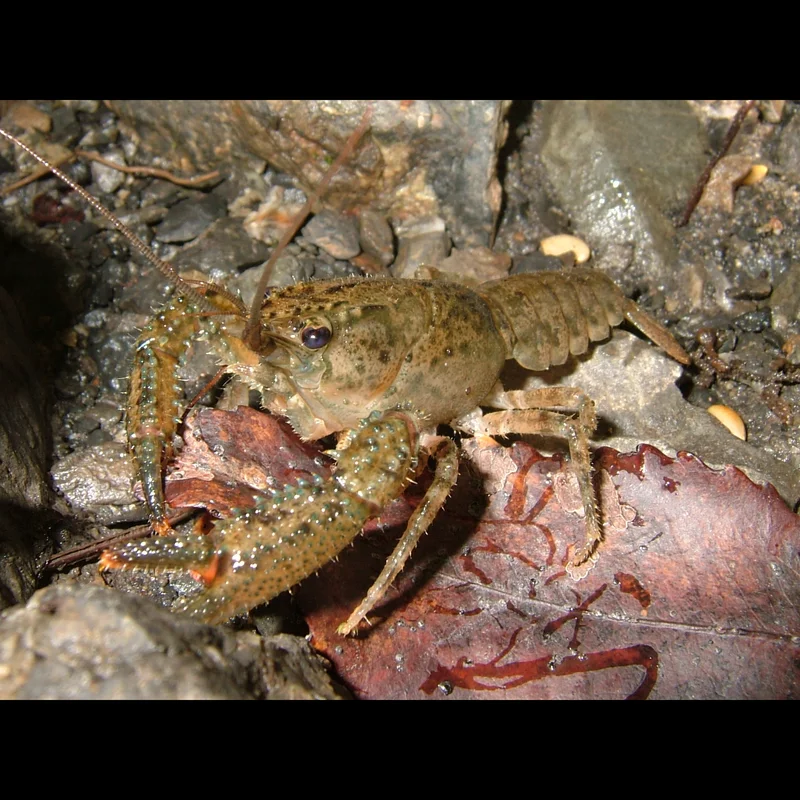
At Elephant Butte Lake, the environment supports catfish and walleye, though visibility can affect sightings. General sites like Blue Hole are known to contain live fish and crayfish, adding an element of natural discovery to the structured training environment.
While large pelagics are absent, the focus here is on observing the resilient species adapted to these unique inland spring and lake habitats.

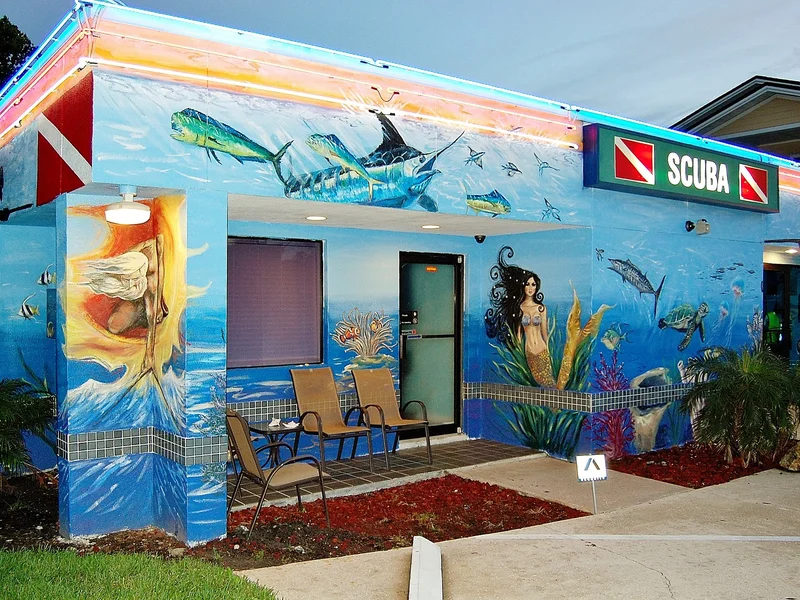
Dive Centers Near NM Site - Barge
Today: 10:00 - 17:00
Nearest Airports
Nearest airports to help plan travel to this dive area.
Search Flights
Check available flights and routes on Expedia, using the nearby airports listed in this section.
Search Flights on ExpediaFrequently Asked Questions
What type of dive sites are found in New Mexico?
New Mexico's diving primarily features inland freshwater sites, including spring-fed karst systems like Blue Hole, and various lakes such as Perch Lake, Lea Lake, and Elephant Butte Lake. These sites offer unique geological formations and submerged training features.
What are the typical water temperatures for New Mexico dive sites?
Water temperatures vary by site and season, but Blue Hole, for instance, typically ranges from 16.5-22°C (62-72°F). Other lakes like Lea Lake may offer milder temperatures. Thermal protection is generally recommended due to these cooler freshwater conditions.
Is a dive permit required in New Mexico?
Yes, a current certification card and a dive permit are mandatory for diving at sites like Blue Hole. Permits are available as weekly or annual options from the Santa Rosa Visitor Center or the Blue Hole Center.
What kind of marine life can I expect to see?
While specific details for a "Barge" site are not available, general New Mexico freshwater sites host diverse life. Lea Lake is home to endangered Pecos pupfish, Mexican tetra, and turtles, while Elephant Butte Lake contains catfish and walleye. Blue Hole also has live fish and crayfish.
What are the typical depths at these sites?
Depths generally fall within recreational limits. Blue Hole reaches a maximum depth of 30 m (100 ft), while shallower sites like Lea Lake are around 9 m (30 ft) with deeper sections up to 12 m (40 ft).
What should divers consider regarding altitude?
Many New Mexico dive sites are at elevation, requiring divers to apply altitude diving procedures for planning and decompression. Proper awareness and calculation are essential for safety.
Are there facilities available at popular dive sites?
Sites like Blue Hole offer comprehensive facilities including ample parking, changing rooms, warm showers, modern restrooms, a dive shop for refills and save-a-dive supplies, and on-site management. Training amenities like platforms and meeting rooms are also available.
Planning to dive NM Site - Barge?
Send one inquiry and receive offers directly from the best verified local dive operators.
Conditions are Good
Optimal conditions expected
Current conditions near NM Site - Barge show 27° air, 29° sea temperature, 0.7 m waves, and 22 km/h wind. Forecast data is refreshed regularly to ensure accuracy.