
Diving at North Nine Mile Reef (United States)
North Nine Mile Reef is structured as a series of submerged formations off the coast of Florida, approximately 10.4 nautical miles from the Mayport jetties. This site extends as a natural reef system that periodically rises from the seafloor. Enhancing the natural topography are several artificial reef deployments. These include various wrecks like the Open-Sided Barge, Vic’s Barge, and the Asphalt Barge, along with a 52-foot steamer tug and a fishing boat. Specific sections, such as the North Culverts near St. Augustine, contribute concrete structures to this diverse underwater environment.
Evening condition tracking at North Nine Mile Reef features an air temperature of 28.5°C. We have recorded wave heights measuring 1 m during this period. These figures outline the environmental parameters currently present.
Dive Site Location & Key Facts
Dive Site Overview
North Nine Mile Reef presents a compelling dive site, merging natural reef with extensive artificial structures. This varied underwater habitat appeals to divers keen on wreck penetration and reef exploration.
Depths average 21 m (70 ft), with a maximum of 23 m (75 ft), comfortably within recreational dive limits. Typical visibility extends to approximately 9 m (30 ft), allowing for good appreciation of the diverse wreckage and associated marine life. The reef system originally formed naturally but has seen significant augmentation over thirty years from artificial reef programs.
These efforts created an expanded habitat featuring multiple wrecks. Divers will find notable structures such as the Open-Sided Barge, Vic’s Barge, the Asphalt Barge, and a 52-foot steamer tug.
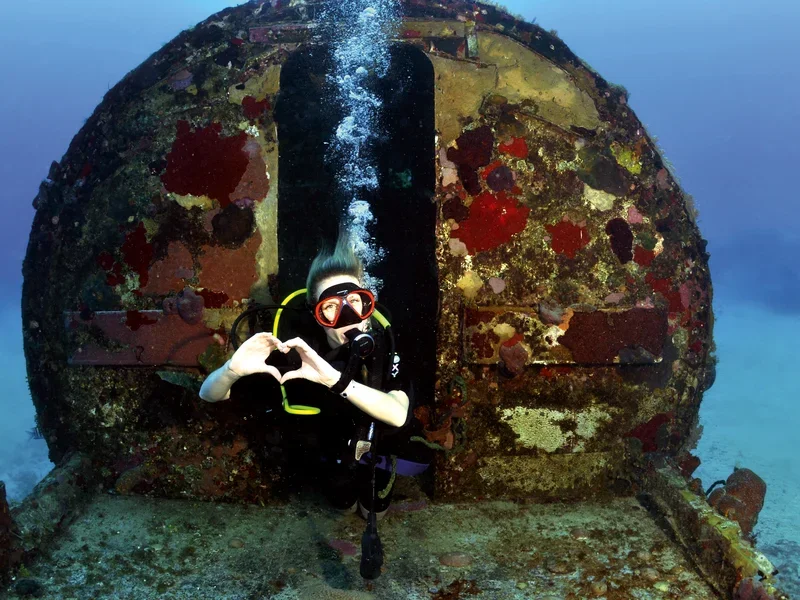
A fishing boat, intentionally sunk in 1988, further diversified the site's complexity. Concrete culverts in some northern sections add more structure for exploration, providing opportunities for detailed observation of habitat development and the various forms of marine life seeking refuge.
Conditions are Good
07:00 - 14:00
Optimal conditions expected
Current conditions near North Nine Mile Reef show 29° air, 29° sea temperature, 0.6 m waves, and 23 km/h wind. Forecast data is refreshed regularly to ensure accuracy.
Best Time to Dive
Optimal diving conditions are typically observed during the summer months, with July presenting an excellent dive score. During this period, average wave heights are at their lowest around 0.5 m (1.6 ft), with moderate wind speeds around 26 km/h (16 mph). Air temperatures in July reach approximately 27.5°C (82°F), contributing to comfortable surface conditions. Rainfall tends to be lower in July compared to some other summer months. May and November also show good dive scores, with November offering lower rainfall around 1.07 mm and air temperatures around 20.5°C (69°F). Conversely, September and October present moderate dive scores due to increased wave heights, averaging 1.0 m (3.3 ft) and 1.2 m (3.9 ft) respectively, alongside higher rainfall. Winter months like January experience cooler air temperatures, averaging 14°C (57°F), but still offer good dive scores depending on specific daily conditions.
PEAK SEASON SCORE
Scores combine air & water temps, waves, wind & rainfall for overall conditions.
BEST MONTHS TO DIVE
Monthly records compiled from satellite and marine observation nodes over the last 3 years. Data provided by Open-Meteo and MET Norway.
Dive Experience & Conditions
Descending at North Nine Mile Reef, divers will encounter depths ranging between 21 m (70 ft) and 23 m (75 ft). Exploring the array of artificial structures stands as a primary draw for many. Visibility here generally averages 9 m (30 ft), permitting adequate viewing of the various wrecks and reef formations. Water temperatures are not consistently reported but tend to align with regional climate trends, likely warmer in summer and cooler in winter. Moderate currents can be present, particularly on days with higher wind or wave action, necessitating good buoyancy control. This environment suits certified divers comfortable with deeper recreational limits and exploring overhead environments within wrecks. An intricate network of barges, tugs, and culverts provides ample opportunity for observation, but also necessitates careful navigation skills.
Dive Difficulty & Safety Guidelines
Approaching North Nine Mile Reef requires careful dive planning and adherence to established safety practices. Given the presence of multiple wreck sites, divers should possess appropriate certifications for overhead environments if contemplating interior exploration. Good buoyancy control is always essential to prevent accidental contact with delicate reef structures and the artificial deployments.
The area is popular for spearfishing and lobstering, so maintaining situational awareness of other water users is important. Always carry a surface marker buoy (SMB) to signal your position to boat traffic upon surfacing.
Depths can reach 23 m (75 ft), requiring divers to monitor their no-decompression limits and ascent rates diligently. A thorough pre-dive check of all equipment ensures preparedness for the conditions encountered at this site.
Recommended Equipment
- Dive Computer
This gear list is based on verified equipment signals for North Nine Mile Reef, United States. Always confirm final gear choices with your dive operator, guide, or liveaboard.
Recommended Dive Suit
The latest conditions reported around North Nine Mile Reef place the water temperature close to 29°C (83°F). Surface air temperatures are resting at 29°C (83°F).
2-3mm shorty or light wetsuit generally offers enough warmth for most dives under these conditions. Consider warmer surface protection (like a boat coat) due to brisk winds.
Forecasts suggest a slight cooling pattern in the days ahead. Cooler days are ahead; you might want a warmer option for later in the week. Some divers prefer carrying a slightly thicker suit as a backup.
Emergency & Medical Support
Essential information to help you plan your dive trip to North Nine Mile Reef.

Hyperbaric chambers are a critical part of dive safety infrastructure. Availability varies significantly by region, and not all dive areas have immediate access.
Before diving, it's recommended to:
- confirm nearest medical facilities
- check emergency procedures with local dive operators
- ensure dive insurance covers evacuation if required
Divers Alert Network
Diving emergency assistance available through DAN World.
+1-919-684-9111- 24/7 emergency hotline
- Diving medical assistance
- Evacuation coordination
Emergency contacts are provided for reference. Always verify local emergency services before diving.
Marine Life at North Nine Mile Reef
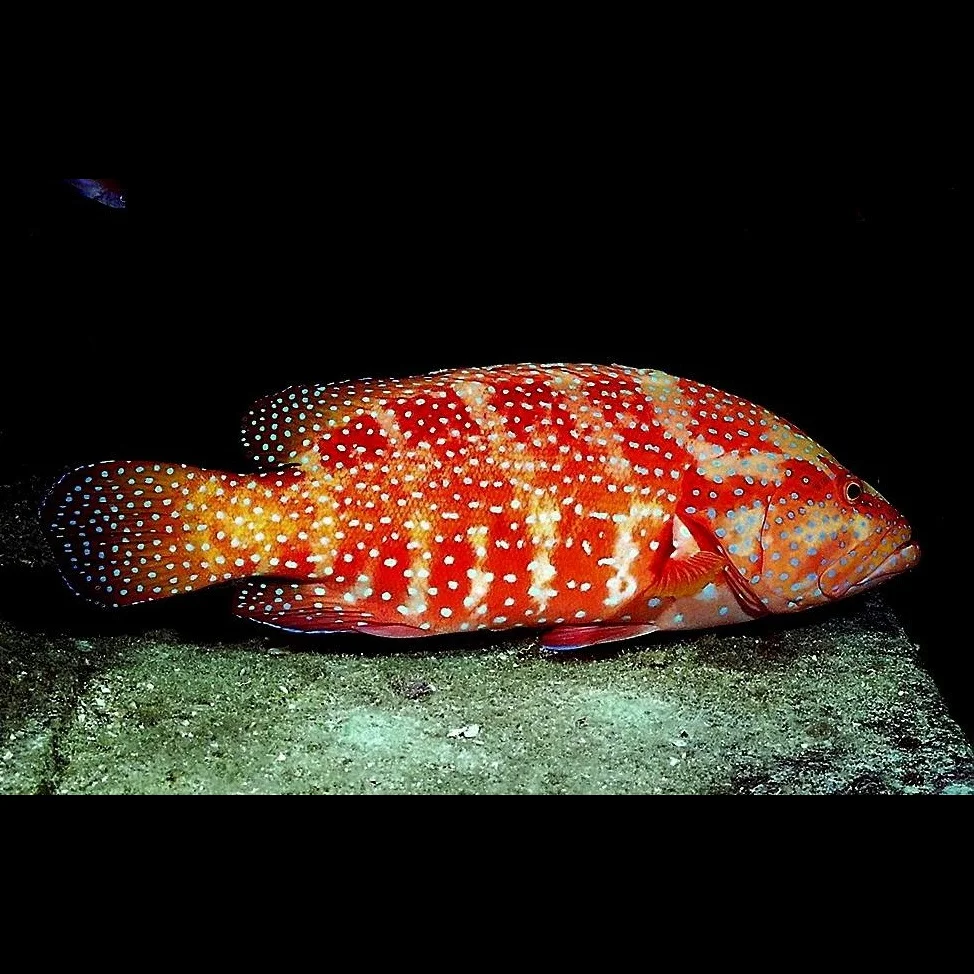
The underwater landscape of North Nine Mile Reef, shaped by its natural formations and artificial structures, attracts a variety of marine life. Divers often observe grouper, with some specimens averaging 15 pounds, taking refuge within the crevices and shadowed areas of the wrecks.
Large flounder are frequently sighted along the sandy bottom sections and near the base of the structures. Sheepshead also inhabit the series of vessels and concrete culverts, foraging among the reef.
These artificial deployments serve as critical aggregation points, providing shelter and feeding grounds, enhancing the overall biodiversity of the site for appreciative divers.
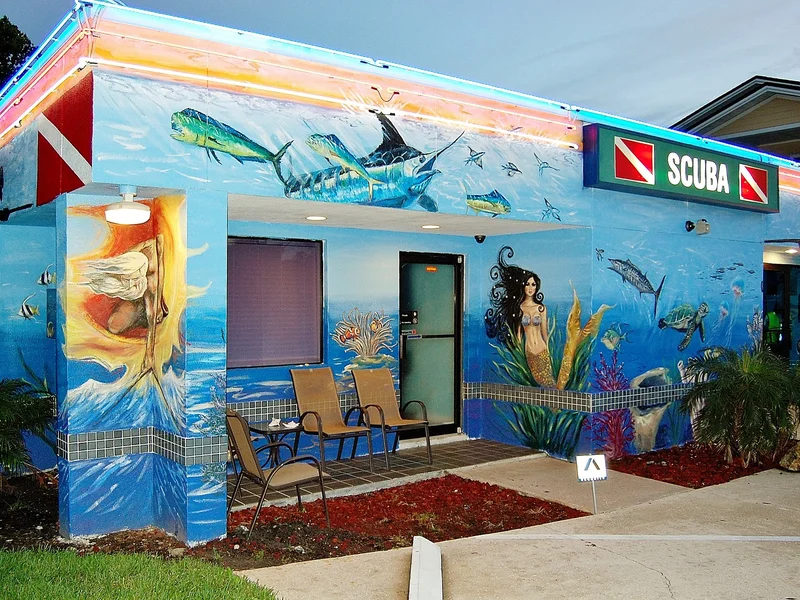
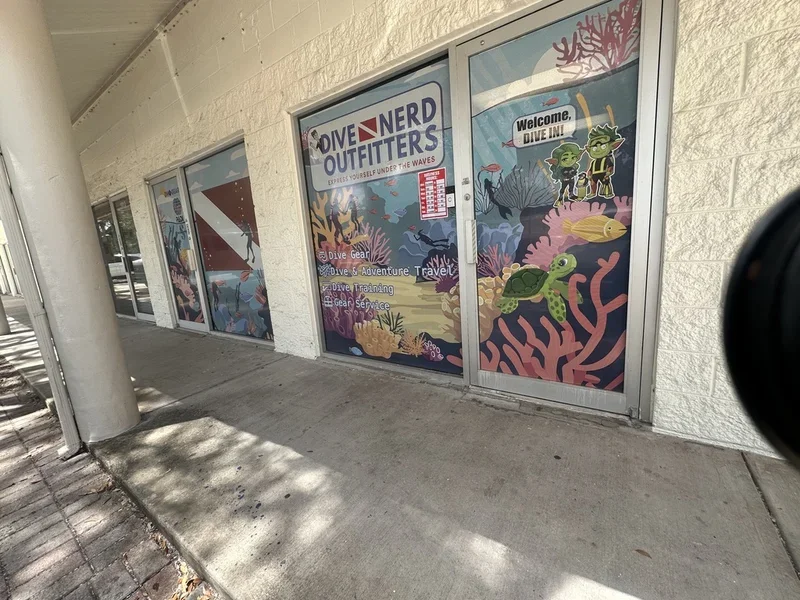
Dive Centers Near North Nine Mile Reef
Today: 10:00 - 18:30
Nearest Airports
Nearest airports to help plan travel to this dive area.
Search Flights
Check available flights and routes on Expedia, using the nearby airports listed in this section.
Search Flights on Expedia
Plan Your Stay
Looking for a place to stay for your dive trip? Explore hotels, stays, and vacation rentals for dive groups near Saint Augustine Beach.
Dive Navigator may earn a commission from these links at no extra cost to you.
Frequently Asked Questions
What is the average depth at North Nine Mile Reef?
Average depth at North Nine Mile Reef is approximately 70 feet, with some areas reaching a maximum of about 75 feet. Depths in this range are suitable for advanced open water divers.
What type of structures can be found at this dive site?
North Nine Mile Reef features a combination of natural reef formations and numerous artificial structures. Structures include the Open-Sided Barge, Vic’s Barge, Asphalt Barge, a 52-foot steamer tug, a fishing boat, and concrete culverts, creating varied habitats.
What is the typical visibility at North Nine Mile Reef?
Visibility at North Nine Mile Reef generally averages around 30 feet. Such conditions allow reasonable views of reef and wreck components, though this can vary.
Are spearfishing and lobstering permitted at the reef?
Yes, North Nine Mile Reef is recognized as a popular location for both lobstering and spearfishing. Divers engaging in these activities should be aware of local regulations and other water users.
When is the best time of year to dive North Nine Mile Reef?
July generally offers excellent diving conditions with lower waves and comfortable air temperatures around 27.5°C (82°F). May and November also provide good dive scores.
What marine life can divers expect to see?
Divers can anticipate encountering various species, including grouper, which can average 15 pounds, along with large flounder and sheepshead. These fish frequently inhabit the shelter provided by the wrecks and reef structures.
How far is North Nine Mile Reef from shore?
North Nine Mile Reef is located approximately 10.4 nautical miles from the Mayport jetties. Its offshore position contributes to its status as a fishing and diving destination.
Planning to dive North Nine Mile Reef?
Send one inquiry and receive offers directly from the best verified local dive operators.
Conditions are Good
07:00 - 14:00
Optimal conditions expected
Current conditions near North Nine Mile Reef show 29° air, 29° sea temperature, 0.6 m waves, and 23 km/h wind. Forecast data is refreshed regularly to ensure accuracy.