
Diving at Novak Reef 04-Buoy#3 (United States)
Navigating artificial reef structures like Novak Reef 04-Buoy#3 presents a distinctive challenge, requiring divers to precisely locate and effectively explore submerged constructions. This site, composed of concrete culverts, exemplifies how human-made structures integrate into marine environments. Divers planning a visit should anticipate conditions inherent to an active, artificial habitat, offering a specific type of underwater engagement.
Evening condition tracking at Novak Reef 04-Buoy#3 features an air temperature of 24.5°C. We have recorded wave heights measuring 0.3 m during this period. These figures outline the environmental parameters currently present.
Dive Site Location & Key Facts
Dive Site Overview
Exploring Novak Reef 04-Buoy#3 immerses divers in an artificial reef environment, specifically structured from concrete culverts. These strategically placed materials form a complex habitat, attracting a variety of marine organisms and offering shelter in an otherwise less structured seafloor.
While exact depths for this specific buoy are not consistently reported, artificial reefs in this region typically reside within recreational diving depths, often shallower than 30 m (100 ft). This makes the site accessible for a broad range of certified divers. Investigating the nooks and crannies of the culverts reveals smaller creatures and provides a dynamic backdrop for observations.
Visibility can vary significantly, influenced by seasonal runoff and local currents, demanding adaptable dive planning. It's an environment that constantly shifts, reflecting the interaction between man-made installations and natural marine processes.
Conditions are Good
Optimal conditions expected
Current conditions near Novak Reef 04-Buoy#3 show 25° air, 31° sea temperature, 0.2 m waves, and 19 km/h wind. Forecast data is refreshed regularly to ensure accuracy.
Best Time to Dive
Optimizing your visit to Novak Reef 04-Buoy#3 often means prioritizing periods of better visibility, which tends to align with calmer weather. The months from May through September typically present excellent diving conditions, with average air temperatures ranging from 26-29°C (79-84°F). During this peak season, average wave heights are at their lowest, around 0.3-0.5 meters. Rainfall is generally higher in the summer, particularly in August at 6.35 mm, but this doesn't always translate to poor diving. Conversely, October experiences a 'good' dive score, yet exhibits slightly higher average wind speeds of 20.71 km/h and wave heights around 0.6 meters, which could affect surface conditions. January through April also rate 'good' for diving, maintaining comfortable average air temperatures between 16-24°C (61-74°F) and lower rain incidence, though wave heights can be slightly higher than in summer.
PEAK SEASON SCORE
Scores combine air & water temps, waves, wind & rainfall for overall conditions.
BEST MONTHS TO DIVE
Monthly records compiled from satellite and marine observation nodes over the last 3 years. Data provided by Open-Meteo and MET Norway.
Dive Experience & Conditions
Current dynamics around Novak Reef 04-Buoy#3 are not consistently reported but generally depend on tidal flows within Charlotte Harbor, influencing both drift and visibility. Artificial reefs often experience moderate currents that can dictate the direction of your dive. Visibility can range widely, from around 3-9 m (10-30 ft), based on recent rainfall, sediment suspension, and nutrient loads from the harbor system. Water temperatures are not uniformly tracked for this specific site, yet they typically mirror air temperatures, ranging from approximately 16-29°C (61-84°F) throughout the year, suggesting warmer conditions in summer and cooler in winter. Divers should prepare for variable clarity and adjust their expectations accordingly. Exploring the concrete culvert structures offers an intricate terrain that divers can navigate, even in reduced visibility.
Dive Difficulty & Safety Guidelines
Diving at Novak Reef 04-Buoy#3 requires a keen awareness of its status as an artificial reef, which may be popular for fishing and boating. Divers should always display a diver down flag to alert passing vessels to their presence. Given that GPS coordinates for these sites are not guaranteed and may be affected by hurricane activity, cross-referencing multiple navigational sources and consulting local dive operators is advised.
The site consists of concrete culverts, and while generally stable, careful finning techniques help prevent disturbing sediment and reducing visibility. Always conduct a thorough equipment check and adhere to recreational dive limits.
Local rules regarding fishing, lobstering, or spearfishing should be verified before any collection activity.
Recommended Equipment
- Dive Computer
This gear list is based on verified equipment signals for Novak Reef 04-Buoy#3, United States. Always confirm final gear choices with your dive operator, guide, or liveaboard.
Recommended Dive Suit
The latest conditions reported around Novak Reef 04-Buoy#3 place the water temperature close to 31°C (88°F). Surface air temperatures are resting at 25°C (76°F).
Many divers choose dive skin or rash guard when diving in similar conditions. A hood or vest is suggested for sensitive divers due to surface winds.
Short-term weather patterns suggest stable conditions for divers visiting the area.
Emergency & Medical Support
Essential information to help you plan your dive trip to Novak Reef 04-Buoy#3.

Hyperbaric chambers are a critical part of dive safety infrastructure. Availability varies significantly by region, and not all dive areas have immediate access.
Before diving, it's recommended to:
- confirm nearest medical facilities
- check emergency procedures with local dive operators
- ensure dive insurance covers evacuation if required
Divers Alert Network
Diving emergency assistance available through DAN World.
+1-919-684-9111- 24/7 emergency hotline
- Diving medical assistance
- Evacuation coordination
Emergency contacts are provided for reference. Always verify local emergency services before diving.
Marine Life at Novak Reef 04-Buoy#3
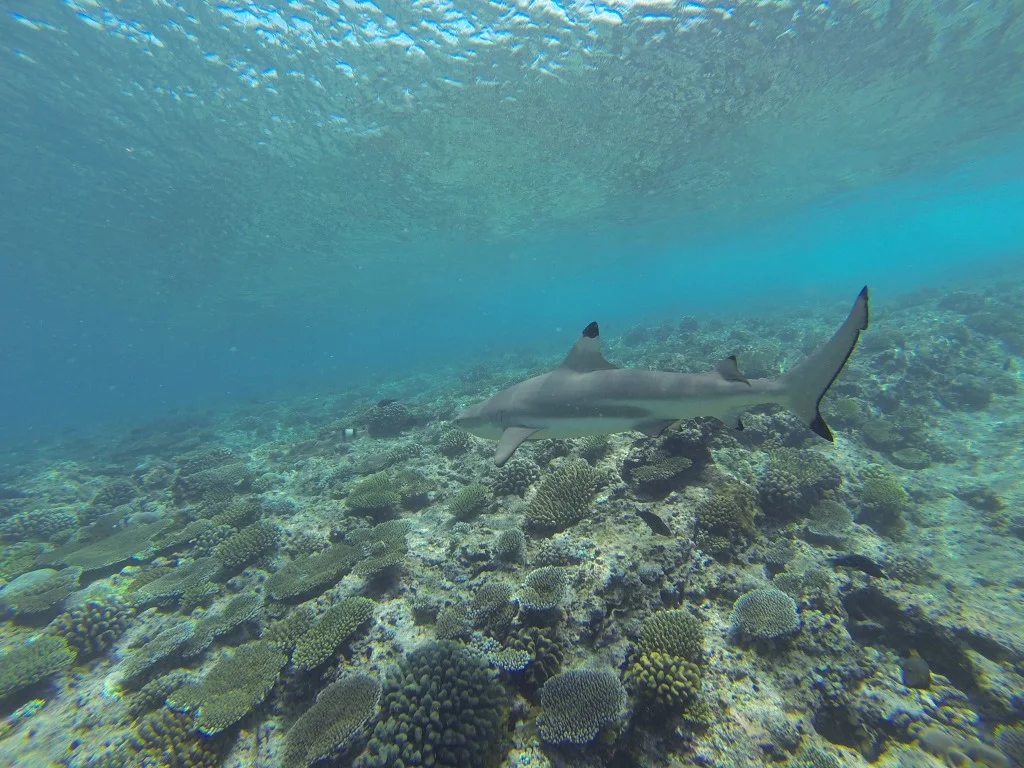
Concrete culverts at Novak Reef 04-Buoy#3 create an aggregation point for marine life within Charlotte Harbor. While no specific species are documented for this particular buoy, similar artificial structures in the region consistently attract various fish, including tarpon, sharks, seatrout, snook, and redfish.
Divers might observe smaller crustaceans and invertebrates taking refuge within the culverts' intricate spaces. Such habitat diversity rewards a patient approach, often revealing interesting interactions between resident species and the hard-bottom structure.
These culverts offer effective shelter from currents and predators, fostering a localized ecosystem.

Dive Centers Near Novak Reef 04-Buoy#3
Today: 09:00 - 18:00
Nearest Airports
Nearest airports to help plan travel to this dive area.
Search Flights
Check available flights and routes on Expedia, using the nearby airports listed in this section.
Search Flights on Expedia
Plan Your Stay
Looking for a place to stay for your dive trip? Explore hotels, stays, and vacation rentals for dive groups near Rotonda West.
Dive Navigator may earn a commission from these links at no extra cost to you.
Frequently Asked Questions
What kind of structure is Novak Reef 04-Buoy#3?
This site is an artificial reef primarily composed of concrete culverts. These materials were intentionally placed to create a structured marine habitat on the seafloor.
What is the typical depth for diving this reef?
Specific depth for Novak Reef 04-Buoy#3 is not consistently reported. However, artificial reefs in this area are generally found within recreational diving depths, often shallower than 30 m (100 ft).
When is the best time to dive Novak Reef 04-Buoy#3?
The best time to dive is typically from May through September when conditions are usually excellent, with comfortable air temperatures and lower wave heights. However, good diving conditions can extend throughout much of the year, depending on local weather patterns.
What are the common water conditions at this site?
Water conditions can be variable, with visibility influenced by tidal flows, rainfall, and sediment. Water temperatures generally track air temperatures, ranging from around 16-29°C (61-84°F) seasonally.
What kind of marine life can I expect to see?
While not specifically documented for this buoy, artificial reefs in Charlotte Harbor attract various fish species, including tarpon, sharks, seatrout, snook, and redfish, alongside smaller invertebrates that inhabit the culverts.
Are there any specific safety considerations for this site?
Always display a diver down flag. Be aware that GPS coordinates for artificial reefs may not be perfectly accurate due to environmental factors. Practice good buoyancy control to avoid disturbing the sediment around the concrete structures.
Planning to dive Novak Reef 04-Buoy#3?
Send one inquiry and receive offers directly from the best verified local dive operators.
Conditions are Good
Optimal conditions expected
Current conditions near Novak Reef 04-Buoy#3 show 25° air, 31° sea temperature, 0.2 m waves, and 19 km/h wind. Forecast data is refreshed regularly to ensure accuracy.