
Diving at Old Bay Way Bridge Reef #2 (United States)
Navigating the Old Bay Way Bridge Reef #2 presents an intriguing challenge for divers seeking to explore a newly formed habitat. This unique artificial reef, crafted from the former Pinellas Bayway bridge, offers a chance to witness how infrastructure transforms into a vibrant underwater ecosystem. It’s an opportunity to observe the early stages of marine colonization on deliberately placed structures, providing both a historical connection and a developing natural environment.
During this afternoon at Old Bay Way Bridge Reef #2, the recorded air temperature stands at 28.5°C. The water surface currently features wave heights of 0.3 m. These conditions reflect the midday climate for this dive site.
Dive Site Location & Key Facts
Dive Site Overview
Imagine a bridge, once a link above water, now a thriving ecosystem below. Old Bay Way Bridge Reef #2 is a testament to the Pinellas County Artificial Reef Program, repurposing approximately 12,500 tons of concrete from the old Pinellas Bayway bridge.
These substantial sections, cleaned and stripped of any potentially harmful materials, were strategically deployed to create a significant artificial reef site. It now stretches an impressive 366 meters (1,200 ft) long and rises about 4.6 meters (15 ft) from the seafloor. Divers encounter these large concrete forms in waters around 13.7 meters (45 ft) deep.
The project was partly funded by a Florida Fish and Wildlife Conservation Commission grant, specifically aiming to enhance both fishing and diving opportunities. This site embodies an innovative approach to creating valuable underwater habitats.
Conditions are Good
Optimal conditions expected
Current conditions near Old Bay Way Bridge Reef #2 show 29° air, 31° sea temperature, 0.4 m waves, and 21 km/h wind. Forecast data is refreshed regularly to ensure accuracy.
Best Time to Dive
Optimal visibility for diving Old Bay Way Bridge Reef #2 often aligns with periods of calm weather and lower precipitation. While specific water temperature data isn't consistently reported, air temperatures are generally warm, ranging from a cooler 15°C (59°F) in January to a peak of 29°C (84°F) in July and August. Conditions tend to be favorable throughout much of the year, with February, March, May, November, and December typically scoring 'Good' for diving. Wave heights are lowest in July, averaging 0.5 meters (1.6 ft), which can contribute to clearer underwater conditions. Rain averages vary, from a minimal 0.76 mm in November to around 8.99 mm in August; planning dives outside peak rainy seasons could enhance visibility.
PEAK SEASON SCORE
Scores combine air & water temps, waves, wind & rainfall for overall conditions.
BEST MONTHS TO DIVE
Monthly records compiled from satellite and marine observation nodes over the last 3 years. Data provided by Open-Meteo and MET Norway.
Dive Experience & Conditions
Submerging at Old Bay Way Bridge Reef #2, divers will encounter the stark, yet inviting, geometry of submerged concrete. The reef is primarily accessed via boat, an experience that places you directly over the site. Explorers can descend to depths around 13.7 meters (45 ft), navigating the substantial structure of the former bridge sections. While specific visibility reports for this exact site are limited, similar artificial reefs in the region can experience varying clarity, sometimes offering extremely clear conditions during calm weather months. These large, stable concrete formations create an engaging underwater landscape, offering numerous nooks and crannies to investigate. It's an accessible dive, well within recreational depth limits.
Dive Difficulty & Safety Guidelines
Exploring the Old Bay Way Bridge Reef #2 requires careful planning and adherence to established dive protocols. This artificial reef is composed of substantial concrete sections, which, while cleaned, still form a robust and sometimes irregular underwater topography.
Divers should maintain excellent buoyancy control to avoid contact with the structures and minimize sediment disturbance. Given its boat access, always ensure your dive flag is deployed and be aware of any surface vessel traffic.
Reviewing local conditions, including currents and visibility forecasts, before your dive is a prudent measure for a safe and enjoyable experience at this site.
Recommended Equipment
- Dive Computer
This gear list is based on verified equipment signals for Old Bay Way Bridge Reef #2, United States. Always confirm final gear choices with your dive operator, guide, or liveaboard.
Recommended Dive Suit
Current diving conditions indicate water temperatures around 31°C (88°F) at Old Bay Way Bridge Reef #2. Surface air temperatures are resting at 29°C (83°F).
The forecast outlook suggests that temperatures will stay close to current levels.
Divers who prefer moderate insulation typically choose dive skin or rash guard in similar environments. Many experienced divers adjust their exposure protection depending on the type of dive planned.
Due to technical issues with our weather providers, data hasn't been fetched for over 48 hours. The data above reflects the conditions at the time of the last successful fetch.
Emergency & Medical Support
Essential information to help you plan your dive trip to Old Bay Way Bridge Reef #2.

Hyperbaric chambers are a critical part of dive safety infrastructure. Availability varies significantly by region, and not all dive areas have immediate access.
Before diving, it's recommended to:
- confirm nearest medical facilities
- check emergency procedures with local dive operators
- ensure dive insurance covers evacuation if required
Divers Alert Network
Diving emergency assistance available through DAN World.
+1-919-684-9111- 24/7 emergency hotline
- Diving medical assistance
- Evacuation coordination
Emergency contacts are provided for reference. Always verify local emergency services before diving.
Marine Life at Old Bay Way Bridge Reef #2
The complex landscape of concrete sections forming Old Bay Way Bridge Reef #2 has become a magnet for a variety of fish species seeking shelter and feeding grounds. As an artificial reef, these materials create valuable underwater habitats, attracting marine life drawn to the structure and protection offered.
Divers can anticipate encountering various schooling fish congregating around the bridge remnants. The new crevices and surfaces provide ideal spots for invertebrates to colonize, which in turn attract larger fish.
It's a continuously evolving ecosystem where marine communities adapt and flourish on the repurposed bridge material.
Dive Centers Near Old Bay Way Bridge Reef #2
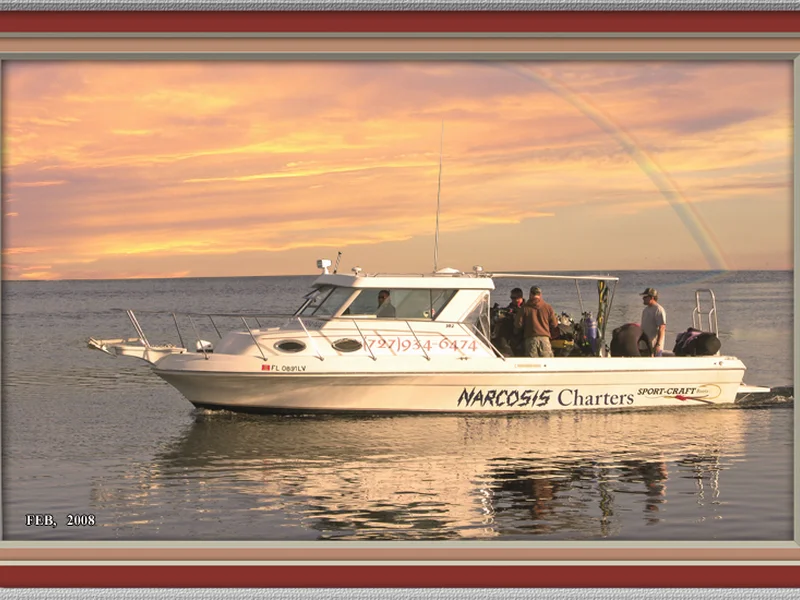
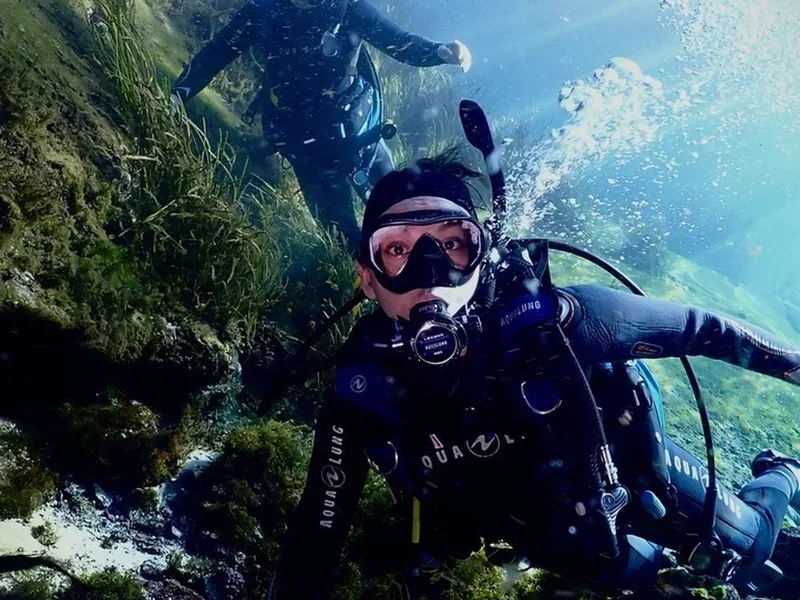
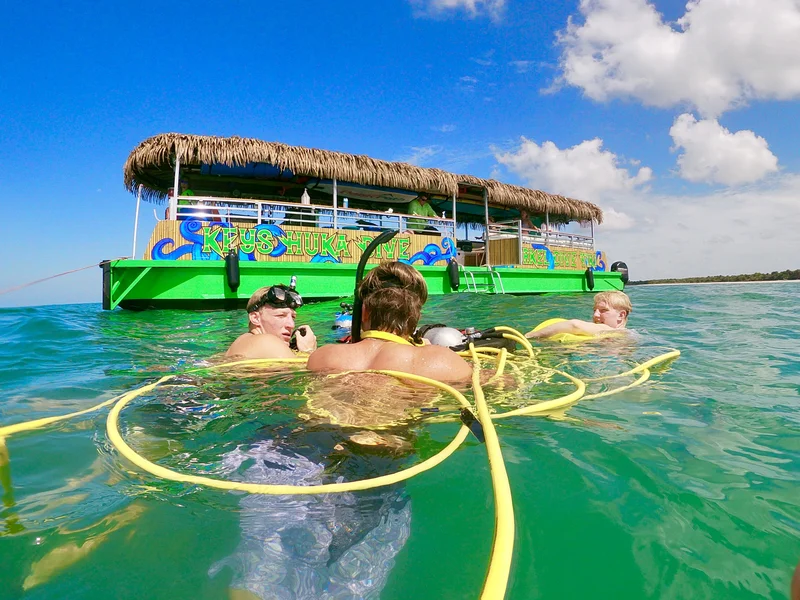
Today: 10:00 - 17:00
Nearest Airports
Nearest airports to help plan travel to this dive area.
Search Flights
Check available flights and routes on Expedia, using the nearby airports listed in this section.
Search Flights on Expedia
Plan Your Stay
Looking for a place to stay for your dive trip? Explore hotels, stays, and vacation rentals for dive groups near North Redington Beach.
Dive Navigator may earn a commission from these links at no extra cost to you.
Frequently Asked Questions
What is the maximum depth at Old Bay Way Bridge Reef #2?
Divers exploring Old Bay Way Bridge Reef #2 will find its deepest sections around 13.7 meters (45 ft). At this depth, the site remains well within recreational limits for certified divers.
What kind of material forms this artificial reef?
Approximately 12,500 tons of cleaned concrete sections from the old Pinellas Bayway bridge form this reef. These durable materials were chosen to create stable, long-lasting underwater habitats.
How long is the reef structure?
Old Bay Way Bridge Reef #2 extends for an impressive length of about 366 meters (1,200 ft). Its substantial footprint provides extensive areas for marine life to inhabit and for divers to explore.
Is Old Bay Way Bridge Reef #2 suitable for beginner divers?
Yes, with a maximum depth of 13.7 meters (45 ft), the site is generally suitable for certified Open Water Divers. However, navigating artificial structures requires good buoyancy control and situational awareness.
What is the typical entry method for this dive site?
Entry to Old Bay Way Bridge Reef #2 is exclusively by boat. Divers typically depart from nearby marinas, with dive operators providing transportation directly to the reef site.
What marine life can divers expect to see?
Artificial reefs like this one in Florida typically attract various fish seeking shelter and feeding opportunities. Complex concrete structures provide an ideal environment for a diverse marine community to develop.
What are the water temperatures at the reef?
Specific water temperature data for Old Bay Way Bridge Reef #2 is not consistently reported. However, based on regional climate, waters are generally warm, particularly during summer months, contributing to comfortable diving conditions.
Planning to dive Old Bay Way Bridge Reef #2?
Send one inquiry and receive offers directly from the best verified local dive operators.
Conditions are Good
Optimal conditions expected
Current conditions near Old Bay Way Bridge Reef #2 show 29° air, 31° sea temperature, 0.4 m waves, and 21 km/h wind. Forecast data is refreshed regularly to ensure accuracy.