
Diving at On Shoreline (United States)
Across the United States, shore diving presents an extensive range of depth profiles, from very shallow muck dives often less than 6 m (20 ft) to deeper reef excursions reaching up to 27 m (90 ft) or 21 m (70 ft) in some areas. Divers encounter varied underwater landscapes within recreational limits. These sites are accessible directly from beaches, jetties, or shorelines, providing diverse experiences for different certification levels.
Tonight's objective overview for On Shoreline shows an air temperature of 24°C. The measured surface conditions include wave heights around 0.1 m. This environmental data is logged for the close of the day.
Dive Site Location & Key Facts
Dive Site Overview
Shore diving along the US coastlines offers a remarkable diversity of underwater topography, from natural reefs to artificial structures and rock walls. Florida's shore dives, for instance, include shallow muck areas and distinct reef lines, some with a 'swiss cheese' appearance, alongside historical elements like cannons and anchors.
Other regions feature jetties with rock walls, outfall structures made of bricks, or natural rocky coastlines. These varied environments support different marine ecosystems. Many locations emphasize diving at slack high tide to manage potentially strong currents, particularly in inlets.
Visibility varies widely, depending on weather and tidal conditions, sometimes ranging from 1.5 m (5 ft) to over 15 m (50 ft). Shore access typically means convenient entry points, with local services like dive shops, lodging, and food often available nearby.
Conditions are Good
07:00 - 14:00
Optimal conditions expected
Current conditions near On Shoreline show 24° air, 31° sea temperature, 0.1 m waves, and 14 km/h wind. Forecast data is refreshed regularly to ensure accuracy.
Best Time to Dive
Optimizing a shore dive often centers on conditions affecting visibility, which can fluctuate dramatically based on localized currents and recent weather events. While visibility might range from 1.5 m (5 ft) to over 15 m (50 ft), calmer periods generally yield clearer water. The climate data indicates consistently excellent dive scores throughout the year for many US shore locations. Air temperatures remain pleasant, ranging from approximately 17°C (63°F) in winter months to over 27°C (81°F) during summer. Rain activity is generally low across the year, with slightly increased precipitation noted in June and August. Despite varied regional water temperatures, surface conditions are often favorable for diving, making planning around local current charts for slack tide crucial.
PEAK SEASON SCORE
Scores combine air & water temps, waves, wind & rainfall for overall conditions.
BEST MONTHS TO DIVE
Monthly records compiled from satellite and marine observation nodes over the last 3 years. Data provided by Open-Meteo and MET Norway.
Dive Experience & Conditions
Current dynamics are a defining factor for many US shore dives, with sites in inlets or tidal areas often requiring divers to plan around slack high tide to avoid strong water movement. Conditions can transition from easy, calm dives, suitable for beginners, to more challenging scenarios with significant current if not timed correctly. Water temperatures vary considerably by region and season; for example, South Florida experiences lows around 22°C (72°F) in winter and highs near 31°C (88°F) in summer, while some northern areas may see summer temperatures around 21°C (70°F). Divers should anticipate these regional thermal differences. Wave heights are generally manageable, often less than 0.5 meters (1.5 ft), but checking the local wind and wave forecast is always recommended for safe entry and exit.
Dive Difficulty & Safety Guidelines
Managing strong currents, especially in tidal inlets or channels, is the primary safety consideration for US shore diving. Divers must consult local tide charts and aim for slack high tide to mitigate current risk. Always dive with a buddy, regardless of the site's perceived ease.
Checking local weather and marine forecasts for wind and wave conditions before entering the water is prudent, as these can impact entry and exit safety. While many shore dives are considered accessible for various skill levels, understanding the specific characteristics of each site and being prepared for varying visibility conditions helps ensure a safe experience.
Recommended Equipment
- Dive Computer
This gear list is based on verified equipment signals for On Shoreline, United States. Always confirm final gear choices with your dive operator, guide, or liveaboard.
Recommended Dive Suit
Short-term weather patterns suggest stable conditions for divers visiting the area.
Thermal protection such as dive skin or rash guard is commonly used in similar temperatures.
Current dive conditions indicate that water temperatures around On Shoreline are sitting at roughly 31°C (87°F). Surface air temperatures are resting at 24°C (75°F).
Emergency & Medical Support
Essential information to help you plan your dive trip to On Shoreline.

Hyperbaric chambers are a critical part of dive safety infrastructure. Availability varies significantly by region, and not all dive areas have immediate access.
Before diving, it's recommended to:
- confirm nearest medical facilities
- check emergency procedures with local dive operators
- ensure dive insurance covers evacuation if required
Divers Alert Network
Diving emergency assistance available through DAN World.
+1-919-684-9111- 24/7 emergency hotline
- Diving medical assistance
- Evacuation coordination
Emergency contacts are provided for reference. Always verify local emergency services before diving.
Marine Life at On Shoreline
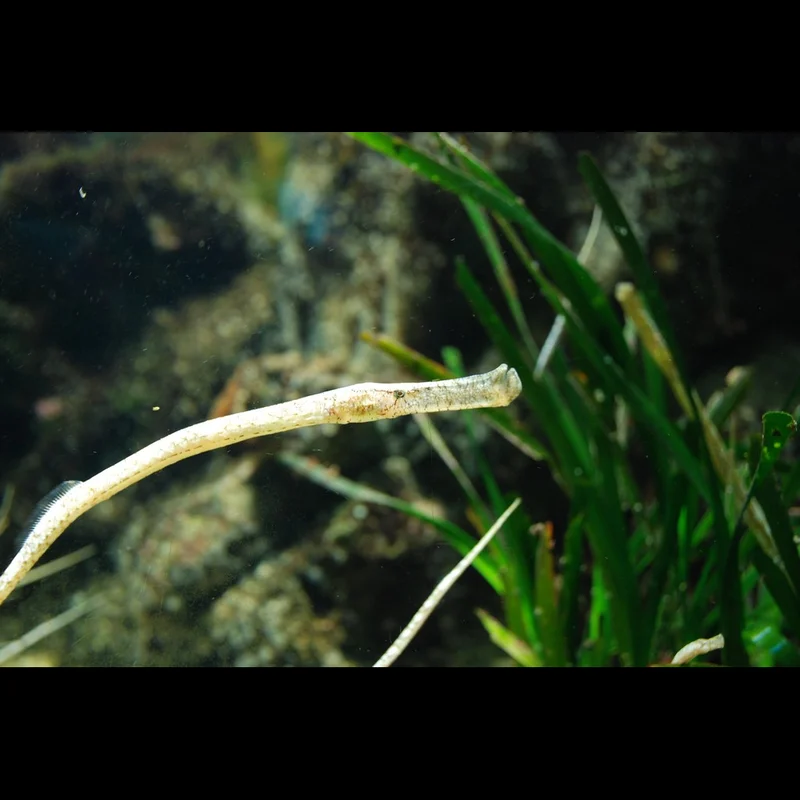
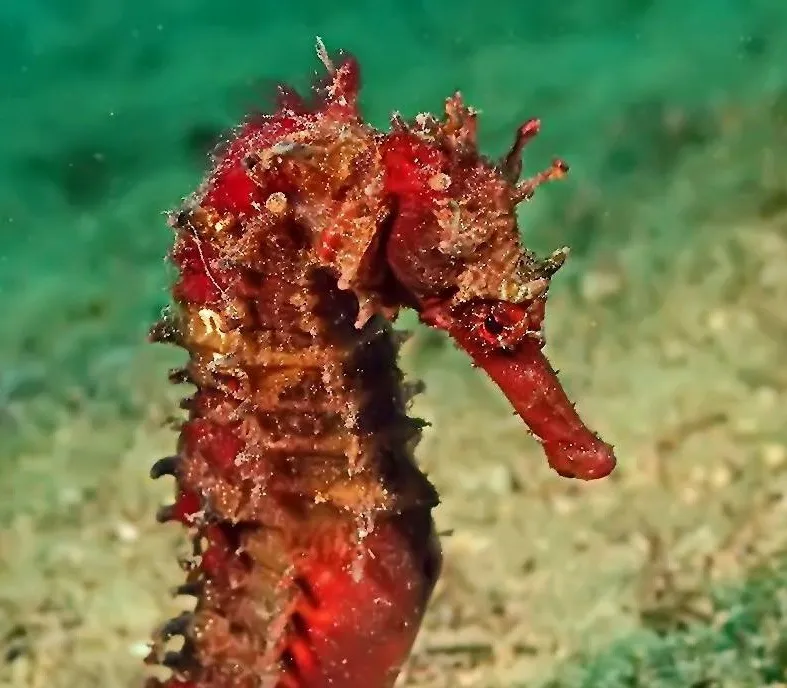
The underwater landscape of US shore dives offers diverse opportunities for marine life encounters, depending on the specific habitat. Muck diving sites, for example, can reveal surprising sightings of manatees, squid, octopus, seahorses, pipefish, and blennies.
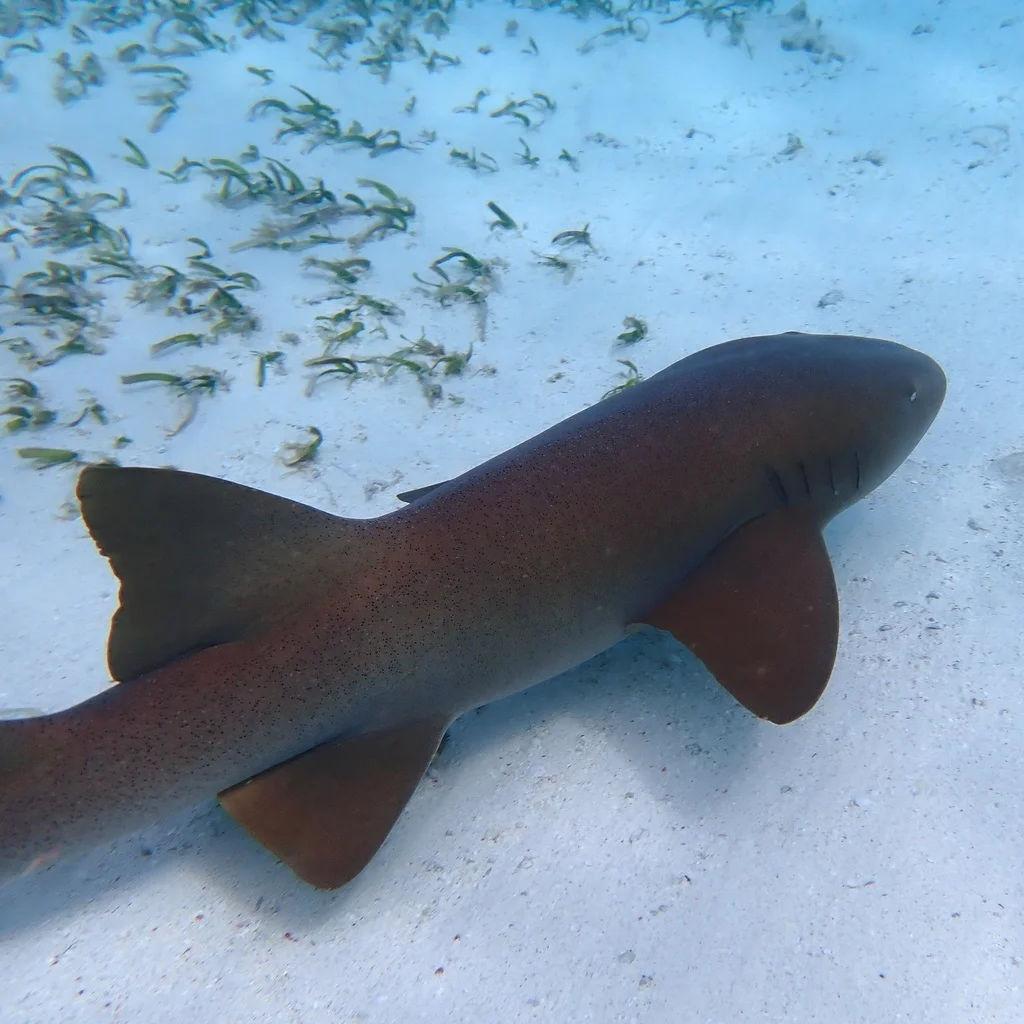
Reef environments may host nurse sharks, large rays, and cornet fish, often found navigating the 'swiss cheese' formations. Sites with old outfall structures or jetties attract a variety of macro life, seeking shelter and feeding opportunities among the bricks and rocks. Shell collections are also possible in certain areas.

Dive Centers Near On Shoreline
Today: 11:00 - 15:00
Nearest Airports
Nearest airports to help plan travel to this dive area.
Search Flights
Check available flights and routes on Expedia, using the nearby airports listed in this section.
Search Flights on Expedia
Plan Your Stay
Looking for a place to stay for your dive trip? Explore hotels, stays, and vacation rentals for dive groups near North Fort Myers.
Dive Navigator may earn a commission from these links at no extra cost to you.
Frequently Asked Questions
What kind of shore diving is available in the US?
Shore diving in the US encompasses a wide variety of sites including exposed ocean beaches, tidal bays, estuaries, jetties, and boat docks. These locations offer access to salt water environments along the Atlantic, Gulf, and Pacific coasts.
Are there specific times I should plan to dive shore sites?
For sites affected by tidal flow, it's often recommended to dive at slack high tide. This helps avoid strong currents and improves overall dive conditions, especially in inlets and channels.
How do water temperatures vary for US shore dives?
Water temperatures can vary significantly by region and season. For instance, South Florida sites might see temperatures from 22-31°C (72-88°F), while summer temperatures in northern areas could be around 21°C (70°F).
What is the typical visibility like?
Visibility is highly variable, influenced by weather, tides, and local conditions. It can range from as low as 1.5 m (5 ft) to over 15 m (50 ft) or more, depending on the specific site and day.
What marine life can I expect to see?
Marine life highlights vary by location. Divers might encounter manatees, squid, octopus, seahorses, pipefish, blennies, nurse sharks, various rays, and cornet fish, often associated with muck, reef, or structural habitats.
What are the common depths for shore dives?
Depths for shore dives range from very shallow, often less than 6 m (20 ft), up to recreational limits of 27 m (90 ft) or 21 m (70 ft) in some areas, depending on the site's topography.
Are shore dives generally easy or advanced?
Many US shore dives are considered easy and suitable for beginners, particularly when conditions are calm. However, sites with strong currents or deeper sections may require more experience, or careful timing with slack tide.
Planning to dive On Shoreline?
Send one inquiry and receive offers directly from the best verified local dive operators.
Conditions are Good
07:00 - 14:00
Optimal conditions expected
Current conditions near On Shoreline show 24° air, 31° sea temperature, 0.1 m waves, and 14 km/h wind. Forecast data is refreshed regularly to ensure accuracy.