
Diving at Orleans (United States)
While direct diving close to Orleans is not prevalent, the broader Gulf of Mexico region accessible from here presents diverse depth profiles. Divers typically travel to the Florida Panhandle, where notable sites like the USS Oriskany offer depths reaching approximately 65 m (215 ft). Recreational divers primarily explore shallower sections, with many wrecks and artificial reefs supporting a range from 15 m (50 ft) to the limits of advanced recreational diving.
Evening condition tracking at Orleans features an air temperature of 22°C. We have recorded wave heights measuring 0.6 m during this period. These figures outline the environmental parameters currently present.
Dive Site Location & Key Facts
Dive Site Overview
Exploring the underwater topography from Orleans typically involves traveling east to the Florida Panhandle, as the immediate coastal waters near New Orleans are often murky from the Mississippi River's outflow. This journey, approximately 3 to 3.5 hours by car, leads to areas like Pensacola and Panama City, Florida, which serve as primary departure points for Gulf diving.
Nearshore areas in the Panhandle are generally flat and sandy, limiting shore diving opportunities. The most significant underwater structures are offshore, consisting predominantly of artificial reefs, shipwrecks, and oil rigs.
A premier example is the USS Oriskany, a decommissioned aircraft carrier intentionally sunk as an artificial reef, offering a substantial wreck diving experience. Other wrecks and numerous rigs also dot the Gulf, providing structure in an otherwise expansive underwater environment.
Conditions are Good
Optimal conditions expected
Current conditions near Orleans show 22° air, 22° sea temperature, 0.9 m waves, and 29 km/h wind. Forecast data is refreshed regularly to ensure accuracy.
Best Time to Dive
Planning a dive trip from Orleans reveals a distinct seasonal contrast in conditions, often influencing operator availability. Summer months, particularly June and July, consistently show the highest dive scores, indicating generally good conditions with air temperatures averaging around 21-25°C (70-77°F). Rain averages are modest during these peak months, ranging from 2.6 to 3.9 mm daily. Conversely, fall weather, especially November, can bring strong winds and rough seas; some local operators like Harry's Dive Shop in New Orleans cease Gulf operations during this period due to unfavorable conditions. Water temperatures are not consistently reported but can vary significantly with the season and depth. Winter air temperatures drop to near freezing in January, averaging -0°C (32°F), making surface intervals challenging. For the most comfortable experience, targeting late spring through early fall aligns with generally calmer wave heights and higher dive scores.
PEAK SEASON SCORE
Scores combine air & water temps, waves, wind & rainfall for overall conditions.
BEST MONTHS TO DIVE
Monthly records compiled from satellite and marine observation nodes over the last 3 years. Data provided by Open-Meteo and MET Norway.
Dive Experience & Conditions
Embarking on a dive excursion from the Orleans area generally means preparing for a boat-centric experience, given the necessity to reach offshore sites in the Gulf of Mexico. The brown, sediment-laden waters near the Mississippi River outflow necessitate traveling considerable distances for clear conditions, typically to the Florida Panhandle. Visibility in these offshore areas varies depending on factors such as weather, currents, and proximity to major river systems but is generally far superior to nearshore Louisiana. Water temperatures for Gulf diving from this region are not consistently reported, but divers should anticipate a range that may require appropriate exposure protection, from thinner wetsuits in warmer months to dry suits in cooler periods, especially for deeper wrecks. Waves can be significant, particularly during windy periods, which can affect comfort on boat rides and at the dive site.
Dive Difficulty & Safety Guidelines
The primary considerations for diver safety near Orleans revolve around understanding the travel involved and weather dynamics. Since prime dive sites are offshore in the Gulf of Mexico, boat diving is standard, making it crucial to follow all dive charter protocols. Conditions, particularly wave height and wind speed, can change rapidly; divers should check forecasts diligently.
Operating from the Florida Panhandle, dive operators may provide specific guidelines, sometimes including divemaster-led groups for sites like the USS Oriskany. Always confirm rental gear availability and units of measurement (Imperial vs. BAR) with the charter or dive shop, especially if traveling internationally.
Ensuring your certification is current and suitable for the planned depths, such as deeper wreck dives, remains a fundamental safety practice.
Recommended Equipment
- Dive Computer
This gear list is based on verified equipment signals for Orleans, United States. Always confirm final gear choices with your dive operator, guide, or liveaboard.
Recommended Dive Suit
With water temperatures around 22°C (72°F), many divers find a 3-5mm wetsuit provides comfortable protection.
Local dive briefings can provide the most accurate guidance.
Weather models indicate a small drop in surface temperatures later this week. Cooler days are ahead; you might want a warmer option for later in the week. A warmer option can provide additional comfort if conditions shift.
Due to technical issues with our weather providers, live updates are temporarily delayed. The data above reflects the conditions at the time of the last successful fetch.
Emergency & Medical Support
Essential information to help you plan your dive trip to Orleans.

Hyperbaric chambers are a critical part of dive safety infrastructure. Availability varies significantly by region, and not all dive areas have immediate access.
Before diving, it's recommended to:
- confirm nearest medical facilities
- check emergency procedures with local dive operators
- ensure dive insurance covers evacuation if required
Divers Alert Network
Diving emergency assistance available through DAN World.
+1-919-684-9111- 24/7 emergency hotline
- Diving medical assistance
- Evacuation coordination
Emergency contacts are provided for reference. Always verify local emergency services before diving.
Marine Life at Orleans
The underwater landscapes accessible from Orleans, primarily artificial structures in the Gulf of Mexico, act as ecological magnets. These structures attract diverse marine life, creating vibrant ecosystems on otherwise sandy seafloors.
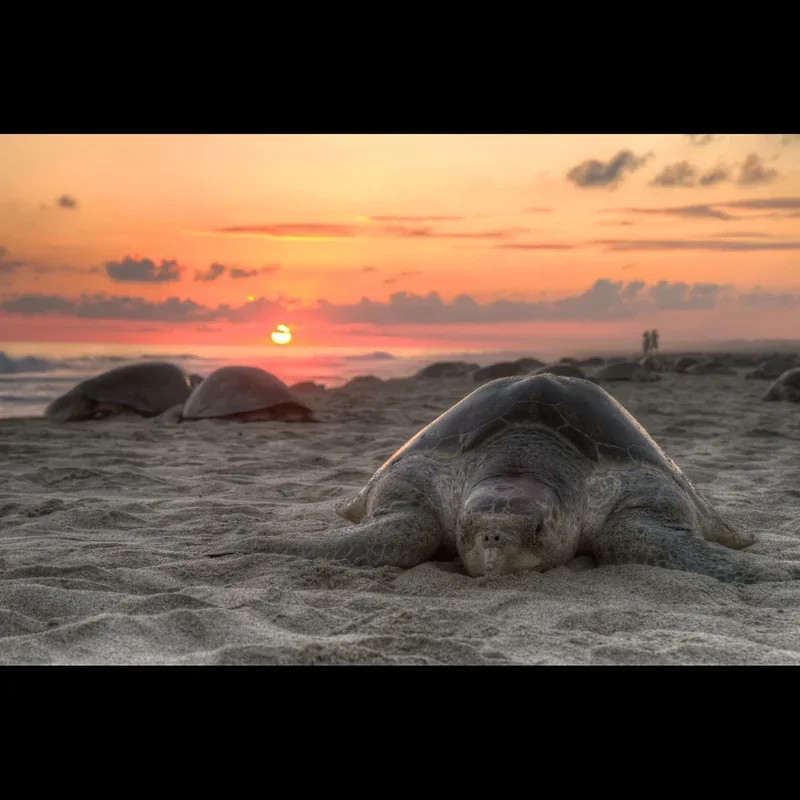
Divers exploring these sites, like offshore wrecks and rigs, may encounter various colorful fish species. Larger pelagic animals, such as sea turtles and dolphins, are also part of the broader Gulf experience.
While coral reefs as typically understood are not prevalent, these artificial habitats support a rich and varied array of invertebrates and smaller fish, adding texture and interest to the dive.
Dive Sites Near Orleans
View all dive sites in United StatesDiscover more underwater gems in this area.
Dive Centers Near Orleans
Today: 08:00 - 18:00
Nearest Airports
Nearest airports to help plan travel to this dive area.
Search Flights
Check available flights and routes on Expedia, using the nearby airports listed in this section.
Search Flights on Expedia
Plan Your Stay
Looking for a place to stay for your dive trip? Explore hotels, stays, and vacation rentals for dive groups near Monmouth Beach.
Dive Navigator may earn a commission from these links at no extra cost to you.
Frequently Asked Questions
Can I dive directly in New Orleans?
Direct diving opportunities in the immediate New Orleans area are limited. The Mississippi River's outflow significantly affects water clarity near the coast, making offshore travel necessary for viable dive sites.
Where are the main dive sites accessible from Orleans?
Primary dive sites accessible from Orleans are located in the Florida Panhandle, specifically around Pensacola and Panama City. These areas are approximately a 3 to 3.5-hour drive east, offering dedicated dive charters.
What kind of diving is available in the accessible Gulf region?
Diving in the accessible Gulf region mainly focuses on artificial structures. This includes significant wreck diving opportunities, such as the USS Oriskany, and exploration of numerous oil rigs and other man-made reefs.
When is the best time to dive from Orleans?
Optimal diving from the Orleans area, considering travel to the Florida Panhandle, is generally during late spring through early fall. June and July typically offer the calmest conditions and highest dive scores; however, operators may run trips into November depending on specific weather patterns.
Do dive shops in New Orleans offer trips to these sites?
Yes, some local dive shops in the New Orleans area, like Harry's Dive Shop, organize trips to the Florida Panhandle. It's advisable to contact them directly for current schedules and offerings.
What are the typical water temperatures and visibility?
Water temperatures in the Gulf of Mexico are not consistently reported but can vary considerably by season and depth, requiring appropriate exposure protection. Nearshore visibility in Louisiana is often poor due to river outflow, but offshore dive sites in the Florida Panhandle generally offer better, though variable, visibility.
Planning to dive Orleans?
Send one inquiry and receive offers directly from the best verified local dive operators.
Conditions are Good
Optimal conditions expected
Current conditions near Orleans show 22° air, 22° sea temperature, 0.9 m waves, and 29 km/h wind. Forecast data is refreshed regularly to ensure accuracy.