
Diving at Outer Plane Reef-Plane (United States)
Descending onto the USS Oriskany reveals an immense structure, a colossal aircraft carrier that has become a premier artificial reef. Resting upright on the seafloor, its tower begins at 25 m (80 ft), drawing divers into a realm of submerged history and immense scale. This dive offers a profound sense of exploration, marking it as America's real wreck diving capital.
Tonight's objective overview for Outer Plane Reef-Plane shows an air temperature of 28.5°C. The measured surface conditions include wave heights around 1.3 m. This environmental data is logged for the close of the day.
Dive Site Location & Key Facts
Dive Site Overview
Affectionately nicknamed the 'Mighty O,' the USS Oriskany carries significant historical weight as a post-World War II naval warship. Following 25 years of service, including tours in the Korean and Vietnam Wars, it was intentionally sunk in 2006, approximately 22.5 nautical miles southeast of Pensacola Pass.
Measuring an impressive 278 meters (911 ft) in length, it stands as the first naval warship and largest artificial reef ever deployed in U.S. coastal waters. The substantial wreck rests at a maximum depth of 67 m (220 ft); its flight deck is situated around a maximum depth for recreational divers. Recreational divers typically focus on the impressive tower structure, which begins at recreational depths, exploring areas like the officers’ quarters and bridge.
Sections below the flight deck often necessitate advanced or technical diving certifications due to their extreme depths, making comprehensive exploration a multi-level undertaking. Its north-south orientation, with the bow facing south, aids navigation along the vast expanse.
Conditions are Good
Optimal conditions expected
Current conditions near Outer Plane Reef-Plane show 29° air, 28° sea temperature, 0.8 m waves, and 21 km/h wind. Forecast data is refreshed regularly to ensure accuracy.
Best Time to Dive
Optimal diving conditions for the USS Oriskany generally occur from May through August and again in November, aligning with 'Good' dive scores. During these months, air temperatures are most pleasant, ranging from 24-28°C (75-82°F), while wave heights tend to be lower, especially in July, averaging around 0.7 meters (2.3 ft). Conversely, October often presents more challenging conditions, with higher average wave heights around 1.6 meters (5.2 ft) and increased wind speeds up to 32.8 km/h (20.4 mph), contributing to a 'Moderate' dive score. Rainfall varies, with September experiencing the highest average at 5.82 mm (0.23 in), which can impact surface visibility. Water temperature data isn't consistently reported, but often mirrors the general air temperature trends, being warmer in summer months. It's always advisable to consult local dive shops for the most current conditions, as currents and structural changes influenced by storms can alter the site.
PEAK SEASON SCORE
Scores combine air & water temps, waves, wind & rainfall for overall conditions.
BEST MONTHS TO DIVE
Monthly records compiled from satellite and marine observation nodes over the last 3 years. Data provided by Open-Meteo and MET Norway.
Dive Experience & Conditions
Accessing the Oriskany is exclusively via boat, requiring careful planning due to its distance from shore. Upon descent, divers are immediately confronted by the sheer size of the carrier's tower, an imposing silhouette in the water column. Navigating this artificial reef, especially around the tower and bridge, provides ample opportunity for recreational exploration. The wreck experiences potential currents, which vary and demand attention to energy conservation; beginning the dive swimming into the current is a common strategy. Conditions change over time as the structure is influenced by scouring and storm events, altering the exact depths and features. Visibility can be good, but is contingent on local weather and current patterns.
Dive Difficulty & Safety Guidelines
Prioritizing safety at this site is paramount, given its depth and potential for dynamic conditions. Divers should never attempt to penetrate the ship's interior, as FWC strongly advises against it due to unknown structural damages and the inherent risks of corrosion. Advanced Open Water certification is generally recommended for exploring the tower, while exploration below recreational limits strictly requires technical training and specialized equipment.
Planning your dive meticulously, sticking to that plan, and always using the buddy system are critical practices here. Additionally, divers should factor in their buddy's lowest training level when determining maximum depths, and plan for a slow ascent with extended safety stops. Remember, maintaining hydration is vital for dive safety.
Recommended Equipment
- Dive Computer
This gear list is based on verified equipment signals for Outer Plane Reef-Plane, United States. Always confirm final gear choices with your dive operator, guide, or liveaboard.
Recommended Dive Suit
2-3mm shorty or light wetsuit is frequently recommended by dive operators for conditions like these. Consider warmer surface protection (like a boat coat) due to brisk winds. Water conditions at Outer Plane Reef-Plane are currently measured at approximately 28°C (83°F). Surface air temperatures are resting at 29°C (84°F).
The coming days appear slightly cooler according to the latest forecast. Cooler days are ahead; you might want a warmer option for later in the week. Some divers bring an extra layer for surface intervals between dives.
Even small thermoclines can occasionally cause noticeable changes in water temperature.
Emergency & Medical Support
Essential information to help you plan your dive trip to Outer Plane Reef-Plane.

Hyperbaric chambers are a critical part of dive safety infrastructure. Availability varies significantly by region, and not all dive areas have immediate access.
Before diving, it's recommended to:
- confirm nearest medical facilities
- check emergency procedures with local dive operators
- ensure dive insurance covers evacuation if required
Divers Alert Network
Diving emergency assistance available through DAN World.
+1-919-684-9111- 24/7 emergency hotline
- Diving medical assistance
- Evacuation coordination
Emergency contacts are provided for reference. Always verify local emergency services before diving.
Marine Life at Outer Plane Reef-Plane
The extensive wreck of the USS Oriskany has transformed into a thriving underwater habitat. Reef fish congregate around the structural components, providing a constant flurry of activity.
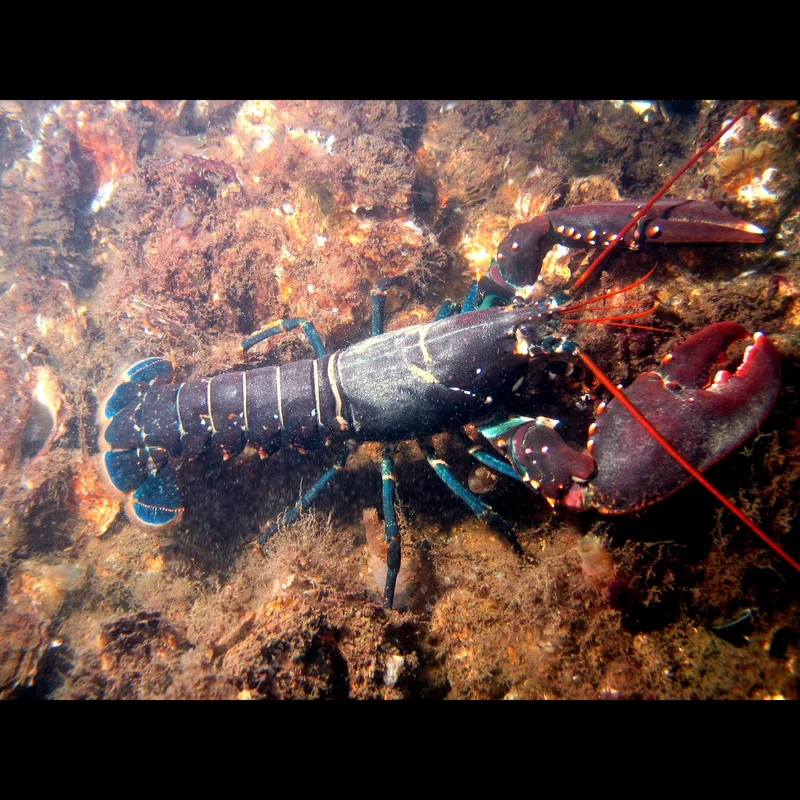
Observing larger pelagic fish, sharks, and various eel species is common, as they patrol the perimeter and utilize the wreck for shelter and hunting grounds. Encounters with octopus and lobster are possible within the nooks and crannies of the deteriorating steel.
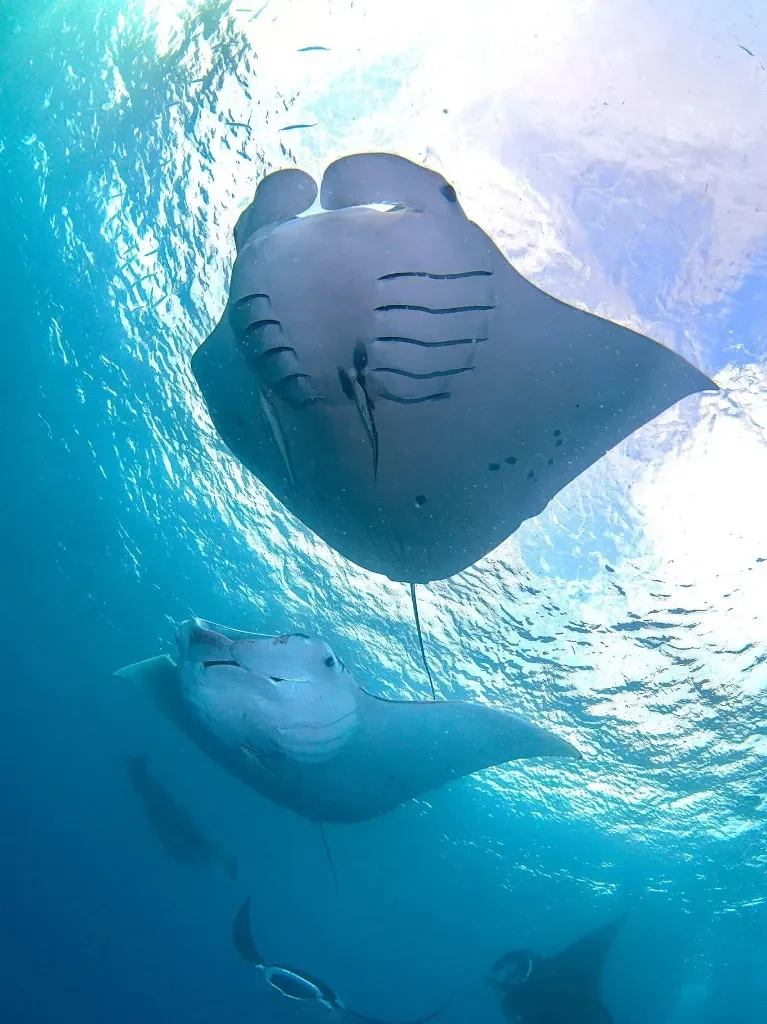
Less frequently, divers might spot manta rays, whale sharks, whales, dolphins, or turtles passing by in the deeper blue.

Dive Centers Near Outer Plane Reef-Plane
Today: 10:00 - 18:30
Nearest Airports
Nearest airports to help plan travel to this dive area.
Search Flights
Check available flights and routes on Expedia, using the nearby airports listed in this section.
Search Flights on ExpediaFrequently Asked Questions
What is the maximum depth of the USS Oriskany dive site?
The USS Oriskany rests on the seafloor at approximately 67 m (220 ft). Recreational divers typically explore the tower, which begins at recreational depths.
Is it safe to enter the USS Oriskany wreck?
No, FWC strongly recommends that divers do not enter the ship under any circumstances. There are unknown structural damages and corrosion risks inside.
What diving certifications are recommended for the Oriskany?
PADI Advanced Open Water Diver, PADI Enriched Air Diver, PADI Deep Diver, and PADI Wreck Diver courses are useful. Technical diving certifications are required for depths below recreational depth limits.
What marine life can I expect to see?
Divers commonly observe reef fish, pelagic fish, sharks, eels, octopus, and lobster. Occasional sightings of manta rays, whale sharks, whales, dolphins, and turtles have also been reported.
What are the best months to dive the USS Oriskany?
May through August and November generally offer the best diving conditions, with favorable air temperatures and lower wave heights, leading to 'Good' dive scores.
How long is the USS Oriskany?
The USS Oriskany is an impressive 278 meters (911 ft) long. It was the largest artificial reef intentionally sunk in U.S. coastal waters.
Are there strong currents at the site?
Potential currents are present at the site and can vary. Divers are advised to plan their dive by swimming into the current first to conserve energy for the return.
Planning to dive Outer Plane Reef-Plane?
Send one inquiry and receive offers directly from the best verified local dive operators.
Conditions are Good
Optimal conditions expected
Current conditions near Outer Plane Reef-Plane show 29° air, 28° sea temperature, 0.8 m waves, and 21 km/h wind. Forecast data is refreshed regularly to ensure accuracy.