
Diving at Ozark (United States)
The Ozark region, spanning parts of Missouri and Arkansas, offers a diverse array of freshwater diving experiences, primarily within its deep lakes and unique spring systems. Divers here can explore a range of environments, from natural geological formations to extensive artificial reefs. Depths vary significantly, catering to recreational divers in lakes like Bull Shoals and Table Rock, while specialized cave diving in Maramec Spring extends to a reported maximum depth of 59 m (195 ft) for research expeditions.
Tonight's objective overview for Ozark shows an air temperature of 28.5°C. The measured surface conditions include wave heights around 0.6 m. This environmental data is logged for the close of the day.
Dive Site Location & Key Facts
Dive Site Overview
Exploring the Ozarks' underwater realm reveals a surprisingly diverse landscape, far removed from typical saltwater environments. Divers here encounter a unique blend of natural and man-made attractions, promising a distinct freshwater adventure.
Lake dives frequently showcase extensive artificial structures, which transform these areas into fascinating underwater playgrounds. Visitors might explore everything from sunken boats, cars, and buses, to an airplane and even a small-scale pirate ship at Beaver Lake Scuba Park.
Beyond these man-made features, divers discover extensive submerged forests where skeletal trees stand as silent sentinels, along with impressive wall dives that trace the region's deep bluffs. Many lake sites typically provide excellent visibility, often allowing clear views of these varied underwater landscapes and their inhabitants.
Spring diving, particularly at Maramec Spring, presents a dramatically different environment. Here, powerful outflows carve complex conduits and deep passageways, though access remains highly restricted and requires specific permits for research teams.
Navigating these high-flow systems demands advanced technical skills due to the strong currents and extreme depths. Recreational divers, however, will find ample opportunity in the lakes to explore sites within the typical recreational depth range. Regardless of the chosen site, careful planning ensures a rewarding experience in this often-overlooked freshwater paradise.
Conditions are Excellent
07:00 - 14:00
Optimal conditions expected
Current conditions near Ozark show 29° air, 30° sea temperature, 0.5 m waves, and 18 km/h wind. Forecast data is refreshed regularly to ensure accuracy.
Best Time to Dive
Optimizing a dive trip to the Ozarks largely depends on desired water temperatures, which fluctuate seasonally. While the region generally experiences moderate dive conditions from January to April and again from October to December, the period from May through September offers good to excellent diving, aligning with warmer lake temperatures. Air temperatures during these prime months range from 24.5°C (76°F) in May to 29°C (84°F) in August, correlating with less wind and lower average wave heights on the lakes. Rain amounts are typically manageable, averaging between 3.5 and 6.66 mm (0.14-0.26 inches) during the peak dive season, suggesting generally favorable surface conditions.
PEAK SEASON SCORE
Scores combine air & water temps, waves, wind & rainfall for overall conditions.
BEST MONTHS TO DIVE
Monthly records compiled from satellite and marine observation nodes over the last 3 years. Data provided by Open-Meteo and MET Norway.
Dive Experience & Conditions
Descending into the Ozark waters often reveals a significant thermocline in the deeper lakes, where surface temperatures reaching up to 32°C (90°F) in summer can drop to 15.5°C (60°F) or colder at depth. Conversely, Maramec Spring maintains a consistent, chilly low 50s°F (10-12°C) year-round. Visibility tends to be clear in many lake sites, though spring systems can exhibit highly variable flow and corresponding clarity. Navigating sites like Beaver Lake Scuba Park is simplified for beginners by guide lines connecting the numerous submerged features, including an airplane and statues. Meanwhile, experienced divers can challenge themselves with wall dives along deep bluffs and explore sunken vessels in depths up to 40+ m (130+ ft) in Table Rock Lake, requiring careful buoyancy control.
Dive Difficulty & Safety Guidelines
Diving within the Ozarks necessitates careful planning, as conditions and access vary widely across sites. Maramec Spring, for instance, is strictly limited to research permit holders due to its complex and high-flow environment. Lake diving often requires a surface marker buoy and dive flag, especially in busy channels like those around Jake's Island on Table Rock Lake, to alert boat traffic.
Given the potential for colder temperatures, even in summer at depth, appropriate thermal protection is essential. Divers should always be certified for the depths and environments they plan to explore, with a dive knife and underwater light frequently recommended for wreck and structure penetration.
Recommended Equipment
- Dive Computer
This gear list is based on verified equipment signals for Ozark, United States. Always confirm final gear choices with your dive operator, guide, or liveaboard.
Recommended Dive Suit
Water temperatures at Ozark are currently estimated to be around 30°C (86°F), shaping the overall diving conditions for today. Surface air temperatures are resting at 29°C (83°F).
Dive skin or rash guard is generally considered suitable for water temperatures like this.
Conditions in the coming days are expected to stay within a similar temperature range.
Emergency & Medical Support
Essential information to help you plan your dive trip to Ozark.

Hyperbaric chambers are a critical part of dive safety infrastructure. Availability varies significantly by region, and not all dive areas have immediate access.
Before diving, it's recommended to:
- confirm nearest medical facilities
- check emergency procedures with local dive operators
- ensure dive insurance covers evacuation if required
Divers Alert Network
Diving emergency assistance available through DAN World.
+1-919-684-9111- 24/7 emergency hotline
- Diving medical assistance
- Evacuation coordination
Emergency contacts are provided for reference. Always verify local emergency services before diving.
Marine Life at Ozark
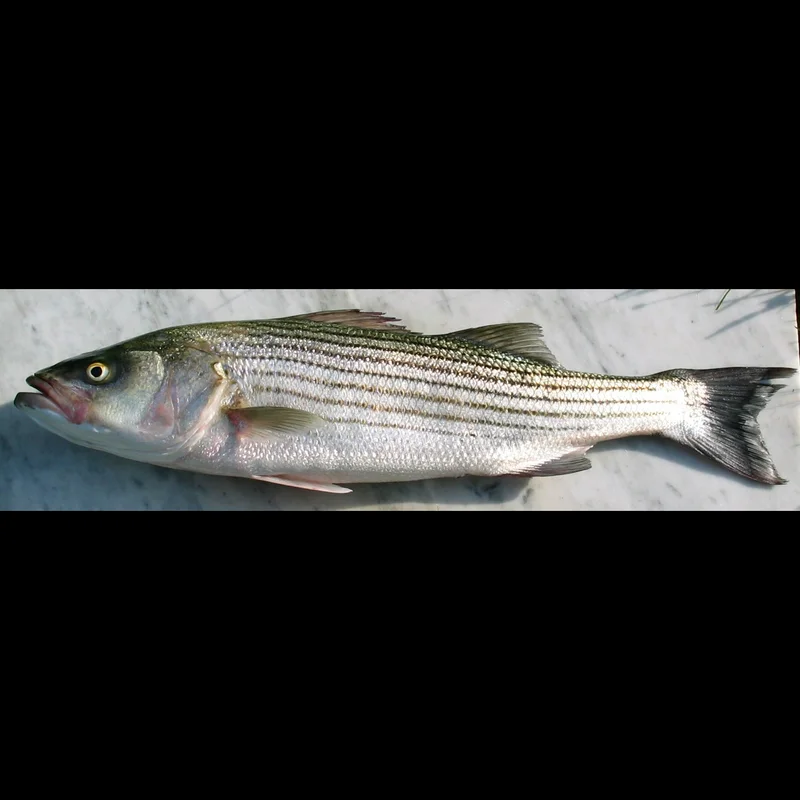
The underwater landscapes of the Ozarks are surprisingly vibrant with diverse freshwater inhabitants. Among sunken structures and the unique 'Enchanted Forest' of moss-covered oak trees, divers regularly encounter bass, crappie, and various sunfish.
Bottom dwellers like catfish and crawfish are common sightings, sometimes alongside the elusive walleye. If fortunate, divers might spot a rare blue catfish at Bull Shoals or a paddlefish at Table Rock Lake.
Occasionally, even freshwater jellyfish drift through the clear lake waters, adding an unexpected touch to the experience.

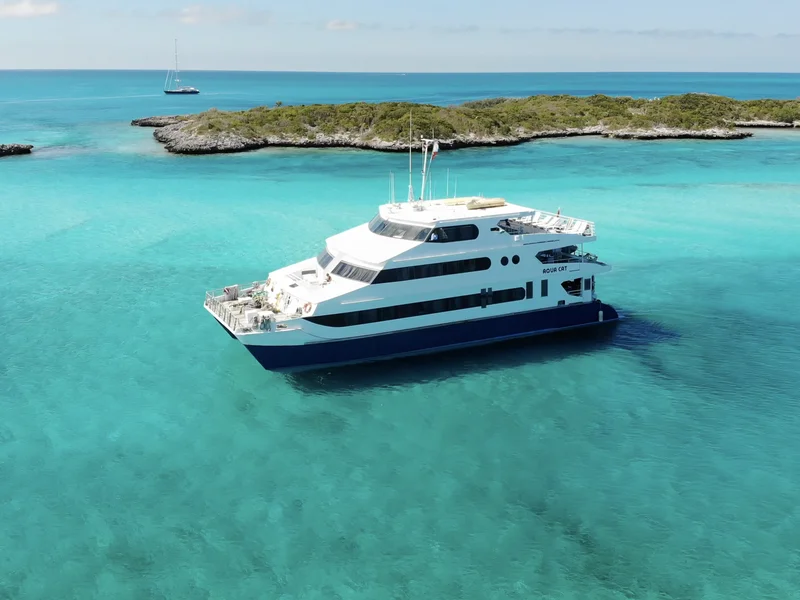
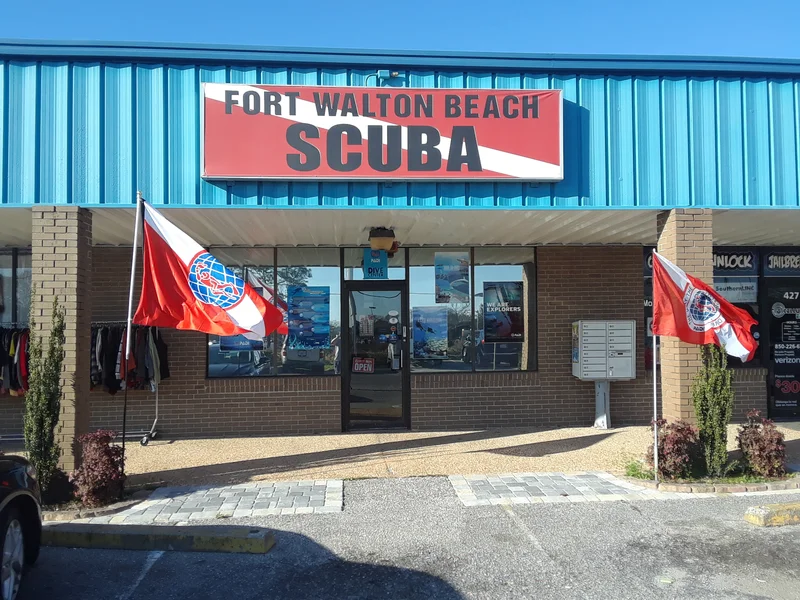
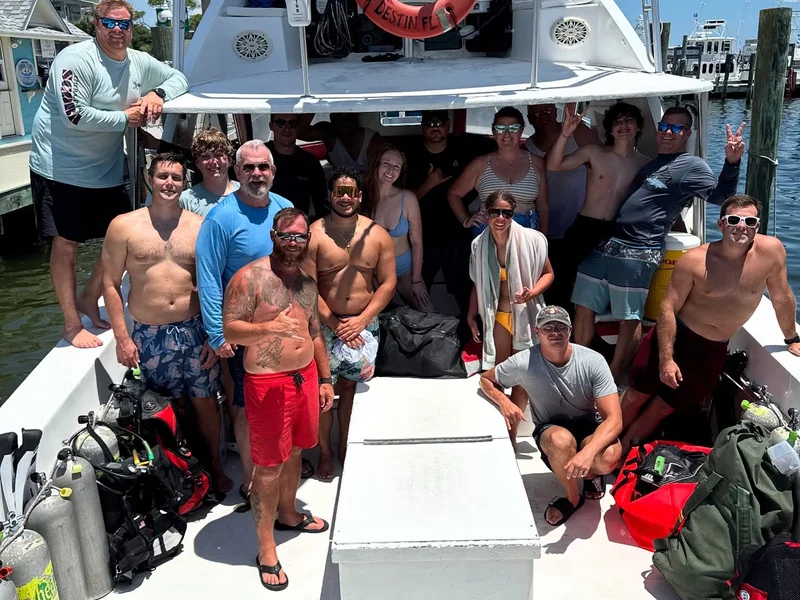
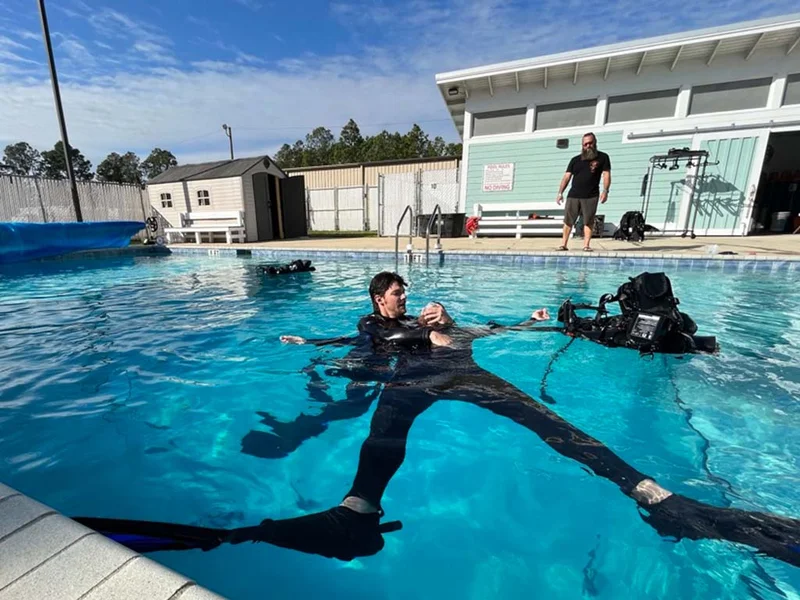
Dive Centers Near Ozark
Today: 08:00 - 17:00
Nearest Airports
Nearest airports to help plan travel to this dive area.
Search Flights
Check available flights and routes on Expedia, using the nearby airports listed in this section.
Search Flights on ExpediaFrequently Asked Questions
What is the typical water temperature for diving in the Ozarks?
Water temperatures in the Ozarks vary significantly. Lakes can reach up to 32°C (90°F) near the surface in summer but drop to 7-15.5°C (45-60°F) at depth due to thermoclines. Springs, like Maramec, maintain a consistently cold 10-12°C (low 50s°F) year-round.
Are there any cave diving opportunities in the Ozarks?
Yes, Maramec Spring in Missouri offers extensive cave diving, with passages mapped out to 1,725 feet. However, access to this specific site is highly restricted and requires a research permit from The James Foundation.
What kind of wrecks can be found in the Ozark lakes?
Ozark lakes feature a variety of fascinating artificial reefs. Sites like Bull Shoals and Beaver Lake Scuba Park contain sunken boats, cars, planes, buses, and even unique items like a combine and tractor, providing plenty to explore.
Is the Ozarks suitable for beginner divers?
Certain sites, such as Beaver Lake Scuba Park, are excellent for beginners. These locations often have clear water and feature guide lines connecting submerged attractions, making navigation straightforward and enjoyable for new divers.
What marine life might I see while diving?
Divers can expect to encounter various freshwater fish, including bass, crappie, sunfish, catfish, walleye, and crawfish. Specific locations may also offer glimpses of rare blue catfish, paddlefish, or even freshwater jellyfish.
Do I need a boat to access dive sites in the Ozarks?
Many of the premier lake dive sites, particularly on Table Rock Lake like the Enchanted Forest and Jake's Island, are only accessible by boat. Some shore-entry options exist, but a boat expands the range of available dives considerably.
What are the common depths for recreational diving here?
Recreational dive depths in the Ozark lakes typically range from 4.5 m (15 ft) to around 30 m (100 ft). Deeper sites like Jake's Island offer wall dives extending beyond 40 m (130 ft) for experienced divers.
Planning to dive Ozark?
Send one inquiry and receive offers directly from the best verified local dive operators.
Conditions are Excellent
07:00 - 14:00
Optimal conditions expected
Current conditions near Ozark show 29° air, 30° sea temperature, 0.5 m waves, and 18 km/h wind. Forecast data is refreshed regularly to ensure accuracy.