
Diving at Pasco #2 (United States)
As you begin your descent into the waters around Pasco, you'll find yourself entering an underwater world rich with varied topography. Many sites begin within the recreational depth range, allowing for a gentle introduction to the vibrant reef systems or the initial sections of submerged structures. The clarity often dictates the immediate visual impact, revealing the outlines of coral formations or the silhouette of a wreck as you drop through the water column.
Tonight's objective overview for Pasco #2 shows an air temperature of 28°C. The measured surface conditions include wave heights around 0.5 m. This environmental data is logged for the close of the day.
Dive Site Location & Key Facts
Dive Site Overview
Underwater topography across the Florida Keys region, encompassing sites potentially near Pasco, presents a diverse range from shallow patch reefs to significant artificial wrecks. Many reef systems, such as the spur-and-groove formations of Eastern Sambo Reef, typically range from 1.2 to 3 meters (4 to 10 feet) in depth, making them ideal for new divers and snorkelers.
Other shallow reefs, including 9 Foot Stake, offer additional exploration within recreational depths. Beyond natural reefs, wreck diving opportunities vary widely; for instance, the Cartanza wreck offers maximum depths often around 12.5 meters (41 feet) with surrounding reef extensions into deeper sections. These sites frequently feature scattered wreckage amidst living reef.
More advanced divers can explore impressive structures like the USS Spiegel Grove, which begins at 18 meters (60 feet) and descends to over 30 meters (100 feet), or the USS Vandenberg, where maximum depths reach well into the advanced range. Throughout these various locations, divers will encounter extensive coral growth and scattered sandy bottom areas, frequently hosting abundant marine life and providing varied navigation challenges.
Conditions are Good
07:00 - 14:00
Optimal conditions expected
Current conditions near Pasco #2 show 28° air, 31° sea temperature, 0.4 m waves, and 21 km/h wind. Forecast data is refreshed regularly to ensure accuracy.
Best Time to Dive
Optimizing for visibility, the best times to dive often align with periods of calmer seas and lower rainfall. Historically, months from February through November consistently show good dive scores for the wider region. Average air temperatures range comfortably from 15.5°C (60°F) in February to 29°C (84°F) in August, ensuring pleasant surface conditions. Rain, which can reduce visibility due to runoff, tends to be lower in months like April (1.3 mm) and November (0.6 mm). Conversely, August sees higher rainfall at 7.7 mm. Lower wave heights, particularly from May through September, suggest calmer waters, which typically enhance underwater clarity and make boat travel more comfortable. Divers planning trips in these months might experience less surface chop and clearer viewing conditions throughout their dives, especially on shallower sites. During certain periods, even with good air temperatures, higher winds or wave action may reduce visibility, so checking local forecasts is always advisable.
PEAK SEASON SCORE
Scores combine air & water temps, waves, wind & rainfall for overall conditions.
BEST MONTHS TO DIVE
Monthly records compiled from satellite and marine observation nodes over the last 3 years. Data provided by Open-Meteo and MET Norway.
Dive Experience & Conditions
Given the variety of dive sites in the region, the typical depth profile varies significantly, catering to a broad spectrum of diver experience levels. Many shallow reef dives are accessible, often remaining within 5 to 10 meters (16 to 33 feet), which suits beginners and open water certifications. These sites often feature mild currents, making for relaxed explorations. For those seeking deeper adventures, numerous wrecks and outer reef sections extend beyond typical recreational limits. Divers can find opportunities reaching well over 30 meters (100 feet) on larger wrecks. Current conditions can range from mild to strong depending on the specific location and tidal movements; sites like Chutes and Ladders are known for offering both "ladder" portions into current and "chute" sections for drift diving. Navigating these varied depths requires appropriate training and attention to local conditions, particularly near channels or exposed reef points where currents are more prevalent.
Dive Difficulty & Safety Guidelines
Navigating some dive sites in this region requires awareness of potential currents, which can vary from mild to occasionally strong, especially in certain cuts or around exposed points. Always assess conditions with your dive operator or local guide before entering the water, particularly if planning a drift dive. Many of these dive locations fall within marine sanctuaries or ecological reserves, such as the Western Sambo Ecological Reserve.
Adherence to "no take" rules is critical; fishing and spearfishing are prohibited in protected zones to preserve marine ecosystems. Divers must maintain proper buoyancy control to avoid damaging delicate coral formations.
Always dive within your certification limits and plan your gas consumption carefully, especially on deeper wreck penetrations or during drift dives where ascent points might be further from the entry. Always carry appropriate signaling devices.
Recommended Equipment
- Dive Computer
This gear list is based on verified equipment signals for Pasco #2, United States. Always confirm final gear choices with your dive operator, guide, or liveaboard.
Recommended Dive Suit
The coming days appear slightly cooler according to the latest forecast. Cooler days are ahead; you might want a warmer option for later in the week. A hood or vest can noticeably improve warmth during longer dives.
Divers who prefer a balanced level of warmth often select dive skin or rash guard in water temperatures like this. Consider warmer surface protection (like a boat coat) due to brisk winds.
Current dive conditions indicate that water temperatures around Pasco #2 are sitting at roughly 31°C (88°F). Surface air temperatures are resting at 28°C (83°F).
Due to technical issues with our weather providers, data hasn't been fetched for over 48 hours. The data above reflects the conditions at the time of the last successful fetch.
Emergency & Medical Support
Essential information to help you plan your dive trip to Pasco #2.

Hyperbaric chambers are a critical part of dive safety infrastructure. Availability varies significantly by region, and not all dive areas have immediate access.
Before diving, it's recommended to:
- confirm nearest medical facilities
- check emergency procedures with local dive operators
- ensure dive insurance covers evacuation if required
Divers Alert Network
Diving emergency assistance available through DAN World.
+1-919-684-9111- 24/7 emergency hotline
- Diving medical assistance
- Evacuation coordination
Emergency contacts are provided for reference. Always verify local emergency services before diving.
Marine Life at Pasco #2
Upon descending, divers are often immediately struck by the sheer abundance of fish life, from schooling yellowtail to various tropical species. Healthy coral formations, gorgonians, sponges, and sea fans create a vibrant backdrop for observations.
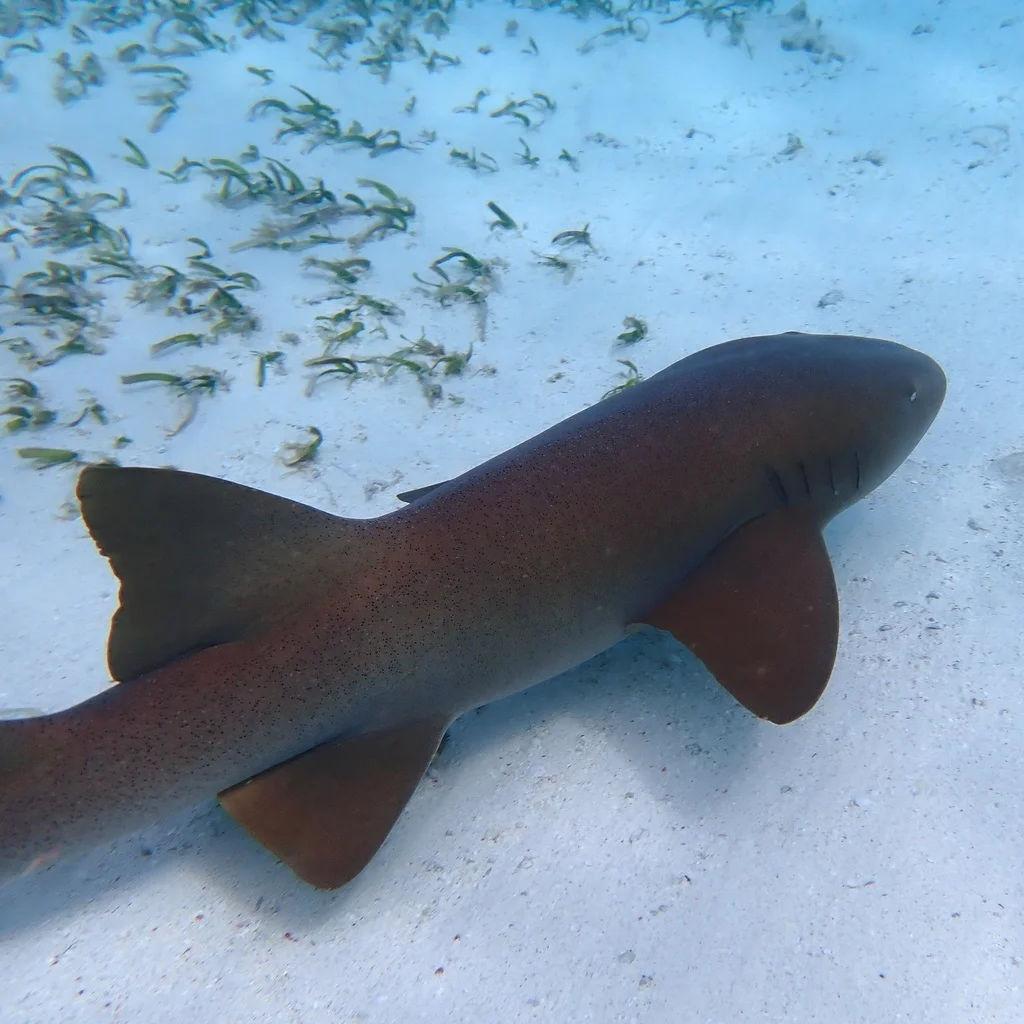
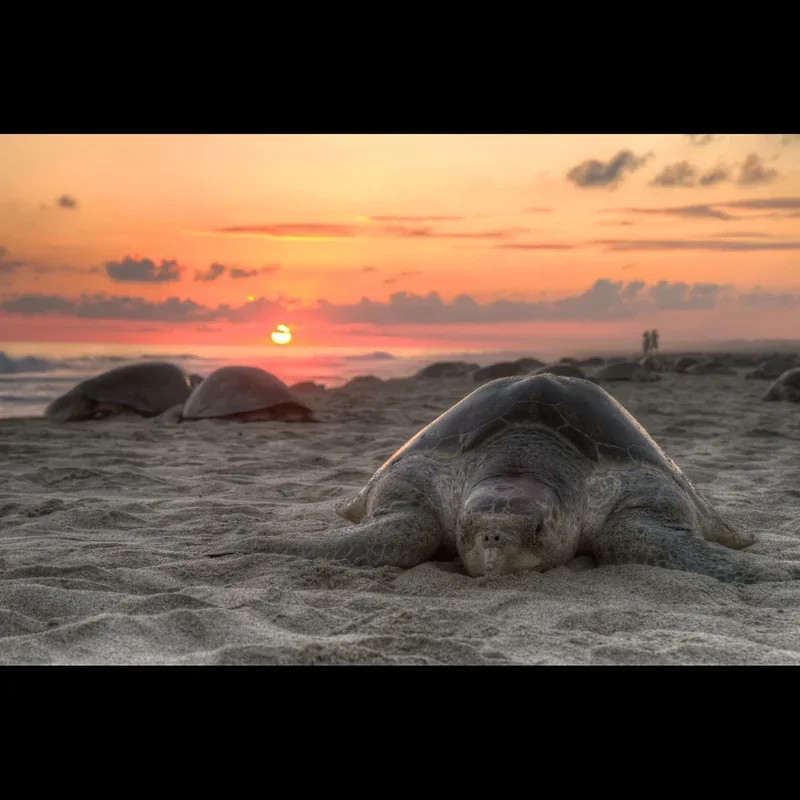
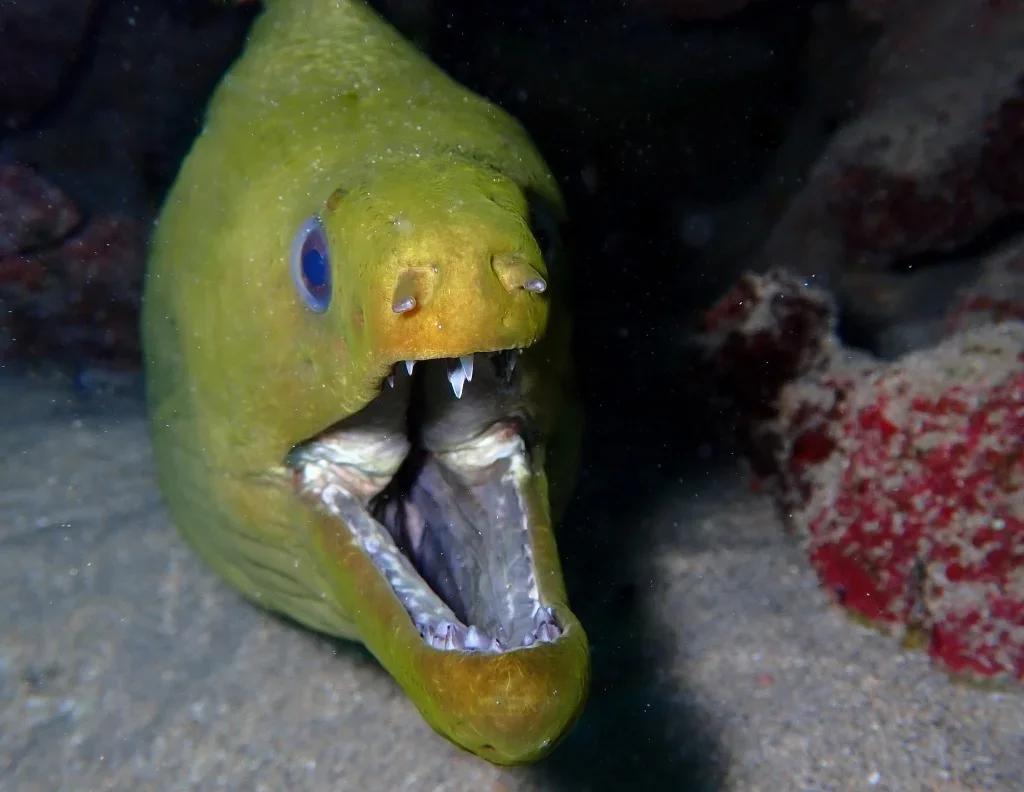
Many sites host nurse sharks, and encountering green moray eels is a common occurrence, particularly at locations like Davis Reef where they are found in multitudes. Sea turtles are also frequently observed navigating the reefscapes.
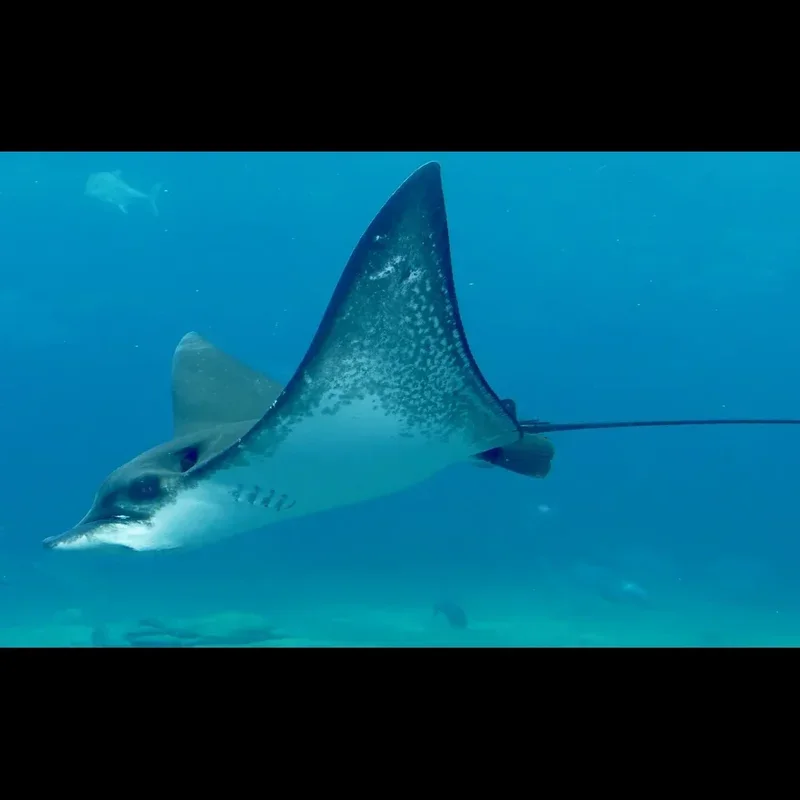
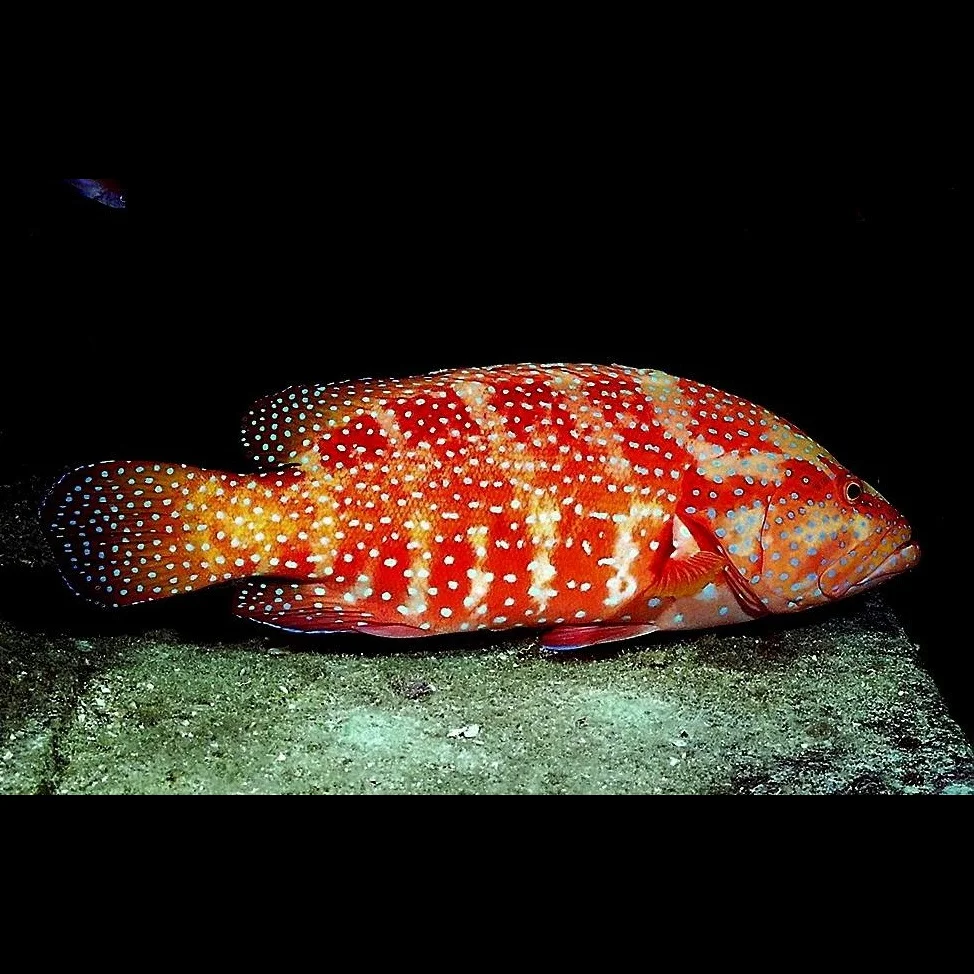
Deeper crevices and boulder formations provide excellent hiding habitats for larger fish such as grouper. Keep an eye out for eagle rays gliding gracefully, especially near sites like Cabrita, adding to the richness of the underwater experience.
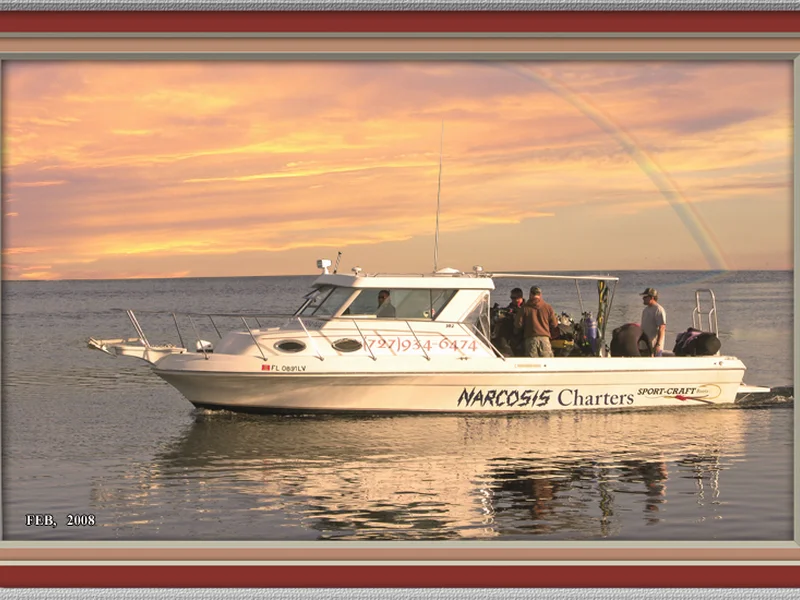
Dive Centers Near Pasco #2
Today: 11:00 - 19:00
Nearest Airports
Nearest airports to help plan travel to this dive area.
Search Flights
Check available flights and routes on Expedia, using the nearby airports listed in this section.
Search Flights on ExpediaFrequently Asked Questions
Are there dive sites suitable for beginners?
Yes, many shallow reef sites are perfect for beginners and snorkelers. Locations like Davey Crocker Reef and Eastern Sambo Reef offer depths typically from 1.2 to 9 meters (4 to 30 feet) with abundant marine life, providing an accessible introduction to diving.
Can I do night dives in this area?
Yes, night diving is possible and highly recommended at certain locations, such as Davis Reef. These sites are known for showcasing different marine life behaviors after sunset and are often suitable for new divers.
What kind of wrecks can be dived?
The region features various wrecks, ranging from smaller vessels like the Cartanza, broken into pieces and found in shallower water, to large artificial reefs like the USS Spiegel Grove and USS Vandenberg, which are deeper and suited for advanced divers.
Are there any special regulations to be aware of?
Many dive sites are within marine sanctuaries or ecological reserves, like the Western Sambo Ecological Reserve. These areas strictly prohibit fishing, spearfishing, and any "taking" of marine life or coral, so divers must adhere to "no-take" policies.
How are the currents usually at these sites?
Currents vary significantly by site and daily conditions. Some areas feature mild currents, while others, particularly open reef sections or specific cuts, can experience mild to strong currents. Sites like Cannonball Cut are specifically noted for drift diving opportunities.
Is there anything unusual to see underwater?
Indeed! Davis Reef features a unique Buddha statue placed years ago, which has become a recognizable landmark. Other sites present distinct geological features like volcanic boulder rings and unique coral gardens.
What kind of coral formations can I expect?
You'll find a variety of coral formations, including extensive fields of spur-and-groove coral, gorgonians, sponges, and sea fans. Sites like Coral Bowl are notable for their natural, sand-filled bowls within volcanic boulders, covered in dense coral life.
Planning to dive Pasco #2?
Send one inquiry and receive offers directly from the best verified local dive operators.
Conditions are Good
07:00 - 14:00
Optimal conditions expected
Current conditions near Pasco #2 show 28° air, 31° sea temperature, 0.4 m waves, and 21 km/h wind. Forecast data is refreshed regularly to ensure accuracy.