
Diving at Pocahontas (AR-386) (United States)
Pocahontas (AR-386) attracts a diverse array of marine life, making it a vibrant subject for underwater exploration. This artificial reef, once a Transport Steamer, provides essential habitat for various species. Divers can anticipate encountering a mix of fish, corals, and potentially larger pelagic visitors drawn to its structure. It's a key location for observing the ecosystem supported by North Carolina's artificial reef program.
Midday environmental data at Pocahontas (AR-386) reports an ambient temperature of 27°C. Surface tracking indicates wave heights of approximately 0.7 m. This summarizes the present water and weather conditions.
Dive Site Location & Key Facts
Dive Site Overview
Exploring the Pocahontas (AR-386) transports divers to an engaging artificial reef site off the coast of North Carolina, specifically within the Cape Fear region. This site, initially a Transport Steamer sunk in January 1862, became part of the extensive artificial reef system developed by the North Carolina Division of Marine Fisheries.
As AR-386, it functions as an underwater structure designed to promote marine biodiversity and offer recreational opportunities like diving and fishing. Artificial reefs in this program often incorporate a mix of materials, ranging from concrete pipe and reef balls to intentionally sunk vessels. A piece of maritime history, the 'Pocahontas' itself contributes to this underwater landscape.
Recreational diving is possible to approximately 30 m (100 ft). The steamer's reported original depth was 58 ft, appealing to divers seeking substantial wreck formations.
These structures enhance the overall diving experience by serving as crucial gathering points for marine organisms.
Conditions are Good
Optimal conditions expected
Current conditions near Pocahontas (AR-386) show 27° air, 28° sea temperature, 0.6 m waves, and 24 km/h wind. Forecast data is refreshed regularly to ensure accuracy.
Best Time to Dive
Diving Pocahontas (AR-386) is best from May to October, when conditions are most favorable. During these months, summer water temperatures can range from 24–29°C (75–84°F), providing a comfortable environment. In contrast, winter months see water temperatures drop significantly to 10–15°C (50–59°F). Air temperatures during the preferred diving period are notably warmer, averaging 21.5°C (71°F) in May and 21°C (70°F) in October. Such temperatures contrast sharply with cooler winter air, averaging around 10°C (50°F) in January. Rain levels vary, with May seeing higher rainfall at about 4.9 mm, while October averages a drier 2.4 mm. Planning a dive in the warmer period allows for extended bottom times with less thermal stress.
PEAK SEASON SCORE
Scores combine air & water temps, waves, wind & rainfall for overall conditions.
BEST MONTHS TO DIVE
Monthly records compiled from satellite and marine observation nodes over the last 3 years. Data provided by Open-Meteo and MET Norway.
Dive Experience & Conditions
Descending upon Pocahontas (AR-386) reveals a dynamic underwater environment shaped by both natural forces and the artificial reef structures. Visibility here typically ranges from 10.0–20.0 m (33–66 ft), offering clear views of the site's features on good days. Divers will experience mild currents, which generally allow for comfortable navigation around the wreck. Expect a moderate surge, however, especially closer to the surface or during specific tidal conditions. Bottom composition consists of sand and rock, interspersed with artificial reef materials, which include the remains of the Transport Steamer. These structures provide vital shelter and foraging grounds, making for an engaging dive as you explore the nooks and crannies of the site. It’s an immersive experience for those comfortable with varied conditions.
Dive Difficulty & Safety Guidelines
Approaching Pocahontas (AR-386) as an intermediate-level dive requires adherence to specific safety protocols to navigate its challenges effectively. A recommended certification for this site is Intermediate, aligning with its maximum recreational depth of 30 m (100 ft). Divers should always operate within their training and experience limits when exploring artificial reefs.
While no specific hazards are consistently reported for Pocahontas (AR-386), general artificial reef safety dictates vigilance for potential entanglement, sharp edges, and unexpected structural changes. Always verify current conditions with local operators before diving.
Additionally, conduct thorough equipment checks and plan your dive profiles meticulously to ensure a safe and enjoyable exploration of this historical site.
Recommended Equipment
- Dive Computer
This gear list is based on verified equipment signals for Pocahontas (AR-386), United States. Always confirm final gear choices with your dive operator, guide, or liveaboard.
Recommended Dive Suit
According to recent observations, water temperatures near Pocahontas (AR-386) are approximately 28°C (82°F). Surface air temperatures are resting at 27°C (80°F).
Conditions are expected to stay fairly consistent in the days ahead.
Most divers would typically feel comfortable using 2-3mm shorty or light wetsuit in these conditions. Dive depth and duration can significantly affect perceived warmth.
Due to technical issues with our weather providers, live updates are temporarily delayed. The data above reflects the conditions at the time of the last successful fetch.
Emergency & Medical Support
Essential information to help you plan your dive trip to Pocahontas (AR-386).

Hyperbaric chambers are a critical part of dive safety infrastructure. Availability varies significantly by region, and not all dive areas have immediate access.
Before diving, it's recommended to:
- confirm nearest medical facilities
- check emergency procedures with local dive operators
- ensure dive insurance covers evacuation if required
Divers Alert Network
Diving emergency assistance available through DAN World.
+1-919-684-9111- 24/7 emergency hotline
- Diving medical assistance
- Evacuation coordination
Emergency contacts are provided for reference. Always verify local emergency services before diving.
Marine Life at Pocahontas (AR-386)
Artificial structures of Pocahontas (AR-386) are magnets for a diverse range of marine organisms. Divers commonly observe various fish species congregating around the wreck and reef balls.
Hard and soft corals have begun to colonize the surfaces, adding splashes of color and further complexity to the habitat. Expect to see smaller reef inhabitants actively going about their day.
Occasionally, larger pelagic species may cruise by, drawn to the abundance of food and shelter the reef provides. These structures significantly enhance the site's biodiversity, creating an active and visually rewarding dive for those keen on marine observation.
Dive Centers Near Pocahontas (AR-386)
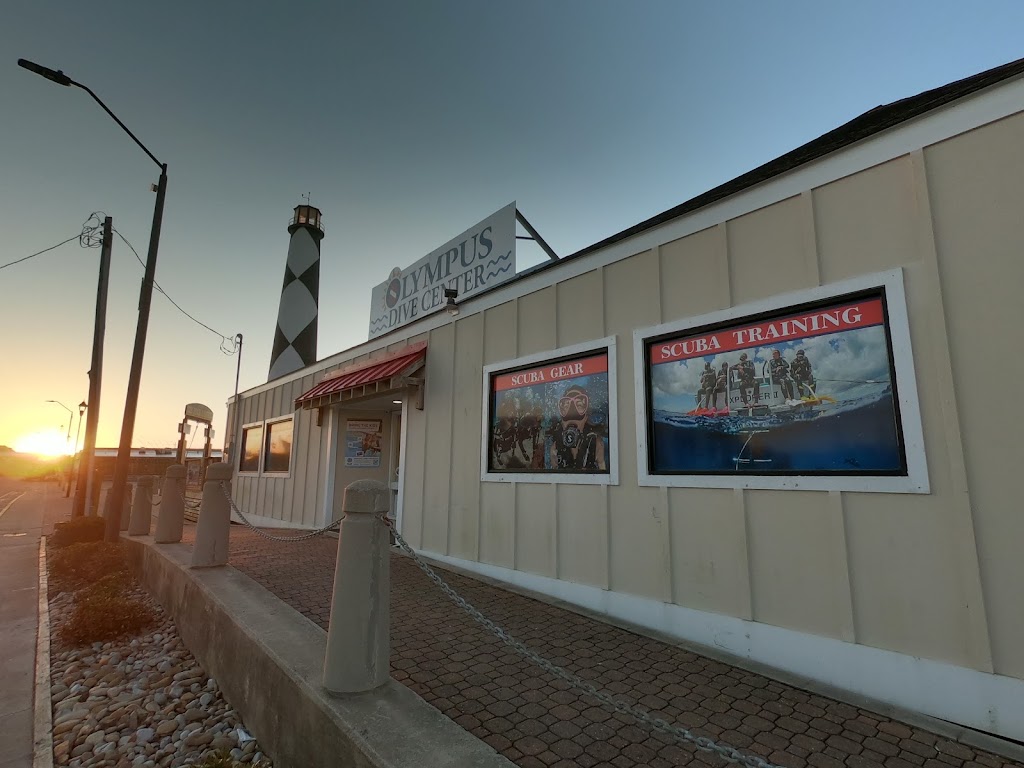
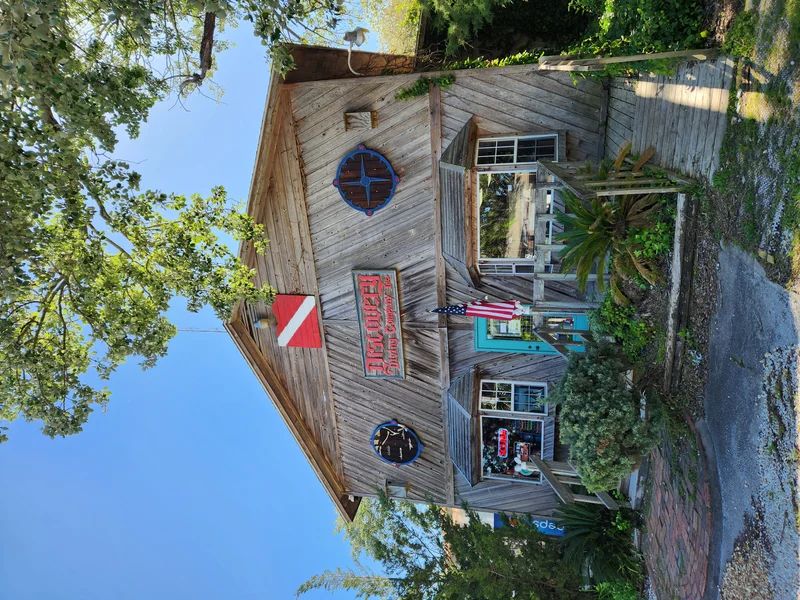
Nearest Airports
Nearest airports to help plan travel to this dive area.
Search Flights
Check available flights and routes on Expedia, using the nearby airports listed in this section.
Search Flights on ExpediaFrequently Asked Questions
What is Pocahontas (AR-386)?
Pocahontas (AR-386) is an artificial reef located off the coast of North Carolina, specifically in the Cape Fear region. It was originally a Transport Steamer sunk in 1862 and now forms part of the state's artificial reef program, providing habitat for marine life.
What is the maximum depth for diving at AR-386?
Pocahontas (AR-386) allows recreational diving to approximately 30 m (100 ft). Its original steamer sat at 58 ft, with later artificial reef components extending the structures deeper.
What are the typical water conditions at Pocahontas (AR-386)?
Water temperatures range from 24–29°C (75–84°F) in summer and 10–15°C (50–59°F) in winter. Visibility typically falls between 10.0–20.0 m (33–66 ft), with mild currents and moderate surge.
When is the best time to dive Pocahontas?
May to October generally offer the best months for diving Pocahontas (AR-386). This period provides warmer water and air temperatures, creating a more comfortable dive experience.
What kind of marine life can I expect to see at AR-386?
Divers can expect to encounter a variety of marine species, including numerous fish, various corals colonizing the reef, and potentially larger pelagic species. Artificial structures serve as a significant draw for underwater inhabitants.
Are permits required to dive this site?
No specific permits are typically required to dive Pocahontas (AR-386). However, divers should always confirm local regulations with dive operators or authorities prior to their visit.
What is the recommended certification level for Pocahontas (AR-386)?
Pocahontas (AR-386) is classified as an intermediate difficulty dive. An Intermediate certification level is recommended to safely and competently explore the site's depths and conditions.
Planning to dive Pocahontas (AR-386)?
Send one inquiry and receive offers directly from the best verified local dive operators.
Conditions are Good
Optimal conditions expected
Current conditions near Pocahontas (AR-386) show 27° air, 28° sea temperature, 0.6 m waves, and 24 km/h wind. Forecast data is refreshed regularly to ensure accuracy.