
Diving at Red Hill (United States)
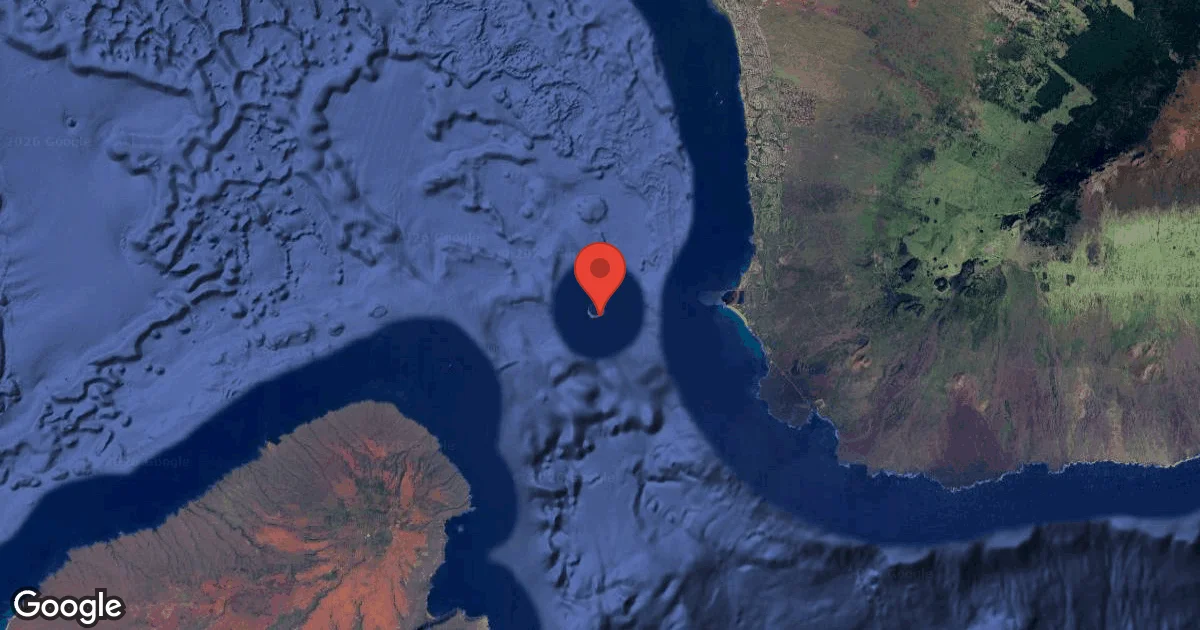
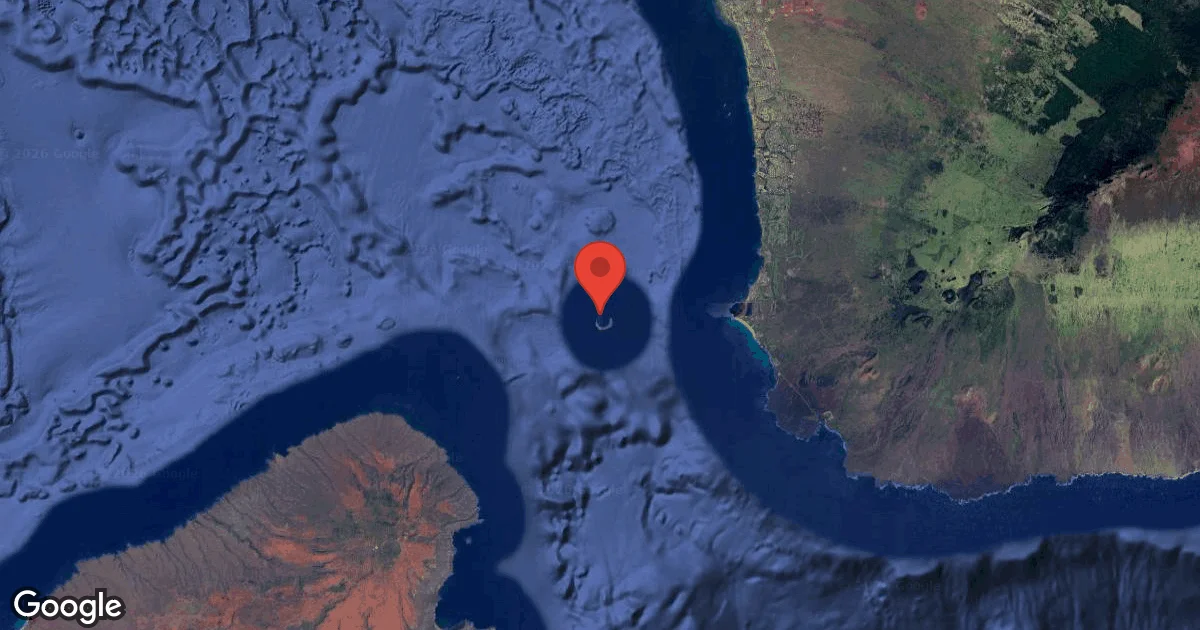
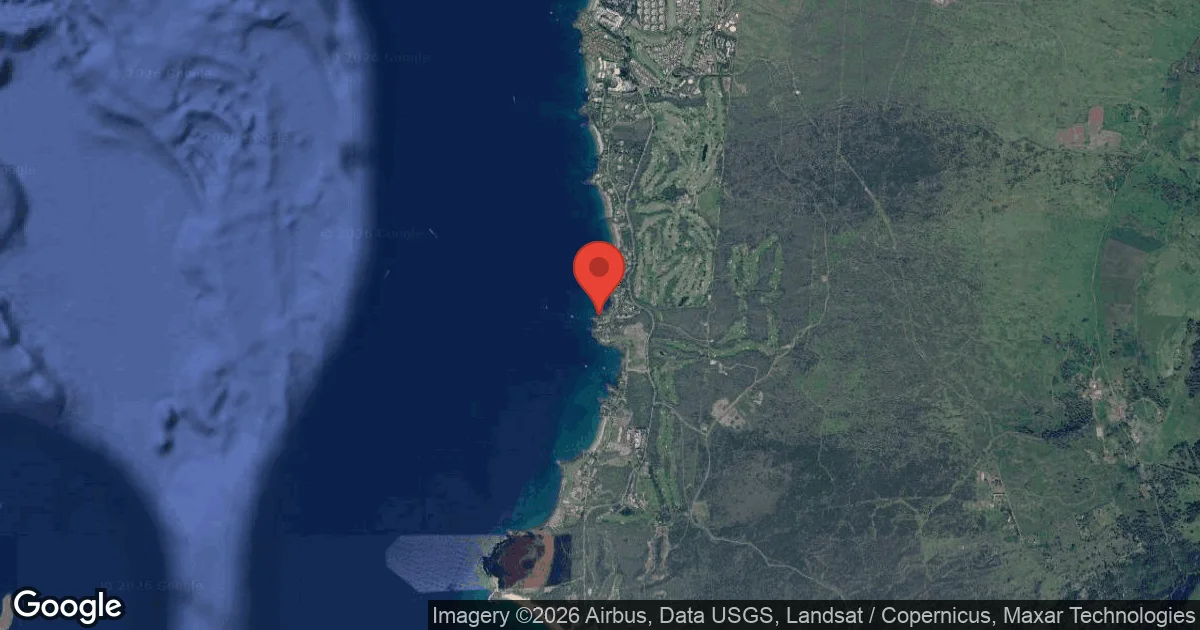
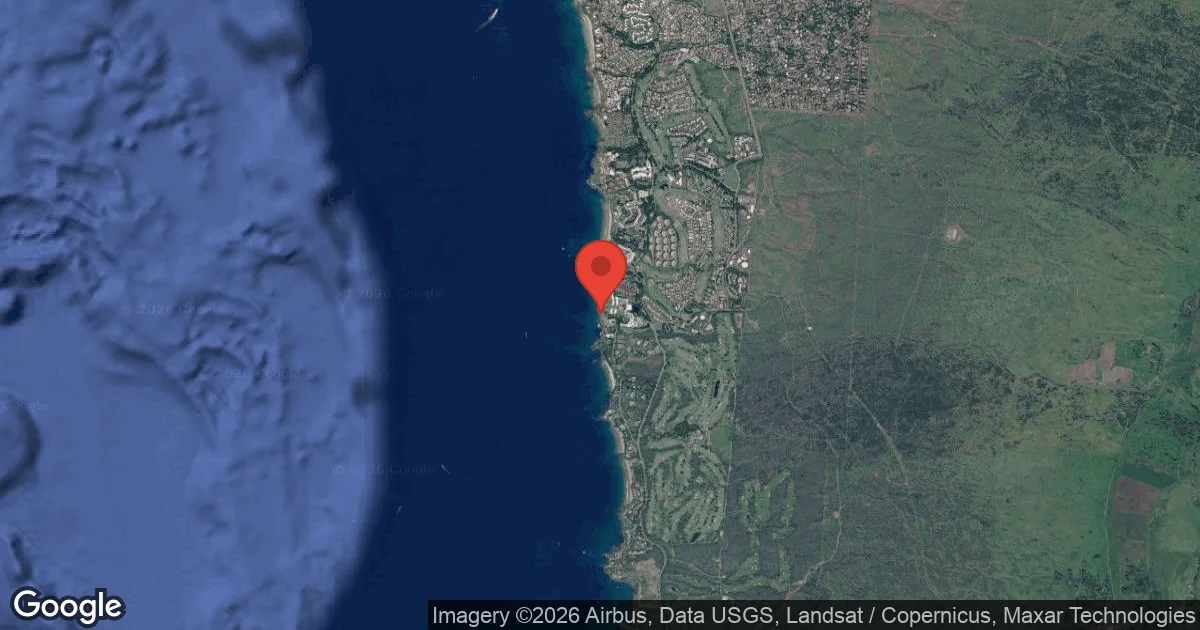
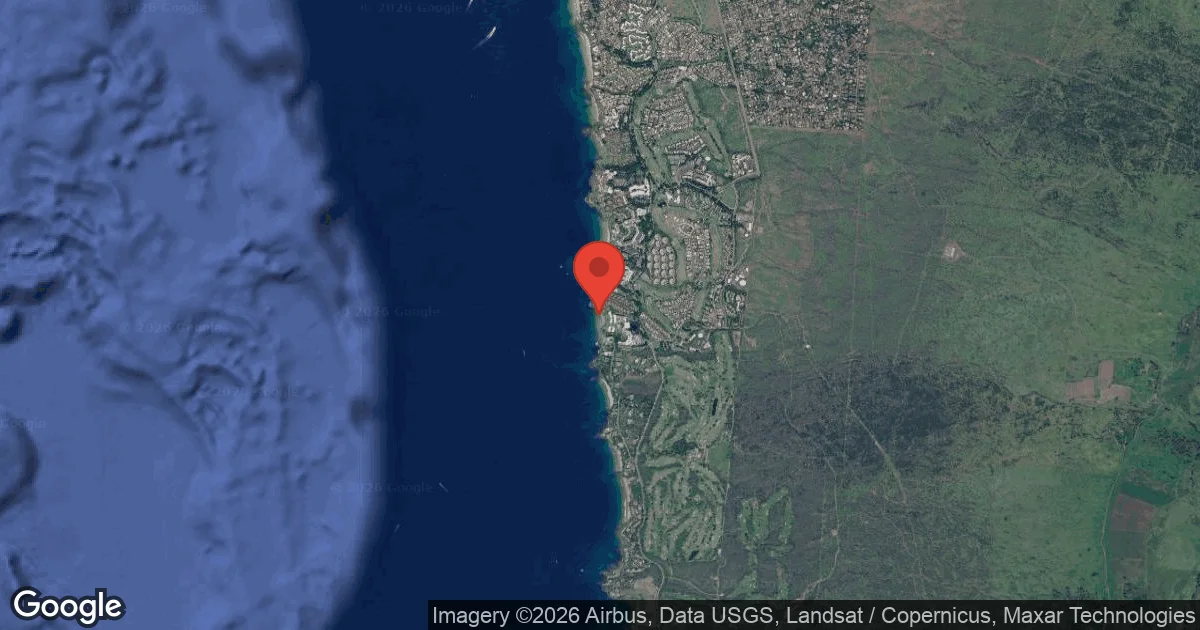
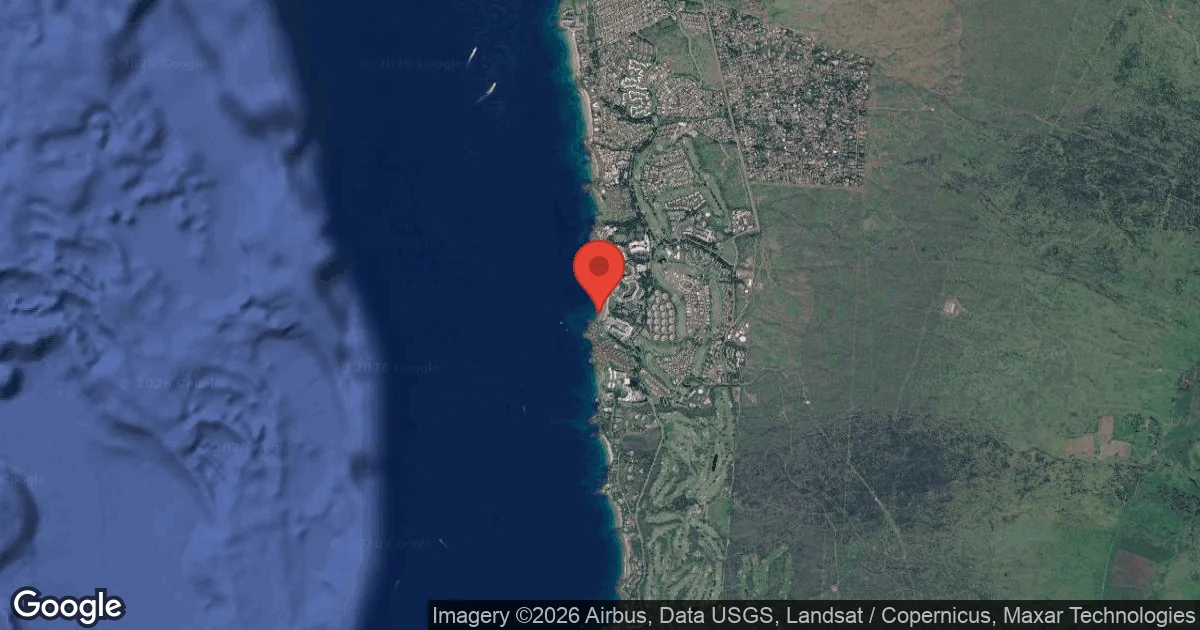
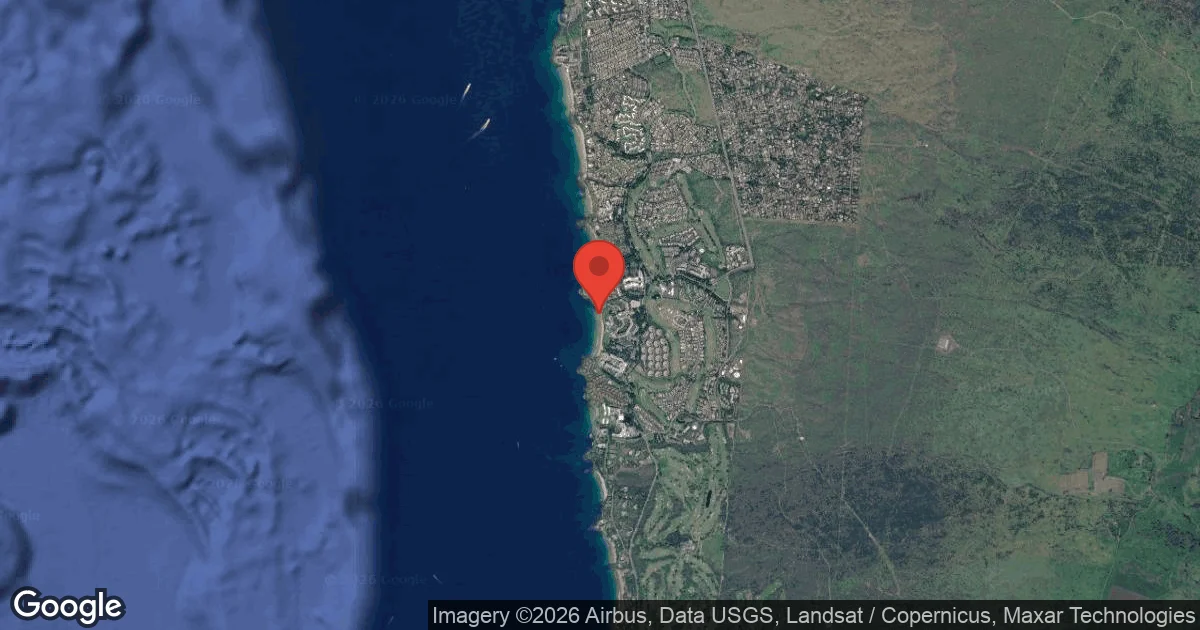
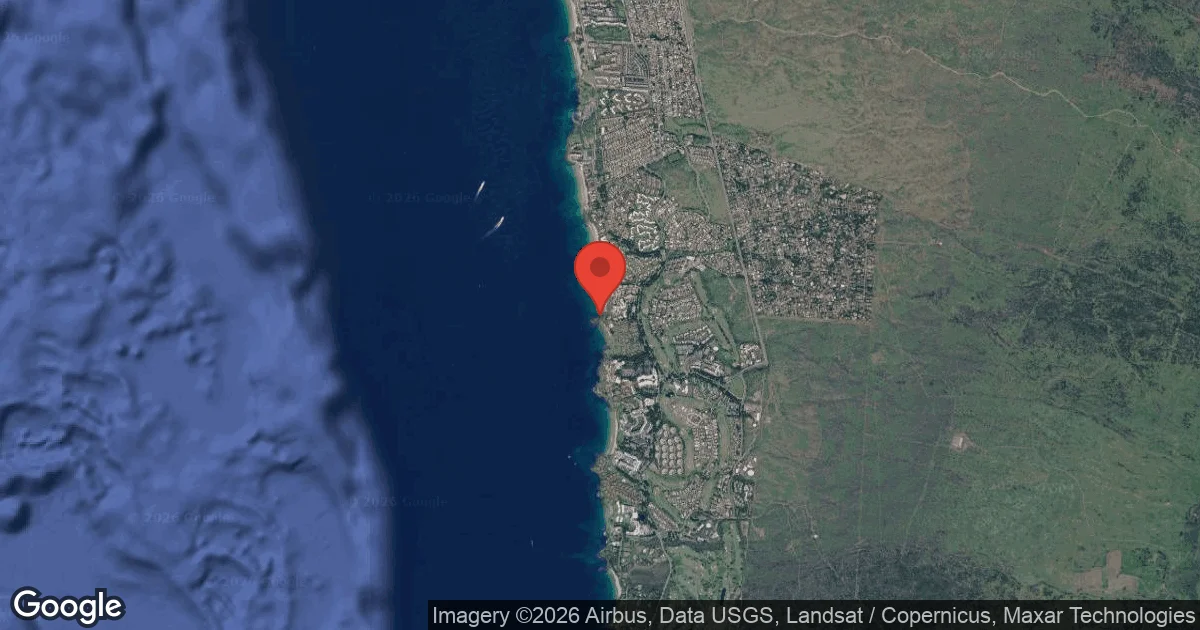
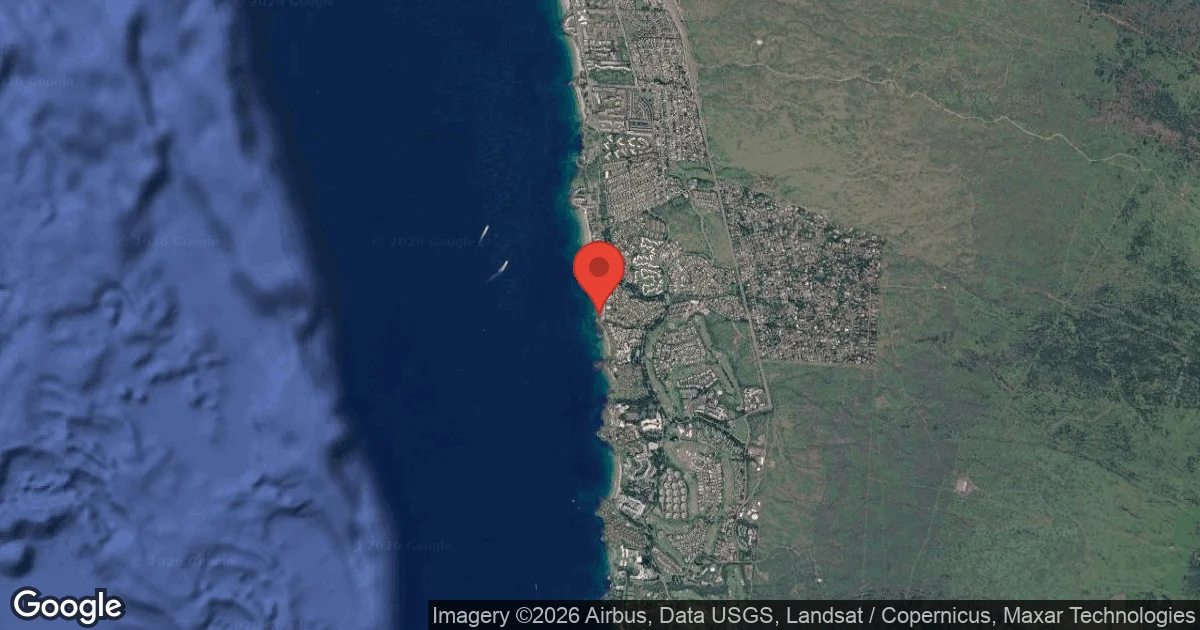
Red Hill, also known as Puʻu ʻŌlaʻi, is a dive site off the Makena Coast of Maui, Hawaii, near Big Beach, Little Beach, and the red cinder cone that marks this part of the shoreline. The dive is usually done as a shallow drift along coral gardens, lava fingers, ledges, and reef structure at around 11–15 m / 35–50 ft.
This is a scenic Maui reef dive, and you can expect colorful coral cover, reef fish, eels, nudibranchs, occasional turtles or rays, and possible fishing line or hooks around the reef due to local shoreline and boat fishing activity.
Tonight's objective overview for Red Hill shows an air temperature of 29°C. The measured surface conditions include wave heights around 1 m. This environmental data is logged for the close of the day.
Dive Site Location & Key Facts
Dive Site Overview
Red Hill / Puʻu ʻŌlaʻi sits at the base of the volcanic cinder cone in Makena State Park, between Big Beach, Little Beach, and Oneʻuli Beach. The underwater landscape follows the same volcanic character as the shoreline, with lava fingers, ledges, archways, reef pockets, and swim-through-style structure shaping the dive.
Most dives here stay in the 11–15 m / 35–50 ft range, which allows longer bottom times and relaxed exploration when conditions are cooperative. The site is often done as a drift dive, with divers moving along the Makena Coast and finishing closer to Big Beach, but it can also be approached more conservatively from a mooring depending on operator setup and ocean conditions.
Red Hill is especially useful for divers who want a Maui reef dive with more topographic character than a simple coral garden. Look for lava structure, coral cover, reef fish, eels, nudibranchs, and passing larger animals on the slightly deeper side of Puʻu ʻŌlaʻi.
Conditions are Poor
High Wind Advisory (50km/h). Unsafe surface.
Current conditions near Red Hill show 29° air, 28° sea temperature, 1.6 m waves, and 50 km/h wind. Forecast data is refreshed regularly to ensure accuracy.
Best Time to Dive
Red Hill can be dived through much of the year, but the best windows are days with manageable swell, light-to-moderate current, and reliable boat access along the Makena Coast. Our monthly scoring shows stable conditions across the year, with every month rated Good, so the decision should be based more on local sea state than on a single “best month.” Historical climate data for Red Hill shows comfortable air temperatures year-round, usually around 22–25°C / 72–77°F. The warmest period is typically July to October, when average air temperatures sit around 25°C / 77°F, while January and February are only slightly cooler at around 22–23°C / 72–73°F. Surface conditions are generally moderate, with average maximum wave heights around 1.1–1.4 m / 3.6–4.6 ft and average wind speeds around 11–14 km/h / 7–9 mph. Rainfall is usually low, ranging from about 1.7 mm in July to 6.8 mm in January, which supports year-round boat-diving potential when swell and current are favorable. Because Red Hill, Puʻu ʻŌlaʻi is often run as a shallow drift dive, daily conditions matter more than seasonal averages. On calm days, the dive site profile allows longer bottom times. On rougher days, stronger wind, swell, or pickup logistics can make the site less suitable even if the monthly average looks good.
PEAK SEASON SCORE
Scores combine air & water temps, waves, wind & rainfall for overall conditions.
BEST MONTHS TO DIVE
Monthly records compiled from satellite and marine observation nodes over the last 3 years. Data provided by Open-Meteo and MET Norway.
Dive Experience & Conditions
Red Hill is usually experienced as a shallow drift dive along the Makena Coast. The route often starts near the volcanic shoreline and follows coral gardens, lava fingers, ledges, and reef pockets, with the current carrying divers along the reef when conditions line up. The shallower Coral Gardens area has strong coral cover and plenty of reef structure, while the Puʻu ʻŌlaʻi side can feel slightly deeper and more exposed, with a little more current and a better chance of seeing larger animals. Good buoyancy matters because many of the best sightings are tucked into small ledges, crevices, and coral pockets. This is not a demanding deep dive, but it is still a boat drift dive. Divers should be comfortable staying with the group, managing buoyancy without touching coral, and surfacing with clear boat communication.
Dive Difficulty & Safety Guidelines
Although the depth range is generally recreational, the drift profile means divers should be comfortable in moving water. Current can be mild to moderate, and the dive plan depends heavily on boat positioning, group control, and pickup conditions.
A DSMB is strongly recommended, especially if the group separates or surfaces away from the boat. Divers should also carry a cutting tool, or confirm that someone in the group has one, because fishing line, hooks, and weights are commonly reported around the reef and shoreline fishing areas.
Swim-throughs, archways, and tight reef features should only be entered when conditions, training, and the guide briefing support it. Stay streamlined, watch for fishing debris around coral heads, and keep a conservative profile even though the site is relatively shallow.
Recommended Equipment
Current and surface separation risk. Local briefing strongly recommended.
- Dive Computer
- DSMB
- Reel / Spool
This gear list is based on verified equipment signals for Red Hill, United States. Always confirm final gear choices with your dive operator, guide, or liveaboard.
Recommended Dive Suit
According to recent observations, water temperatures near Red Hill are approximately 28°C (83°F). Surface air temperatures are resting at 29°C (85°F).
A modest cooling trend is expected in the upcoming forecast. Cooler days are ahead; you might want a warmer option for later in the week. A neoprene vest or hood can add flexibility if temperatures feel cooler underwater.
Divers who prefer moderate insulation typically choose 2-3mm shorty or light wetsuit in similar environments. Consider warmer surface protection (like a boat coat) due to brisk winds. Many experienced divers adjust their exposure protection depending on the type of dive planned. Stronger winds may also make surface intervals feel cooler than usual.
Due to technical issues with our weather providers, data hasn't been fetched for over 48 hours. The data above reflects the conditions at the time of the last successful fetch.
Emergency & Medical Support
Essential information to help you plan your dive trip to Red Hill.

Hyperbaric chambers are a critical part of dive safety infrastructure. Availability varies significantly by region, and not all dive areas have immediate access.
Before diving, it's recommended to:
- confirm nearest medical facilities
- check emergency procedures with local dive operators
- ensure dive insurance covers evacuation if required
Divers Alert Network
Diving emergency assistance available through DAN World.
+1-919-684-9111- 24/7 emergency hotline
- Diving medical assistance
- Evacuation coordination
Emergency contacts are provided for reference. Always verify local emergency services before diving.
Marine Life at Red Hill
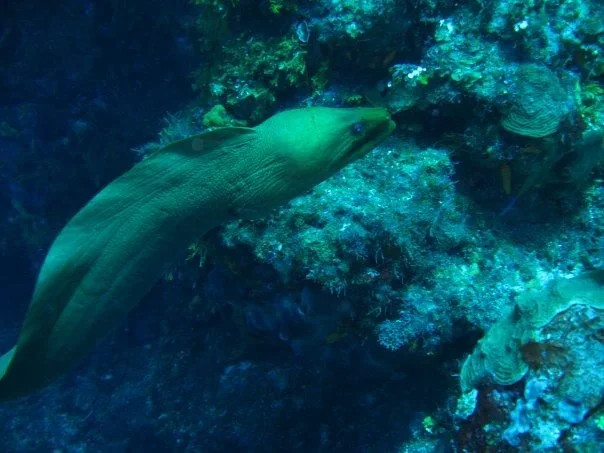
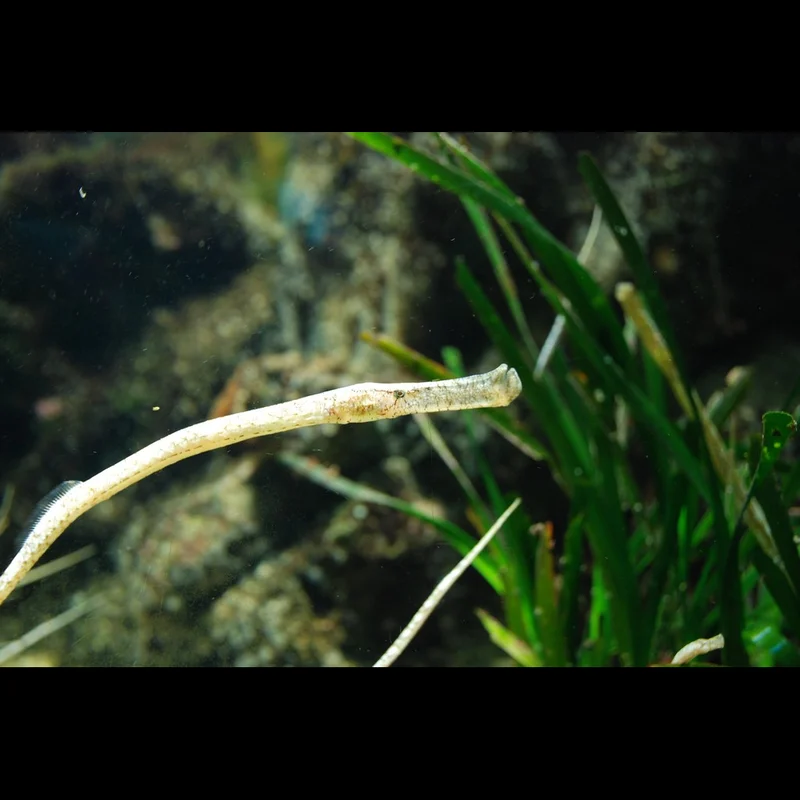
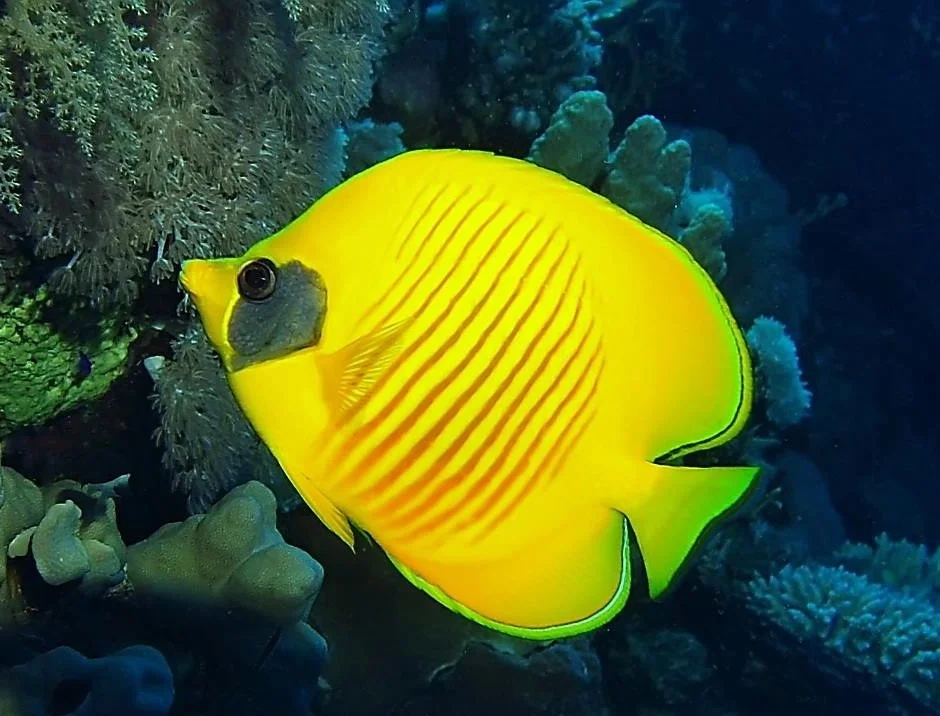
Red Hill has classic Maui reef life, with coral gardens, ledges, lava structure, and reef pockets supporting a strong mix of tropical fish and smaller animals. Divers may see pufferfish, trumpetfish, butterflyfish, angelfish, goatfish, schools of reef fish, and moray eels hiding in crevices.
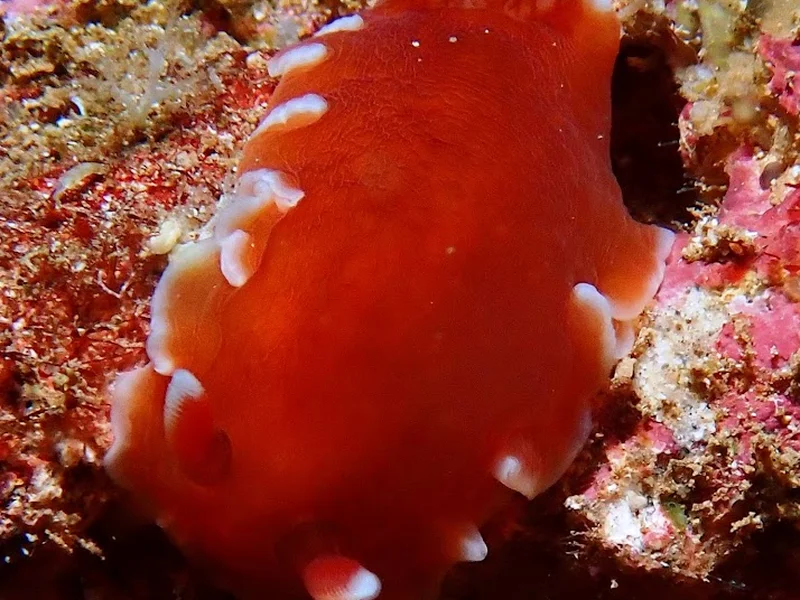
The site is also known for more interesting eel sightings, including reported dragon moray and Henshaw eel encounters. Macro-focused divers should watch the reef carefully for frogfish and nudibranchs, including larger gloomy nudibranchs when conditions and luck line up.
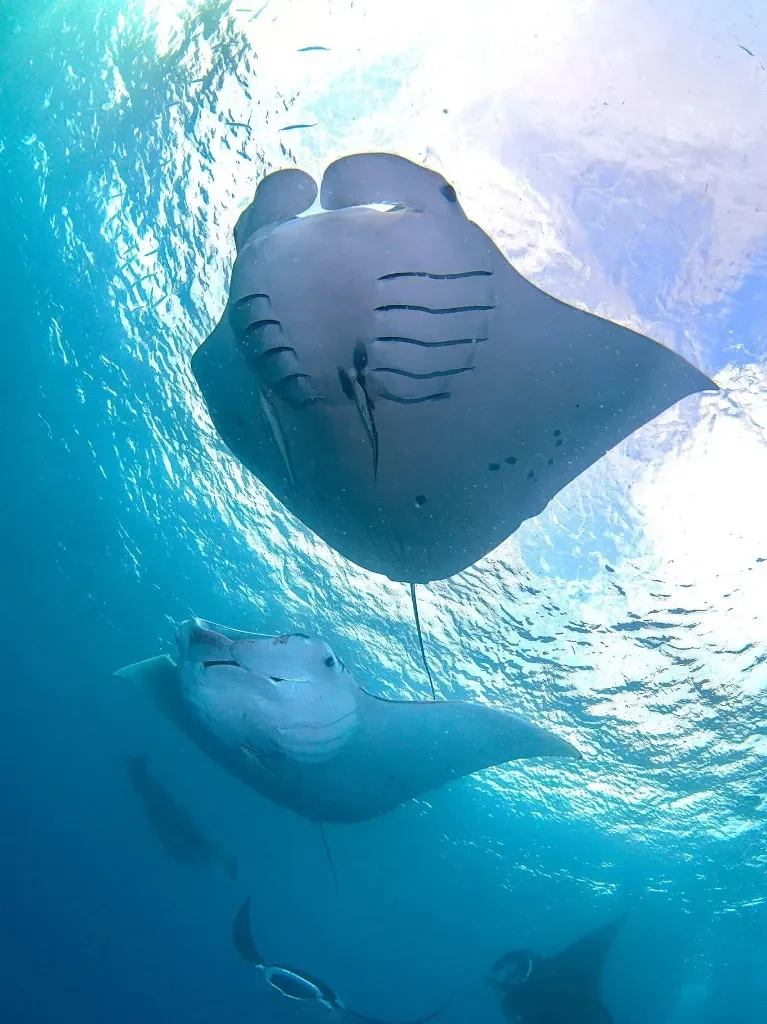
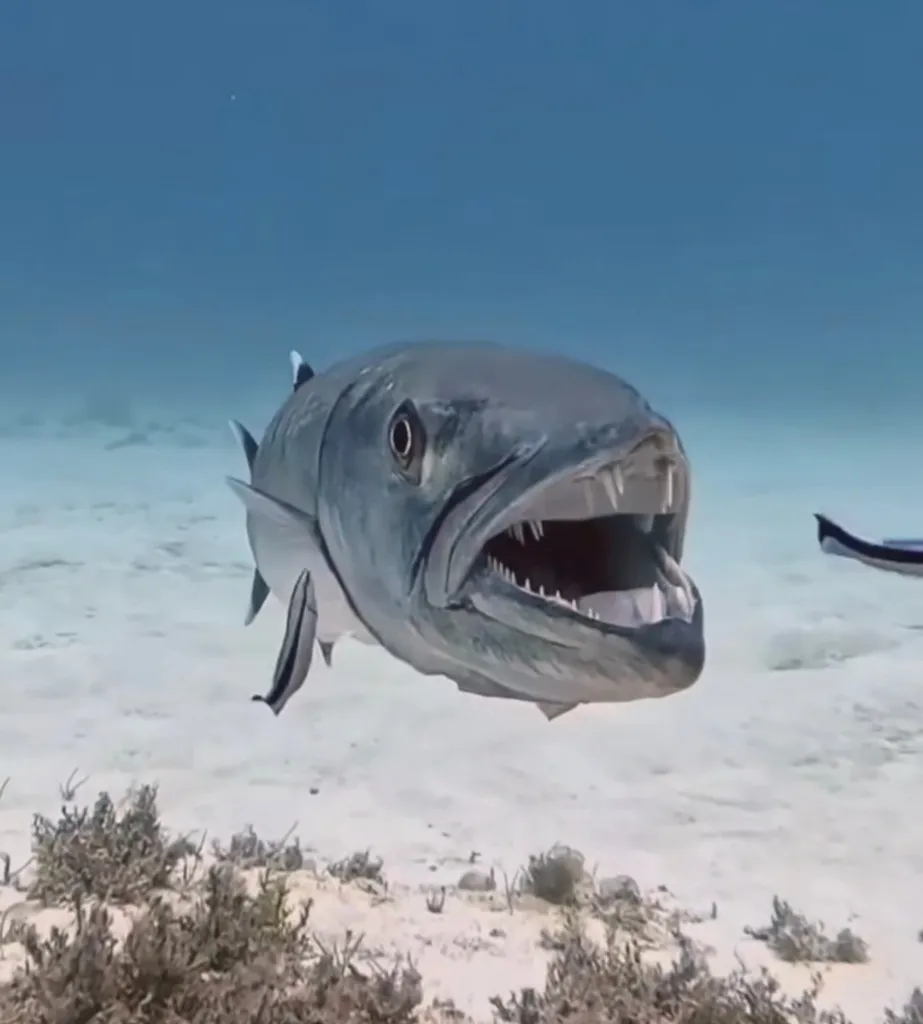
Larger animals are possible on the slightly deeper or more exposed side of Puʻu ʻŌlaʻi. Divers may encounter green sea turtles, rays, barracuda, and occasional whitetip reef sharks, but these should be treated as possible sightings rather than guaranteed highlights.
Dive Sites Near Red Hill
View all dive sites in United StatesDiscover more underwater gems in this area.
Dive Centers Near Red Hill

Today: 07:30 - 19:00
Nearest Airports
Nearest airports to help plan travel to this dive area.
Search Flights
Check available flights and routes on Expedia, using the nearby airports listed in this section.
Search Flights on Expedia
Plan Your Stay
Looking for a place to stay for your dive trip? Explore hotels, stays, and vacation rentals for dive groups near Wailea-Makena.
Dive Navigator may earn a commission from these links at no extra cost to you.
Frequently Asked Questions
What type of dive is Red Hill?
Red Hill / Puʻu ʻŌlaʻi is mainly a boat-accessed shallow drift dive along the Makena Coast of Maui. The dive follows coral gardens, lava fingers, ledges, reef pockets, and volcanic structure near the base of the Puʻu ʻŌlaʻi cinder cone.
What is the maximum depth at Red Hill?
The pinnacle at Red Hill descends to a maximum depth of approximately 15 m (50 ft). It’s considered a recreational depth dive, suitable for varied experience levels.
What kind of marine life can I expect to see?
Divers may see pufferfish, trumpetfish, butterflyfish, angelfish, goatfish, moray eels, nudibranchs, and occasionally frogfish. Red Hill is also associated with rarer eel sightings such as dragon moray and Henshaw eel, while turtles, rays, barracuda, and whitetip reef sharks are possible but not guaranteed.
Is Red Hill suitable for beginner divers?
Red Hill can work for newer certified divers when conditions are calm and the dive is run from a mooring or with close guide control. As a drift dive, however, it is better for divers who are already comfortable with buoyancy, group positioning, and boat pickup procedures.
What training is recommended for diving at Red Hill?
Open Water certification may be enough in easy conditions with a local guide, but Advanced Open Water and drift-diving experience are useful. Divers should be comfortable deploying or following a DSMB plan, maintaining neutral buoyancy over coral, and staying with the group in mild to moderate current.
What equipment is essential for this dive site?
Essential equipment includes a dive computer, DSMB, and streamlined gear. A cutting tool is also useful because fishing line, hooks, and weights are commonly reported around the reef. Final gear should follow the local boat operator’s briefing.
Are there strong currents at Red Hill?
Currents at Red Hill can vary from mild to moderate. The site is often enjoyed as a drift dive, so divers should expect some water movement and follow the guide’s route, spacing, and pickup instructions.
Planning to dive Red Hill?
Send one inquiry and receive offers directly from the best verified local dive operators.
Conditions are Poor
High Wind Advisory (50km/h). Unsafe surface.
Current conditions near Red Hill show 29° air, 28° sea temperature, 1.6 m waves, and 50 km/h wind. Forecast data is refreshed regularly to ensure accuracy.