
Diving at Molokini Back Wall (United States)
Molokini Back Wall plunges dramatically into the Pacific, offering a stark contrast to the crater's calmer inner reef. This is a dive for those seeking the thrill of a deep blue abyss and the potential for pelagic encounters. It represents a significant step up from shallower Hawaiian dives, demanding precise buoyancy and an awareness of the open ocean. Experienced divers often prioritize this site for its dynamic environment and expansive underwater vistas.
As evening covers Molokini Back Wall, the local air temperature is measured at 28°C. The current wave height at the surface is recorded at 1.5 m. These late-day readings characterize the surface conditions for the night.
Dive Site Location & Key Facts
Dive Site Overview
The Molokini Back Wall presents a formidable drop-off, a sheer volcanic face descending hundreds of feet into the ocean. This site is primarily a drift dive, where the current guides divers along the impressive vertical reef structure.
Divers typically begin deeper, often around 24-30 m (80-100 ft), gradually ascending to extend bottom time and explore various depths. The wall itself drops to depths exceeding 90 m (300 ft), necessitating excellent buoyancy control to manage descent rates and maintain depth awareness. Small crevices and openings along the wall serve as hiding spots for various marine life.
Looking out into the blue, the expansive ocean environment opens up possibilities for spotting larger, transient species. The experience is about surrendering to the current while actively observing the wall's intricate details and the vastness beyond.
This site contrasts sharply with the protected inner crater, appealing to divers who appreciate a more exposed and dynamic dive profile.
Conditions are Good
Optimal conditions expected
Current conditions near Molokini Back Wall show 28° air, 28° sea temperature, 1.7 m waves, and 19 km/h wind. Forecast data is refreshed regularly to ensure accuracy.
Best Time to Dive
While Molokini's inner crater is often calm, the Back Wall's exposure to open ocean conditions means optimal dive times can vary. Generally, the months from May through October tend to offer more favorable conditions, characterized by slightly lower wave heights averaging around 1.1-1.3 m (3.6-4.3 ft) and consistent air temperatures around 24-26°C (75-79°F). Conversely, the winter months, particularly January through March, can see increased wave activity, with averages closer to 1.3-1.4 m (4.3-4.6 ft), and slightly cooler air temperatures of 23-24°C (73-75°F). Rainfall is minimal year-round, making it less of a factor than wind and swell. Dive scores are consistently "Good" for most of the year, dipping to "Moderate" in March, suggesting that while diving is possible, conditions might be less predictable then. Early morning trips are often preferred to mitigate surface chop and stronger winds that tend to pick up later in the day, providing a smoother experience for entry and exit.
PEAK SEASON SCORE
Scores combine air & water temps, waves, wind & rainfall for overall conditions.
BEST MONTHS TO DIVE
Monthly records compiled from satellite and marine observation nodes over the last 3 years. Data provided by Open-Meteo and MET Norway.
Dive Experience & Conditions
A typical dive at Molokini Back Wall involves a relatively quick descent, often to depths around 24-30 m, requiring divers to be comfortable with rapid depth changes. Current can be a significant factor, propelling divers along the wall and creating a true drift diving experience. This necessitates excellent buoyancy control, as there's no mooring line for safety stops, requiring blue water stops. Visibility here is consistently reported to be exceptional, frequently exceeding 30 m, offering clear views of the wall and out into the open ocean. Water temperatures are not consistently reported in the system data, but typically range from 22-27°C (72-81°F) in Hawaiian waters. Divers should be prepared for varying levels of surge and chop at the surface, especially during entry and exit, which can be influenced by prevailing winds.
Dive Difficulty & Safety Guidelines
Strong currents are a primary consideration when diving the Molokini Back Wall. Divers must possess advanced skills, including excellent buoyancy control and the ability to maintain a safety stop in blue water without a line. This is not a site for inexperienced divers; a minimum of 40 logged dives and recent experience, ideally within the last six months and locally in Maui, are prerequisites for many operators.
Monitoring the dive guide and group is crucial, especially when currents are active. The dramatic drop-off to 90 meters demands careful depth management to avoid exceeding recreational limits.
Surface conditions can be choppy, impacting entry and exit procedures. Always complete a medical history form, as some conditions may require a physician's release prior to diving.
Recommended Equipment
Current and surface separation risk. Local briefing strongly recommended.
- Dive Computer
- DSMB
- Reel / Spool
This gear list is based on verified equipment signals for Molokini Back Wall, United States. Always confirm final gear choices with your dive operator, guide, or liveaboard.
Recommended Dive Suit
Surface temperatures may decrease slightly later in the week. Cooler days are ahead; you might want a warmer option for later in the week. Divers planning multiple dives may appreciate having a warmer option available.
Even in warm destinations, extended dives can gradually draw heat away from the body.
Exposure protection such as 2-3mm shorty or light wetsuit is commonly used when diving in waters of this temperature. The surrounding waters at Molokini Back Wall are currently registering temperatures of roughly 28°C (82°F). Surface air temperatures are resting at 28°C (82°F).
Emergency & Medical Support
Essential information to help you plan your dive trip to Molokini Back Wall.

Hyperbaric chambers are a critical part of dive safety infrastructure. Availability varies significantly by region, and not all dive areas have immediate access.
Before diving, it's recommended to:
- confirm nearest medical facilities
- check emergency procedures with local dive operators
- ensure dive insurance covers evacuation if required
Divers Alert Network
Diving emergency assistance available through DAN World.
+1-919-684-9111- 24/7 emergency hotline
- Diving medical assistance
- Evacuation coordination
Emergency contacts are provided for reference. Always verify local emergency services before diving.
Marine Life at Molokini Back Wall
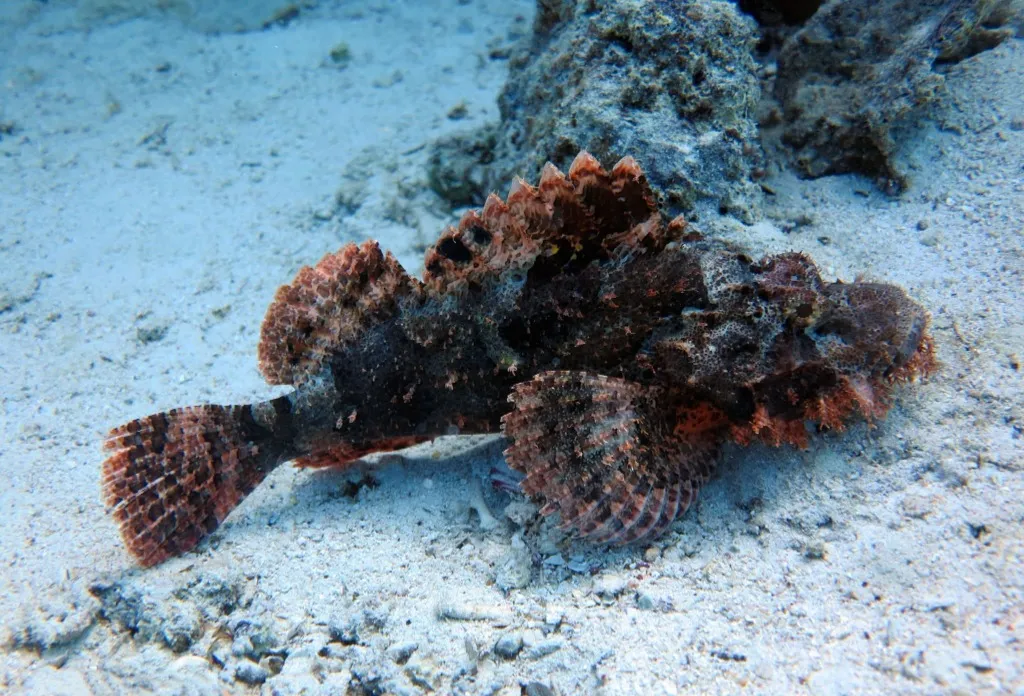
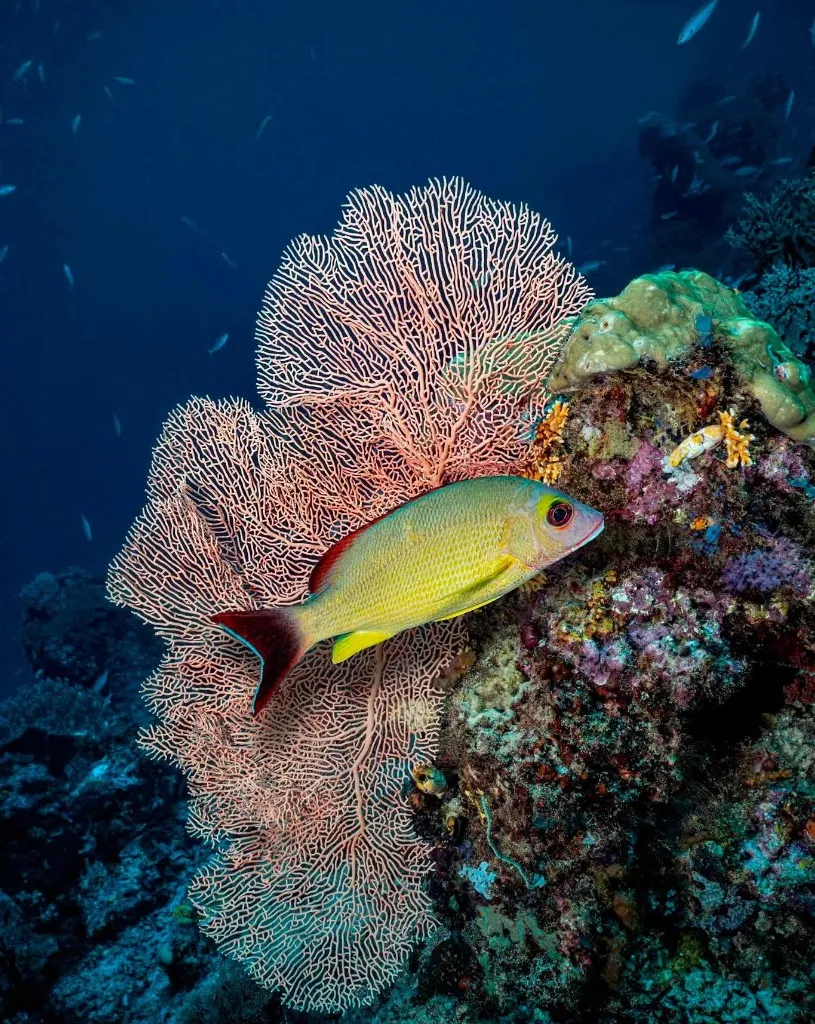
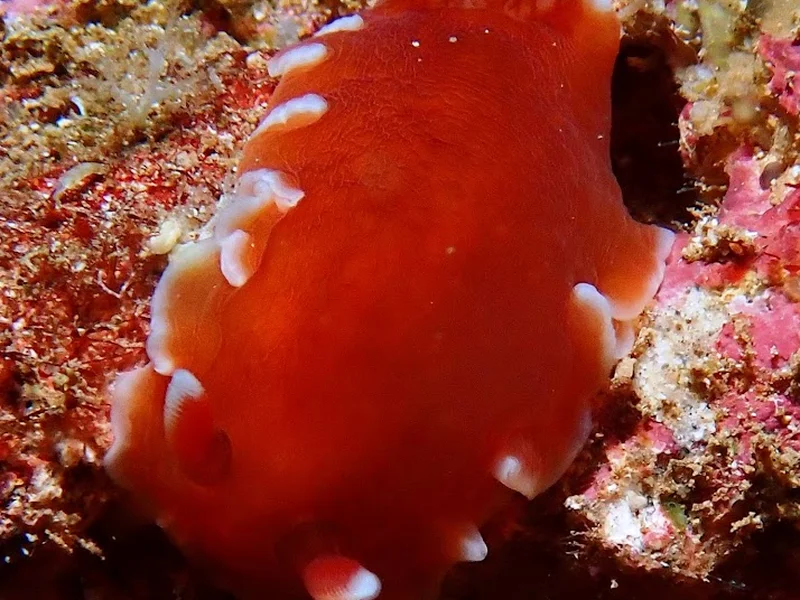
The underwater landscape of the Molokini Back Wall supports a diverse array of life, from small critters clinging to the vertical face to large pelagic visitors in the blue. Nudibranchs and scorpionfish are often observed tucked into the wall's many crevices.
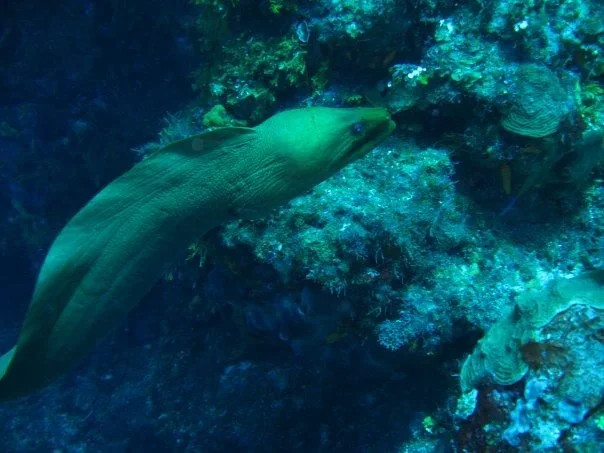
Moray eels and octopus also find shelter within these natural formations. Schools of butterflyfish, snapper, trevally, and angelfish provide constant activity along the reef.
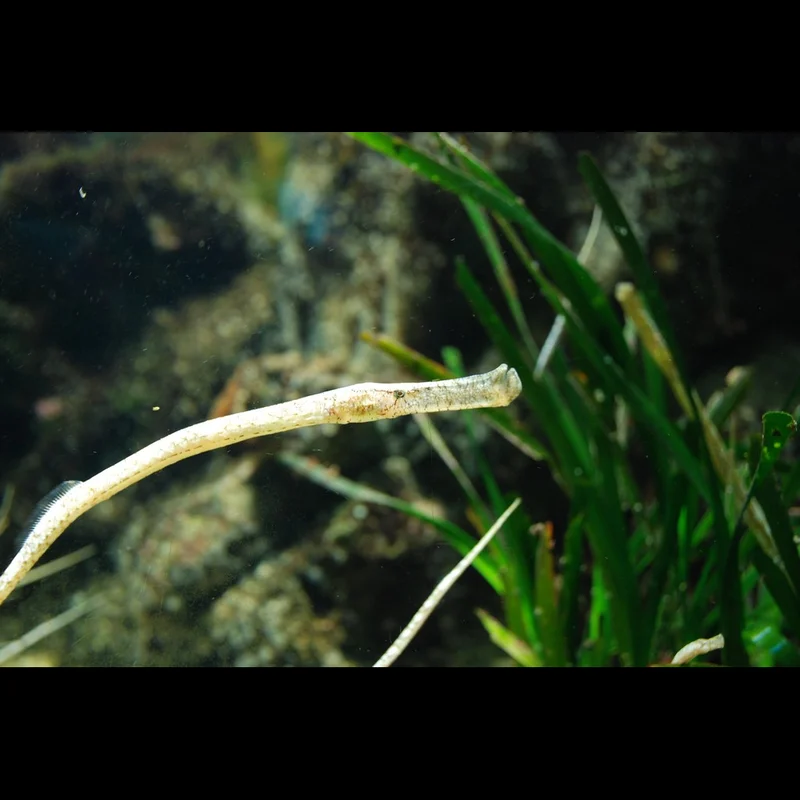
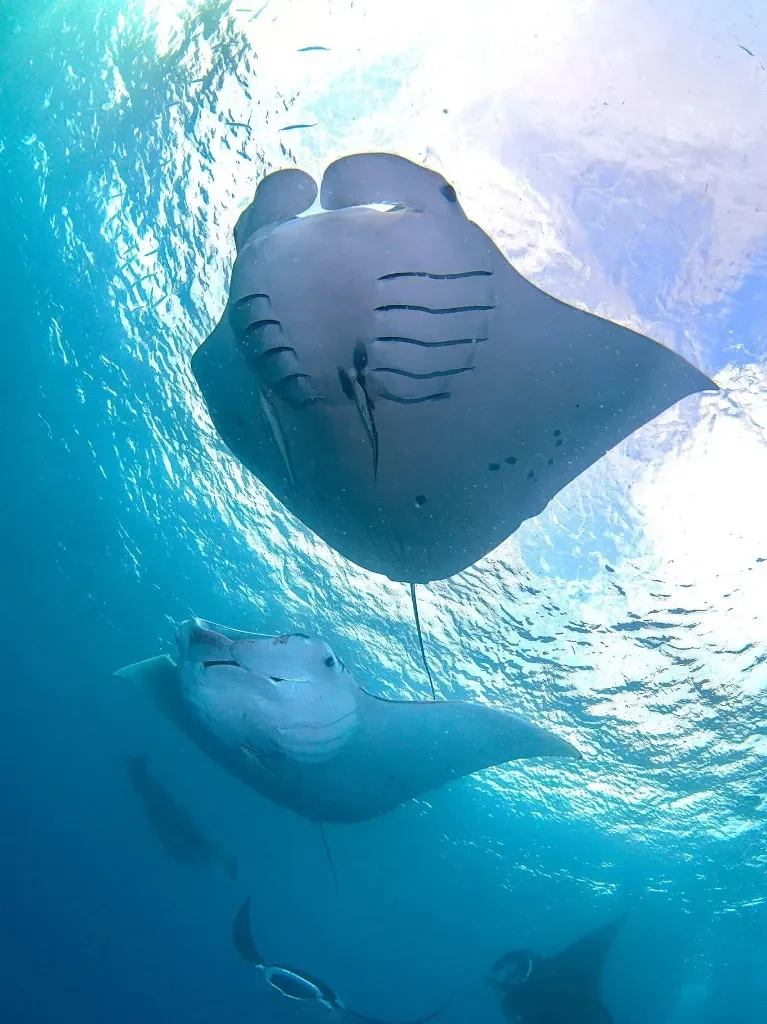
Looking out into the expansive open water, divers might encounter grey reef or Galapagos sharks. Lucky sightings have included manta rays and, during specific seasons, even whale sharks or humpback whales migrating past. Pipefish, though smaller, are also present, adding to the site's biodiversity.
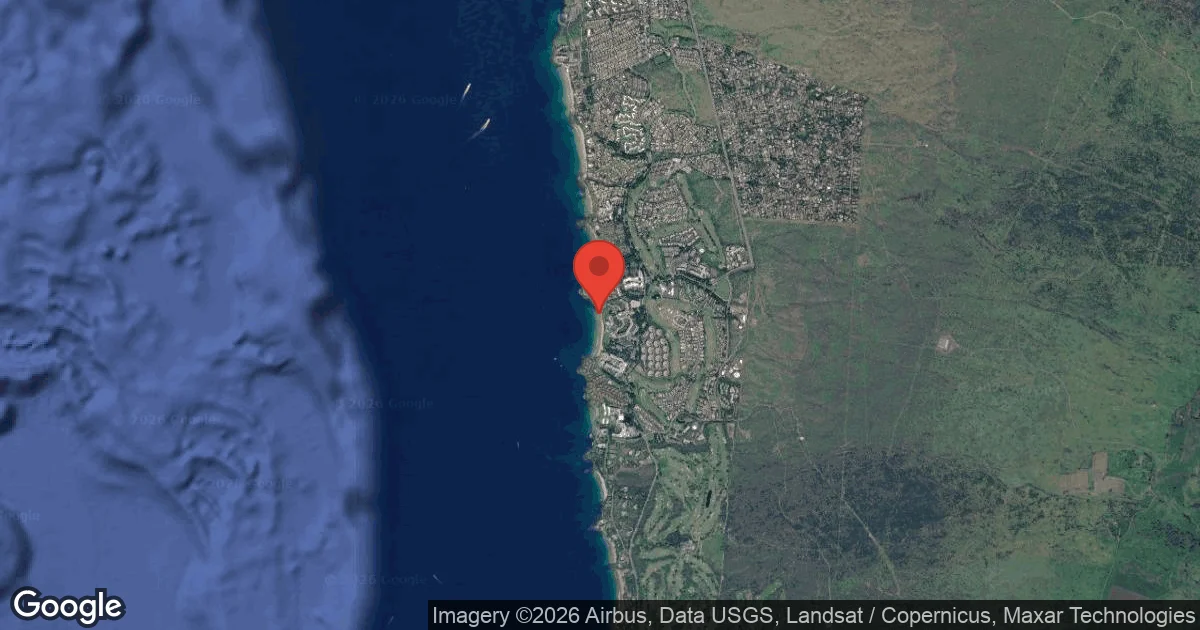
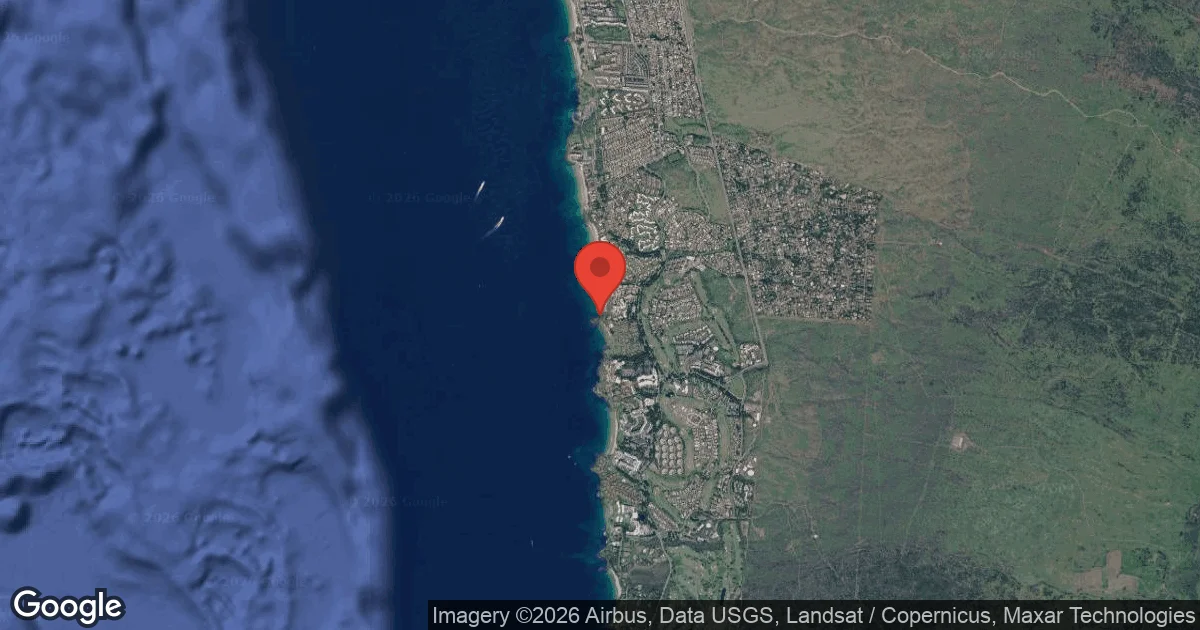
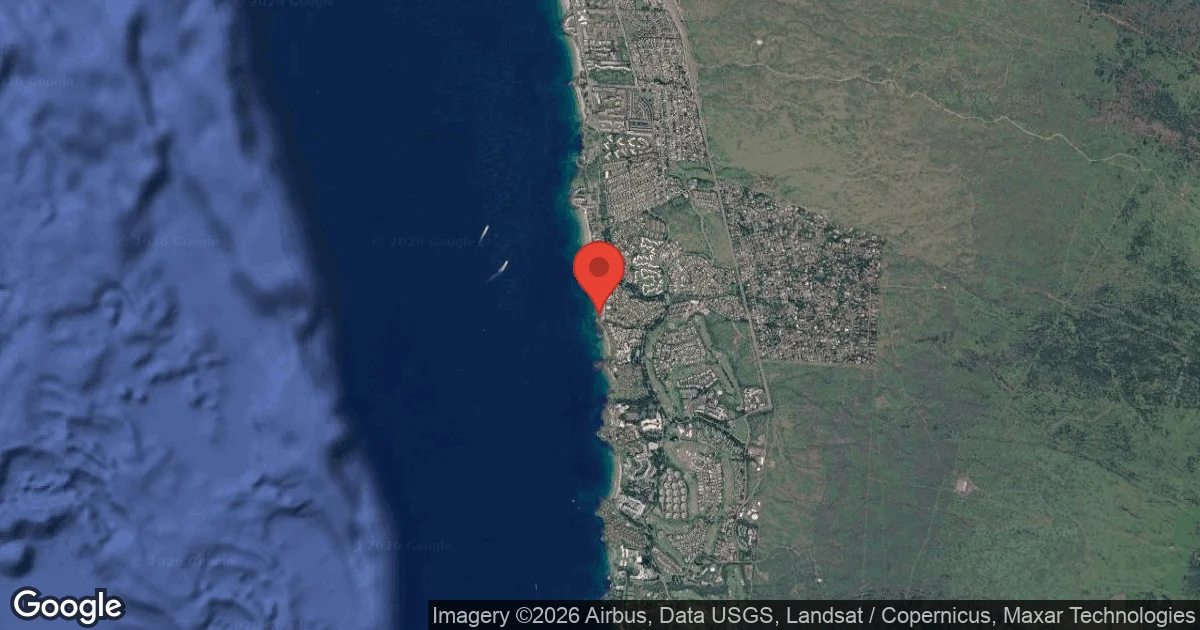
Dive Sites Near Molokini Back Wall
View all dive sites in United StatesDiscover more underwater gems in this area.
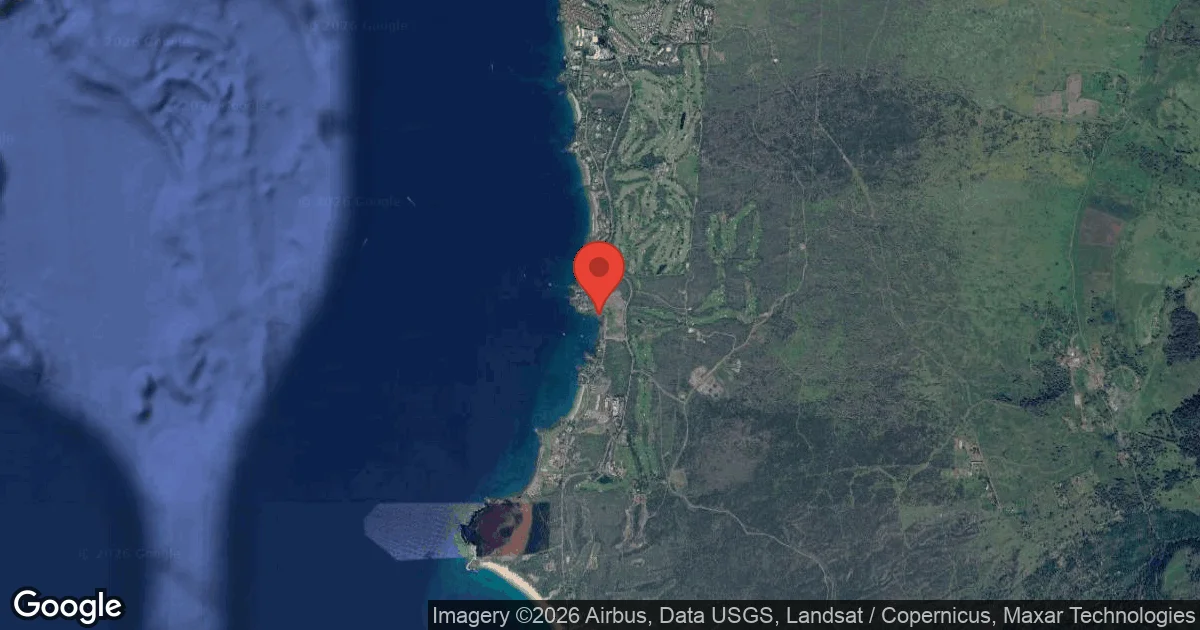
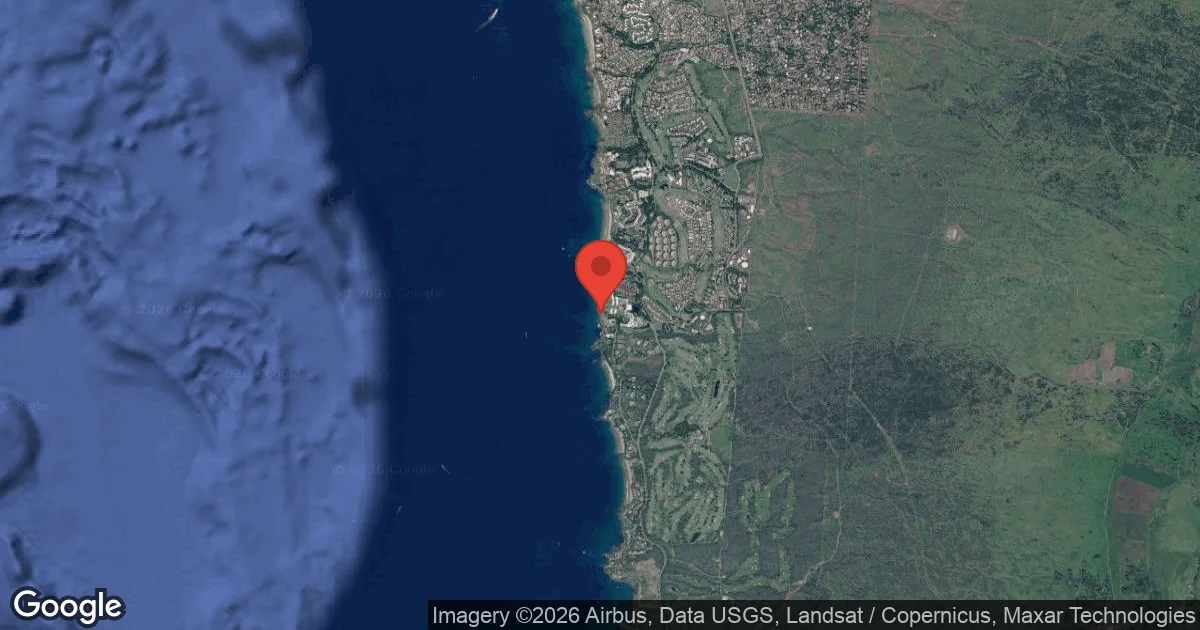
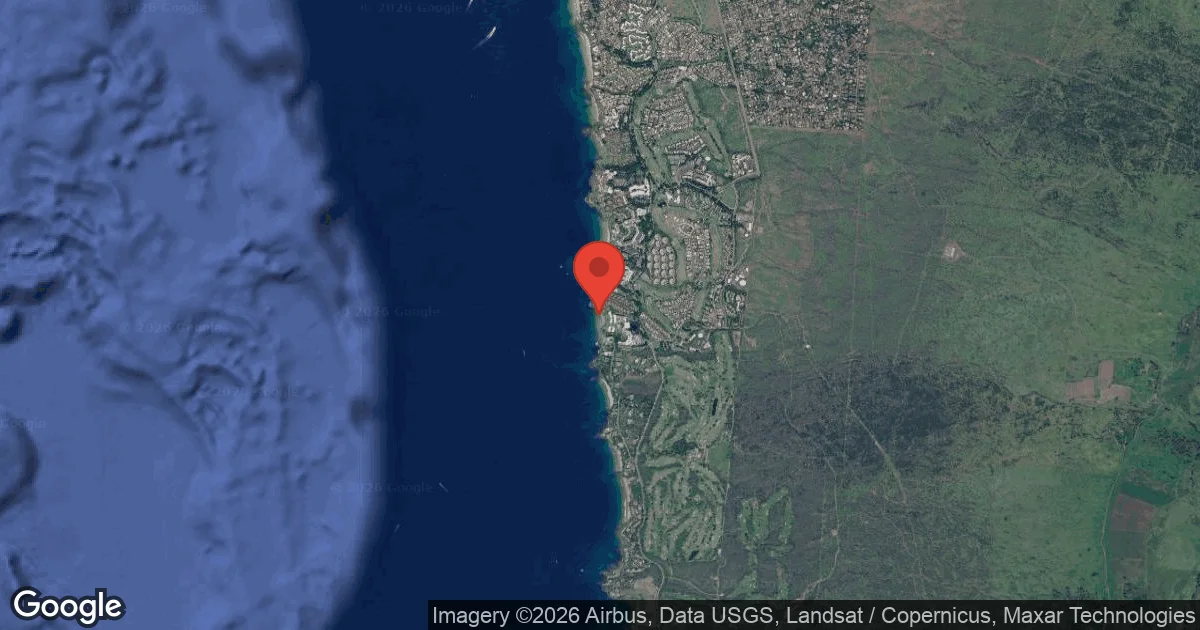
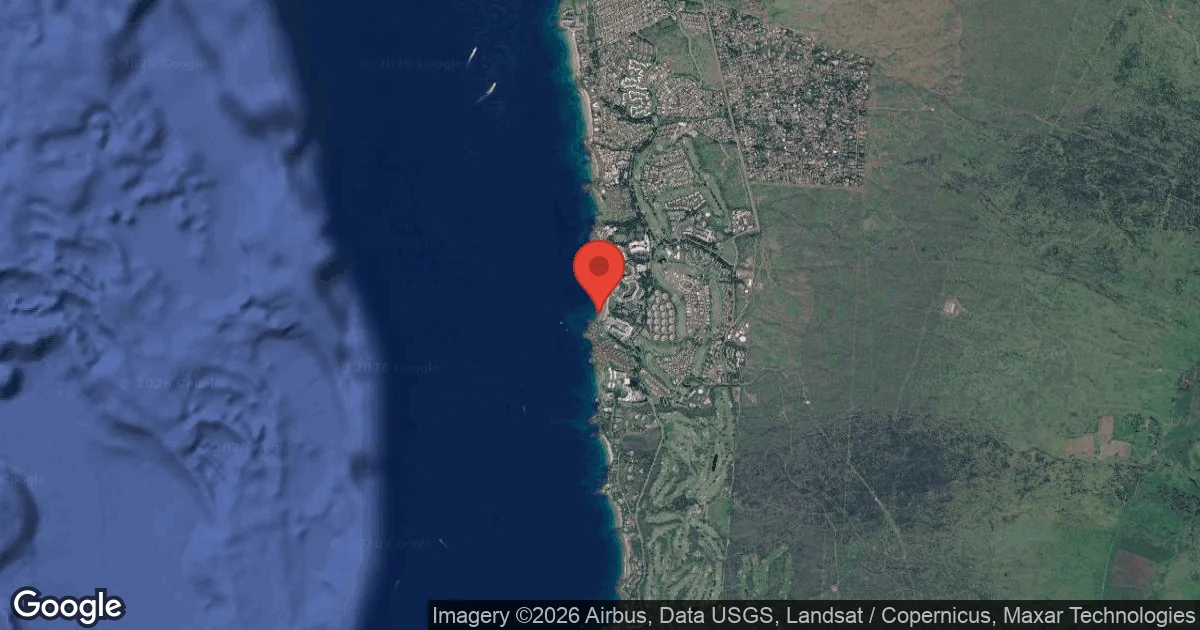
Dive Centers Near Molokini Back Wall

Today: 07:30 - 19:00
Nearest Airports
Nearest airports to help plan travel to this dive area.
Search Flights
Check available flights and routes on Expedia, using the nearby airports listed in this section.
Search Flights on Expedia
Plan Your Stay
Looking for a place to stay for your dive trip? Explore hotels, stays, and vacation rentals for dive groups near Wailea-Makena.
Dive Navigator may earn a commission from these links at no extra cost to you.
Frequently Asked Questions
Is Molokini Back Wall suitable for beginners?
No, this dive is recommended for advanced divers. It requires strong buoyancy control, comfort in currents, and the ability to perform blue water safety stops. Many operators specify a minimum of 40 logged dives and recent experience.
What kind of depths can be expected?
Dives typically start around 24-30 m (80-100 ft) and involve a gradual ascent. The wall itself plunges to depths exceeding 90 meters, so careful depth management is critical.
What marine life might I see here?
The wall hosts nudibranchs, scorpionfish, moray eels, and octopus. In the blue, you might spot grey reef or Galapagos sharks, and occasionally manta rays or even whale sharks. Schools of butterflyfish and snapper are common.
Are currents common at this site?
Yes, Molokini Back Wall is primarily a drift dive, meaning currents are a normal part of the experience. Divers should be comfortable with being carried along by the current.
What is the typical visibility?
Visibility at the Back Wall is often exceptional, frequently exceeding 30 m (100 ft). This clear water allows for expansive views of the wall and the open ocean.
What's the water temperature like?
While not consistently reported in system data, water temperatures in Hawaii generally range from 22-27°C (72-81°F). This usually requires a 3mm or 5mm wetsuit for comfort.
Is the Molokini Back Wall a challenging dive?
Yes, it is considered an advanced dive due to its depth, potential for strong currents, and the need for excellent buoyancy control in blue water. It requires a higher skill level than many other Hawaiian dive sites.
Planning to dive Molokini Back Wall?
Send one inquiry and receive offers directly from the best verified local dive operators.
Conditions are Good
Optimal conditions expected
Current conditions near Molokini Back Wall show 28° air, 28° sea temperature, 1.7 m waves, and 19 km/h wind. Forecast data is refreshed regularly to ensure accuracy.