
Diving at Keawakapu South (United States)
Divers approaching Keawakapu South face a unique proposition: a shore dive that serves as a launchpad to varied underwater topography. This site excels for those looking to explore an evolving artificial reef system and a specific wreck. Preparing for a scooter dive here can significantly enhance the experience, allowing access to deeper attractions.
Tonight's objective overview for Keawakapu South shows an air temperature of 26.5°C. The measured surface conditions include wave heights around 0.8 m. This environmental data is logged for the close of the day.
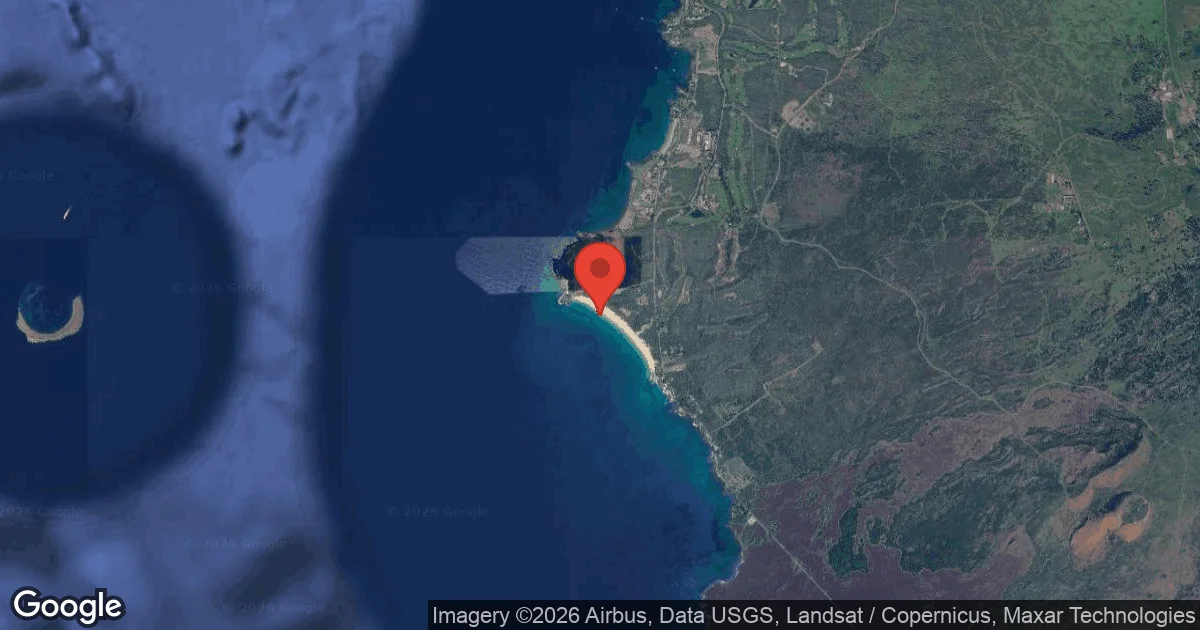
Dive Site Location & Key Facts
Dive Site Overview
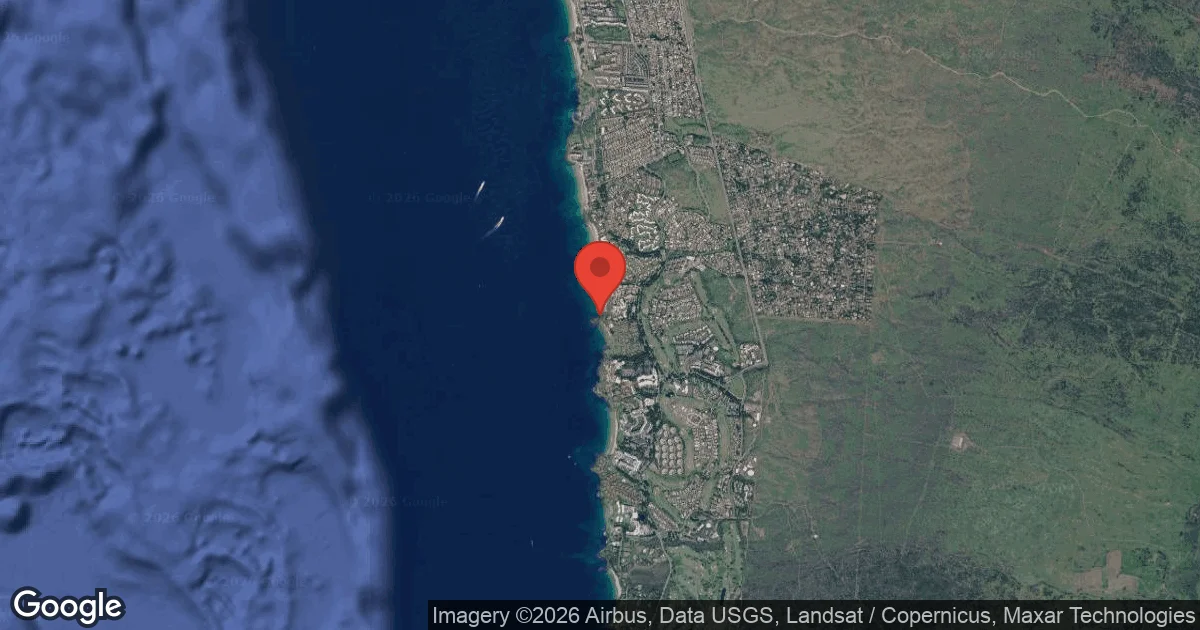
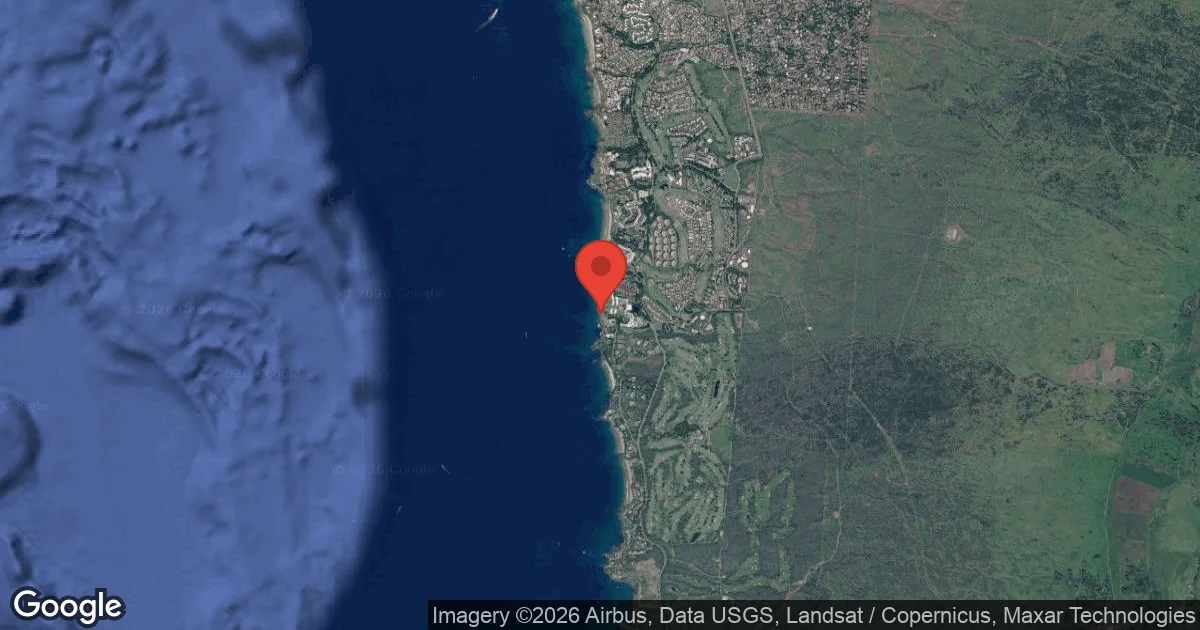
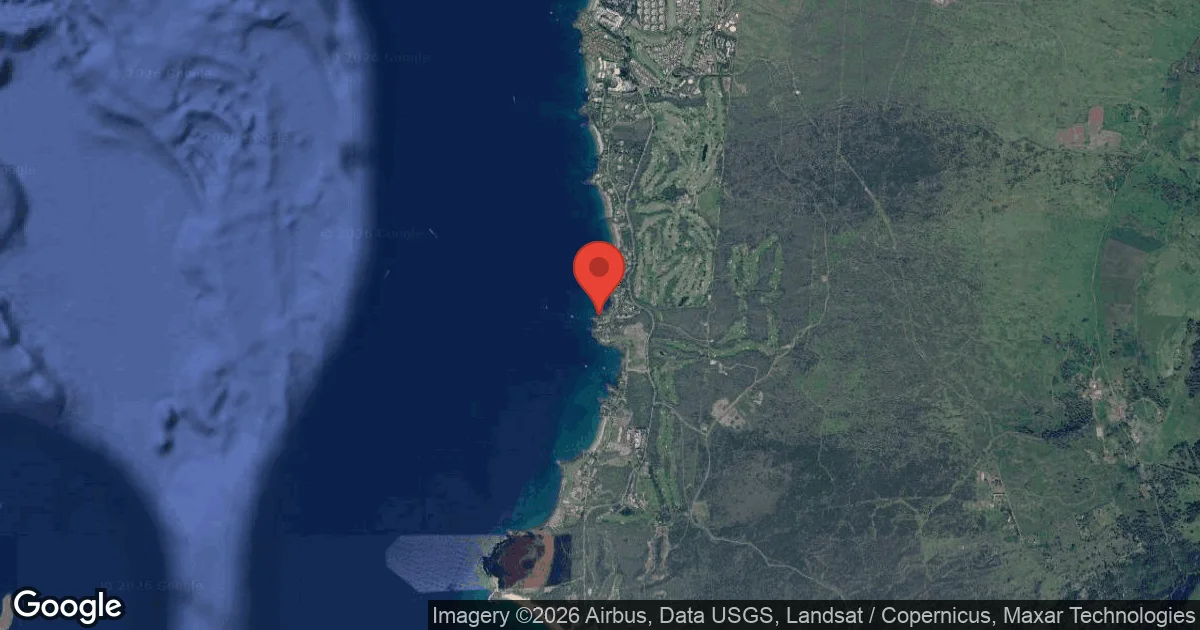
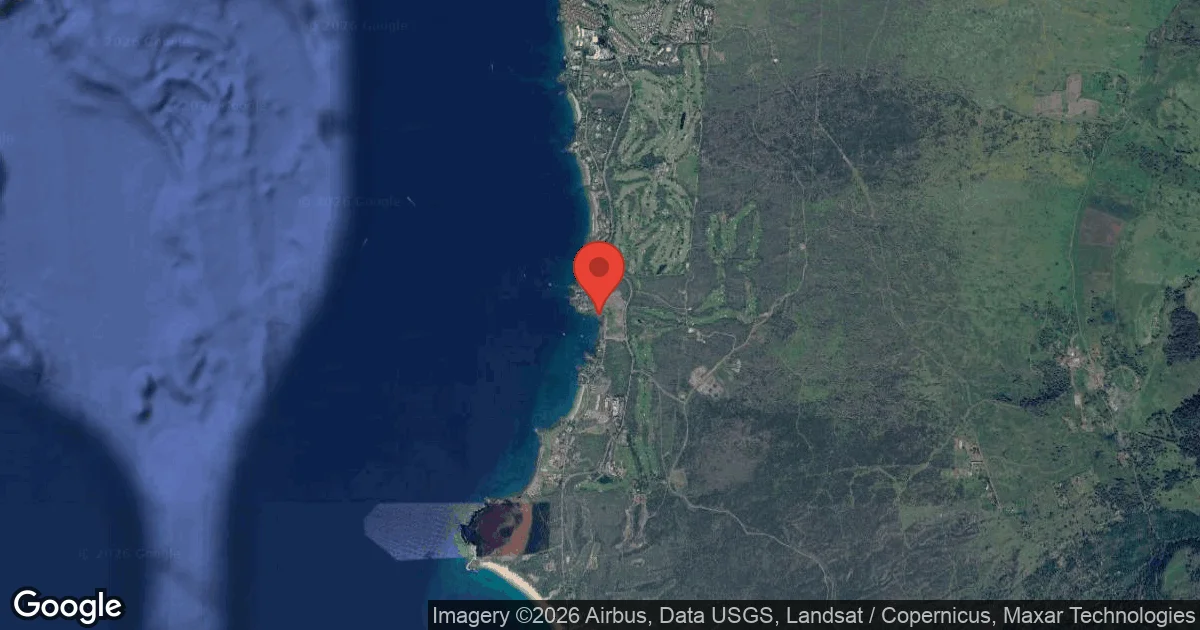
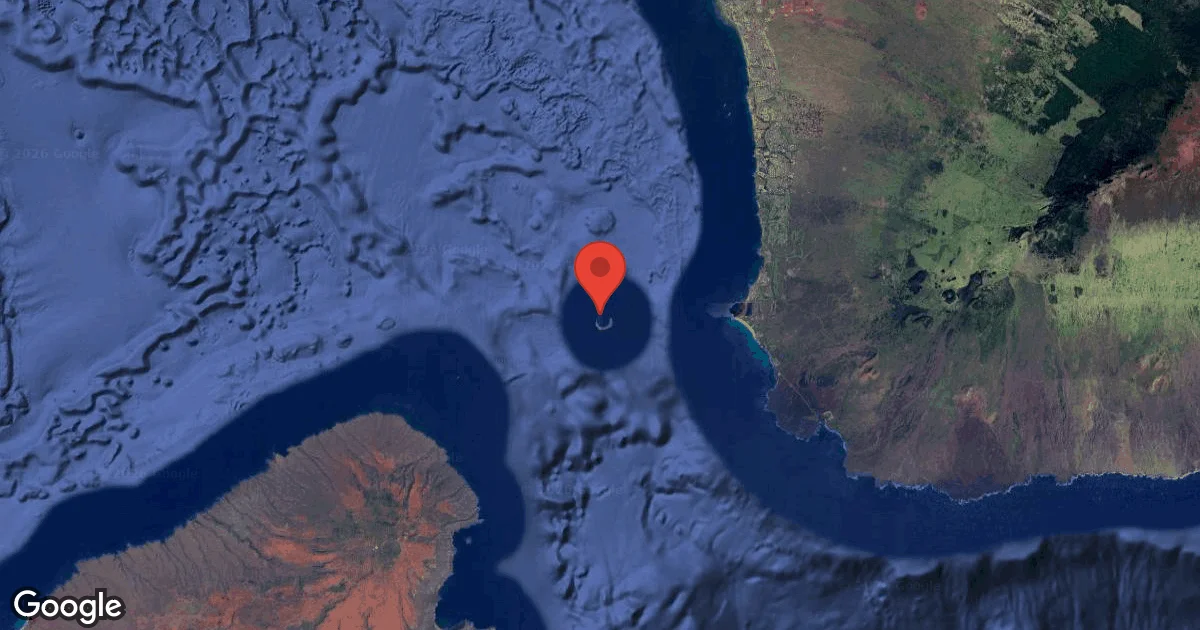
Keawakapu South offers a compelling shore diving experience, serving as a gateway to both natural reef structures and an extensive artificial reef. Your dive typically begins from the beach, involving navigation toward a system of submerged concrete forms, tire structures, and a wreck.
Many divers utilize scooters here; these tools facilitate efficient transit to the St. Anthony wreck and the distinct Z-blocks system. This artificial reef's history traces back to 1962 with old automobiles, which eventually degraded, prompting further ecological intervention. Subsequent efforts introduced robust concrete forms embedded with tires, effectively creating tubular caves and a more stable foundation for coral growth and marine habitation.
By 1997, the 65-foot longliner St. Anthony was purposefully sunk, becoming South Maui's most recent and significant artificial reef addition. Maximum depth at the St. Anthony wreck and surrounding pinnacles is approximately 26 m (85 ft).
Continuous development has transformed this entire site into a thriving habitat, now supporting over 60 species of fish and offering varied terrain for exploration.
Conditions are Moderate
Optimal conditions expected
Current conditions near Keawakapu South show 26° air, 28° sea temperature, 1.1 m waves, and 26 km/h wind. Forecast data is refreshed regularly to ensure accuracy.
Best Time to Dive
Planning your dive at Keawakapu South with an eye on conditions is key for optimal visibility and comfort. The months from May through October often present more favorable surface conditions, with average air temperatures ranging from 24-25.5°C (75-78°F) and minimal rainfall, frequently below 1 mm (0.04 in). During these periods, average wave heights typically remain under 1 meter (3.3 ft), contributing to calmer entries and improved underwater clarity. While specific water temperatures aren't consistently reported for this site, the air temperatures suggest pleasant overall conditions. Even in other months, such as March and November, the dive score remains high, indicating generally good diving. Lower wind speeds, often around 14-15 km/h (9-10 mph) in the autumn, can also contribute to smoother surface conditions.
PEAK SEASON SCORE
Scores combine air & water temps, waves, wind & rainfall for overall conditions.
BEST MONTHS TO DIVE
Monthly records compiled from satellite and marine observation nodes over the last 3 years. Data provided by Open-Meteo and MET Norway.
Dive Experience & Conditions
Descending into Keawakapu South, divers encounter an intriguing blend of natural seafloor and structured artificial habitats. A journey from the shore often leads to a series of concrete forms and tire structures that have fostered a complex ecosystem. Navigating the contours of the Z-blocks, you'll observe how corals have established themselves, providing shelter for various marine life. At around 26 m (85 ft) maximum depth, the 65-foot St. Anthony wreck offers a tangible sense of exploration, with nooks and crannies to investigate. Water conditions can vary; while often calm, local currents or swells may be present, particularly closer to deeper sections. Visibility typically remains good on calm days, allowing for clear views of the evolving artificial reef landscape. Overall, a recreational depth range is offered, suitable for various certification levels.
Dive Difficulty & Safety Guidelines
Approaching Keawakapu South requires a mindful adherence to safe diving practices, particularly due to its nature as a shore entry site with potential for currents. Always assess surface conditions before entering, especially wave height and surge, which can impact entry and exit. When planning to visit the St. Anthony wreck or the Z-blocks, consider the distance involved from shore; dive scooters are commonly used for a more efficient transit.
Divers should consult with local dive professionals familiar with the site's present conditions, as they can offer up-to-date information on currents, visibility, and any specific considerations. Adhering to your certification limits and monitoring air consumption are always paramount, especially when exploring deeper sections or traversing longer distances underwater.
Recommended Equipment
- Dive Computer
This gear list is based on verified equipment signals for Keawakapu South, United States. Always confirm final gear choices with your dive operator, guide, or liveaboard.
Recommended Dive Suit
Individual comfort in the water can vary significantly from diver to diver, even under the same conditions.
For most recreational dives, 2-3mm shorty or light wetsuit should provide comfortable protection. A hood or vest is suggested for sensitive divers due to surface winds. Forecast conditions over the next few days suggest temperatures will remain relatively stable.
Current temperature readings suggest that the water at Keawakapu South is around 28°C (83°F). Surface air temperatures are resting at 26°C (79°F).
Due to technical issues with our weather providers, live updates are temporarily delayed. The data above reflects the conditions at the time of the last successful fetch.
Emergency & Medical Support
Essential information to help you plan your dive trip to Keawakapu South.

Hyperbaric chambers are a critical part of dive safety infrastructure. Availability varies significantly by region, and not all dive areas have immediate access.
Before diving, it's recommended to:
- confirm nearest medical facilities
- check emergency procedures with local dive operators
- ensure dive insurance covers evacuation if required
Divers Alert Network
Diving emergency assistance available through DAN World.
+1-919-684-9111- 24/7 emergency hotline
- Diving medical assistance
- Evacuation coordination
Emergency contacts are provided for reference. Always verify local emergency services before diving.
Marine Life at Keawakapu South
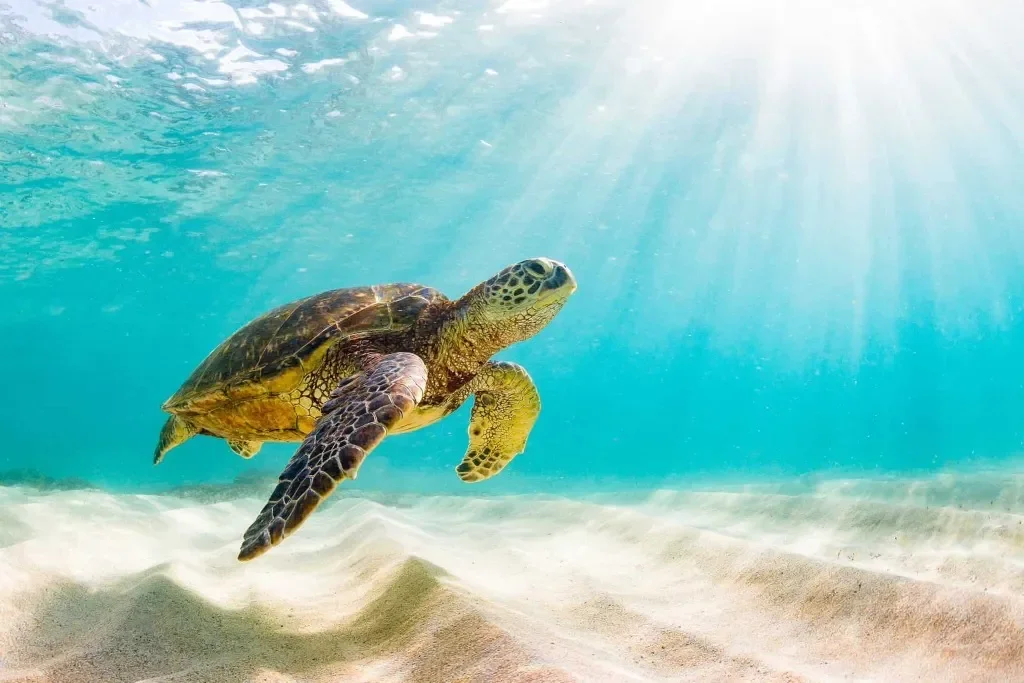
The diverse structure of the artificial reef at Keawakapu South attracts a vibrant array of marine life. Green sea turtles are frequent residents around the St. Anthony wreck, often seen resting inside holds, tucked under the hull, or playfully positioned on the cabin.
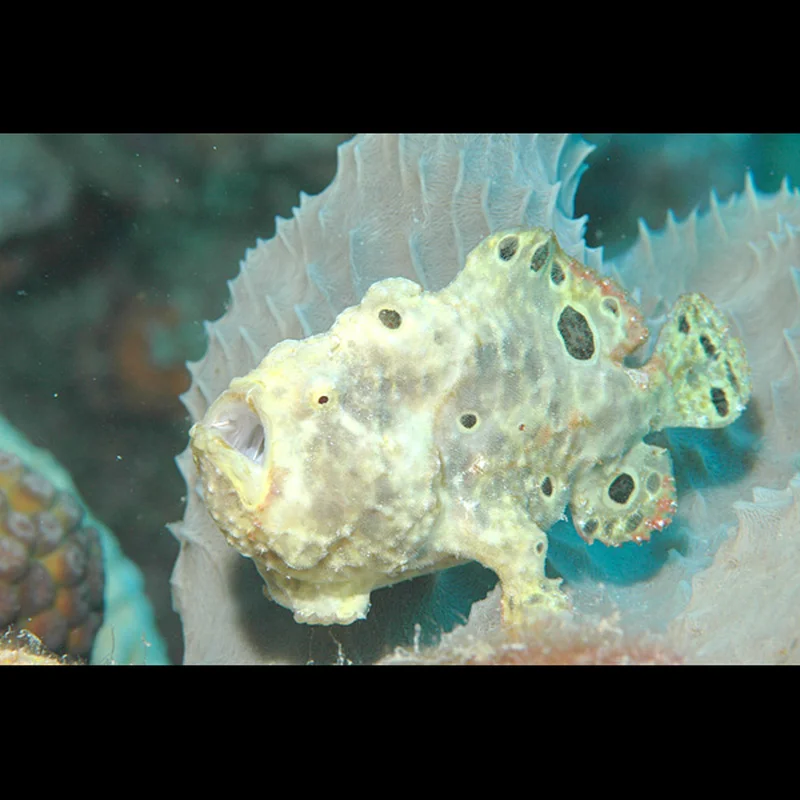
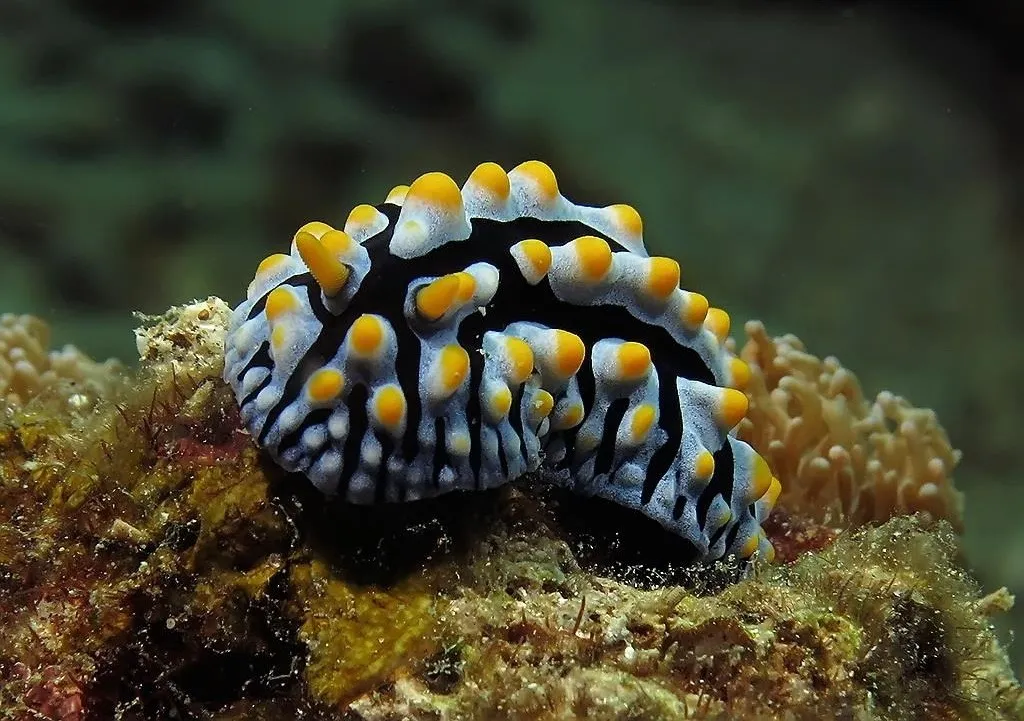
Look closely, and you may spot one or two resident frogfish camouflaged on the wreck's surfaces. Exploring the various structures often reveals nudibranchs, eels, and octopus.
While not a constant presence, whitetip reef sharks are occasionally sighted, adding an exciting dimension to the dive. The overall reef system provides a habitat for over 60 species of fish, ensuring a lively underwater experience.

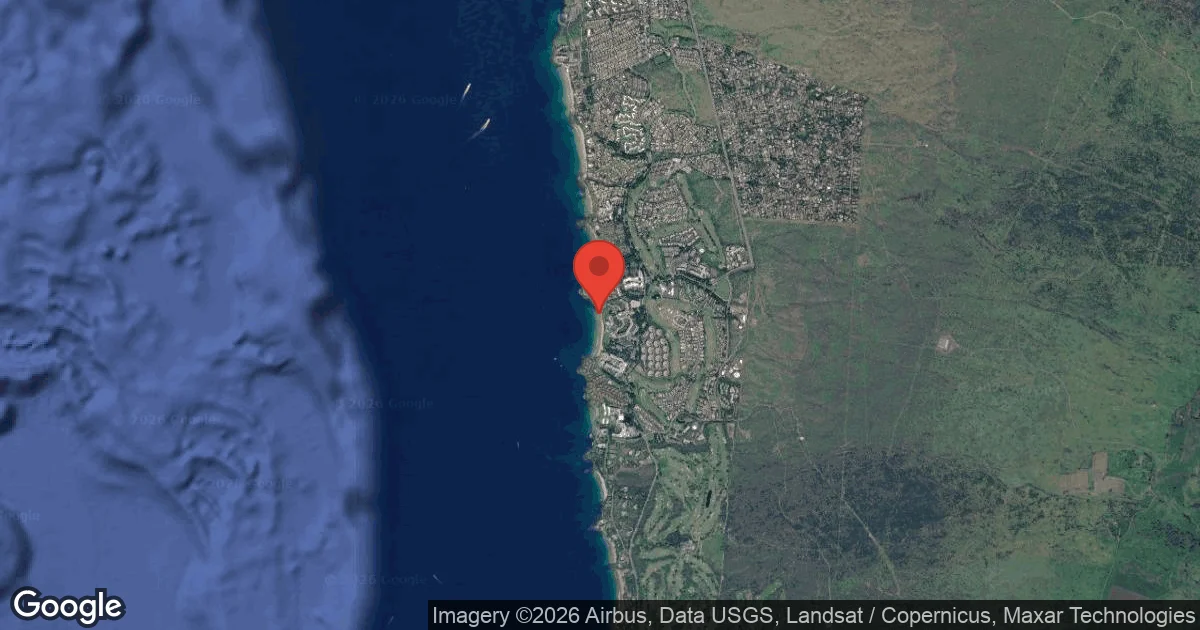
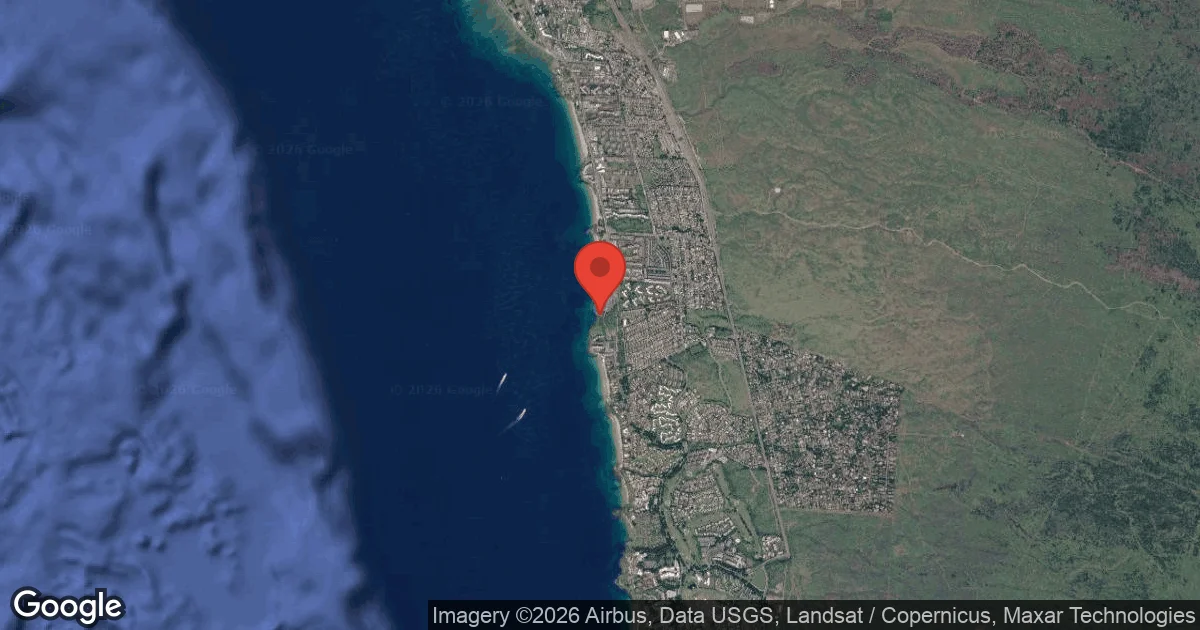
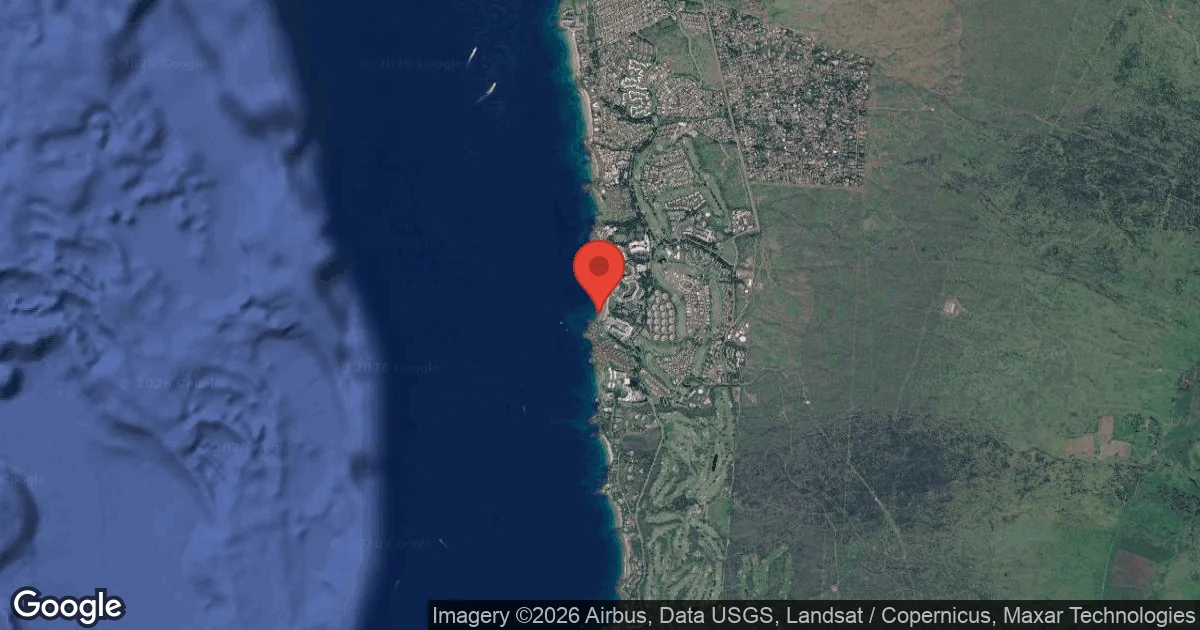
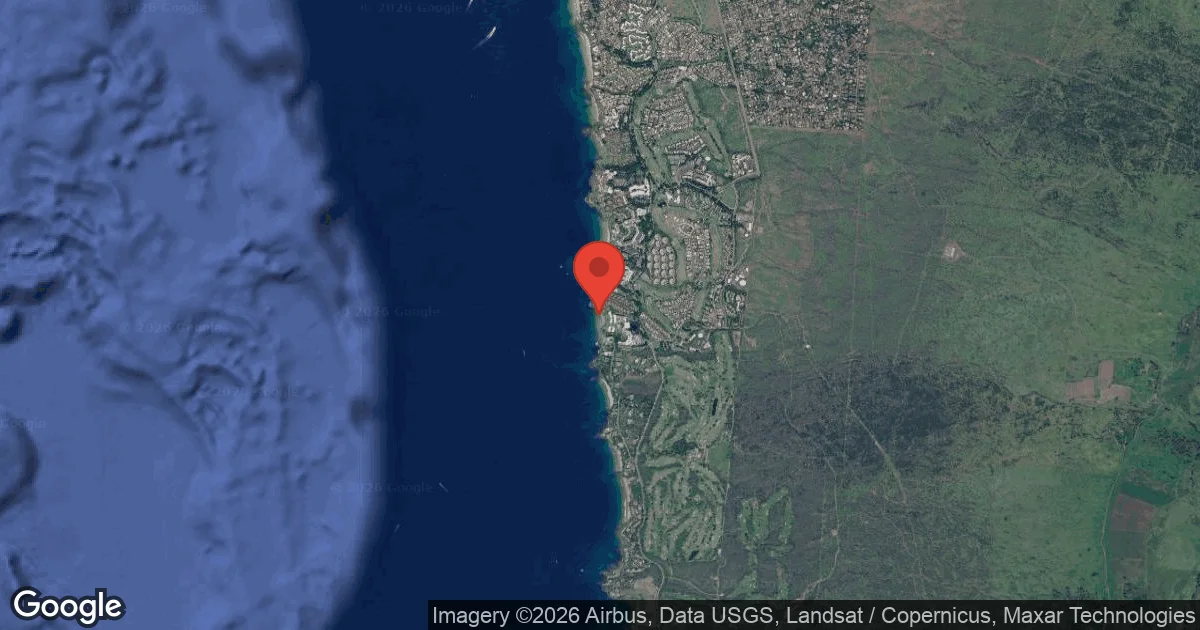
Dive Sites Near Keawakapu South
View all dive sites in United StatesDiscover more underwater gems in this area.
Dive Centers Near Keawakapu South
Today: 07:30 - 19:00
Nearest Airports
Nearest airports to help plan travel to this dive area.
Search Flights
Check available flights and routes on Expedia, using the nearby airports listed in this section.
Search Flights on Expedia
Plan Your Stay
Looking for a place to stay for your dive trip? Explore hotels, stays, and vacation rentals for dive groups near Wailea.
Dive Navigator may earn a commission from these links at no extra cost to you.
Frequently Asked Questions
What kind of dive site is Keawakapu South?
Keawakapu South is primarily a shore dive that acts as an access point to both natural reef areas and an artificial reef system, including the St. Anthony wreck and Z-blocks. It's popular for scooter dives.
How deep is the St. Anthony wreck?
The St. Anthony wreck is located at a maximum depth of approximately 26 m (85 ft). Reaching this depth makes it suitable for advanced open water divers.
What marine life can I expect to see?
Green sea turtles are commonly found around the St. Anthony wreck. Divers often spot frogfish, nudibranchs, eels, and octopus, with occasional sightings of whitetip reef sharks.
Is Keawakapu South suitable for beginners?
While it's a shore dive, the distance to the main attractions like the wreck and artificial reef makes it more suited for certified divers comfortable with navigation and longer swims, or those using dive scooters.
What are the Z-blocks?
Z-blocks comprise a portion of Keawakapu South's artificial reef system. These concrete forms, embedded with tires, were designed to create habitat for marine animals after the initial car-based reef degraded.
Are there strong currents at Keawakapu South?
Currents can vary depending on conditions. It's always advisable to consult local dive professionals for current reports and to plan your dive accordingly, especially when navigating to or from the deeper features.
Planning to dive Keawakapu South?
Send one inquiry and receive offers directly from the best verified local dive operators.
Conditions are Moderate
Optimal conditions expected
Current conditions near Keawakapu South show 26° air, 28° sea temperature, 1.1 m waves, and 26 km/h wind. Forecast data is refreshed regularly to ensure accuracy.